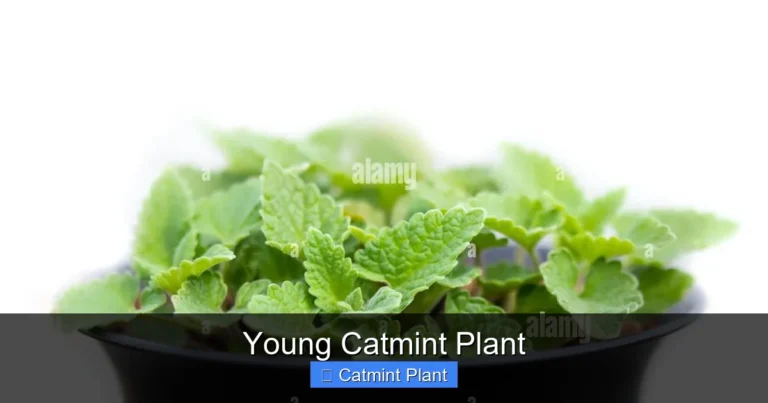
Catmint Plant Care
Catmint (Nepeta) is a low-maintenance perennial that rewards gardeners with lavender-blue blooms and aromatic foliage from late spring through fall. This drought-tolerant plant thrives in full sun and well-drained soil, requiring minimal watering once established. With proper catmint plant care including occasional pruning and division every few years, you’ll enjoy years of pollinator-friendly beauty with very little effort.
If you have ever walked past a garden border buzzing with bees and butterflies, chances are you were admiring catmint. This hardworking perennial has earned its place in gardens across the country for good reason. It asks for very little and gives back months of color, fragrance, and wildlife activity. Whether you are a seasoned gardener or just starting out, understanding catmint plant care will set you up for success with one of the most reliable plants you can grow.
Catmint, botanically known as Nepeta, belongs to the mint family but behaves much better than its aggressive cousins. It forms neat mounds of gray-green foliage topped with spikes of lavender-blue flowers. The leaves release a pleasant minty scent when brushed against, making it a delight along pathways. Most varieties bloom from late spring through early fall with a brief pause in midsummer heat. This guide covers everything you need to know about catmint plant care from planting through seasonal maintenance.
Key Takeaways
- Sun Exposure: Catmint needs at least six hours of direct sunlight daily for optimal flowering and compact growth.
- Soil Requirements: Well-drained soil is essential; this plant tolerates poor soil but will not survive wet feet or heavy clay.
- Watering Needs: Water regularly during the first growing season, then reduce to occasional deep watering during extended dry spells.
- Pruning Schedule: Shear plants back by half after the first flush of blooms to encourage a second flowering period in late summer.
- Division Timeline: Divide mature clumps every three to four years in early spring to maintain vigor and prevent center die-out.
- Pest Resistance: Catmint naturally repels deer, rabbits, and most insects while attracting beneficial pollinators like bees and butterflies.
- Winter Care: Leave foliage standing through winter for crown protection, then cut back to ground level in early spring before new growth emerges.
Quick Answers to Common Questions
How often should I water established catmint?
Established catmint rarely needs watering except during droughts of three weeks or more, when a deep soaking every two weeks is sufficient.
When is the best time to prune catmint for reblooming?
Shear catmint back by one-third to one-half immediately after the first flush of flowers fades in early summer to stimulate a second bloom period.
Does catmint spread aggressively like mint?
No, catmint forms well-behaved clumps and does not run invasively like true mint, though it may self-sow modestly in ideal conditions.
Why is my catmint flopping open in the center?
Flopping usually results from rich soil, too much shade, or lack of pruning; fix it by stopping fertilizer, ensuring full sun, and shearing after first bloom.
Can catmint grow in containers?
Yes, catmint thrives in containers with excellent drainage, gritty potting mix, and a pot at least 12 inches wide, though it needs winter protection in cold zones.
📑 Table of Contents
- Choosing the Right Catmint Variety
- Planting Catmint for Success
- Watering and Feeding Requirements
- Pruning and Maintenance Through the Seasons
- Dividing and Propagating Catmint
- Common Problems and Solutions
- Designing with Catmint in the Landscape
- Seasonal Catmint Plant Care Calendar
- Catmint Plant Care in Different Climates
- Troubleshooting Poor Performance
- Harvesting and Using Catmint
- Conclusion
Choosing the Right Catmint Variety
Not all catmint plants are created equal. The genus Nepeta includes dozens of species and cultivars, each with slightly different habits. Knowing which one suits your space makes catmint plant care much easier from the start.
Popular Catmint Cultivars
Walker’s Low is perhaps the most famous variety, named Perennial Plant of the Year in 2007. Despite the name, it grows 24 to 30 inches tall and wide. It produces masses of deep lavender-blue flowers on sturdy stems that rarely flop. This variety works beautifully in the middle of borders.
Cat’s Meow offers a more compact habit at 17 to 20 inches tall with a similar spread. Its flower spikes are tightly packed for a denser show of color. This cultivar maintains a tidy mound shape without much intervention, making catmint plant care even simpler.
Junior Walker is a dwarf sport of Walker’s Low, reaching just 15 to 18 inches tall. It fits perfectly in small gardens, rock gardens, or the front of borders. The flowers are the same intense blue as its parent but on a smaller scale.
Six Hills Giant lives up to its name at 36 inches tall and wide. It makes a bold statement but can flop without support. This variety works well in cottage gardens where a looser habit fits the aesthetic.
Dropmore features softer blue flowers with a hint of violet. It grows 12 to 18 inches tall and spreads slowly. This variety blooms heavily in late spring and often reblooms without shearing.
Catmint vs Catnip
Many gardeners confuse catmint with catnip (Nepeta cataria). While they are related, they serve different purposes. Catnip has white flowers with purple spots and a rangy, weedy habit. Cats go wild for it. Catmint has showier flowers, better garden manners, and only mildly attracts felines. If you want ornamental value, choose catmint. If you want to entertain your cat, plant catnip in a container away from your beds.
Planting Catmint for Success
Proper planting sets the foundation for easy catmint plant care down the road. These plants hate having wet roots, so drainage is everything.

Visual guide about Catmint Plant Care
Image source: gardendesign.com
When to Plant
Spring planting after the last frost gives catmint the longest growing season to establish roots before winter. Fall planting works too, provided you plant at least six weeks before the ground freezes. This allows roots to settle in before dormancy. Summer planting is possible but requires diligent watering during heat waves.
Site Selection
Choose a spot with full sun, meaning at least six hours of direct sunlight daily. Catmint tolerates light shade, especially in hot southern climates, but flowering decreases and stems stretch toward the light. Good air circulation helps prevent fungal issues, so avoid crowding plants against walls or dense shrubs.
Soil Preparation
Catmint thrives in average to lean soil. Rich soil produces lush foliage at the expense of flowers and can cause floppy stems. If your soil is heavy clay, amend it with coarse sand, fine gravel, or compost to improve drainage. A raised bed or berm works beautifully for catmint plant care in poorly drained areas. The ideal pH range is 6.0 to 7.5, but these plants adapt to slightly acidic or alkaline conditions.
Spacing Guidelines
Space plants according to their mature width. For most varieties, 18 to 24 inches apart works well. Six Hills Giant needs 30 to 36 inches. Proper spacing promotes air flow and reduces disease pressure. It also means less dividing later, which simplifies long-term catmint plant care.
Planting Steps
Dig a hole twice as wide as the root ball but no deeper. Gently loosen circling roots. Place the plant so the crown sits at soil level. Backfill with native soil, firming gently to eliminate air pockets. Water thoroughly to settle soil around roots. Apply a thin layer of mulch, keeping it away from the crown to prevent rot.
Watering and Feeding Requirements
One of the biggest mistakes in catmint plant care is overwatering. These plants are built for dry conditions once established.
Establishment Phase
Water new plantings deeply once or twice a week for the first month, depending on rainfall. Check soil moisture by sticking your finger two inches deep. If it feels dry, water. After the first month, reduce to once a week. By the end of the first growing season, plants should be well established.
Mature Plant Watering
Established catmint rarely needs supplemental water. In most regions, rainfall is sufficient. During extended droughts of three weeks or more, provide a deep soaking every two weeks. Water at the base of the plant to keep foliage dry. Wet leaves invite powdery mildew, especially in humid climates.
Signs of Water Stress
Underwatered catmint shows wilting that does not recover by morning. Leaves may curl and turn grayish. Overwatered plants develop yellow leaves, starting at the bottom, and stems may rot at the base. The soil will feel soggy several inches down. Adjust accordingly.
Fertilizing Needs
Catmint generally needs no fertilizer. In fact, feeding promotes weak, floppy growth. If your soil is extremely poor, apply a light handful of balanced slow-release fertilizer in early spring. Alternatively, top-dress with an inch of compost. Avoid high-nitrogen fertilizers which reduce flowering.
Pruning and Maintenance Through the Seasons
Strategic pruning is the secret to continuous blooms and tidy plants. Good catmint plant care includes knowing when and how to cut back.
Spring Cleanup
In early spring, before new growth appears, cut last year’s dead stems to the ground. Use clean, sharp pruners. This removes overwintering pests and diseases while making room for fresh shoots. If you left stems standing for winter interest, this is the time to remove them.
Deadheading for Rebloom
After the first heavy flush of flowers fades in early summer, shear the entire plant back by one-third to one-half. This looks drastic but stimulates fresh growth and a second bloom period in late summer. Use hedge shears for large plantings or hand pruners for individual plants. Cut just above a set of leaves.
Midseason Shape-Up
If plants become leggy or flop open in the center during summer, give them a light trim. Remove any yellowed or damaged stems at the base. This improves air circulation and appearance. In humid regions, this step helps prevent fungal issues.
Fall Considerations
Stop pruning by early fall. Late cuts stimulate tender growth that winter will kill. Leave the final flush of foliage and flower heads standing through winter. The dried stems protect the crown from freeze-thaw cycles and provide habitat for beneficial insects. They also catch snow for insulation.
Dividing and Propagating Catmint
Division rejuvenates tired clumps and gives you free plants. It is a core part of long-term catmint plant care.
When to Divide
Divide catmint every three to four years in early spring just as new growth emerges. Signs it is time include a dead center, reduced flowering, or the plant outgrowing its space. Fall division works in mild climates but risks winter loss in cold zones.
Division Process
Water the plant well the day before. Dig up the entire clump with a garden fork, starting wide to avoid root damage. Shake off excess soil. Use a sharp spade or knife to cut the clump into sections, each with healthy roots and several shoots. Discard the woody center. Replant divisions immediately at the same depth. Water well and mulch lightly.
Other Propagation Methods
Softwood cuttings root easily in late spring. Take 4-inch cuttings from non-flowering shoots. Remove lower leaves, dip in rooting hormone, and plant in moist perlite or sand. Cover with a plastic bag. Roots form in two to three weeks.
Seed propagation is possible but varieties will not come true from seed. Species types like Nepeta racemosa self-sow modestly. Collect seeds in fall and sow in spring for experimentation.
Common Problems and Solutions
Catmint is remarkably trouble-free, but a few issues can arise. Recognizing them early keeps catmint plant care manageable.
Flopping Stems
Rich soil, too much shade, or insufficient pruning cause floppy stems. The fix: stop fertilizing, ensure full sun, and shear back after first bloom. Staking early in the season works for tall varieties like Six Hills Giant. Use grow-through supports placed in spring.
Powdery Mildew
This fungal disease appears as white powdery coating on leaves, usually in late summer during humid weather. It rarely kills the plant but looks unsightly. Prevention includes proper spacing, morning watering at soil level, and good air flow. If it appears, remove affected leaves and apply neem oil or potassium bicarbonate spray.
Root Rot
Soggy soil causes root rot. Plants wilt despite wet soil, and stems turn black at the base. There is no cure. Improve drainage before replanting. In heavy clay, plant in raised beds or containers with gritty mix.
Spider Mites
These tiny pests appear during hot, dry weather. Leaves develop stippled yellow spots and fine webbing. Blast plants with water daily for a week. Insecticidal soap works for severe cases. Predatory mites provide biological control.
Deer and Rabbit Resistance
Good news: catmint is highly resistant to browsing. The aromatic oils that attract pollinators repel mammals. Occasional nibbling may happen in extreme drought but plants recover quickly.
Designing with Catmint in the Landscape
Understanding catmint plant care includes knowing how to use it effectively in garden design.
Companion Planting
Catmint pairs beautifully with roses. Its mounding habit hides bare rose canes while attracting beneficial insects that control rose pests. The blue flowers complement pink, yellow, and white roses perfectly.
Other excellent companions include salvia, coneflower, black-eyed Susan, ornamental grasses, and sedum. All share similar sun and soil needs. The silver foliage of catmint bridges hot and cool color schemes.
Garden Styles
In cottage gardens, let catmint spill informally along paths. In formal designs, use it as a repeating element in symmetrical beds. Rock gardens benefit from dwarf varieties tucked between stones. Pollinator gardens should include drifts of at least five plants for maximum insect appeal.
Container Growing
Catmint thrives in containers with excellent drainage. Use a gritty potting mix with added perlite or sand. Choose a pot at least 12 inches wide. Water when the top inch of soil feels dry. Fertilize once in spring with slow-release pellets. Overwinter containers in an unheated garage in zones 5 and colder.
Seasonal Catmint Plant Care Calendar
Following a seasonal routine makes catmint plant care almost automatic.
Early Spring (March-April)
- Cut back dead stems to ground level
- Apply light compost top-dressing if desired
- Divide overcrowded clumps
- Check for winter damage
Late Spring (May-June)
- Monitor for first flush of flowers
- Water new plantings regularly
- Stake tall varieties if needed
- Watch for early pest issues
Early Summer (June-July)
- Deadhead or shear after first bloom
- Water during extended dry spells
- Remove any diseased foliage
- Enjoy peak pollinator activity
Late Summer (August-September)
- Light trim if plants look ragged
- Second bloom period typically occurs
- Reduce watering as temperatures cool
- Collect seeds if desired
Fall (October-November)
- Stop all pruning
- Leave foliage standing for winter
- Apply winter mulch in cold zones after ground freezes
- Mark plant locations for spring
Winter (December-February)
- No active care needed
- Check container plants in storage
- Plan spring divisions or new plantings
- Enjoy winter structure in the garden
Catmint Plant Care in Different Climates
Your growing zone influences specific catmint plant care practices.
Cool Climates (Zones 3-5)
Winter hardiness is excellent. Plants die back completely. Apply a loose mulch of straw or shredded leaves after the ground freezes to prevent heaving. Remove mulch gradually in spring. Spring emergence may be late. Be patient.
Moderate Climates (Zones 6-7)
Ideal catmint territory. Plants may remain semi-evergreen in mild winters. Spring cleanup is the main task. Summer heat may cause a brief flowering pause. Afternoon shade helps in the warmer parts of this range.
Warm Climates (Zones 8-9)
Catmint grows well but may struggle with intense summer heat and humidity. Provide afternoon shade. Ensure excellent drainage and air circulation. Plants may stay green year-round. Shear back in late winter rather than early spring. Watch for fungal issues in humidity.
Hot Arid Climates
Catmint thrives with minimal care. Full sun is fine. Water deeply but infrequently. The main risk is overwatering. Mulch with gravel to keep crown dry. Plants often bloom almost continuously.
Troubleshooting Poor Performance
If your catmint is not thriving, run through this checklist.
Not Flowering Well
- Too much shade – needs 6+ hours sun
- Too much fertilizer – stop feeding
- Overcrowded – divide clump
- Wrong variety for climate – check zone rating
- Pruned at wrong time – only prune after first bloom
Leggy, Sparse Growth
- Insufficient light
- Excess nitrogen
- Needs division
- Competition from aggressive neighbors
Center Die-Out
- Classic sign division is overdue
- Dig and divide in spring
- Replant vigorous outer sections
- Discard woody center
Yellowing Leaves
- Overwatering – check soil drainage
- Poor drainage – amend or relocate
- Natural aging of lower leaves – remove them
- Nutrient deficiency in very poor soil – light compost
Harvesting and Using Catmint
Beyond garden beauty, catmint offers practical uses.
Cut Flowers
Harvest stems when half the flowers on a spike are open. Cut in the morning after dew dries. Strip lower leaves. Place in cool water immediately. Stems last five to seven days. Change water daily.
Drying for Crafts
Cut stems just before full bloom. Bundle loosely and hang upside down in a dark, dry, well-ventilated space. Flowers retain color well. Use in wreaths, sachets, or potpourri.
Herbal Uses
Catmint leaves make a pleasant, mild mint tea. Steep fresh or dried leaves in hot water for five minutes. It has traditional uses for relaxation and digestion. Always verify plant identification and consult resources before consuming any herb.
Cat Entertainment
While not as potent as catnip, many cats enjoy rubbing against catmint plants. Plant a patch near a catio or window. The plants tolerate light feline attention well.
Conclusion
Mastering catmint plant care rewards you with one of the most dependable, beautiful, and useful perennials available. This plant asks so little – sun, drainage, and an annual haircut – and gives back months of color, fragrance, and life. Bees dance on the flowers. Butterflies sip nectar. The scent drifts on summer breezes. And you get to enjoy it all with minimal effort.
Whether you plant a single specimen or a sweeping drift, catmint earns its keep. Start with a variety suited to your space. Plant it well. Water it in. Then step back and let it do its thing. A light shear in midsummer keeps the show going. A division every few years keeps it vigorous. That is the entirety of catmint plant care in a nutshell.
Your garden deserves this tough, beautiful performer. Your pollinators will thank you. Your neighbors will ask what that lovely blue plant is. And you will smile, knowing you chose one of the smartest plants for any sunny spot. Happy growing.
Frequently Asked Questions
Is catmint the same as catnip?
No, catmint (Nepeta x faassenii and related hybrids) is an ornamental perennial with showy lavender-blue flowers and tidy mounding habit, while catnip (Nepeta cataria) is a weedy plant with white flowers grown primarily for cats.
How much sun does catmint need?
Catmint requires at least six hours of direct sunlight daily for best flowering and compact growth, though it tolerates light afternoon shade in very hot climates.
When should I divide my catmint plants?
Divide catmint every three to four years in early spring as new growth emerges, when you notice a dead center, reduced flowering, or the plant outgrowing its space.
Do I need to fertilize catmint?
Catmint generally needs no fertilizer; rich soil or feeding causes weak, floppy growth and fewer flowers, though a light compost top-dressing in spring is acceptable in very poor soil.
Will deer eat catmint?
Catmint is highly deer and rabbit resistant due to its aromatic foliage, though extreme drought conditions may occasionally cause light browsing that plants quickly recover from.
How do I prepare catmint for winter?
Leave foliage and flower stems standing through winter for crown protection and wildlife habitat, then cut back to ground level in early spring before new growth appears.