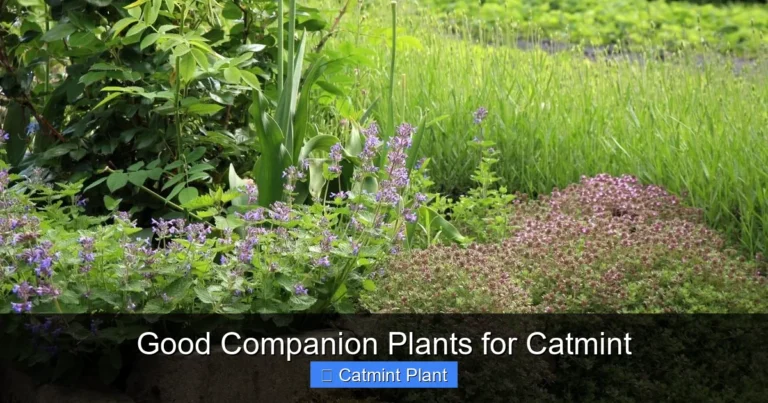
Blue Catmint Plant
The blue catmint plant is a low‑maintenance perennial that blooms with lavender‑blue spikes from early summer to fall. It thrives in full sun, tolerates drought, and draws bees and butterflies to the garden.
The blue catmint plant is a favorite among gardeners who want color without a lot of work. This perennial returns year after year with little fuss. Its aromatic leaves release a pleasant scent when brushed. You will notice the soft gray‑green foliage that forms a neat mound. The blue catmint plant fits well in many garden styles.
I first planted the blue catmint plant in a sunny border and was amazed at how quickly it filled in. The flowers appear in dense spikes that sway in the breeze. Pollinators visit the blooms all day long. The plant also tolerates heat and poor soil. It has become a reliable staple in my landscape.
In this guide you will learn everything you need to grow a healthy blue catmint plant. We cover site selection, planting methods, ongoing care, and design ideas. You will also find tips for solving common problems. By the end you will feel confident adding this beauty to your garden.
Key Takeaways
- Easy to grow: The blue catmint plant thrives in many soils and needs little care.
- Drought tolerant: Once established, the blue catmint plant survives dry spells with minimal watering.
- Pollinator magnet: Bees, butterflies, and hummingbirds love the nectar‑rich flowers of the blue catmint plant.
- Long bloom season: The blue catmint plant flowers from early summer until the first frost.
- Versatile design: Use the blue catmint plant in borders, rock gardens, or containers for a pop of color.
- Low maintenance: The blue catmint plant requires only occasional deadheading and a light trim in early spring.
- Deer resistant: The aromatic foliage of the blue catmint plant keeps browsing deer away.
Quick Answers to Common Questions
What zones does the blue catmint plant grow in?
The blue catmint plant is hardy in USDA zones 3 through 8.
How often should I water the blue catmint plant?
Water regularly during the first season, then only during prolonged dry spells.
Can the blue catmint plant be grown in containers?
Yes, the blue catmint plant thrives in a sunny pot with well‑drained soil.
When is the best time to divide the blue catmint plant?
Early spring or early fall are ideal for dividing the blue catmint plant.
Does the blue catmint plant attract pollinators?
Absolutely, bees, butterflies, and hummingbirds love the blue catmint plant.
📑 Table of Contents
What Is the Blue Catmint Plant?
Botanical Background
The blue catmint plant belongs to the genus Nepeta and the species Nepeta × faassenii. It is a hybrid that combines the best traits of its parents. The plant is a member of the mint family, Lamiaceae. Its leaves are aromatic and slightly fuzzy. The blue catmint plant produces tubular flowers that are a soft lavender‑blue. These flowers appear on upright stems that rise above the foliage.
Because the blue catmint plant is a hybrid, it does not set viable seed in most cases. This means it stays where you plant it and does not spread aggressively. Gardeners appreciate this tidy habit. The plant is hardy in USDA zones 3 through 8. It can survive cold winters and hot summers alike.
Growth Habit
The blue catmint plant forms a low mound that reaches about 12 to 18 inches tall. Its spread can be 18 to 24 inches wide. The stems are square, a classic mint family trait. The foliage stays attractive even when the plant is not in bloom. In winter the leaves may die back but the crown remains alive. New growth emerges early in spring.
You can expect the blue catmint plant to bloom from late spring into early fall. The flower spikes keep coming if you deadhead spent blooms. This long flowering period makes the blue catmint plant a valuable nectar source. The plant also attracts beneficial insects that help control pests.
Varieties and Cultivars
Several cultivars of the blue catmint plant offer subtle differences in flower shade and height. ‘Walker’s Low’ stays compact while ‘Six Hills Giant’ reaches taller stems. Choose a variety that fits your space and design goals.
The blue catmint plant cultivars share the same easy care traits. They all attract pollinators and resist deer. Check local nurseries for the best selection in your region.
Historical Uses
Historically the blue catmint plant was grown for its aromatic leaves in herbal teas. Folk medicine used it to calm nerves and ease digestion. Modern gardeners value it more for ornamental appeal.
Even today the blue catmint plant can be harvested for a mild minty flavor. Use fresh leaves sparingly in salads or drinks. Always confirm identification before consumption.
Ideal Growing Conditions
Sunlight Requirements
The blue catmint plant thrives in full sun. At least six hours of direct light each day produces the best flower display. In very hot climates a little afternoon shade can prevent leaf scorch. Too much shade reduces blooms and makes the plant leggy. Choose a bright spot for the blue catmint plant to shine.

Visual guide about Blue Catmint Plant
Image source: bhg.com
If you only have a partially shaded area, the blue catmint plant will still grow but with fewer flowers. You can compensate by planting it near a reflective surface like a light wall. This trick boosts light levels for the blue catmint plant. Observe the plant and adjust as needed.
Soil Preferences
The blue catmint plant prefers well‑drained soil. Sandy or loamy textures work best. Heavy clay can cause root rot if water sits around the roots. Amend clay with compost or coarse sand to improve drainage. A slightly alkaline to neutral pH around 6.5 to 7.5 is ideal for the blue catmint plant.
Before planting, loosen the soil to a depth of 12 inches. Mix in a handful of organic matter to give the blue catmint plant a good start. Avoid overly rich soil, which can lead to floppy growth. The blue catmint plant likes lean conditions that mimic its native habitat.
Watering Needs
Water the blue catmint plant regularly during the first growing season. This helps establish a deep root system. Once established, the blue catmint plant is drought tolerant. Water only during prolonged dry spells. Overwatering can cause fungal problems.
A good rule is to water deeply but infrequently. Allow the top inch of soil to dry before the next watering. Mulch around the base to retain moisture and keep weeds down. The blue catmint plant will reward you with steady blooms when watered correctly.
Temperature Tolerance
The blue catmint plant handles a wide temperature range from freezing winters to hot summers. Mulch helps protect roots during extreme cold. In scorching heat, provide afternoon shade to reduce stress.
Consistent temperatures promote steady growth for the blue catmint plant. Sudden swings can cause leaf drop. Monitor weather forecasts and adjust care as needed.
Humidity Considerations
Moderate humidity suits the blue catmint plant best. High humidity combined with poor airflow can invite mildew. Space plants and avoid overhead watering to keep foliage dry.
In very dry climates the blue catmint plant still thrives with occasional deep watering. A light mist in the evening can raise humidity around the leaves temporarily.
Planting and Propagation
When to Plant
Spring is the best time to plant the blue catmint plant. The soil has warmed and the risk of frost has passed. You can also plant in early fall in mild climates. Fall planting gives the blue catmint plant time to settle before winter. Avoid planting during extreme heat.
If you buy container‑grown plants, you can transplant them any time the ground is workable. Space each blue catmint plant about 18 inches apart. This spacing allows air flow and reduces disease pressure. Proper spacing also shows off the natural mound shape.
Seed Starting
Although the blue catmint plant rarely produces viable seed, you can try sowing purchased seed. Start seeds indoors 6 to 8 weeks before the last frost. Use a light seed‑starting mix and keep the soil moist. Provide bright light or a grow light for strong seedlings.
Transplant seedlings outdoors after the danger of frost has passed. Harden them off by placing them outside a few hours each day. The blue catmint plant seedlings will quickly catch up to nursery plants. Patience pays off with a healthy stand.
Division Method
Division is the most reliable way to propagate the blue catmint plant. Do this in early spring or early fall. Dig up the clump and gently separate the crowns. Each division should have roots and several shoots.
Replant divisions at the same depth they were growing. Water them in well and mulch. The blue catmint plant divisions establish fast and bloom the same season. Sharing divisions with friends spreads the joy of this plant.
Transplanting Tips
When moving an established blue catmint plant, dig a wide root ball to minimize disturbance. Replant at the same depth and water thoroughly. The plant usually recovers within a few weeks.
Transplant in early spring or fall for the blue catmint plant. Avoid mid‑summer moves when heat stress is high. A temporary shade cloth can ease the transition.
Root Cuttings
Root cuttings offer another way to multiply the blue catmint plant. Take 2‑inch sections in late winter and place them in moist sand. Keep them cool until shoots appear.
This method works well for the blue catmint plant because it roots readily. Transplant the new plants once they have several leaves. Share extras with fellow gardeners.
Care and Maintenance
Deadheading for More Blooms
Deadheading removes spent flower spikes and encourages new buds. Snip the stems just above a leaf node. Do this every few weeks during the bloom season. The blue catmint plant responds with a fresh flush of flowers.
If you prefer a tidy look, you can shear the entire plant back by one‑third after the first major bloom. This rejuvenates the blue catmint plant and often triggers a second heavy flowering. Regular deadheading keeps the plant looking its best.
Fertilizing Tips
The blue catmint plant does not need heavy feeding. A light application of balanced fertilizer in early spring is enough. Too much nitrogen produces lush foliage but fewer flowers. Use a slow‑release granular fertilizer or a thin layer of compost.
If your soil is very poor, a second light feeding in midsummer can help. Always water after fertilizing to prevent root burn. The blue catmint plant thrives on modest nutrition.
Winter Protection
In colder zones the blue catmint plant benefits from a light mulch layer. Apply straw or shredded leaves after the ground freezes. This insulates the crown from freeze‑thaw cycles. Remove the mulch in early spring to allow new growth.
In milder zones the blue catmint plant often stays evergreen. No special protection is needed. Just clean up any dead foliage in late winter. The plant will emerge strong when temperatures rise.
Mulching Strategies
A 2‑inch layer of organic mulch around the blue catmint plant conserves moisture and suppresses weeds. Straw, shredded bark, or leaf mold all work well. Refresh mulch each spring.
Keep mulch a few inches away from the crown of the blue catmint plant to prevent rot. Proper mulching also moderates soil temperature throughout the year.
Pruning for Shape
Light pruning in early spring shapes the blue catmint plant and removes any winter‑damaged stems. Cut back to a healthy bud to encourage bushy growth. Avoid heavy cuts that reduce flowering.
After the first flush, a quick trim keeps the blue catmint plant tidy. This also stimulates a second bloom cycle. Regular shaping maintains a neat mound all season.
Design Ideas and Companion Plants
Border Plantings
The blue catmint plant makes a striking edge for sunny borders. Its soft color contrasts nicely with yellow coreopsis or orange daylilies. Plant the blue catmint plant in drifts of three or more for impact. The repetitive mounds create a rhythm that guides the eye.
Pair the blue catmint plant with ornamental grasses like blue fescue. The fine texture of the grass highlights the blue catmint plant’s flower spikes. This combination works well in cottage‑style gardens.
Rock Garden Use
Because the blue catmint plant tolerates lean soil, it thrives in rock gardens. Tuck it among stones and alpine plants. The aromatic foliage releases scent when brushed by passing feet. The blue catmint plant adds a splash of color to the rocky terrain.
Combine the blue catmint plant with sedums and thymes for a low‑maintenance tapestry. These companions share similar water needs. The result is a drought‑smart garden that looks great all season.
Container Gardening
You can grow the blue catmint plant in pots on a sunny patio. Choose a container at least 12 inches wide with drainage holes. Use a gritty potting mix to mimic its preferred soil. Water when the top inch feels dry.
Feed the container blue catmint plant with a diluted liquid fertilizer once a month. Pinch back stems to keep the plant compact. The blue catmint plant will bloom abundantly even in a pot.
Pollinator Gardens
The blue catmint plant is a star in pollinator gardens because its nectar‑rich flowers bloom for months. Pair it with coneflowers and bee balm for a continuous food source. The mix attracts bees, butterflies, and hummingbirds.
Plant the blue catmint plant in drifts to create a visual and ecological impact. The repeating color guides pollinators through the garden. Your yard becomes a haven for beneficial insects.
Edible Landscape Integration
Because the blue catmint plant has mild minty leaves, it fits into edible landscapes. Use it as a border herb near vegetables to deter pests. The aromatic foliage confuses many insect pests.
Harvest a few leaves from the blue catmint plant for tea or garnish. The plant continues to flower and support pollinators. It’s a functional and beautiful addition to any food garden.
Common Problems and Solutions
Pests
The blue catmint plant is generally pest‑free. Occasionally aphids may appear on new growth. Spray a strong jet of water to dislodge them. Insecticidal soap works if the infestation persists.
Spider mites can show up in hot, dry weather. Increase humidity around the blue catmint plant by misting. Predatory mites are a natural control. Keep the plant well‑watered to discourage mites.
Diseases
Powdery mildew can affect the blue catmint plant in humid, crowded conditions. Space plants for good air flow. Avoid overhead watering. If mildew appears, remove affected leaves and apply a fungicide labeled for ornamentals.
Root rot is a risk in poorly drained soil. Ensure the planting site drains quickly. Amend heavy soil with sand or perlite. The blue catmint plant will stay healthy with proper drainage.
Environmental Stress
Extreme heat can cause leaf scorch on the blue catmint plant. Provide afternoon shade in the hottest climates. Mulch helps keep roots cool. Water deeply during heat waves.
Cold wind may damage the foliage in exposed sites. Plant the blue catmint plant near a windbreak or fence. A layer of mulch also protects the crown. The plant usually recovers quickly in spring.
Nutrient Deficiencies
Yellowing leaves on the blue catmint plant may signal nitrogen deficiency. Apply a balanced fertilizer in early spring to correct it. Avoid over‑fertilizing which can cause weak stems.
If the blue catmint plant shows purple tinges, phosphorus may be low. A bone meal amendment can help. Test soil before adding supplements for best results.
Companion Plant Conflicts
Some vigorous spreaders can outcompete the blue catmint plant for light and water. Avoid planting it next to aggressive mint relatives. Choose well‑behaved companions like lavender or salvia.
Monitor the blue catmint plant when mixed with fast‑growing perennials. Thin neighboring plants if they shade the mound. Good spacing prevents most conflict issues.
Growing the blue catmint plant is a rewarding experience for any gardener. Its long bloom time, low water needs, and pollinator appeal make it a standout perennial. With the tips in this guide you can enjoy a thriving blue catmint plant for years to come.
Remember to give the blue catmint plant plenty of sun, well‑drained soil, and occasional deadheading. Share divisions with friends and watch the beauty spread. Happy planting!
Frequently Asked Questions
Is the blue catmint plant deer resistant?
The aromatic foliage of the blue catmint plant deters deer, making it a good choice for areas with browsing pressure.
How tall does the blue catmint plant get?
The blue catmint plant typically reaches 12 to 18 inches in height and spreads 18 to 24 inches wide.
Can I grow the blue catmint plant from seed?
Most hybrids do not produce viable seed, so propagation by division or nursery plants is recommended for the blue catmint plant.
What fertilizer works best for the blue catmint plant?
A light application of balanced slow‑release fertilizer in early spring is sufficient for the blue catmint plant.
How do I prevent powdery mildew on the blue catmint plant?
Provide good air circulation, avoid overhead watering, and space plants properly to keep the blue catmint plant mildew‑free.
Will the blue catmint plant survive a harsh winter?
With a light mulch layer the blue catmint plant tolerates cold winters in its hardiness range and returns vigorously in spring.