Catmint Perennial Plant
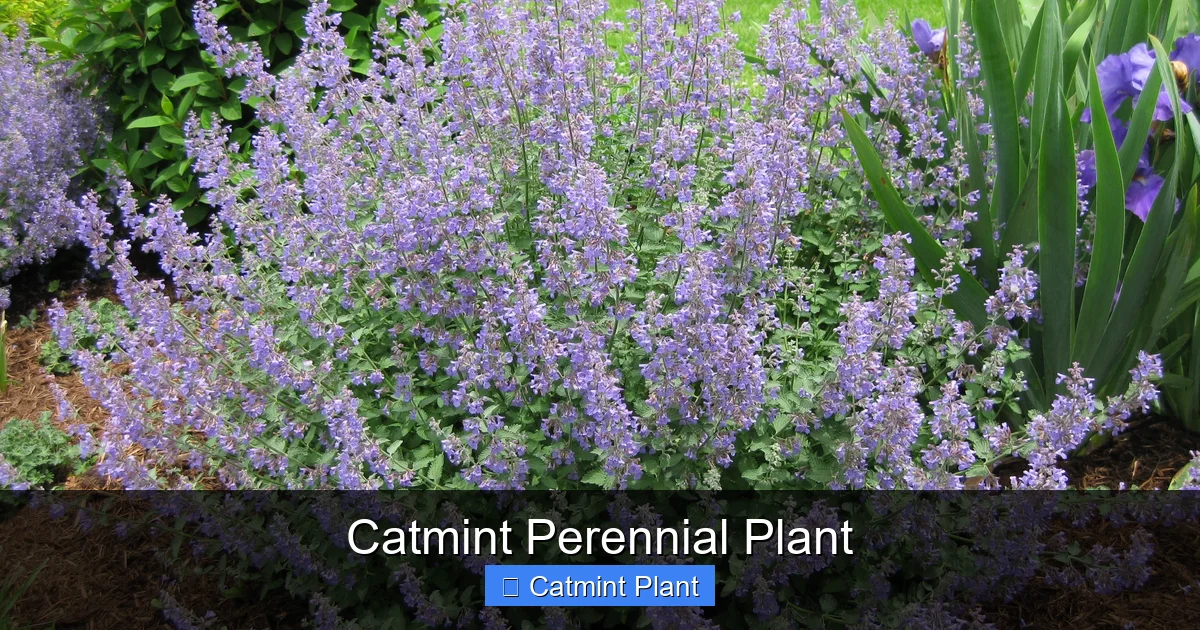
Catmint perennial plant is a low-maintenance, drought-tolerant herb that blooms for months with lavender-blue flowers. It attracts bees and butterflies while resisting deer and rabbits, making it perfect for beginner gardeners.
If you want a plant that gives you months of color, asks for almost nothing in return, and brings life to your garden, let me introduce you to the catmint perennial plant. I discovered this gem years ago when I was struggling with a hot, dry slope in my backyard. Nothing wanted to grow there. Then I planted catmint. Within a season, that slope turned into a wave of soft blue flowers buzzing with bees. It was a game changer.
Catmint, known botanically as Nepeta, belongs to the mint family. But do not let that scare you. Unlike its aggressive cousins spearmint and peppermint, catmint behaves itself. It forms tidy mounds. It does not run underground and pop up in your lawn. It just sits there looking pretty and doing its job. The name comes from the effect it has on cats. Many felines go wild for the scent, rolling in the foliage and purring with delight. But the plant offers so much more than cat entertainment.
Key Takeaways
- Easy to grow: Catmint thrives in full sun and well-drained soil with minimal care once established.
- Long bloom season: Flowers appear from late spring through fall with proper deadheading.
- Pollinator magnet: Bees, butterflies, and hummingbirds love the nectar-rich blooms.
- Deer and rabbit resistant: The aromatic foliage naturally deters common garden pests.
- Versatile design uses: Works in borders, rock gardens, containers, and as ground cover.
- Medicinal and culinary uses: Leaves make calming tea and can flavor dishes like mint.
- Simple propagation: Divide plants in spring or take cuttings in summer for free new plants.
Quick Answers to Common Questions
Does catmint come back every year?
Yes, catmint is a hardy perennial that returns reliably in zones 3 through 8. It dies back to the ground in winter and regrows from the crown in spring.
Will catmint spread aggressively like mint?
No, catmint forms clumps and does not run by underground rhizomes like culinary mint. It may self-sow lightly but is easily controlled.
When should I cut back catmint?
Cut back dead foliage in early spring before new growth emerges. Shear plants by half after the first bloom flush in early summer to encourage rebloom.
Can catmint grow in shade?
Catmint tolerates light shade but becomes leggy and flowers poorly. Full sun (6+ hours) produces the best growth and most blooms.
Is catmint safe for cats to eat?
Yes, catmint is non-toxic to cats. Many cats enjoy rolling in or nibbling the foliage. The effect is temporary and harmless.
📑 Table of Contents
- Getting to Know Catmint Perennial Plant
- Planting Your Catmint Perennial Plant
- Essential Care for Thriving Catmint
- Designing with Catmint Perennial Plant
- Catmint Perennial Plant for Wildlife and Ecology
- Harvesting and Using Catmint
- Troubleshooting Common Catmint Problems
- Propagating More Catmint Plants
- Seasonal Care Calendar
- Conclusion
Getting to Know Catmint Perennial Plant
What Makes Catmint Special
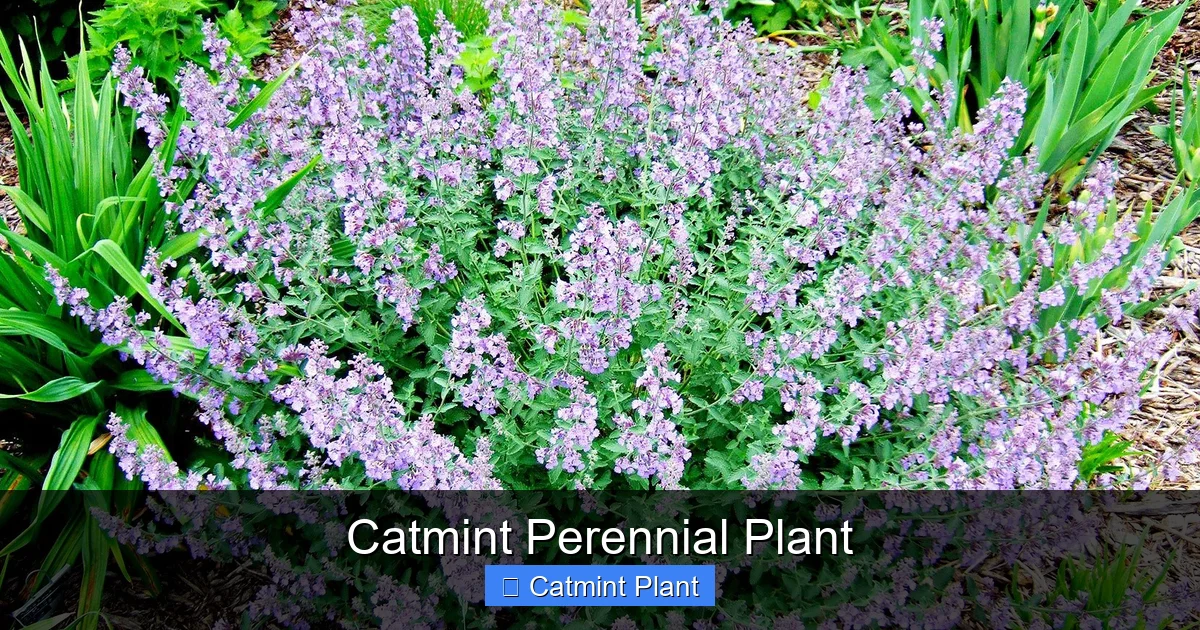
The catmint perennial plant stands out for several reasons. First, the bloom time is incredible. Most perennials flower for two or three weeks. Catmint can bloom from May through October if you treat it right. That is five to six months of color. The flowers are small, tubular, and usually a soft lavender-blue. They grow in loose spikes above the foliage. When a breeze blows, the whole plant dances.
The foliage deserves attention too. The leaves are gray-green, slightly fuzzy, and deeply scalloped. They release a minty, slightly citrusy scent when brushed. This aroma is what repels deer and rabbits. They take one sniff and move on to your hostas instead. The leaves also look good all season. They do not get ratty or diseased like some perennials do in August heat.
Catmint vs Catnip: Know the Difference
People confuse these two all the time. They are cousins. Both belong to the genus Nepeta. Catnip is Nepeta cataria. It is a weedy-looking plant with white flowers. Cats go absolutely crazy for it. Catmint refers to ornamental species like Nepeta x faassenii, Nepeta racemosa, and Nepeta subsessilis. These have showier flowers, better garden manners, and prettier foliage. Cats still like catmint, but usually not with the same frenzy. If you want a pretty garden plant, choose catmint. If you want to grow toys for your cat, grow catnip in a pot.
Popular Catmint Varieties
There are dozens of catmint varieties. Here are the ones you will see most often at nurseries:
- Walker’s Low: Despite the name, this grows 24 to 30 inches tall. It was Perennial Plant of the Year in 2007. Masses of deep lavender-blue flowers. Very reliable.
- Six Hills Giant: Similar to Walker’s Low but larger. Can reach 36 inches. Great for the back of a border.
- Cat’s Meow: A newer compact variety. Only 17 to 20 inches tall. Dense, upright habit. Does not flop.
- Purrsian Blue: Even smaller at 14 to 18 inches. Tight mounding habit. Perfect for containers or edging.
- Junior Walker: A dwarf version of Walker’s Low. 15 to 18 inches. Same great flower power in a smaller package.
- Blue Wonder: Compact with intense blue flowers. About 12 to 15 inches tall.
- Dropmore Blue: An older variety with true blue flowers. 12 to 18 inches. Very cold hardy.
- Nepeta subsessilis: Japanese catmint. Larger leaves, darker green. Prefers more moisture than other types. Great for partial shade.
Planting Your Catmint Perennial Plant
When to Plant
Spring is ideal. The soil is warming up. Rain is usually plentiful. The plant has all season to establish roots before winter. Fall planting works too, especially in zones 6 and warmer. Plant at least six weeks before your first hard frost. This gives roots time to anchor. Summer planting is possible but requires diligent watering. I avoid it unless I have to.
Visual guide about Catmint Perennial Plant
Image source: bhg.com
Choosing the Right Spot
Full sun means at least six hours of direct sun daily. Catmint will survive in part shade, but it gets leggy. The stems stretch toward light. Flower production drops. The plant may flop open in the center. If you have a hot, sunny spot where other plants fry, put catmint there. It loves heat. It also needs good air circulation. Crowded plants develop fungal issues. Space plants according to their mature width. Usually 18 to 30 inches apart depending on variety.
Soil Preparation
Here is the beautiful thing about catmint perennial plant care. It thrives in poor soil. Rich soil makes it floppy and reduces flowering. If your soil is heavy clay, mix in compost and coarse sand or fine gravel to improve drainage. If your soil is sandy, add compost to hold a little moisture. The pH should be neutral to slightly alkaline, around 6.5 to 7.5. Catmint tolerates a wide range. Do not add fertilizer at planting time. It encourages weak growth.
Step-by-Step Planting Guide
- Water the plant in its pot thoroughly an hour before planting.
- Dig a hole twice as wide as the pot and just as deep.
- Gently remove the plant. Loosen any circling roots with your fingers.
- Place the plant in the hole. The crown should sit at soil level.
- Backfill with native soil. Firm gently with your hands.
- Water deeply to settle soil around roots.
- Apply a thin layer of gravel mulch or shredded bark. Keep mulch away from the crown.
Container Planting
Catmint grows beautifully in pots. Choose a container at least 12 inches wide with drainage holes. Use a gritty potting mix. Mix one part perlite or coarse sand to three parts potting soil. Water when the top inch feels dry. Fertilize once in spring with a slow-release balanced fertilizer. Repot every two to three years in spring. Divide the plant at the same time if it is crowded.
Essential Care for Thriving Catmint
Watering Wisdom
New plants need regular water for the first month. Water deeply twice a week unless it rains. Once established, catmint perennial plant is remarkably drought tolerant. The deep taproot finds moisture far below the surface. In my zone 6 garden, I water established catmint maybe three times all summer. Only during extended heat waves. Overwatering causes root rot and floppy growth. If in doubt, wait a day. The leaves will tell you. They droop slightly when truly thirsty.
Fertilizing: Less Is More
Skip the fertilizer. Seriously. Catmint performs best in lean soil. Nitrogen produces lush foliage at the expense of flowers. It also makes stems weak. If your soil is truly terrible, apply a half-inch of compost around the plant in early spring. That is it. No liquid feeds. No granular fertilizers. The plant will thank you with more blooms and stronger stems.
The Chelsea Chop and Deadheading
This is the secret to months of flowers. Around late May or early June, when the first flush of bloom starts to fade, shear the whole plant back by half. Use hedge shears or large scissors. It looks brutal. Do it anyway. In two weeks, you will have a fresh mound of foliage covered in buds. This is called the Chelsea Chop because it coincides with the Chelsea Flower Show in England.
If you do not want to shear the whole plant, deadhead individual spent flower spikes. Cut them back to a leaf node. This encourages side shoots with more flowers. It is more tedious but works. I do the Chelsea Chop on my large clumps. I deadhead the smaller varieties in containers. Both methods work.
Dividing for Vigor
Every three to four years, the center of a catmint clump dies out. You see a ring of growth with a bare middle. This means it is time to divide. Do it in early spring just as new growth appears. Dig up the whole clump. Use a sharp spade or knife to cut it into sections. Each section needs roots and shoots. Replant the healthiest pieces. Discard the woody center. Water well. The divisions will bloom that same year.
Winter Care
In zones 3 through 8, catmint is fully hardy. Leave the dead foliage standing over winter. It protects the crown and provides habitat for beneficial insects. Cut it back to the ground in early spring before new growth starts. In containers, plants are more vulnerable. Move pots to an unheated garage or bury them in the ground for winter. Or treat them as annuals and replace in spring.
Designing with Catmint Perennial Plant
Companion Planting Ideas
Catmint plays well with others. Its soft blue flowers and gray foliage bridge colors beautifully. Here are combinations I love:
- Roses: Classic pairing. Catmint hides the bare knees of rose bushes. The blue contrasts with pink, red, yellow, or white roses. Both like full sun and good drainage.
- Salvia: Perennial salvias like ‘May Night’ or ‘Caradonna’ bloom at the same time. Deep purple spikes next to lavender-blue clouds. Stunning.
- Echinacea: Coneflowers in pink, white, or orange rise above catmint mounds. Different flower shapes create interest.
- Ornamental grasses: Little bluestem, fountain grass, or blue fescue add texture. The grass moves. The catmint billows.
- Yarrow: Flat-topped yarrow flowers in yellow, red, or pink contrast with catmint spikes.
- Alliums: Purple allium globes float above catmint in late spring. Magic.
- Lavender: Similar needs. Similar colors. Lavender is shrubbier. Catmint is herbaceous. They echo each other.
- Sedum: Tall sedum like ‘Autumn Joy’ takes over the show in fall when catmint slows down.
Garden Styles That Suit Catmint
Cottage gardens: Let it self-sow gently among foxgloves, delphiniums, and poppies. The informal habit fits perfectly.
Mediterranean gardens: Pair with lavender, rosemary, thyme, and olive trees. Gravel mulch completes the look.
Pollinator gardens: Essential. Plant in drifts of five or more for maximum bee appeal.
Rock gardens: Compact varieties like ‘Purrsian Blue’ tuck between stones beautifully.
Xeric gardens: Once established, it needs zero supplemental water in many climates.
Border edges: Use low varieties to soften the front of a border. They spill over paths charmingly.
Container combinations: Center a tall grass or canna. Surround with catmint. Trail calibrachoa or verbena over the edge.
Using Catmint as Ground Cover
Space plants 18 inches apart. They will knit together in two seasons. This works best with spreading varieties like ‘Walker’s Low’ or the species Nepeta racemosa. Avoid clumpers like ‘Six Hills Giant’ for ground cover. They stay put. The gray foliage suppresses weeds. The flowers feed pollinators. It is a living mulch that looks intentional.
Catmint Perennial Plant for Wildlife and Ecology
Pollinator Paradise
If you want to help bees, plant catmint. Honeybees, bumblebees, mason bees, leafcutter bees, and tiny sweat bees all visit. Butterflies love it too. Swallowtails, monarchs, painted ladies, and skippers drink the nectar. Hummingbirds stop by for a quick sip. The long bloom season means reliable food from spring through fall. Plant it near your vegetable garden. The pollinators it attracts will boost your tomato, squash, and cucumber yields.
Deer and Rabbit Resistance
The essential oils in catmint foliage repel browsing mammals. Deer may nibble new spring growth if desperate. But they quickly learn to avoid it. Rabbits rarely touch it. This makes catmint invaluable in unfenced gardens. I plant it as a protective ring around more vulnerable plants. The deer walk right past the catmint to get to the roses. Wait. That backfired. Better to interplant. Mix catmint throughout the border. The scent confuses browsers.
Beneficial Insects Beyond Pollinators
Predatory wasps, hoverflies, and tachinid flies visit catmint flowers. Their larvae eat aphids, caterpillars, and other pests. Lacewings lay eggs on the foliage. The plant becomes a mini insectary. This is biological control at its finest. No sprays needed. Just plant diversity.
Catmint and Your Cats
About 50 to 70 percent of cats respond to nepetalactone, the compound in catmint. They sniff, lick, chew, roll, and zone out. The effect lasts 10 to 15 minutes. Then they are immune for an hour or two. It is harmless and non-addictive. Some cats ignore it completely. Kittens under three months usually do not react. If your cat destroys the plant, cage it with chicken wire until established. Or grow a sacrificial pot just for kitty.
Harvesting and Using Catmint
Culinary Uses
Yes, you can eat catmint. The flavor is milder than culinary mint. Think mint with hints of citrus and pine. Use young leaves in salads. Add to fruit salads. Garnish iced tea or cocktails. Make a simple syrup for drinks. Chop into yogurt sauce for lamb. The flowers are edible too. Sprinkle them on cakes or freeze in ice cubes. Harvest in the morning after dew dries. That is when oils are strongest.
Medicinal Traditions
Catmint has a long history in herbal medicine. It is a gentle relaxant. A tea before bed promotes sleep. It eases tension headaches. It soothes upset stomachs and menstrual cramps. It reduces fever by promoting sweating. Native American tribes used it for coughs and colds. European herbalists prescribed it for nervous disorders. Modern research confirms mild sedative and antispasmodic effects. Always consult a healthcare provider before using herbs medicinally. Especially if pregnant, nursing, or on medication.
Making Catmint Tea
Use one tablespoon fresh leaves or one teaspoon dried per cup of boiling water. Steep five to ten minutes. Strain. Add honey if desired. Drink up to three cups daily. For a sleep blend, combine equal parts catmint, chamomile, and lemon balm. Delicious and effective.
Drying and Storing
Cut stems in the morning. Bundle five to eight stems with a rubber band. Hang upside down in a dark, airy place. A closet or garage works. When leaves crumble easily, strip them from stems. Store in a glass jar away from light. Use within a year for best potency. The flowers dry well too. Keep them whole for tea blends.
Troubleshooting Common Catmint Problems
Flopping and Leggy Growth
This is the number one complaint. Causes: too much shade, too much water, too much fertilizer, or overcrowding. Fix: move to full sun. Stop fertilizing. Water less. Divide crowded plants. Do the Chelsea Chop in late spring. Stake early with peony rings or bamboo stakes if needed. Choose compact varieties for small spaces.
Powdery Mildew
White powdery coating on leaves. Happens in humid weather with poor air circulation. Prevention: space plants properly. Water at the base, not overhead. Morning sun dries dew quickly. Treatment: remove affected leaves. Spray with neem oil or potassium bicarbonate. Resistant varieties like ‘Cat’s Meow’ help.
Root Rot
Yellowing leaves, wilting despite wet soil, black mushy roots. Caused by poor drainage or overwatering. Prevention: plant in well-drained soil. Do not mulch heavily against the crown. Water only when dry. Treatment: usually fatal. Dig up, cut away rot, replant in better spot if any healthy roots remain. Better to start fresh.
Aphids and Spider Mites
Rare on catmint. The scent repels them. If they appear, blast with water. Spray insecticidal soap if persistent. Encourage ladybugs and lacewings. They handle it.
Center Die-Out
Woody, dead center with growth only at the edges. Sign of an aging clump. Solution: divide in spring. Discard the woody center. Replant vigorous outer sections.
Winter Kill
In zones 3 and 4, extreme cold without snow cover can kill catmint. Mulch lightly with straw or evergreen boughs after ground freezes. Do not mulch early. It keeps soil warm and prevents hardening off. Remove mulch in early spring.
Propagating More Catmint Plants
Division: The Easiest Method
Spring division yields mature plants fast. Dig the clump. Cut into pieces with a sharp knife or spade. Each piece needs roots and several shoots. Replant immediately. Water well. They barely miss a beat. Do this every three to four years anyway for plant health.
Stem Cuttings
Take cuttings in early summer. Choose non-flowering stems. Cut four to six inches below a leaf node. Strip lower leaves. Dip in rooting hormone if you have it. Stick in moist perlite or sand. Cover with a plastic bag. Place in bright indirect light. Roots form in two to three weeks. Pot up. Grow on for a month. Plant out in fall or next spring.
Growing from Seed
Catmint seeds need light to germinate. Sow indoors six to eight weeks before last frost. Press seeds onto moist seed starting mix. Do not cover. Keep at 70 degrees Fahrenheit. Germination takes seven to twenty days. Transplant seedlings to pots when they have true leaves. Harden off. Plant out after frost. Seed-grown plants vary. Named varieties do not come true from seed. Buy plants for specific cultivars.
Self-Sowing
Some catmint varieties self-sow modestly. ‘Walker’s Low’ rarely does. The species Nepeta racemosa and Nepeta cataria (catnip) self-sow readily. Seedlings are easy to pull or transplant. I let a few grow where they land. Free plants. Free pollinator food.
Seasonal Care Calendar
Early Spring (March-April)
- Cut back dead foliage to ground level.
- Apply thin compost layer if soil is poor.
- Divide overcrowded clumps.
- Plant new purchases.
Late Spring (May-June)
- First flush of bloom begins.
- Perform Chelsea Chop when first flowers fade.
- Watch for powdery mildew in humid weather.
- Stake tall varieties if needed.
Summer (July-August)
- Second bloom cycle after Chelsea Chop.
- Deadhead spent flowers for continued bloom.
- Water only during extreme drought.
- Take cuttings for propagation.
- Harvest leaves for tea and cooking.
Fall (September-October)
- Final bloom flush in many zones.
- Stop deadheading. Let seeds form for birds.
- Plant new divisions.
- Move container plants to protected spot.
Winter (November-February)
- Leave foliage standing for winter interest and crown protection.
- Brush heavy snow off to prevent breakage.
- Plan next year’s garden. Order new varieties.
- Dream of spring.
Conclusion
The catmint perennial plant earns its place in every garden. It asks for sun and drainage. In return, it gives months of blue flowers, fragrant foliage, and a nonstop pollinator show. It resists deer. It tolerates drought. It feeds bees. It makes tea. It calms cats and gardeners alike. Whether you have a sprawling border, a tiny patio pot, or a harsh slope, there is a catmint for you.
Start with one plant. ‘Walker’s Low’ or ‘Cat’s Meow’ are foolproof choices. Watch it grow. Watch the bees arrive. Watch your neighbors ask what that beautiful blue plant is. Then divide it. Share it. Plant more. Your garden will thank you. The pollinators will thank you. And somewhere, a very happy cat will thank you too.
Gardening does not get much easier or more rewarding than this. Plant catmint this spring. You will wonder how you ever gardened without it.
Frequently Asked Questions
What is the difference between catmint and catnip?
Catmint (Nepeta x faassenii and related ornamental species) is grown for its showy lavender-blue flowers and tidy garden habit. Catnip (Nepeta cataria) is a weedy plant with white flowers grown specifically for its intense effect on cats. Both contain nepetalactone, but catnip has much higher concentrations.
How long does catmint bloom?
Catmint blooms from late spring through fall, often 5 to 6 months total. The first flush lasts 3 to 4 weeks. Shearing plants back after this flush (the Chelsea Chop) triggers a second heavy bloom that continues until frost.
Why is my catmint flopping open in the middle?
Flopping is caused by too much shade, overwatering, rich soil, or overcrowding. Catmint needs full sun, lean soil, and good drainage. Divide crowded clumps every 3 to 4 years and perform the Chelsea Chop in late spring to keep plants compact.
Can I grow catmint in containers?
Yes, catmint grows well in containers. Use a pot at least 12 inches wide with drainage holes. Fill with a gritty potting mix (1 part perlite to 3 parts potting soil). Water when the top inch of soil is dry. Fertilize once in spring with slow-release fertilizer.
Does catmint attract bees and butterflies?
Absolutely. Catmint is one of the best pollinator plants. Honeybees, bumblebees, native bees, butterflies, and hummingbirds all visit the nectar-rich flowers. Plant it in drifts of 5 or more for maximum pollinator appeal.
How do I propagate catmint?
The easiest method is division in early spring. Dig up the clump, cut into sections with roots and shoots, and replant. Stem cuttings taken in early summer root in 2 to 3 weeks in moist perlite. Some varieties self-sow lightly.