Buy Catmint Plants
Buy catmint plants from reputable sources to get healthy, fragrant perennials. Choose a variety that matches your climate and enjoy low‑maintenance blooms all summer.
Catmint is a hardy perennial that adds color and fragrance to any garden.
It attracts bees and butterflies while deterring deer.
Many gardeners want to buy catmint plants because they are low maintenance and long blooming.
Key Takeaways
- Choose the right variety: Match the catmint type to your hardiness zone for best performance.
- Inspect roots and foliage: Look for firm white roots and green, spot‑free leaves before you buy catmint plants.
- Buy from trusted sources: Reputable nurseries and well‑reviewed online shops reduce the risk of disease.
- Prepare well‑draining soil: Amend heavy clay with compost to improve drainage and root health.
- Water wisely: Keep soil moist during establishment, then water deeply but infrequently.
- Prune and divide regularly: Cut back after flowering and divide clumps every 3‑4 years to maintain vigor.
Quick Answers to Common Questions
What is the best time to plant catmint?
Early spring after the last frost gives roots time to establish before summer heat.
How often should I water newly planted catmint?
Water daily for the first two weeks, then every other day until established.
Can catmint grow in shade?
It tolerates light shade but blooms best with at least six hours of sun.
Do I need to fertilize catmint?
A light application of compost in spring is usually enough; avoid heavy feeding.
How do I prevent powdery mildew on catmint?
Space plants for air flow, water at the base, and remove affected leaves promptly.
📑 Table of Contents
Understanding Catmint
Catmint belongs to the Nepeta genus.
It is related to catnip but has a milder scent.
The plant forms mounds of gray‑green foliage.
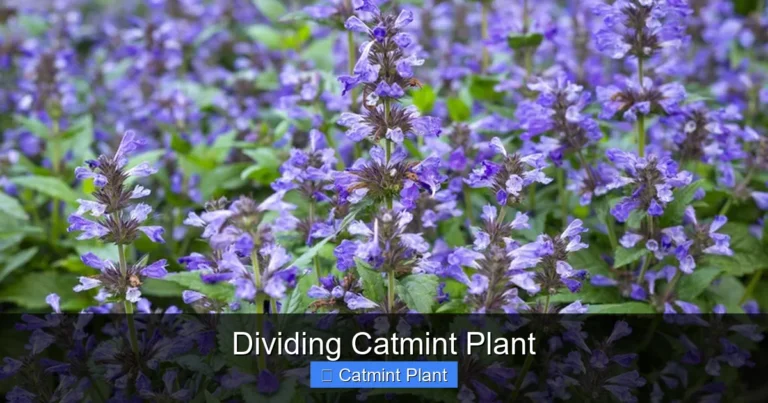
Spikes of lavender, blue, or white flowers appear in early summer.
These flowers can last for weeks if deadheaded.
When you buy catmint plants, you get a perennial that returns each year.
Growth Habit
Catmint grows in a clumping habit.
It reaches 12 to 24 inches tall.
The spread can be 18 to 30 inches wide.
This size makes it ideal for borders and containers.
Compact varieties stay under 12 inches.
Tall types can reach 36 inches in rich soil.
Hardiness Zones
Most varieties thrive in zones 3 to 8.
Check the label before you buy catmint plants to match your zone.
Cold‑hardy types survive harsh winters.
Heat‑tolerant cultivars perform well in zone 9.
Common Uses
Gardeners use catmint for edging, rock gardens, and pollinator beds.
The aromatic leaves can be dried for tea.
It also works well as a companion plant for roses.
Plant it near vegetables to repel pests.
Catmint vs. Catnip
Catnip has a stronger effect on cats.
Catmint offers a gentler aroma and longer bloom time.
Both belong to the same genus but serve different garden roles.
Choose catmint if you want ornamental value with mild cat appeal.
Benefits for Pollinators
Bees love the tubular flowers.
Butterflies visit for nectar throughout summer.
Hummingbirds may stop by in warm climates.
Planting catmint supports a healthy ecosystem.
Top Catmint Varieties to Consider
There are several popular cultivars.
Each offers a slightly different flower color and size.
Knowing the options helps when you buy catmint plants.
Walker’s Low
Walker’s Low is a compact variety.
It grows about 12 inches tall.
The lavender‑blue flowers bloom heavily.
It is a favorite for small spaces.
Deadheading extends the bloom period.
Six Hills Giant
Six Hills Giant reaches up to 30 inches.
It produces large spikes of deep blue flowers.
This variety makes a bold statement in the border.
It tolerates heat better than many others.
Space plants 24 inches apart for best air flow.
Blue Wonder
Blue Wonder offers bright sky‑blue blooms.
It stays around 18 inches tall.
The foliage is especially aromatic.
It works well in cottage gardens.
Prune after first flush for a second show.
Junior Walker
Junior Walker is a dwarf form of Walker’s Low.
It stays under 10 inches.
Perfect for containers or front‑of‑border planting.
Flowers appear early and keep coming.
It is a great choice for patio pots.
Other Notable Varieties
Cat’s Pajamas features pink‑lavender flowers.
Little Trudy stays under 8 inches.
Both are excellent for rock gardens.
Research each before you buy catmint plants.
Choosing the Right Variety for Your Space
Measure the planting area before you buy catmint plants.
Match height and spread to the garden design.
Consider bloom color to complement neighboring plants.
Compact types suit containers; tall types suit back borders.
Color Combinations and Companion Plants
Pair blue catmint with yellow coreopsis for contrast.
Mix lavender catmint with pink echinacea for harmony.
Use white catmint beside dark foliage for drama.
Companion planting improves pest resistance.
Where to Buy Catmint Plants
Finding a reliable source is key.
You can buy catmint plants at local nurseries, garden centers, online retailers, and plant swaps.
Each option has pros and cons.
Local Nurseries
Local nurseries let you inspect the plant before purchase.
Staff can answer questions about care.
Prices may be higher but quality is often better.
Ask if they grow their own stock.
Support local growers when you buy catmint plants.
Garden Centers
Big box garden centers carry a limited selection.
They often stock popular varieties like Walker’s Low.
Check the root ball for firmness before you buy catmint plants.
Sales events can offer good deals.
Look for plants with a healthy green crown.
Online Retailers
Online shops provide a wide range of cultivars.
Read reviews and look for a satisfaction guarantee.
Plants ship bare‑root or in pots.
Choose a seller with fast, insulated shipping.
Track your order after you buy catmint plants online.
Plant Swaps and Community Sales
Plant swaps let gardeners trade divisions.
You can often get rare varieties for free.
Inspect the division for healthy roots.
These events are great for meeting local growers.
Bring a pot and soil when you buy catmint plants at a swap.
Tips for Buying Online
Verify the seller’s return policy before you buy catmint plants.
Look for photos of the actual plants, not stock images.
Check shipping dates to avoid extreme heat or cold.
Choose a retailer that offers a live‑plant guarantee.
What to Look for in a Nursery
Clean, organized aisles indicate good management.
Plants should be watered and free of weeds.
Labels must show variety, zone, and care instructions.
Ask about the nursery’s propagation methods.
Seasonal Availability
Spring is the peak season for fresh stock.
Fall sales often feature discounted perennials.
Winter may require ordering ahead for early spring delivery.
Plan your purchase timeline before you buy catmint plants.
How to Evaluate Plant Quality Before Purchase
Healthy plants establish faster and bloom longer.
Use this checklist when you buy catmint plants.
Root Health
Gently remove the pot to view roots.
White, firm roots indicate vigor.
Brown or mushy roots signal rot.
Avoid plants with circling roots.
Healthy roots mean a strong start.
Foliage Condition
Leaves should be bright green and free of spots.
Yellowing may mean nutrient deficiency.
Check for wilting or dry edges.
Strong stems support abundant flowers.
Clean foliage reduces disease risk.
Pest and Disease Signs
Look for aphids, spider mites, or whiteflies.
Powdery mildew appears as white dust on leaves.
Reject any plant with visible infestation.
Clean foliage reduces future problems.
Quarantine new plants for a week.
Label Information
Read the tag for variety name and hardiness zone.
Confirm the plant matches your climate.
Note the recommended spacing and sun exposure.
Keep the label for future reference.
Accurate labels help when you buy catmint plants later.
Checking for Root‑Bound Plants
Roots that fill the pot tightly are root‑bound.
Root‑bound plants may struggle after transplant.
Gently tease roots apart before planting.
Choose younger, less‑bound specimens when you buy catmint plants.
Assessing Soil Moisture in the Pot
Soil should be evenly moist, not soggy.
Dry soil indicates neglect.
Over‑wet soil can hide root rot.
Feel the soil a few inches down before you buy catmint plants.
Reading Plant Tags for Care Details
Tags list water needs, sun preference, and spacing.
Match tag info to your garden conditions.
Note any special instructions like deadheading.
Save the tag for reference after you buy catmint plants.
Planting and Early Care Tips
Proper planting sets the stage for years of bloom.
Follow these steps after you buy catmint plants.
Site Selection
Choose a spot with full sun to light shade.
At least six hours of direct light is ideal.
Good air circulation helps prevent mildew.
Avoid low‑lying areas that stay wet.
South‑facing beds work well.
Soil Preparation
Loosen the soil to a depth of 12 inches.
Mix in compost or aged manure.
Well‑draining soil prevents root rot.
Test pH; catmint prefers 6.0 to 7.5.
Amend heavy clay with sand and organic matter.
Planting Depth and Spacing
Dig a hole twice as wide as the root ball.
Place the plant so the crown sits level with the soil surface.
Space plants 18 to 24 inches apart.
Backfill and firm gently around the roots.
Water in thoroughly after planting.
Watering Schedule
Water thoroughly after planting.
Keep the soil evenly moist for the first four weeks.
After establishment, water deeply once a week.
Reduce frequency during rainy periods.
Use a soaker hose for efficient irrigation.
Mulching
Apply a two‑inch layer of shredded bark.
Mulch conserves moisture and suppresses weeds.
Keep mulch away from the crown to avoid rot.
Refresh mulch each spring.
Organic mulch adds nutrients over time.
Planting in Containers
Choose a pot at least 12 inches wide.
Use a high‑quality potting mix with perlite.
Ensure drainage holes are clear.
Water container plants more often than ground plants.
Fertilize lightly with a balanced liquid feed monthly.
Planting in Raised Beds
Raised beds improve drainage for catmint.
Fill beds with a mix of loam, compost, and sand.
Space plants as you would in the ground.
Monitor moisture; raised beds dry faster.
Mulch the surface to retain water.
First‑Year Care Calendar
Month 1: water daily, watch for wilting.
Month 2: reduce watering to every other day.
Month 3: begin light feeding with compost tea.
Month 4: deadhead spent blooms to encourage rebloom.
Month 5‑12: maintain regular watering and mulching.
Long‑Term Maintenance and Harvesting
Catmint stays productive with minimal effort.
These practices keep plants vigorous year after year.
Pruning and Deadheading
Cut back spent flower spikes after the first bloom.
This encourages a second flush of flowers.
In late fall, trim foliage to a few inches above ground.
Clean cuts reduce disease risk.
Use sharp shears for clean cuts.
Dividing Clumps
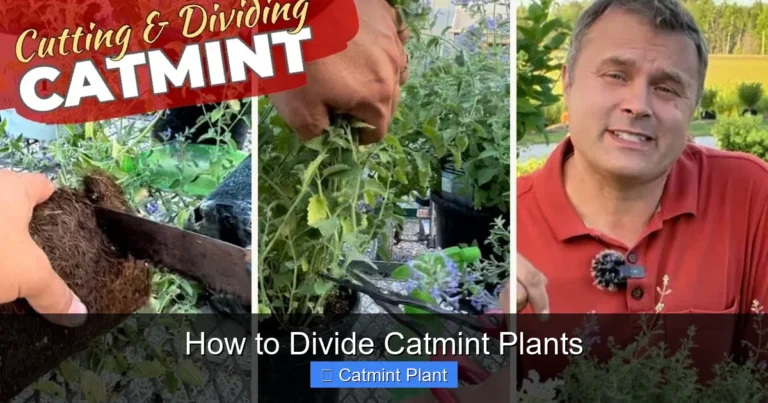
Divide mature clumps every three to four years.
Early spring is the best time.
Use a sharp spade to separate sections.
Replant divisions promptly and water well.
Dividing also gives you extra plants to share.
Pest Management
Catmint is naturally resistant to many pests.
Occasional aphids can be sprayed with water.
Neem oil works for persistent insects.
Monitor regularly for early detection.
Encourage beneficial insects with companion planting.
Harvesting Leaves for Tea
Snip young leaves in the morning.
Dry them in a single layer on a screen.
Store dried leaves in an airtight jar.
Enjoy a calming cup of catmint tea.
Harvest before flowering for best flavor.
Seasonal Pruning Schedule
Early spring: remove dead stems, shape plant.
Mid‑summer: deadhead to prolong bloom.
Late fall: cut back to 4‑6 inches for winter.
Winter: leave mulch in place for insulation.
Repeat each year for consistent performance.
Dividing Step‑by‑Step
Water the clump a day before dividing.
Lift the entire root mass with a fork.
Separate into sections with 3‑5 shoots each.
Trim any damaged roots.
Replant at the same depth, water thoroughly.
Harvesting for Culinary Use
Pick leaves just before flowers open.
Rinse gently and pat dry.
Use fresh in salads or as a garnish.
Dry excess for winter tea blends.
Flavor is minty with a hint of citrus.
Winter Protection
In zones 3‑4, apply a thick straw mulch after ground freezes.
Remove mulch gradually in early spring.
Container plants can be moved to a sheltered spot.
Water sparingly during dormancy.
Check for rodent damage before growth resumes.
With the right variety and a good source, your garden will thrive.
Remember to buy catmint plants from trusted sellers and follow the care steps above.
Enjoy the color, fragrance, and pollinator activity all season long.
Frequently Asked Questions
What soil pH does catmint prefer?
Catmint thrives in slightly acidic to neutral soil, ideally between 6.0 and 7.5.
How tall does catmint grow?
Most varieties reach 12 to 30 inches tall, depending on the cultivar and growing conditions.
Is catmint deer resistant?
Yes, the strong aroma deters deer and rabbits from browsing the foliage.
Can I grow catmint indoors?
Catmint can be grown in a sunny window or under grow lights, but it prefers outdoor conditions.
When should I divide catmint clumps?
Divide in early spring every three to four years to rejuvenate the plant and increase vigor.
What are good companion plants for catmint?
Roses, lavender, salvia, and ornamental grasses pair well and share similar sun and soil needs.