Catmint Plant Turner
Catmint (Nepeta) is a low-maintenance perennial that thrives in sunny gardens with well-drained soil. This guide covers everything from planting and watering to pruning and dividing, helping you grow vibrant, pollinator-friendly catmint that blooms from spring through fall.
Key Takeaways
- Choose the right variety: Select catmint types suited to your climate zone and garden space for best results.
- Plant in full sun: Catmint needs at least six hours of direct sunlight daily for optimal flowering.
- Ensure good drainage: Well-drained soil prevents root rot and keeps plants healthy year-round.
- Water wisely: Established plants are drought-tolerant; water deeply but infrequently.
- Prune for rebloom: Shear plants after the first flush to encourage a second wave of flowers.
- Divide every few years: Regular division maintains vigor and prevents center die-out.
- Attract pollinators: Catmint flowers draw bees, butterflies, and hummingbirds to your garden.
Quick Answers to Common Questions
How much sun does catmint need?
Catmint requires at least six hours of direct sunlight daily for best flowering and compact growth.
When should I cut back catmint?
Shear catmint by half in late spring (Chelsea Chop) and again by one-third after the first bloom fades to encourage rebloom.
Is catmint invasive?
Ornamental catmint varieties are clump-forming and not invasive, unlike some other mint family members that spread by runners.
Can catmint grow in shade?
Catmint tolerates light shade but becomes leggy and produces fewer flowers; full sun is strongly recommended.
How often should I divide catmint?
Divide catmint every three to four years in early spring to maintain vigor and prevent center die-out.
📑 Table of Contents
- Introduction to Catmint Gardening
- Understanding Catmint: What Makes It Special
- Planning Your Catmint Planting
- Planting Catmint Step by Step
- Essential Care for Thriving Catmint
- Pruning and Maintenance for Continuous Blooms
- Dividing and Propagating Catmint
- Designing with Catmint in the Landscape
- Troubleshooting Common Catmint Problems
- Seasonal Catmint Care Calendar
- Catmint for Pollinators and Wildlife
- Harvesting and Using Catmint
- Advanced Tips for Catmint Enthusiasts
- Conclusion
Introduction to Catmint Gardening
If you have ever walked past a garden border buzzing with bees and butterflies, chances are you have seen catmint in full glory. This hardy perennial, known botanically as Nepeta, has earned a loyal following among gardeners for good reason. It offers months of color, requires little fuss, and supports wildlife like few other plants can.
Whether you are a seasoned green thumb or just starting your first flower bed, catmint deserves a spot in your landscape. In this guide, we will walk through every step of growing catmint successfully. From selecting the best variety for your region to mastering the art of pruning for continuous blooms, you will gain the confidence to grow catmint like a pro.
Understanding Catmint: What Makes It Special
The Nepeta Genus at a Glance
Catmint belongs to the mint family, Lamiaceae, which explains its aromatic foliage and square stems. Unlike its cousin catnip (Nepeta cataria), which drives felines wild, most ornamental catmints have a milder effect on cats. They are grown primarily for their lavender-blue flower spikes and gray-green leaves that add texture to the garden.
Popular Catmint Varieties
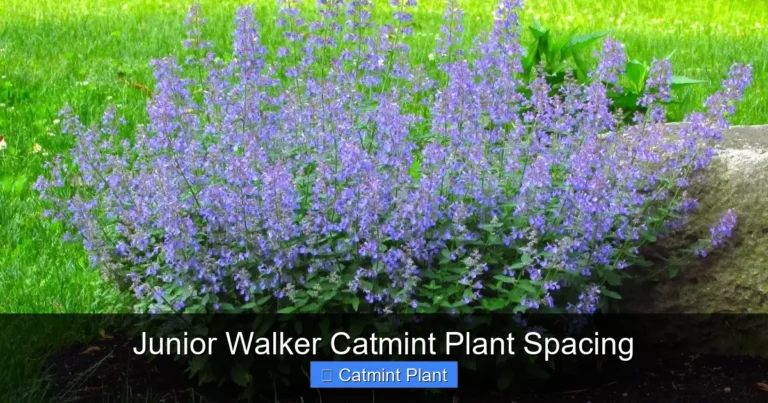
Several cultivars stand out for garden performance. ‘Walker’s Low’ is a classic choice, reaching about two feet tall with a relaxed, mounding habit. ‘Cat’s Meow’ stays more compact and tidy, perfect for smaller spaces. ‘Six Hills Giant’ makes a bold statement at three feet tall, while ‘Junior Walker’ offers a dwarf version of the popular ‘Walker’s Low.’ Each variety shares the same easy-care nature but fits different design needs.
Why Gardeners Love Catmint
Beyond its beauty, catmint solves common garden problems. It thrives in poor soil where other plants struggle. Deer and rabbits typically avoid it due to its pungent scent. Once established, it laughs at drought. And its long bloom season bridges the gap between spring bulbs and summer perennials, keeping the garden colorful when other plants take a break.
Planning Your Catmint Planting
Choosing the Ideal Location
Sunlight is the single most important factor for catmint success. Pick a site that receives at least six hours of direct sun each day. In hotter climates, a little afternoon shade can prevent leaf scorch, but too much shade leads to floppy stems and fewer flowers. Good air circulation also helps prevent fungal issues, so avoid crowding plants against walls or dense shrubs.
Soil Preparation Basics
Catmint is not fussy about soil fertility, but it demands excellent drainage. Heavy clay or soggy low spots spell trouble. Before planting, loosen the soil to a depth of twelve inches. Mix in coarse sand or fine gravel if your soil is dense. A handful of compost improves structure without adding excessive nutrients, which can cause weak, leggy growth.
Spacing for Health and Beauty
Give each plant room to reach its mature width. Most varieties need eighteen to twenty-four inches between centers. Proper spacing allows air to flow through the foliage, reducing humidity that encourages powdery mildew. It also lets the natural mound shape develop fully, creating a more attractive display.
Planting Catmint Step by Step
When to Plant
Spring and early fall are the best planting windows. Spring planting gives roots time to establish before summer heat. Fall planting works well in zones five and warmer, provided you plant at least six weeks before the ground freezes. Avoid planting during the hottest weeks of summer unless you can provide consistent moisture.
Planting Technique
Dig a hole twice as wide as the root ball but no deeper. Gently loosen any circling roots. Place the plant so the crown sits level with the soil surface. Backfill with the amended soil, firming gently to eliminate air pockets. Water thoroughly to settle the soil around the roots. Apply a thin layer of mulch, keeping it away from the crown to prevent rot.
Container Planting Options
Catmint adapts well to pots, making it versatile for patios and balconies. Choose a container at least twelve inches wide with drainage holes. Use a gritty potting mix designed for succulents or Mediterranean herbs. Container plants need more frequent watering and occasional feeding, but they reward you with portable color.
Essential Care for Thriving Catmint
Watering Wisdom
Newly planted catmint needs regular moisture for the first month. Water deeply two to three times per week, allowing the top inch of soil to dry between sessions. Once established, catmint becomes remarkably drought-tolerant. In most regions, rainfall alone suffices. During extended dry spells, a deep soak every two weeks keeps plants looking fresh.
Fertilizing: Less Is More
Resist the urge to feed heavily. Rich soil produces lush foliage at the expense of flowers and can make stems flop. A light application of balanced, slow-release fertilizer in early spring is plenty. Alternatively, top-dress with an inch of compost each spring. Skip fertilizer entirely if your soil is already decent.
Mulching for Moisture and Weed Control
A one- to two-inch layer of organic mulch conserves moisture and suppresses weeds. Shredded bark, pine straw, or leaf mold work well. Keep mulch pulled back from the plant crown by a couple of inches. This prevents excess moisture from causing crown rot, especially during wet winters.
Pruning and Maintenance for Continuous Blooms
The Chelsea Chop Technique
In late spring, when stems are about twelve inches tall, shear the entire plant back by half. This “Chelsea Chop” delays flowering slightly but produces bushier growth and more flower spikes. It also prevents the center from opening up and looking bare. Use clean hedge shears or sharp pruners for a quick, even cut.
Deadheading for Rebloom
After the first major flush fades, typically in early summer, cut the whole plant back by one-third to one-half. This radical haircut looks drastic but stimulates a fresh wave of growth and flowers within weeks. Water well after shearing to support rapid regrowth. You will enjoy a second bloom period lasting into fall.
Fall and Winter Cleanup
In cold climates, leave the spent foliage standing over winter. It insulates the crown and provides habitat for beneficial insects. Cut back to the ground in early spring before new growth emerges. In milder zones, you can trim ragged foliage anytime to keep plants tidy.
Dividing and Propagating Catmint
When and Why to Divide
Every three to four years, catmint clumps benefit from division. Signs include reduced flowering, a dead center, or the plant outgrowing its space. Division rejuvenates the plant and gives you free plants to expand your garden or share with friends.
Division Step by Step
Early spring is the ideal time. Dig up the entire clump, preserving as many roots as possible. Shake off excess soil. Using a sharp spade or knife, cut the clump into sections, each with healthy roots and several shoots. Discard the woody center. Replant divisions immediately at the same depth, water well, and mulch.
Other Propagation Methods
Catmint also roots easily from softwood cuttings taken in late spring. Snip four- to six-inch stem tips, remove lower leaves, and insert into moist perlite or sand. Cover with a plastic bag to maintain humidity. Roots form in two to three weeks. Seed propagation is possible but cultivars will not come true from seed.
Designing with Catmint in the Landscape
Companion Planting Ideas
Catmint’s soft blue flowers and gray foliage pair beautifully with many perennials. Plant it alongside roses to hide their bare knees and deter pests. Combine with yellow-flowered plants like coreopsis or yarrow for a classic color contrast. Ornamental grasses add texture and movement. Salvias, coneflowers, and black-eyed Susans extend the bloom season in a pollinator garden.
Using Catmint as Edging and Groundcover
Low-growing varieties make excellent edging along paths and borders. Their billowing habit softens hard lines. Plant them eighteen inches apart for a continuous hedge effect. On slopes, catmint’s fibrous roots help stabilize soil while providing erosion control with style.
Container Combinations
In pots, catmint plays well with other sun-loving, drought-tolerant plants. Try it with lavender, thyme, and sedum for a Mediterranean theme. Or pair with annuals like petunias and verbena for nonstop color. Ensure all companions share similar water and light needs.
Troubleshooting Common Catmint Problems
Pest Issues
Catmint is largely pest-free. Aphids occasionally cluster on new growth but rarely cause serious damage. A strong spray of water or insecticidal soap handles them. Spider mites may appear during hot, dry weather; increase humidity and spray foliage regularly to discourage them.
Disease Concerns
Powdery mildew is the most common fungal issue, especially in humid climates or crowded plantings. It appears as a white coating on leaves. Prevent it by spacing plants properly, watering at the base, and choosing resistant varieties. If mildew appears, remove affected leaves and improve air circulation.
Cultural Problems
Floppy stems usually indicate too much shade, overwatering, or excessive fertilizer. Move the plant to a sunnier spot, cut back on water and feed, and consider the Chelsea Chop next spring. Yellowing leaves often signal poor drainage. Amend soil or relocate the plant to a raised bed.
Seasonal Catmint Care Calendar
Spring Tasks
Cut back old growth to the ground. Apply a light compost top-dressing. Divide overcrowded clumps. Plant new additions. Watch for early aphids on tender shoots.
Summer Maintenance
Perform the Chelsea Chop in late spring. Deadhead after first bloom. Water during prolonged drought. Monitor for spider mites in heat. Enjoy the pollinator show.
Fall Preparations
Stop fertilizing. Reduce watering as temperatures drop. Leave foliage for winter protection. Collect seeds if desired, though cultivars will not breed true.
Winter Protection
In zones three and four, apply a loose mulch of straw or evergreen boughs after the ground freezes. This prevents freeze-thaw cycles from heaving plants. Remove mulch gradually in early spring.
Catmint for Pollinators and Wildlife
A Magnet for Beneficial Insects
Catmint flowers produce abundant nectar that attracts a diverse array of pollinators. Honeybees, bumblebees, native solitary bees, butterflies, and hoverflies all visit regularly. Hummingbirds also sip from the tubular blooms. Planting catmint supports these crucial garden allies throughout the growing season.
Deer and Rabbit Resistance
The strong essential oils in catmint foliage make it unpalatable to most browsing mammals. While no plant is completely deer-proof, catmint ranks among the most reliable choices for areas with high deer pressure. This resistance extends to rabbits and groundhogs as well.
Creating a Pollinator Corridor
Plant catmint in drifts rather than single specimens to maximize its wildlife value. Combine with other nectar-rich perennials that bloom in succession. Provide a shallow water source and avoid pesticides. Your garden becomes a haven that supports biodiversity far beyond its borders.
Harvesting and Using Catmint
Cut Flowers for Bouquets
Catmint stems add a lovely, airy touch to informal arrangements. Cut stems when about half the flowers on a spike are open. Strip lower leaves and place in water immediately. They last five to seven days. The subtle fragrance adds a pleasant herbal note to mixed bouquets.
Drying for Crafts and Sachets
Harvest stems just before full bloom for the best color retention. Hang small bundles upside down in a dark, well-ventilated area. Once crisp, strip flowers and leaves for potpourri, sachets, or herbal pillows. The scent repels moths naturally.
Culinary and Herbal Uses
While not as potent as culinary mint, catmint leaves can flavor teas, salads, and desserts. Use sparingly as the flavor is strong. Traditionally, catmint tea has been used as a mild relaxant and digestive aid. Always verify plant identification and consult reliable sources before consuming any herb medicinally.
Advanced Tips for Catmint Enthusiasts
Growing Catmint from Seed
Species catmint (Nepeta mussinii) grows true from seed. Start indoors six to eight weeks before the last frost. Surface-sow on moist seed-starting mix; light aids germination. Transplant seedlings after hardening off. Expect flowers the first year from early sowings.
Overwintering Container Plants
In cold zones, move pots to an unheated garage or shed once dormant. Water sparingly, just enough to prevent the soil from becoming bone dry. Alternatively, sink the pot into the ground and mulch heavily. Bring back out in spring after hard freeze danger passes.
Breeding Your Own Selections
Adventurous gardeners can cross-pollinate different catmint varieties. Transfer pollen with a small brush. Collect and sow seeds from the resulting pods. Evaluate seedlings for unique traits. It takes several years to stabilize a new selection, but the process is rewarding.
Conclusion
Catmint truly earns its place as a garden workhorse. With minimal input, it delivers maximum impact: months of color, a haven for pollinators, and a carefree attitude that fits busy lifestyles. By following the planting, care, and maintenance practices outlined here, you will enjoy healthy, floriferous catmint for years to come.
Remember the keys to success: full sun, sharp drainage, strategic pruning, and occasional division. Whether you tuck a single plant into a sunny corner or plant a sweeping drift along a walkway, catmint will reward you with beauty and life. So grab your trowel, pick your favorite variety, and start growing. Your garden—and the bees—will thank you.
Frequently Asked Questions
What is the difference between catmint and catnip?
Catmint (Nepeta x faassenii and other ornamental species) is grown for its flowers and foliage, while catnip (Nepeta cataria) is grown for its intense effect on cats. Catmint has a milder attraction for felines.
Why is my catmint flopping over?
Flopping usually results from too much shade, overwatering, rich soil, or lack of pruning. Ensure full sun, lean soil, and perform the Chelsea Chop in late spring for sturdier stems.
Can I grow catmint in a container?
Yes, catmint grows well in containers at least twelve inches wide with drainage holes. Use a gritty potting mix and water more frequently than in-ground plants.
Does catmint come back every year?
Catmint is a hardy perennial in USDA zones 3-8. It dies back in winter and returns from the roots each spring, often larger than the previous year.
What plants go well with catmint?
Excellent companions include roses, salvias, coneflowers, yarrow, coreopsis, ornamental grasses, and lavender. All share similar sun and drainage requirements.
How do I prevent powdery mildew on catmint?
Space plants for good air circulation, water at the base rather than overhead, choose resistant varieties, and avoid excessive nitrogen fertilizer that promotes soft growth.