How to Maintain Catmint Plant
Catmint plant care is simple once you understand its basic needs: full sun, well-drained soil, and minimal fertilizer. Regular deadheading encourages repeat blooms, while a hard cutback in early spring keeps plants compact and vigorous. With proper maintenance, your catmint plant will reward you with months of lavender-blue flowers and aromatic foliage that pollinators love.
If you have ever walked past a garden border buzzing with bees and butterflies, chances are you were admiring a catmint plant in full glory. This perennial favorite, known botanically as Nepeta, has earned its place in countless gardens for good reason. It blooms for months, asks for little, and fills the air with a minty fragrance that delights humans and drives cats into a playful frenzy. But even low-maintenance plants benefit from a little know-how. Understanding how to maintain catmint plant properly means the difference between a tidy mound of color and a sprawling, woody mess.
I have grown catmint for years, and I have made every mistake in the book. I have planted it in too much shade. I have overwatered it. I have forgotten to prune it until it flopped open like a bad haircut. Each misstep taught me something. Now I want to share what works so you can skip the trial and error. Whether you are planting your first catmint plant or trying to revive an older clump, this guide covers everything you need to know. Let us dig in.
Key Takeaways
- Sun and Soil: Catmint plant thrives in full sun with well-drained soil; avoid wet feet to prevent root rot.
- Water Wisely: Water deeply but infrequently once established; drought tolerance is a key trait.
- Prune for Shape: Cut back by half after first flush; shear to ground in early spring for fresh growth.
- Deadhead Regularly: Remove spent flowers to promote continuous blooming through summer.
- Divide Every Few Years: Split clumps every 3-4 years in spring or fall to maintain vigor.
- Minimal Fertilizer: Too much nitrogen creates floppy growth; a light compost top-dressing suffices.
- Pest Resistant: Naturally repels deer and rabbits; watch for spider mites in hot, dry conditions.
Quick Answers to Common Questions
How often should I water my catmint plant?
Water new plants two to three times weekly for the first month. Established plants need water only during extended drought, about once every two to three weeks.
When is the best time to prune catmint plant?
Cut back hard in early spring as new growth emerges. Shear by one-third after the first bloom fades in early summer for a second flush.
Does catmint plant spread aggressively?
Ornamental catmint varieties form clumps and do not run. True catnip self-seeds heavily. Deadhead ornamental types to prevent any seedlings.
Why is my catmint plant flopping open in the middle?
Flopping usually means too much shade, water, or fertilizer, or missed spring pruning. Shear hard and correct the growing conditions.
Can I grow catmint plant in a container?
Yes, use a twelve-inch pot with gritty, well-drained mix. Water more frequently than in-ground plants. Repot every two to three years.
📑 Table of Contents
- Getting to Know Your Catmint Plant
- Planting Your Catmint Plant for Success
- Watering and Feeding Your Catmint Plant
- Pruning and Deadheading Your Catmint Plant
- Managing Pests and Diseases on Your Catmint Plant
- Seasonal Care for Your Catmint Plant
- Dividing and Propagating Your Catmint Plant
- Designing with Catmint Plant in the Garden
- Troubleshooting Common Catmint Plant Problems
- Conclusion
Getting to Know Your Catmint Plant
What Makes Catmint Special
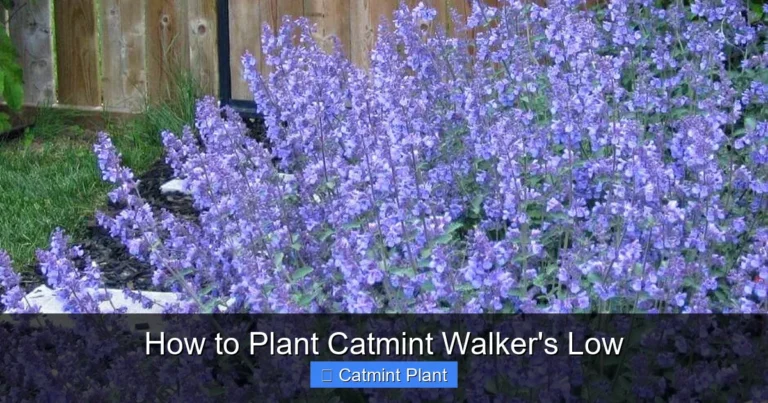
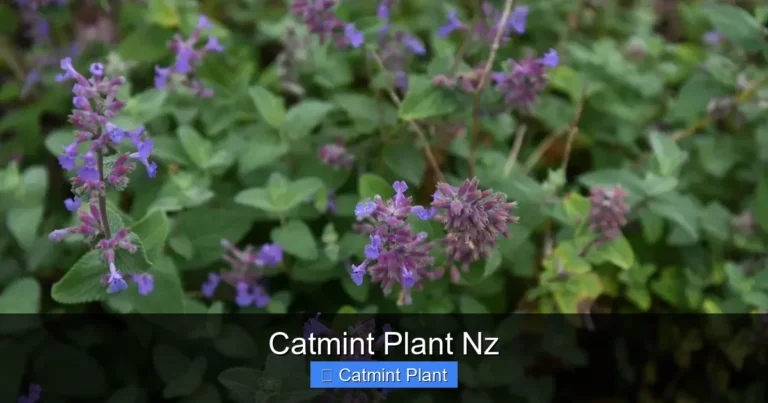
The catmint plant belongs to the mint family, Lamiaceae. You can tell by the square stems and aromatic leaves. But unlike its aggressive cousins spearmint and peppermint, catmint behaves itself. It forms neat clumps rather than running underground. Most varieties grow eighteen to thirty inches tall and wide. They produce spikes of small, tubular flowers in shades of lavender, blue, pink, or white. The bloom season stretches from late spring through early fall with proper care.
Pollinators adore catmint. Bees, butterflies, and hummingbirds visit daily. Deer and rabbits usually leave it alone thanks to the strong scent. That scent comes from nepetalactone, the same compound that sends cats into euphoria. If you have outdoor cats, expect them to roll in your catmint plant. Some gardeners plant a sacrificial clump just for the cats and protect the display plants with a low fence.
Popular Varieties to Consider
Not all catmint is created equal. Nepeta x faassenii ‘Walker’s Low’ is the classic choice. It was named Perennial Plant of the Year in 2007. Despite the name, it grows twenty-four to thirty inches tall. ‘Cat’s Meow’ and ‘Cat’s Pajamas’ are newer, more compact introductions that stay under twenty inches. ‘Six Hills Giant’ reaches three feet and makes a bold statement. For something different, try ‘Pink Cat’ with soft pink flowers or ‘White Wonder’ for pure white spikes. All share the same basic care needs.
Understanding the Growth Cycle
A catmint plant emerges in early spring as a fountain of gray-green foliage. Flower spikes appear in late spring to early summer. After the first heavy bloom, the plant often looks tired. This is normal. With deadheading or shearing, a second flush arrives in midsummer. A third, lighter bloom may follow in early fall. In winter, the top growth dies back in cold climates. The crown survives underground. New shoots appear from the base in spring. Knowing this cycle helps you time maintenance tasks perfectly.
Planting Your Catmint Plant for Success
Choosing the Right Location
Sun is non-negotiable. A catmint plant needs at least six hours of direct sunlight daily. Eight hours is even better. In hot southern climates, a touch of afternoon shade prevents leaf scorch. Too much shade leads to leggy stems, fewer flowers, and increased disease risk. Pick a spot with good air circulation. Crowded conditions invite fungal problems like powdery mildew.
Soil Preparation Tips
Catmint tolerates poor soil but thrives in lean, well-drained conditions. Heavy clay is a death sentence unless amended. Before planting, loosen the soil twelve to eighteen inches deep. Mix in coarse sand or fine gravel if drainage is questionable. Add a handful of compost for a gentle nutrient boost. Avoid rich manure or high-nitrogen fertilizers. They produce lush foliage at the expense of flowers and stem strength. A slightly alkaline to neutral pH between 6.5 and 7.5 is ideal.
Spacing and Planting Technique
Space plants eighteen to twenty-four inches apart depending on the variety’s mature width. Dig a hole twice as wide as the root ball but no deeper. Remove the catmint plant from its pot. Gently tease circling roots. Place the plant so the crown sits level with the soil surface. Backfill with native soil. Firm gently. Water thoroughly to settle soil around roots. Apply a thin layer of gravel mulch or shredded bark. Keep mulch away from the crown to prevent rot.
Container Growing Considerations
You can grow a catmint plant in a pot. Choose a container at least twelve inches wide and deep. Ensure drainage holes. Use a gritty potting mix designed for succulents or herbs. Add perlite or pumice for extra drainage. Container plants need more frequent watering than in-ground ones. Fertilize sparingly with a balanced, slow-release formula in spring. Repot every two to three years as the plant fills the container.
Watering and Feeding Your Catmint Plant
Establishing New Plants
Newly planted catmint needs consistent moisture for the first four to six weeks. Water deeply two to three times per week depending on weather. The goal is to encourage roots to grow downward. Shallow, frequent watering creates shallow roots. Check soil moisture by sticking your finger two inches down. If it feels dry, water. If moist, wait. After the establishment period, your catmint plant becomes remarkably drought tolerant.
Watering Mature Plants
Established catmint rarely needs supplemental water. In most regions, rainfall suffices. During extended drought, water deeply once every two to three weeks. Apply water at the base, not overhead. Wet foliage promotes disease. A soaker hose or drip irrigation works perfectly. Signs of overwatering include yellowing leaves, soft stems, and a general lack of vigor. Signs of underwatering are wilted leaves that perk up after watering. When in doubt, err on the dry side.
Fertilizer Philosophy Less Is More
One of the biggest mistakes gardeners make is overfeeding their catmint plant. This plant evolved in lean, rocky soils. Rich soil makes it floppy and flower-shy. If your soil is decent, skip fertilizer entirely. If growth seems weak, apply a one-inch layer of compost around the base in early spring. That is all it needs. Avoid liquid fertilizers high in nitrogen. They produce a jungle of leaves and few blooms. A light hand keeps plants compact and floriferous.
Mulching for Moisture Retention
Mulch helps regulate soil temperature and conserve moisture. But choose wisely. Organic mulches like wood chips hold moisture against the crown. This can cause rot in humid climates. Gravel, pea stone, or crushed shells are better choices. They reflect heat, improve drainage, and look attractive. Apply a one-inch layer. Keep it two inches away from the stem. Refresh annually as it settles.
Pruning and Deadheading Your Catmint Plant
Why Pruning Matters
Without pruning, a catmint plant becomes woody at the center. Stems splay outward. The plant loses its neat mound shape. Flowers diminish. Pruning stimulates fresh growth from the base. It keeps the plant dense, floriferous, and attractive. Think of it as a haircut that promotes health, not just looks. Regular maintenance pruning prevents the need for drastic renovation later.
Spring Cutback The Most Important Cut
In early spring, just as new growth appears at the base, cut the entire catmint plant back to four to six inches above ground. Use clean, sharp shears. Remove all dead stems from the previous year. This hard pruning forces vigorous new shoots. It prevents the hollow center syndrome common in older plants. Do not be timid. The plant will bounce back quickly and reward you with a tighter form and more flowers.
Midseason Shearing for Rebloom
After the first heavy flush fades, usually in early July, the plant looks ragged. Spent flower spikes turn brown. Foliage may look tired. Shear the whole plant back by one-third to one-half. This midseason haircut removes seed heads and stimulates a fresh wave of growth and flowers. Water well after shearing. Within two weeks, new buds appear. You get a second show that lasts into fall. Some gardeners shear halfway through the first bloom to stagger the display.
Deadheading Individual Spikes
If you prefer a less drastic approach, deadhead individual spent spikes. Snip each flower stalk back to a leaf node or side shoot. This is more time-consuming but preserves the plant’s natural shape. It works well for smaller plantings. For large drifts, shearing is faster. Either method prevents the catmint plant from putting energy into seed production. Energy redirects to new flowers and root growth.
Fall Cleanup Decisions
In cold climates, leave the foliage standing through winter. The dead stems protect the crown from freeze-thaw cycles. They also provide habitat for beneficial insects. Cut back in early spring. In mild climates where the plant stays semi-evergreen, you can tidy up in late fall. Remove any diseased foliage regardless of season. Dispose of it, do not compost.
Managing Pests and Diseases on Your Catmint Plant
Common Insect Visitors
Catmint is remarkably pest-resistant. The aromatic oils deter most herbivores. However, spider mites can appear during hot, dry spells. Look for stippled leaves and fine webbing on leaf undersides. Blast plants with a strong jet of water every few days to dislodge mites. Insecticidal soap works for heavy infestations. Aphids occasionally cluster on new growth. They rarely cause serious damage. Ladybugs and lacewings usually handle them. If needed, spray with neem oil or horticultural oil.
Fungal Issues and Prevention
Powdery mildew is the most common disease. It appears as a white, powdery coating on leaves. It thrives in humid conditions with poor air circulation. Prevent it by spacing plants properly. Water at soil level. Choose resistant varieties like ‘Walker’s Low’. If mildew appears, remove affected leaves. Apply a homemade spray of one tablespoon baking soda, one teaspoon horticultural oil, and one gallon water. Copper fungicides work for severe cases.
Root Rot Warning Signs
Root rot kills more catmint plant specimens than anything else. It happens in poorly drained soil or with excessive watering. Symptoms include wilting despite moist soil, yellowing leaves, and blackened, mushy roots. If caught early, dig the plant, trim rotted roots, and replant in improved soil. Often, the plant is too far gone. Prevention through proper site selection and watering is far easier than cure.
Deer, Rabbits, and Cats
Deer and rabbits rarely browse catmint. The strong scent repels them. This makes it an excellent border plant for vulnerable gardens. Cats are another story. They love to roll, chew, and nap on catmint plant foliage. Young plants can be flattened. Protect new plantings with a cylinder of chicken wire or a decorative cloche until established. Once woody stems develop, cats do less damage. Some gardeners accept cat damage as the price of admission.
Seasonal Care for Your Catmint Plant
Spring Awakening
As temperatures warm, watch for new shoots at the base. This is your cue for the hard spring cutback. Remove winter mulch if you used any. Apply a thin layer of compost around the crown. Check for heaved plants. Freeze-thaw cycles can push crowns above soil level. Gently firm them back down. Water if spring is dry. Divide overcrowded clumps now if needed.
Summer Maintenance Routine
Summer is showtime. Deadhead or shear after the first bloom. Monitor for spider mites during heat waves. Water deeply during drought. Enjoy the pollinator parade. Take photos. Share bouquets. Catmint stems last five to seven days in a vase. Cut stems in the morning when fully hydrated. Remove lower leaves. Place in cool water immediately.
Fall Preparation
Stop deadheading in early fall. Let the last flowers set seed if you want self-sown seedlings. Or shear to tidy up. In cold zones, apply a light mulch of straw or shredded leaves after the ground freezes. This prevents heaving. Do not mulch too early. Wait for frozen soil. In warm zones, no winter protection is needed. The catmint plant may stay green all winter.
Winter Dormancy
There is little to do in winter. The plant rests. Avoid walking on frozen crowns. If heavy snow bends stems, leave them. They provide insulation. Brush off ice gently if needed. Plan next year’s garden. Order new varieties. Dream of spring.
Dividing and Propagating Your Catmint Plant
When and Why to Divide
Every three to four years, the center of a catmint plant dies out. The clump becomes a ring with a hollow middle. Flowering declines. Stems flop. This signals division time. Spring is best, just as growth emerges. Fall works too, at least six weeks before frost. Division rejuvenates the plant. It also gives you free plants for elsewhere or to share.
Step-by-Step Division Process
Water the plant deeply the day before. Cut foliage back to six inches. Dig around the clump twelve inches out. Lift the entire root ball. Shake off excess soil. Use a sharp spade or knife to cut the clump into sections. Each division needs three to five healthy shoots and a good root mass. Discard the woody center. Replant divisions immediately at the same depth. Water well. Mulch lightly. Keep moist for a few weeks.
Growing from Cuttings
Softwood cuttings root easily in late spring. Take four-inch tip cuttings from non-flowering shoots. Strip lower leaves. Dip in rooting hormone if desired. Insert into moist perlite or sand. Cover with a plastic bag. Place in bright, indirect light. Roots form in two to three weeks. Pot up and grow on. This method produces exact clones of your favorite catmint plant.
Seed Propagation Notes
Catmint self-sows modestly. Seedlings appear near the parent. They may not come true from hybrid varieties. Species types like Nepeta cataria (true catnip) seed aggressively. If you want to control spread, deadhead before seeds mature. To grow from seed intentionally, sow indoors six to eight weeks before last frost. Barely cover seeds. They need light to germinate. Transplant after frost danger passes.
Designing with Catmint Plant in the Garden
Companion Planting Ideas
The soft lavender-blue of most catmint pairs beautifully with many perennials. Roses are a classic combo. Catmint hides bare rose canes. Its scent may deter aphids. Yellow flowers like coreopsis, yarrow, or daylilies create cheerful contrast. Purple coneflower, salvia, and Russian sage echo the cool tones. Ornamental grasses add texture. Plant catmint at the front of borders. It softens hard edges.
Using Catmint as Edging
A row of catmint plant along a path releases fragrance when brushed. It defines the edge softly. Choose compact varieties like ‘Cat’s Pajamas’ for narrow beds. Space plants fifteen inches apart for a continuous hedge. Shear once after spring bloom to maintain height. The effect is romantic and practical.
Rock Gardens and Slopes
Catmint excels in rock gardens and on sunny slopes. Its drought tolerance and sprawling habit suit these tough spots. The roots stabilize soil. The flowers cascade over stones. Plant among sedums, thymes, and dwarf conifers. Ensure sharp drainage. A catmint plant in a rock garden needs almost zero maintenance once established.
Pollinator and Herb Gardens
No pollinator garden is complete without catmint. It bridges the gap between spring and summer blooms. Bees work the flowers all day. Butterflies perch on the spikes. Hummingbirds dart between stems. In an herb garden, catmint fits right in. Its minty foliage complements lavender, thyme, oregano, and sage. Just remember it is not culinary mint. Do not brew tea from ornamental catmint.
Troubleshooting Common Catmint Plant Problems
Floppy Stems and Open Centers
If your catmint plant flops open by midsummer, it usually means too much shade, too much water, too much fertilizer, or skipped pruning. Fix the cultural issue. Then shear hard. The plant will regrow tighter. Staking is a band-aid. Proper care prevents the problem. Some varieties are naturally more upright. ‘Walker’s Low’ stays tighter than ‘Six Hills Giant’.
Yellowing Leaves Diagnosis
Yellow leaves have many causes. Overwatering is number one. Check soil drainage. Reduce watering. Nutrient deficiency shows as uniform yellowing. Apply compost. Spider mites cause stippled yellowing. Treat as described earlier. Natural aging yellows lower leaves. Remove them. If the whole plant yellows suddenly, suspect root rot. Act fast.
Poor Flowering Solutions
A catmint plant that refuses to bloom is frustrating. Insufficient sun is the top reason. Move it. Excess nitrogen promotes leaves over flowers. Stop fertilizing. Overcrowding reduces air and light. Divide. Improper pruning removes flower buds. Prune only in spring and after first bloom. Young plants may not bloom heavily their first year. Patience.
Aggressive Spreading Concerns
True catnip (Nepeta cataria) spreads aggressively by seed. Ornamental catmint (Nepeta x faassenii and hybrids) is sterile or nearly so. It clumps, it does not run. If seedlings appear, they are easy to pull. Deadheading prevents seeding entirely. A catmint plant stays where you put it. No root barriers needed.
Conclusion
Maintaining a catmint plant is not complicated. It asks for sun, drainage, and an annual haircut. In return, it gives months of color, fragrance, and wildlife activity. The key is understanding its rhythm. Prune hard in spring. Deadhead or shear after the first bloom. Water deeply but rarely. Feed sparingly. Divide every few years. That is the whole recipe.
I have watched my catmint clumps grow from quart pots into magnificent drifts. I have shared divisions with neighbors. I have laughed at cats rolling in the foliage. I have photographed bees drunk on nectar. This plant gives back far more than it asks. Whether you have one pot on a patio or a hundred feet of border, the principles are the same. Start with good conditions. Maintain with a light, timely hand. Enjoy the show.
Your catmint plant is waiting. Grab your shears. Head outside. The best time to start is now.
Frequently Asked Questions
What is the difference between catmint and catnip?
Catnip (Nepeta cataria) is a specific species that drives cats wild and spreads aggressively by seed. Catmint usually refers to ornamental hybrids like Nepeta x faassenii that are sterile, clump-forming, and grown for flowers rather than feline entertainment.
Will catmint plant survive winter in zone 4?
Yes, most catmint varieties are hardy to zone 3 or 4. Leave foliage standing for winter protection. Apply light mulch after ground freezes. Cut back in early spring.
How do I stop my cat from destroying the catmint plant?
Protect young plants with a wire cage or cloche until woody stems develop. Plant a separate patch of true catnip for the cat. Mature ornamental catmint tolerates occasional rolling better.
Should I fertilize my catmint plant?
Generally no. Catmint prefers lean soil. A one-inch compost layer in spring is plenty. Excess fertilizer causes floppy growth and fewer flowers.
Can I divide catmint plant in summer?
Spring or fall is best. Summer division stresses the plant in heat. If you must divide in summer, cut foliage back hard, water diligently, and provide temporary shade.
Why are the leaves on my catmint plant turning brown and crispy?
Brown crispy leaves usually indicate underwatering, spider mite damage, or fungal disease. Check soil moisture. Inspect leaf undersides for mites. Ensure good air circulation and avoid overhead watering.