Lemon Catmint Plant
The lemon catmint plant (Nepeta cataria ‘Citriodora’) is a delightful perennial herb that combines the classic appeal of catmint with a refreshing citrus fragrance. Easy to grow and drought-tolerant once established, this versatile plant attracts pollinators, repels pests, and provides aromatic leaves for teas, culinary creations, and feline entertainment.
Have you ever brushed against a plant in the garden and been greeted by a sudden burst of lemony freshness? That magical moment is exactly what the lemon catmint plant delivers. This charming perennial has been winning over gardeners, herbalists, and cats alike for generations. Unlike its more famous cousin catnip, lemon catmint offers a sophisticated citrus twist that makes it equally at home in a perennial border, herb garden, or container on a sunny patio.
I first discovered lemon catmint at a local plant swap years ago. An elderly gardener pressed a small pot into my hands and whispered, “This one smells like sunshine.” She wasn’t wrong. That single plant has since divided into dozens, shared with neighbors, brewed into countless cups of tea, and provided endless entertainment for every cat that has ever visited my yard. If you are looking for a plant that gives back in so many ways, you have found it.
Key Takeaways
- Lemon catmint thrives in full sun and well-draining soil: Plant in a location receiving at least six hours of direct sunlight daily for the strongest citrus scent and most abundant blooms.
- This perennial is remarkably low-maintenance: Once established, lemon catmint requires minimal watering, no fertilizer, and only occasional pruning to maintain shape and encourage reblooming.
- Cats adore this plant even more than regular catnip: The nepetalactone compound triggers euphoric responses in most felines, making it a perfect addition to a pet-friendly garden.
- Harvest leaves just before flowering for peak flavor: Morning harvest after dew dries but before midday heat preserves the highest essential oil content for teas and cooking.
- Lemon catmint repels mosquitoes and garden pests naturally: The strong citrus aroma deters aphids, squash bugs, and mosquitoes while attracting beneficial bees and butterflies.
- Divide plants every three to four years to maintain vigor: Spring division prevents center die-out and gives you free plants to expand your garden or share with friends.
- Fresh or dried leaves make excellent herbal tea: Steep one tablespoon of fresh leaves or one teaspoon dried per cup of hot water for a calming, citrusy beverage with mild sedative properties.
Quick Answers to Common Questions
How much sun does lemon catmint need?
Lemon catmint needs at least six hours of direct sunlight daily for best growth, flowering, and fragrance production. In very hot climates, some afternoon shade is beneficial.
When is the best time to harvest lemon catmint for tea?
Harvest in mid-morning after dew dries but before midday heat, just before flowers open, for the highest essential oil content and best flavor.
Does lemon catmint come back every year?
Yes, lemon catmint is a hardy perennial in USDA zones 3 through 9. It dies back in winter and returns from the roots each spring.
Can lemon catmint grow in containers?
Absolutely. Use a pot at least twelve inches wide and deep with excellent drainage. Water more frequently than in-ground plants and fertilize lightly once in spring.
Will lemon catmint attract cats to my yard?
Yes, most cats are strongly attracted to lemon catmint due to the compound nepetalactone. They may roll on, chew, or nap on the plant.
📑 Table of Contents
- What Is Lemon Catmint?
- Growing Lemon Catmint Successfully
- Caring for Your Lemon Catmint Plant
- Harvesting and Using Lemon Catmint
- Common Problems and Solutions
- Companion Planting and Garden Design
- Propagating Lemon Catmint for More Plants
- Seasonal Care Calendar
- Frequently Asked Questions About Lemon Catmint
- Conclusion
What Is Lemon Catmint?
Botanical Background and Classification
The lemon catmint plant belongs to the Lamiaceae family, better known as the mint family. Its scientific name is Nepeta cataria ‘Citriodora,’ though you may also see it labeled as Nepeta cataria var. citriodora. The genus name Nepeta likely derives from Nepete, an ancient Etruscan city where the plant grew abundantly. The species name cataria means “of cats,” a nod to its famous feline appeal. The cultivar name ‘Citriodora’ simply means “lemon-scented.”
This plant is a cultivated variety of common catnip, selected specifically for its enhanced citrus fragrance. While regular catnip has a musky, minty aroma that some find unpleasant, lemon catmint adds bright lemon notes that most people find delightful. The lemon scent comes from high concentrations of citronellol and geraniol, the same compounds that give lemon balm and citronella grass their characteristic fragrance.
Physical Characteristics
Lemon catmint forms a loose, mounding clump that typically reaches eighteen to twenty-four inches tall and wide. The stems are square in cross-section, a hallmark of the mint family. They are covered in fine, soft hairs that give the plant a slightly fuzzy, gray-green appearance. The leaves are heart-shaped with scalloped edges, measuring one to two inches long. They are arranged in opposite pairs along the stems.
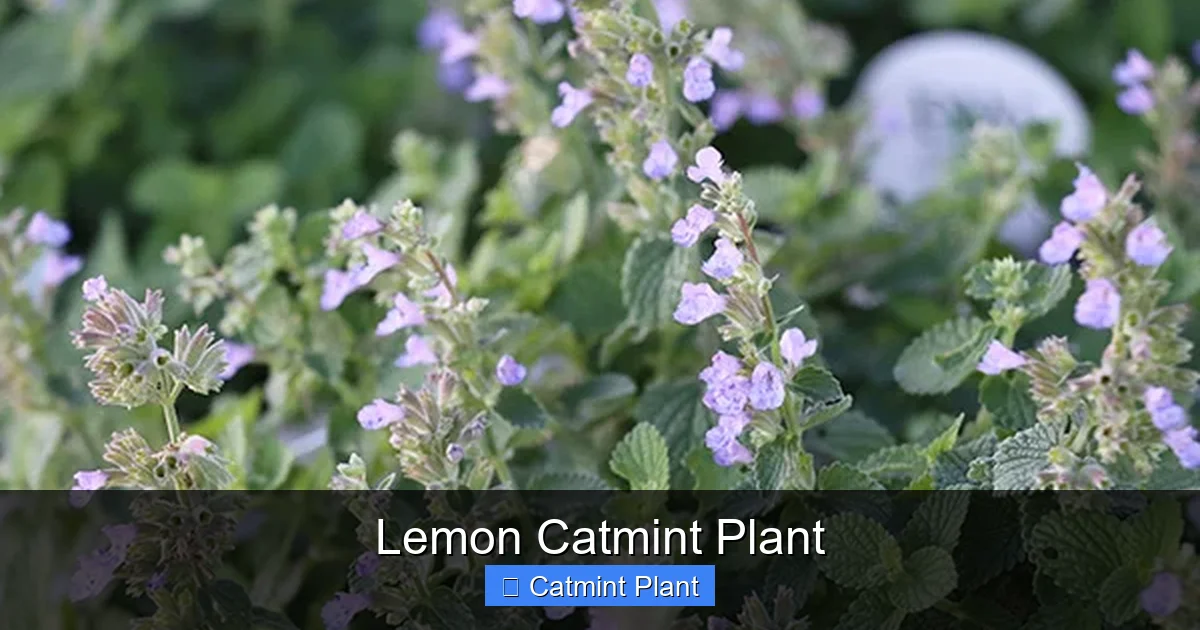
From late spring through early fall, the plant produces spikes of small, tubular flowers. These blooms are pale lavender to white with tiny purple spots on the lower lip. They appear in dense whorls along the upper portions of the stems. While individually tiny, the massed flowers create a soft, hazy effect that adds wonderful texture to the garden. Bees, butterflies, and hoverflies visit them constantly.
How It Differs from Regular Catnip and Catmint
Gardeners often confuse several related plants. Common catnip (Nepeta cataria) has gray-green foliage, white flowers, and that classic musky scent that drives cats wild but many humans find off-putting. Ornamental catmints like Nepeta x faassenii ‘Walker’s Low’ or ‘Six Hills Giant’ are sterile hybrids grown primarily for their long bloom season and tidy habit. They have little to no effect on cats.
Lemon catmint sits right in the middle. It shares the feline appeal of catnip but with a fragrance humans actually enjoy. It blooms more freely than common catnip but is not as floriferous as the ornamental hybrids. Its growth habit is somewhat looser and more informal than the tidy mounds of ‘Walker’s Low.’ Think of it as the best of both worlds: a genuine herb with real culinary and medicinal uses, genuine cat appeal, and genuine ornamental value.
Growing Lemon Catmint Successfully
Choosing the Perfect Location
Sunlight is the single most important factor for a happy lemon catmint plant. This herb craves full sun, meaning at least six hours of direct sunlight daily. In hot southern climates, it appreciates a bit of afternoon shade, but too much shade leads to leggy growth, reduced flowering, and diminished essential oil production. The lemon scent is strongest in plants grown in full sun.
Visual guide about Lemon Catmint Plant
Image source: calloways.com
Soil drainage is the second critical factor. Lemon catmint hates wet feet. Heavy clay soil that stays soggy after rain will cause root rot faster than almost anything else. If your soil is heavy, amend it generously with coarse sand, fine gravel, or compost to improve drainage. Raised beds work beautifully. The ideal soil pH ranges from 6.0 to 7.5, but this adaptable plant tolerates slightly acidic or alkaline conditions without complaint.
Space plants eighteen to twenty-four inches apart. They spread gradually by underground rhizomes and can become a bit enthusiastic in ideal conditions. Give them room to breathe. Good air circulation prevents fungal issues, especially in humid climates. If you are planting near a path or seating area, position the plant where brushing against it will release its fragrance.
Starting from Seed versus Transplants
You can grow lemon catmint from seed, but patience is required. Seeds need light to germinate, so press them gently into the surface of moist seed-starting mix without covering them. Keep the soil consistently moist at sixty-five to seventy degrees Fahrenheit. Germination takes ten to twenty days. Seedlings grow slowly at first, then take off once they develop several sets of true leaves.
Most gardeners prefer purchasing transplants from a nursery. Look for stocky plants with healthy green foliage and no roots protruding from drainage holes. Avoid plants with yellowing leaves, which may indicate root problems. Spring planting after the last frost is ideal, but early fall planting works well too, giving roots time to establish before winter.
Container Growing Tips
Lemon catmint thrives in containers, making it perfect for patios, balconies, or gardeners with poor soil. Choose a pot at least twelve inches wide and deep with excellent drainage holes. Use a high-quality potting mix amended with perlite or coarse sand for extra drainage. Terracotta pots are ideal because they allow soil to breathe and dry evenly.
Container plants need more frequent watering than in-ground plants. Check the soil daily in hot weather. Water thoroughly when the top inch feels dry. Fertilize lightly once in spring with a balanced organic fertilizer. Over-fertilizing produces lush foliage but reduces essential oil concentration. Repot every two to three years in spring, dividing the plant if it has filled the container.
Caring for Your Lemon Catmint Plant
Watering Wisdom
Newly planted lemon catmint needs consistent moisture to establish a strong root system. Water deeply two to three times per week for the first month, adjusting for rainfall. Once established, this plant is remarkably drought-tolerant. Its deep taproot and fuzzy leaves help it conserve water. In most climates, established plants need supplemental water only during extended dry spells.
The key is deep, infrequent watering rather than frequent shallow sprinkling. This encourages roots to grow downward seeking moisture. Water at the base of the plant, keeping foliage dry to prevent fungal diseases. Morning watering is best so any splashed leaves dry quickly. Mulch with gravel, crushed shells, or straw to retain moisture and keep leaves clean.
Pruning for Health and Beauty
Regular pruning keeps lemon catmint looking its best and promotes reblooming. In early spring, cut back all dead stems to about four inches above ground before new growth emerges. This removes winter damage and stimulates fresh, vigorous growth. After the first flush of flowers fades in early summer, shear the entire plant back by one-third to one-half. This prevents the center from becoming woody and bare, encourages a second bloom period, and maintains a tidy mound shape.
Throughout the growing season, harvest stems regularly for tea or cat toys. This natural pruning keeps the plant productive. Stop heavy pruning about six weeks before your first expected frost date. This allows the plant to harden off for winter. In late fall, after several hard freezes, you can cut stems back to the ground or leave them for winter interest and wildlife shelter. I prefer leaving them until early spring.
Fertilizing: Less Is More
Lemon catmint thrives in lean soil. Rich soil and heavy fertilization produce lush, floppy growth with diluted fragrance and flavor. If your soil is reasonably fertile, no fertilizer is needed. In very poor soil, apply a thin layer of compost around the base in early spring. A single application of balanced organic fertilizer at half the recommended rate is plenty. Avoid high-nitrogen fertilizers entirely.
Winter Protection
Lemon catmint is hardy in USDA zones 3 through 9. In zones 3 and 4, apply a light mulch of straw or shredded leaves after the ground freezes. This prevents freeze-thaw cycles from heaving the roots. Remove mulch gradually in spring. In zones 8 and 9, the plant may stay evergreen through mild winters. Container plants need extra protection. Move pots to an unheated garage or bury them in the ground for winter.
Harvesting and Using Lemon Catmint
When and How to Harvest
Timing your harvest makes a noticeable difference in quality. For the highest essential oil content, harvest in mid-morning after dew has evaporated but before the sun is at full intensity. The best time is just before flowers open, when the plant’s energy is concentrated in the leaves. However, you can harvest anytime during the growing season.
Use clean, sharp scissors or pruners. Cut stems just above a leaf node, leaving at least one-third of the plant intact. This encourages bushy regrowth. For small harvests, pinch individual leaves or stem tips. For larger harvests, cut entire stems. Never remove more than one-third of the foliage at once unless you are doing the mid-season shear.
Drying and Storing
Air drying preserves the delicate lemon fragrance best. Gather stems into small bundles secured with rubber bands. Hang them upside down in a dark, well-ventilated area away from direct sunlight. A spare room, closet, or covered porch works well. Drying takes one to two weeks depending on humidity. Leaves are ready when they crumble easily.
Strip dried leaves from stems and store in airtight glass jars away from light and heat. Properly stored, dried lemon catmint retains good flavor for twelve to eighteen months. Label jars with the harvest date. For longer storage, freeze dried leaves in vacuum-sealed bags. You can also freeze fresh leaves in ice cube trays with water for summer iced tea.
Brewing the Perfect Cup of Tea
Lemon catmint tea is one of life’s simple pleasures. For fresh tea, use one tablespoon of loosely packed leaves per cup of water. For dried, use one teaspoon. Heat water to just below boiling, about two hundred degrees Fahrenheit. Pour over leaves in a teapot or mug with an infuser. Cover and steep for five to seven minutes. Longer steeping extracts more sedative compounds but can become slightly bitter.
The flavor is gently lemony with subtle mint undertones and a hint of earthiness. It pairs beautifully with honey, a slice of fresh lemon, or a sprig of fresh mint. For iced tea, double the leaf quantity and steep hot, then pour over ice. Lemon catmint blends well with chamomile, lemon balm, lavender, or green tea. Experiment to find your perfect combination.
Culinary Adventures Beyond Tea
Don’t limit lemon catmint to beverages. The fresh leaves add a wonderful citrus note to fruit salads, especially those featuring melon, berries, or stone fruits. Chop finely and sprinkle over grilled fish or chicken just before serving. Stir into softened butter with lemon zest and garlic for a compound butter that melts deliciously over vegetables or crusty bread.
Make a simple syrup by simmering equal parts water and sugar with a handful of fresh leaves for five minutes. Strain and cool. This syrup transforms lemonade, cocktails, or sparkling water. Infuse vinegar by packing a jar with fresh leaves and covering with white wine vinegar. Let steep two weeks, then strain. The resulting vinegar makes fantastic salad dressings.
For a unique dessert, steep leaves in warm cream for ice cream or panna cotta. Or fold chopped fresh leaves into shortbread cookie dough with lemon zest. The possibilities are limited only by your imagination. Remember that heat diminates the delicate lemon oils, so add fresh leaves at the very end of cooking or use them raw.
Making Cat Toys Your Feline Will Love
If you have cats, you already know they will find your lemon catmint plant. Why not make it official? Stuff dried leaves into small fabric pouches for instant cat toys. Sew simple mice shapes from felt, fill with a mixture of dried lemon catmint and polyester stuffing, and watch the entertainment begin. Refresh toys by spritzing with lemon catmint hydrosol or rubbing fresh leaves on the outside.
You can also make a catnip spray by steeping a cup of fresh leaves in two cups of boiling water for fifteen minutes. Strain, cool, and pour into a spray bottle. Mist scratching posts, cat trees, or cardboard boxes. The effect typically lasts ten to fifteen minutes, followed by a refractory period of an hour or two during which cats lose interest. Not all cats respond. Sensitivity is genetic, and kittens under six months usually show no reaction.
Common Problems and Solutions
Pests That Bother Lemon Catmint
One of lemon catmint’s superpowers is pest resistance. Its strong essential oils repel many common garden pests. Aphids occasionally cluster on new growth in spring. A strong blast of water from the hose usually dislodges them. Spider mites may appear in hot, dry weather, especially on stressed plants. Increase humidity with regular misting and ensure adequate watering.
Whiteflies sometimes congregate on leaf undersides. Yellow sticky traps catch adults. Insecticidal soap controls nymphs. Flea beetles may chew tiny holes in leaves, giving them a shot-hole appearance. This is usually cosmetic. Row covers protect young plants. Slugs and snails occasionally nibble foliage in damp conditions. Beer traps, diatomaceous earth, or hand-picking at night control them.
Diseases to Watch For
Powdery mildew is the most common fungal issue, appearing as a white dusty coating on leaves. It thrives in humid conditions with poor air circulation. Prevent it by spacing plants properly, watering at the base, and avoiding evening watering. If it appears, remove affected leaves and spray with a mixture of one tablespoon baking soda, one teaspoon horticultural oil, and one gallon water.
Root rot occurs in poorly drained soil. Symptoms include wilting despite moist soil, yellowing leaves, and blackened roots. Prevention through proper soil preparation is far easier than cure. If caught early, dig up the plant, trim away rotted roots, dust with fungicide, and replant in well-draining soil. Leaf spot diseases cause brown or black spots with yellow halos. Remove affected leaves and improve air circulation.
Managing Enthusiastic Spread
Lemon catmint spreads by rhizomes and can self-seed moderately. In ideal conditions, it may expand beyond its allotted space. This is rarely aggressive like mint, but it can crowd neighboring plants. Install a root barrier if planting near delicate perennials. A simple plastic edging buried twelve inches deep works well. Deadhead spent flowers before seeds mature to prevent unwanted seedlings.
If the plant becomes too large, divide it in early spring. Dig up the entire clump and use a sharp spade or knife to cut it into sections, each with roots and shoots. Replant divisions at the same depth, water well, and share the extras. Division every three to four years rejuvenates the plant and prevents the center from dying out.
Dealing with Cat Damage
If neighborhood cats discover your plant before it is established, they may roll on it, chew it, or nap on it until it is flattened. Protect young plants with a cylinder of chicken wire or hardware cloth until they are large enough to withstand feline attention. Once established, the plant recovers quickly from occasional cat visits. Some gardeners plant a sacrificial patch for cats and protect their prized specimens.
Companion Planting and Garden Design
Best Companion Plants
Lemon catmint plays well with many garden favorites. Its soft gray-green foliage and lavender flowers complement roses beautifully. Plant it at the base of rose bushes to hide bare canes and deter aphids. The citrus scent confuses pests that locate roses by smell. Lavender, Russian sage, and salvia share similar cultural needs and create a stunning Mediterranean-style planting.
In the vegetable garden, lemon catmint repels squash bugs, aphids, and flea beetles. Plant it near tomatoes, peppers, eggplant, and brassicas. It attracts beneficial insects like hoverflies, parasitic wasps, and native bees that pollinate vegetables and prey on pests. Avoid planting near rue, which inhibits growth of many herbs. Also keep it separate from true mints, which are far more aggressive spreaders.
For a pollinator garden, combine lemon catmint with coneflowers, black-eyed Susans, bee balm, and butterfly weed. The long bloom season provides nectar from late spring through fall. Add ornamental grasses like fountain grass or little bluestem for texture and winter interest. The combination supports bees, butterflies, and hummingbirds throughout the growing season.
Design Ideas for Every Garden Style
In a cottage garden, let lemon catmint spill informally along paths where brushing against it releases fragrance. Pair it with old-fashioned roses, foxgloves, and delphiniums. In an herb garden, give it a prominent spot near the kitchen door for easy harvesting. Surround it with thyme, oregano, and chives for a classic culinary grouping.
For a modern landscape, plant lemon catmint in geometric blocks or repeating drifts. Its soft form contrasts beautifully with architectural plants like agave, yucca, or ornamental grasses. In a sensory garden, position it at nose level in a raised bed or along a wheelchair-accessible path. Combine with lamb’s ear for touch, lavender for scent, and Chinese lantern for sound.
Container combinations are endless. Try lemon catmint as the “filler” in a large pot with a dwarf citrus tree as the “thriller” and trailing nasturtiums as the “spiller.” Or pair it with purple basil, variegated sage, and trailing rosemary for a Mediterranean herb container. The gray-green foliage looks stunning in blue-glazed pots or weathered terracotta.
Creating a Cat-Friendly Garden Zone
If you want to share your garden with feline friends, design a dedicated cat corner. Plant lemon catmint alongside catnip, cat thyme (Teucrium marum), valerian, and cat grass (oat or wheat grass). Add a shallow water feature, a few large flat stones for sunbathing, and a log for scratching. Your cats will spend hours there, leaving your prize roses alone.
Be aware that lemon catmint can be a bit too popular with cats. If you have indoor cats, they may try to escape to reach it. If neighborhood cats visit, they may claim your yard as their territory. This is rarely a serious problem, but worth considering if you have bird feeders nearby. The plant’s pest-repelling properties may offset some predation pressure on birds.
Propagating Lemon Catmint for More Plants
Division: The Easiest Method
Division is the fastest way to multiply your lemon catmint and the only way to guarantee the new plants are identical to the parent. Early spring, just as new growth emerges, is the ideal time. Water the plant well the day before. Dig up the entire clump, preserving as many roots as possible. Shake off excess soil to see the root structure.
Using a sharp spade, knife, or even an old pruning saw, cut the clump into sections. Each division should have several healthy shoots and a good root mass. Discard any woody, dead centers. Replant divisions immediately at the same depth they were growing. Water thoroughly and mulch. Keep soil consistently moist for the first few weeks. Most divisions will flower in their first season.
Stem Cuttings for Clonal Propagation
Take cuttings in late spring or early summer from non-flowering stems. Cut four to six inch sections just below a leaf node. Remove lower leaves, leaving two or three pairs at the top. Dip the cut end in rooting hormone powder if desired, though lemon catmint roots readily without it. Insert cuttings into moist perlite, vermiculite, or a half-and-half mix of peat and sand.
Cover with a clear plastic bag or dome to maintain humidity. Place in bright, indirect light. Check daily and mist if condensation disappears. Roots typically form in two to three weeks. Gently tug to test for resistance. Once rooted, transplant to individual pots with potting mix. Harden off gradually before planting in the garden.
Growing from Seed: Genetic Variation
Seed propagation is rewarding but remember that seedlings may not come true to the parent plant. Lemon catmint seeds produce some variation in scent intensity and growth habit. If you want exact clones, stick with division or cuttings. For seed saving, allow some flowers to mature fully. Collect seeds when the calyces turn brown and dry. Store in a paper envelope in a cool, dry place.
Sow seeds indoors six to eight weeks before the last frost, or direct sow in the garden after danger of frost passes. Press seeds into the soil surface without covering. They need light to germinate. Keep moist. Thin seedlings to twelve inches apart. Seed-grown plants may take a full season to reach flowering size but often develop stronger taproots than transplants.
Seasonal Care Calendar
Spring Awakening
As soon as new growth appears, remove any winter mulch gradually. Cut back dead stems to four inches. Apply a thin layer of compost around the base if soil is poor. Divide overcrowded plants now. Watch for aphids on tender new shoots. Begin harvesting stem tips for tea once plants reach eight inches tall. This early pinching encourages bushiness.
Summer Abundance
First flush of flowers appears in late spring to early summer. Harvest heavily for drying before flowers fully open. After bloom fades, shear plants back by half. Water during dry spells. Watch for spider mites in hot weather. Continue harvesting for fresh use. Enjoy the pollinator show. Make cat toys, syrups, and vinegars.
Fall Preparation
Stop heavy harvesting six weeks before first frost. Allow the plant to store energy in its roots. Collect seeds if desired. Apply a light mulch in cold climates after ground freezes. In mild climates, plants may bloom again in fall. Enjoy the autumn flowers and late-season pollinators.
Winter Rest
In cold zones, the plant dies back to the ground. Leave dead stems for winter interest and insect habitat. In warm zones, it may stay semi-evergreen. Container plants need protection. Plan next year’s garden. Dream of lemon-scented breezes.
Frequently Asked Questions About Lemon Catmint
Is lemon catmint the same as lemon balm?
No, they are completely different plants. Lemon balm (Melissa officinalis) is also in the mint family but has a stronger, purer lemon scent and different growth habit. Lemon balm leaves are more oval and less fuzzy. Both make excellent tea, but lemon catmint has the cat-attracting compound nepetalactone while lemon balm does not.
Will lemon catmint take over my garden like mint?
Lemon catmint spreads by rhizomes but is far less aggressive than true mints (Mentha species). It forms a slowly expanding clump rather than running rampant. Self-seeding can occur but is usually manageable. Deadheading prevents most volunteers. A root barrier eliminates spread concerns entirely.
Can I grow lemon catmint indoors?
Yes, but it is challenging. Lemon catmint needs very bright light, ideally a south-facing window with six plus hours of direct sun. Supplemental grow lights work well. Indoor air is often too dry, so increase humidity with a pebble tray or humidifier. Expect leggier growth and less intense fragrance than outdoor plants.
Is lemon catmint safe for pets other than cats?
Dogs generally show no interest in lemon catmint. If ingested in small amounts, it is non-toxic but may cause mild digestive upset. The essential oils can be irritating if consumed in large quantities. Horses and livestock typically avoid it due to the strong scent. Always monitor pets around new plants.
Why does my lemon catmint not smell strongly of lemon?
Several factors affect scent intensity. Insufficient sunlight is the most common cause. Plants in shade produce fewer essential oils. Over-fertilization, especially with nitrogen, dilutes oils. Harvesting at the wrong time of day matters too. Mid-morning harvest on a sunny day yields the strongest fragrance. Plant age also plays a role. Second and third-year plants are often more aromatic.
Can I use lemon catmint in cooking like regular mint?
Absolutely, but with a different flavor profile. Lemon catmint has a distinct citrus-mint flavor that works beautifully in fruit dishes, seafood, poultry, and beverages. It is more delicate than spearmint or peppermint. Add fresh leaves at the end of cooking or use raw. The flowers are also edible and make a pretty garnish.
Conclusion
The lemon catmint plant truly earns its place in any garden. Few perennials offer so much for so little effort. It feeds pollinators, repels pests, delights cats, flavors tea, enhances cooking, and looks beautiful doing it all. Its gentle lemon fragrance transforms ordinary garden moments into sensory experiences. A brush of the hand releases sunshine. A cup of tea brings calm. A cat’s purr confirms you chose well.
Whether you are a seasoned herbalist, a wildlife gardener, a cat lover, or simply someone who appreciates beautiful, useful plants, lemon catmint deserves a spot in your landscape. Start with one plant. Give it sun, drainage, and a little patience. Before you know it, you will be dividing clumps for friends, drying bundles for winter tea, and wondering how you ever gardened without it. The lemon catmint plant does not just grow in your garden. It makes your garden better.
So go ahead. Plant that lemon catmint. Watch it thrive. Share its gifts. And the next time someone asks what that wonderful smell is, you can smile and say, “That’s just my lemon catmint. Would you like a cutting?”
Frequently Asked Questions
What is the difference between lemon catmint and regular catnip?
Lemon catmint is a cultivar of catnip selected for its citrus fragrance. Regular catnip has a musky, minty scent that many humans find unpleasant, while lemon catmint adds bright lemon notes from citronellol and geraniol compounds. Both attract cats equally.
How do I prevent lemon catmint from spreading too much?
Deadhead flowers before seeds mature to prevent self-seeding. Install a root barrier twelve inches deep if planting near delicate plants. Divide the clump every three to four years in spring to control size and rejuvenate the plant.
Can I use lemon catmint flowers in cooking?
Yes, the small lavender flowers are edible and make a lovely garnish for salads, desserts, and drinks. They have a milder version of the leaf flavor. Harvest flowers just as they open for best quality.
Why is my lemon catmint turning yellow?
Yellowing usually indicates overwatering or poor drainage. Lemon catmint hates wet soil. Ensure the soil drains well and water only when the top inch is dry. Nutrient deficiency is rare since this plant prefers lean soil.
Is lemon catmint deer resistant?
Yes, lemon catmint is highly deer resistant. The strong essential oils and fuzzy foliage make it unpalatable to deer and rabbits. It is an excellent choice for gardens with browsing pressure.
How do I make lemon catmint tea for sleep?
Steep one tablespoon fresh leaves or one teaspoon dried leaves in a cup of hot water (just below boiling) for seven to ten minutes. Cover while steeping to preserve volatile oils. Drink thirty minutes before bed. The mild sedative effect promotes relaxation.