Plants Like Catmint
Looking for plants like catmint? This guide covers top alternatives including lavender, Russian sage, salvia, and catnip that offer similar aromatic foliage, purple blooms, and pollinator appeal. Learn which companions thrive in the same conditions and how to design a stunning, low-maintenance garden.
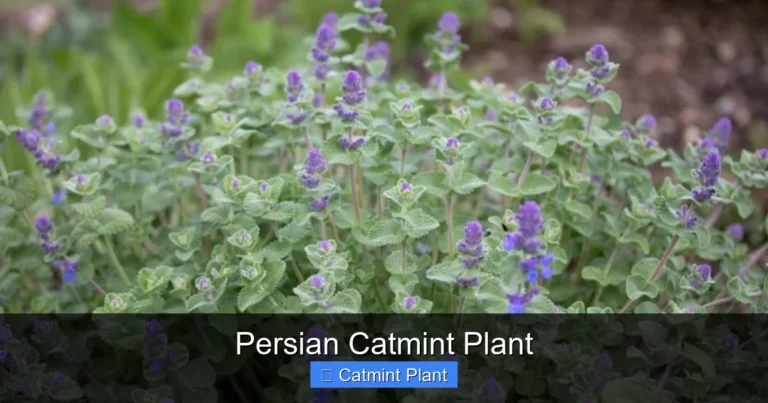
If you have ever grown catmint, you know the magic. Those soft gray-green leaves release a minty perfume when brushed. The lavender-blue flowers bloom for months. Bees and butterflies cannot stay away. Deer and rabbits leave it alone. It asks for little and gives so much. But maybe you want more variety. Maybe you need a taller backdrop. Maybe you want a different shade of purple. Or maybe you just want to know what else plays well in the same sandbox. Good news. The world of plants like catmint is rich and rewarding.
These plants share a common heritage. Most hail from the Mediterranean region or the steppes of Central Asia. They evolved to survive hot, dry summers and poor, rocky soils. They developed aromatic oils to deter herbivores. Those same oils delight humans and pollinators. They belong mostly to the mint family, Lamiaceae. This family gives us many of our favorite garden herbs and ornamentals. Understanding this connection helps you choose the right companions. It helps you give them the conditions they crave. Let us explore the best alternatives and how to use them.
Key Takeaways
- Lavender leads the pack: Shares catmint’s drought tolerance, silvery foliage, and pollinator magnetism while adding culinary versatility.
- Russian sage adds height: Provides vertical interest with airy purple spires that bloom later in the season, extending garden color.
- Salvia offers variety: Comes in numerous species and cultivars with bloom times spanning spring through fall for continuous color.
- Catnip satisfies felines: The closest botanical cousin that drives cats wild while supporting bees and butterflies equally well.
- All thrive in lean soil: These Mediterranean natives prefer full sun, excellent drainage, and minimal fertilizer for best performance.
- Deer and rabbit resistant: Aromatic oils in the foliage naturally deter browsing mammals, making them ideal for rural gardens.
Design in drifts: Plant in groups of three or more for maximum visual impact and pollinator attraction throughout the growing season.
Quick Answers to Common Questions
What is the closest plant to catmint?
Catnip (Nepeta cataria) is the closest botanical relative, sharing the same genus and similar aromatic foliage, though it has a more upright, weedy habit and white flowers.
Which plants like catmint bloom the longest?
Calamint ‘Montrose White’ and agastache hybrids like ‘Blue Fortune’ bloom from early summer until frost with minimal deadheading, outlasting most catmint varieties.
Can I plant lavender and catmint together?
Yes, they are ideal companions with identical cultural needs—full sun, sharp drainage, lean soil—and their bloom times overlap beautifully for a long season of color.
Are plants like catmint deer resistant?
Absolutely. The essential oils in their foliage make them highly unpalatable to deer and rabbits, making them top choices for unfenced rural gardens.
Do these plants grow in clay soil?
Most struggle in heavy clay unless you amend with fifty percent grit or plant in raised beds; meadow sage and some agastache tolerate clay better than lavender or Russian sage.
📑 Table of Contents
- Why Gardeners Love Catmint and Its Cousins
- Top Tier: The Closest Matches
- Salvia Stars: Endless Variety
- Beyond the Mint Family: Surprising Lookalikes
- Designing with Plants Like Catmint
- Growing Success: The Mediterranean Method
- Troubleshooting Common Issues
- Companion Planting Beyond the Lookalikes
- Regional Adaptations
- Propagation: Make More for Free
- Harvest and Use
- Conclusion
Why Gardeners Love Catmint and Its Cousins
The Catmint Appeal
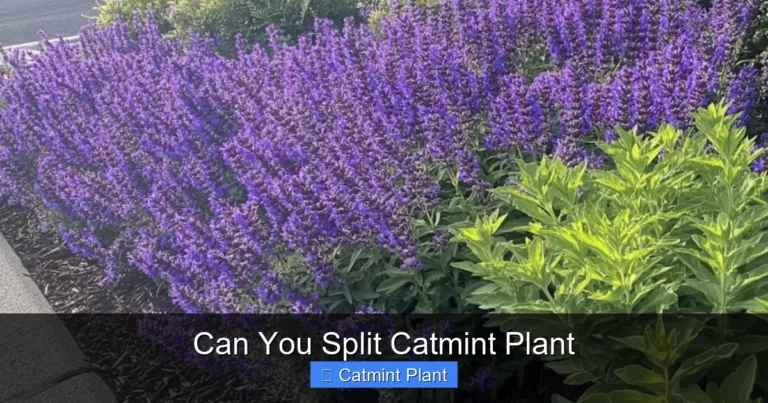
Catmint, botanically Nepeta, earns its devoted following. The most popular variety, ‘Walker’s Low’, was named Perennial Plant of the Year in 2007. It forms a neat mound eighteen to twenty-four inches tall. The flowers appear in late spring. They keep coming until frost if you shear them back after the first flush. The foliage stays attractive all season. It does not flop open in the center like some perennials. It handles heat and humidity better than many silvery plants. It grows in zones three through eight. That covers most of the continental United States.
But catmint has limits. It spreads slowly by underground stems. In rich soil, it can get floppy. It does not love wet winter feet. Some gardeners find the scent too strong near seating areas. Others want a taller plant for the back of the border. Some want white or pink flowers instead of blue. These desires lead us to plants like catmint that fill those gaps.
Shared Superpowers
What makes this group special? First, drought tolerance. Once established, they laugh at summer heat waves. Their deep taproots or wide-spreading root systems find moisture far below the surface. Second, pollinator magnetism. The tubular flowers perfectly fit bee tongues. Butterflies hover for nectar. Hummingbirds visit the red and pink varieties. Third, pest resistance. The essential oils that smell heavenly to us taste terrible to deer, rabbits, and most insects. Fourth, long bloom seasons. Many flower from late spring through fall with minimal deadheading. Fifth, low maintenance. No staking, no dividing every year, no fancy fertilizers. Just sun, drainage, and an occasional haircut.
Top Tier: The Closest Matches
Lavender: The Classic Companion
Lavender (Lavandula) sits at the top of any list of plants like catmint. They share the same native range. They want the same things. Full sun. Sharp drainage. Alkaline soil. Low fertility. English lavender (L. angustifolia) varieties like ‘Hidcote’ and ‘Munstead’ form compact mounds twelve to eighteen inches tall. The flower spikes rise above the foliage in early summer. The color ranges from deep purple to pale blue to white. The fragrance is legendary. Use the flowers in sachets, cooking, or crafts. The evergreen foliage provides winter structure in milder zones.
French lavender (L. dentata) and Spanish lavender (L. stoechas) offer showier bracts atop the flower heads. They are less cold hardy, usually zones seven through nine. Lavandin hybrids (L. x intermedia) like ‘Grosso’ and ‘Provence’ grow larger, twenty-four to thirty inches. They produce longer stems for cutting. All lavenders hate wet feet. Plant on a slope or in raised beds if your soil is heavy. Mulch with gravel, not bark. Prune lightly after flowering. Never cut into old wood without green buds. Lavender and catmint together create a Mediterranean dream.
Russian Sage: The Vertical Accent
Russian sage (Perovskia atriplicifolia, now Salvia yangii) brings height and airiness. The species reaches three to four feet tall. Newer cultivars like ‘Little Spire’ and ‘Denim ‘n Lace’ stay closer to two feet. The stems are silver-white. The leaves are finely dissected, almost lacy. The flowers are tiny, tubular, and lavender-blue. They appear in dense, fuzzy spires from mid-summer into fall. The effect is a purple haze. It catches light beautifully. It moves with the slightest breeze.
Russian sage wants the same lean, dry conditions. It develops a woody base over time. Cut it back to six to twelve inches in early spring. Do not cut in fall. The hollow stems can collect water and rot the crown. It spreads slowly by runners. Give it space. It pairs perfectly with catmint in front. The catmint hides the bare lower stems. The Russian sage towers above. Both bloom together in high summer. Both attract clouds of pollinators.
Catnip: The Feline Favorite
Catnip (Nepeta cataria) is catmint’s wild sibling. It grows taller, two to three feet. The leaves are larger, greener, less ornamental. The flowers are white with pale purple spots. They bloom in loose spikes all summer. The plant looks a bit weedy. But cats adore it. The compound nepetalactone triggers euphoria in seventy percent of cats. They roll, rub, and purr. If you have cats, plant it in a protected spot. Or grow it in a hanging basket out of reach.
Catnip self-sows aggressively. Deadhead religiously if you do not want volunteers everywhere. It handles poorer soil and more shade than ornamental catmints. The leaves make a soothing tea for humans. It attracts beneficial insects like lacewings. Plant it near vegetables to draw predators of aphids and caterpillars. It fits the herb garden better than the perennial border. But it is undeniably one of the plants like catmint at its core.
Salvia Stars: Endless Variety
Woodland Sage: The Early Bloomer
Woodland sage (Salvia nemorosa) kicks off the salvia season. ‘May Night’ is the classic. Deep violet-blue spikes rise above wrinkled green leaves in late spring. It grows eighteen to twenty-four inches tall. ‘Caradonna’ has darker stems and a more upright habit. ‘Blue Hill’ offers a softer blue. ‘Snow Hill’ gives pure white. These bloom heavily in May and June. Shear them back hard after the first flush. They often rebloom in late summer. They are hardy to zone four. They tolerate a bit more moisture than catmint. They make excellent cut flowers.
Meadow Sage: The Summer Workhorse
Meadow sage (Salvia pratensis) and its hybrids bridge the gap. ‘Rose Queen’ has pink flowers. ‘Indigo’ is deep blue. They grow two to three feet tall. The flower spikes are more open, more naturalistic. They bloom from early summer into fall with deadheading. They handle clay soil better than most plants like catmint. They naturalize in meadow plantings. They pair well with ornamental grasses.
Autumn Sage: The Heat Lover
Autumn sage (Salvia greggii) and its hybrids shine in hot climates. Native to Texas and Mexico, they laugh at one hundred degree days. They are sub-shrubs, woody at the base. They grow two to three feet tall and wide. The flowers come in red, pink, coral, purple, white. They bloom spring through fall. Hummingbirds fight over them. They need sharp drainage. They are hardy to zone six or seven with protection. In colder zones, treat as annuals or overwinter in pots. ‘Furman’s Red’ and ‘Wild Thing’ are reliable reds. ‘Mirage’ series offers compact habits and many colors.
Mexican Bush Sage: The Fall Finale
Mexican bush sage (Salvia leucantha) saves the best for last. Velvety purple calyces with white flowers appear in late summer. They continue until hard frost. The plant grows three to four feet tall. The foliage is gray-green, velvety. It is hardy only to zone eight. In colder areas, grow as an annual or dig and pot for winter. ‘Santa Barbara’ is a compact variety at two to three feet. ‘Midnight’ has deeper purple calyces. Plant where you can touch the flowers. The texture is irresistible.
Beyond the Mint Family: Surprising Lookalikes
Catmint Imposters: Calamint and Hyssop
Calamint (Calamintha nepeta) fools everyone. The genus name means “beautiful mint.” It forms a low mound of tiny, mint-scented leaves. Clouds of tiny white or pale blue flowers cover it from early summer to frost. ‘Montrose White’ is a sterile selection that blooms nonstop without seeding. It grows twelve to eighteen inches. It handles heat and humidity superbly. It tolerates light shade. Bees cover it constantly. It is one of the best plants like catmint for the front of the border.
Hyssop (Hyssopus officinalis) brings a bushier, more shrubby form. It grows eighteen to twenty-four inches. The leaves are glossy dark green. The flower spikes are dense, dark blue, pink, or white. It blooms mid-summer to fall. It has a strong, medicinal scent. It has been used since biblical times for purification. It attracts bees and butterflies. It self-sows moderately. ‘Blue Flower’ is the standard blue. ‘Roseus’ gives pink. ‘Albus’ gives white. It wants the same sun and drainage.
Agastache: The Hummingbird Magnets
Agastache, also called hyssop or hummingbird mint, expands the color palette. Agastache foeniculum (anise hyssop) grows three to four feet. Lavender-blue spikes top licorice-scented foliage. It self-sows gently. Goldfinches eat the seeds. Agastache rupestris (sunset hyssop) offers orange-pink flowers with purplish calyces. The scent is root beer and mint. It needs sharp drainage. Agastache hybrids like ‘Blue Fortune’, ‘Black Adder’, and the ‘Kudos’ series bloom longer, come in more colors, and stay compact. They are hardy to zone five or six. They want full sun and lean soil. They bloom from early summer to frost. Hummingbirds visit daily.
Perovskia: Already Covered but Worth Repeating
We mentioned Russian sage earlier. But it bears repeating as a non-mint family member that fits perfectly. It belongs to the Lamiaceae family but a different genus. Its airy texture contrasts beautifully with the denser mounds of catmint and salvia. Use it to create depth. Plant three in a triangle. Put catmint in front. Put tall verbena behind. The layering creates a professional look.
Designing with Plants Like Catmint
Color Echoes and Contrasts
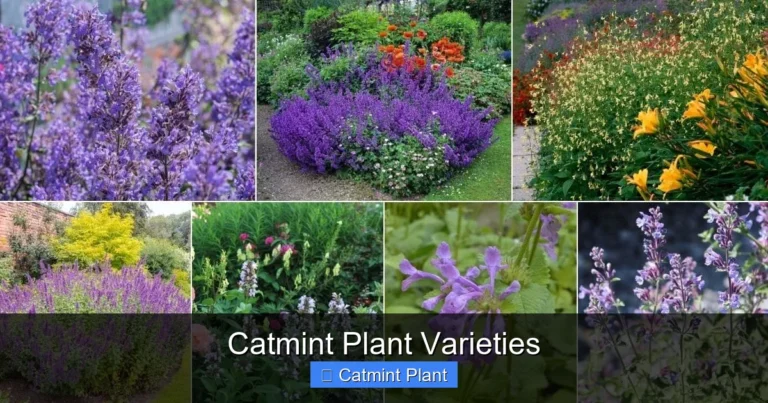
Most plants like catmint bloom in the blue-purple-pink range. This makes color harmony easy. Create a cool-toned border with lavender, catmint, Russian sage, and blue salvia. Add white calamint or white coneflower for brightness. Add silver foliage plants like artemisia or lamb’s ear for texture. For a warm contrast, pair pink agastache with yellow yarrow or orange butterfly weed. The purple catmint bridges the gap. Use the color wheel. Analogous colors (blue, purple, pink) soothe. Complementary colors (purple and yellow) energize.
Height Layering
Think in three layers. Front edge: six to twelve inches. Calamint, dwarf lavender, creeping thyme. Middle ground: eighteen to twenty-four inches. Catmint, woodland sage, meadow sage, hyssop. Back drop: three to four feet. Russian sage, anise hyssop, autumn sage, Mexican bush sage. Stagger the bloom times. Early: woodland sage, lavender. Mid: catmint, meadow sage, hyssop. Late: Russian sage, agastache, Mexican bush sage. This ensures continuous flowers from May to October.
Pollinator Pathways
Plant in drifts, not dots. A single plant feeds a few bees. A drift of five feeds hundreds. Pollinators forage efficiently. They prefer large patches of the same flower. Group three to five of each variety. Repeat the groups along the border. This creates rhythm. It guides the eye. It guides the bees. Include early bulbs like crocus and allium. Include late asters and goldenrod. Provide water with a shallow dish and stones. Avoid pesticides. Your garden becomes a certified wildlife habitat.
Container Combinations
Many plants like catmint thrive in pots. Use a gritty mix. One part potting soil, one part perlite, one part coarse sand. Ensure drainage holes. Do not use saucers. Water when the top inch is dry. Fertilize once in spring with slow-release organic. Full sun is essential. Good combos: ‘Walker’s Low’ catmint with ‘Hidcote’ lavender and creeping sedum. ‘Little Spire’ Russian sage with ‘Blue Hill’ salvia and white calibrachoa. ‘Kudos Gold’ agastache with purple basil and trailing rosemary. Overwinter pots in an unheated garage in zones five and below.
Growing Success: The Mediterranean Method
Soil Preparation
These plants hate clay. They hate rich, moisture-retentive loam. They want lean, gritty, alkaline soil. If you have clay, build raised beds. Mix native soil with fifty percent expanded shale or pea gravel. Add compost sparingly. Ten percent max. No manure. No peat moss. Test pH. Aim for six point five to seven point five. Add lime if lower. Add sulfur if higher. Mulch with one inch of pea gravel or crushed granite. This reflects heat. It prevents crown rot. It looks tidy.
Planting Timing and Technique
Spring planting is best in zones three through six. Fall planting works in zones seven through nine. Space plants for mature width. Catmint needs eighteen to twenty-four inches. Russian sage needs thirty-six inches. Lavender needs twenty-four inches. Dig a hole twice as wide as the pot. Same depth. Do not amend the backfill. Rough up the root ball. Set the plant. Backfill. Firm gently. Water deeply. Mulch with gravel. Do not mulch up to the crown. Leave a one-inch gap.
Watering Wisdom
Water deeply but infrequently. This encourages deep roots. New plants need water every two to three days for the first month. Then weekly for the first summer. After that, only in extreme drought. Established plants often need zero supplemental water. Overwatering kills more than underwatering. Signs of too much water: yellowing leaves, floppy stems, fungal spots. Signs of too little: wilting in morning, crispy leaf edges. Learn your soil. Stick a finger three inches down. Dry? Water. Moist? Wait.
Pruning Protocols
Each plant has its preference. Catmint: shear by half after first bloom. This prevents flopping. It triggers rebloom. Lavender: light trim after flowering. Never cut into old wood. Russian sage: cut to six to twelve inches in early spring. Salvia: deadhead spent spikes to side shoots. Hard cutback in early spring. Agastache: leave stems for winter interest. Cut back in spring. Calamint: shear lightly after first flush. Hyssop: trim to shape after flowering. Always use clean, sharp tools.
Winter Protection
Wet winter soil is the enemy. Ensure drainage. In zones three to five, apply a loose mulch of pine boughs or straw after the ground freezes. This prevents freeze-thaw cycles. Do not use leaves. They mat and hold moisture. Remove mulch gradually in spring. Potted plants need extra protection. Move to unheated garage. Water once a month. Do not fertilize. In spring, acclimate slowly. Bring out on warm days. Back in at night. After last frost, leave out.
Troubleshooting Common Issues
Floppy Centers
Catmint and salvia sometimes open up in the middle. Causes: too much shade, too rich soil, too much water, age. Fix: ensure six hours minimum direct sun. Stop fertilizing. Water less. Divide in spring every three to four years. Discard woody center. Replant vigorous outer pieces. Shear after first bloom to encourage bushy regrowth.
Woody, Unproductive Lavender
Lavender becomes woody and sparse after five to seven years. Prevention: annual light pruning. Never cut below green buds. Replacement: take cuttings in summer. Root in gritty mix. Plant new starts. Remove old plant. Or layer low branches. Pin to soil with a stone. Roots form in months. Sever and transplant.
Root Rot
Sudden wilting, yellowing, death. Usually in heavy soil or wet winters. Diagnosis: dig up. Roots are brown, mushy. Smell foul. Treatment: improve drainage. Replant in raised bed. Or accept loss and choose tougher plants. Agastache and Russian sage handle wet better than lavender.
Powdery Mildew
White powder on leaves. Late summer. Humid weather. Poor air circulation. Prevention: space properly. Water at base, not overhead. Morning sun dries dew. Treatment: remove affected leaves. Spray with neem oil or potassium bicarbonate. Resistant varieties: ‘Walker’s Low’ catmint, ‘Blue Fortune’ agastache, ‘Denim ‘n Lace’ Russian sage.
Winter Kill
Plants fail to emerge in spring. Causes: wet crown, extreme cold, freeze-thaw, young plants. Prevention: gravel mulch. Good drainage. Delay fall cleanup. Stems catch snow for insulation. Plant in spring so roots establish. Choose hardy varieties. ‘Hidcote’ lavender over ‘Munstead’. ‘Little Spire’ Russian sage over species.
Companion Planting Beyond the Lookalikes
Ornamental Grasses
Grasses add movement and winter structure. They share the same cultural needs. Blue fescue (Festuca glauca) forms small blue mounds. ‘Elijah Blue’ is intense. Feather reed grass (Calamagrostis x acutiflora ‘Karl Foerster’) gives vertical wheat-colored plumes. It stands all winter. Little bluestem (Schizachyrium scoparium) turns copper-orange in fall. Prairie dropseed (Sporobolus heterolepis) smells like popcorn. Fountain grass (Pennisetum) offers fuzzy bottlesbrush flowers. Plant grasses behind or between the flowering perennials.
Drought-Tolerant Shrubs
Small shrubs anchor the planting. Russian sage is technically a sub-shrub. True shrubs: butterfly bush (Buddleia) in sterile varieties like ‘Lo and Behold’. Bluebeard (Caryopteris) blooms late blue. ‘Dark Knight’ is deep. ‘Sunshine Blue’ has gold leaves. Lavender cotton (Santolina) makes yellow buttons on silver foliage. Rockrose (Cistus) has crinkly white or pink flowers. All want sun, drainage, lean soil. Prune in spring.
Spring Bulbs
Bulbs bloom before the perennials wake up. They hide their dying foliage behind the emerging perennials. Alliums are perfect. ‘Globemaster’ purple spheres in June. ‘Millenium’ pink balls in July. ‘Summer Beauty’ pink in August. Species tulips naturalize. Crocus and species iris bloom early. Daffodils deter rodents. Plant bulbs in fall. Mark spots so you do not dig them up.
Ground Covers
Fill gaps with living mulch. Creeping thyme (Thymus serpyllum) handles foot traffic. Blooms pink in June. Woolly thyme is fuzzy, non-flowering. Sedums like ‘Angelina’ (gold) and ‘Dragon’s Blood’ (red) spread fast. Ice plant (Delosperma) daisies in neon colors. Hens and chicks (Sempervivum) form rosettes. All suppress weeds. All need zero care once established.
Regional Adaptations
Pacific Northwest
Wet winters challenge Mediterranean plants. Solutions: raised beds. Gravel mulch. South-facing slopes. Choose wet-tolerant varieties. ‘Walker’s Low’ catmint handles humidity. ‘Blue Fortune’ agastache resists rot. Russian sage survives if drained. Lavender ‘Hidcote’ and ‘Munstead’ are reliable. Avoid French and Spanish lavender. Plant in April after heavy rains.
Southeast
Heat and humidity plus clay soil. Raised beds essential. Gravel mulch mandatory. Morning sun, afternoon shade helps. ‘Walker’s Low’ catmint works. ‘Blue Fortune’ agastache works. Autumn sage varieties bred for humidity. ‘Black and Blue’ salvia (Salvia guaranitica) thrives. Mexican bush sage is perennial. Lavender struggles. Try ‘Phenomenal’ lavender, bred for humidity. Good air circulation prevents fungus.
Southwest
Perfect climate. Intense sun. Low humidity. Alkaline soil. Everything thrives. Water deeply monthly in summer. No winter water. Choose heat-loving varieties. Autumn sage. Mexican bush sage. Sunset hyssop. Desert lavender (Hyptis emoryi). Damianita (Chrysactinia mexicana). Blackfoot daisy (Melampodium leucanthum). Mulch with gravel. No organic mulch.
Midwest and Northeast
Cold winters. Wet springs. Clay soil. Raised beds. Spring planting. Hardy varieties only. ‘Walker’s Low’ catmint. ‘May Night’ salvia. ‘Hidcote’ lavender. ‘Little Spire’ Russian sage. ‘Blue Fortune’ agastache. Winter mulch with pine boughs. Remove early spring. Divide in spring. Watch for vole damage. Use hardware cloth cages if needed.
Propagation: Make More for Free
Division
Best for catmint, salvia, calamint, hyssop. Spring or early fall. Dig the clump. Shake off soil. Pull apart with hands or two forks. Each piece needs roots and shoots. Replant immediately. Water well. Keep moist two weeks. Divide every three to four years to maintain vigor.
Cuttings
Best for lavender, Russian sage, agastache, autumn sage. Summer. Take four to six inch tips. Non-flowering stems. Strip lower leaves. Dip in rooting hormone. Stick in gritty mix. Cover with plastic bag. Bright indirect light. Roots in three to four weeks. Pot up. Overwinter protected. Plant spring.
Seed
Catmint, salvia, agastache, calamint self-sow. Collect seed heads when brown. Dry in paper bag. Clean seed. Store cool, dry. Sow indoors eight weeks before last frost. Or direct sow in fall. Light needed for germination. Press into surface. Do not cover. Keep moist. Transplant seedlings at two true leaves.
Layering
Lavender, Russian sage, catmint. Bend low branch to ground. Wound slightly. Pin with stone or staple. Cover with soil. Water. Roots form in growing season. Sever next spring. Transplant. Easy. Reliable.
Harvest and Use
Culinary
Lavender flowers in shortbread, tea, honey. Leaves in herbes de Provence. Catmint leaves in tea, salads, cocktails. Mild mint flavor. Catnip tea for relaxation. Salvia flowers as garnish. Leaves in stuffing, sausages. Sage (Salvia officinalis) is the culinary star. Agastache leaves in tea, fruit salad. Anise flavor. Hyssop leaves sparingly in soups, stews. Strong flavor. Always confirm identification. Use organically grown only.
Craft and Home
Lavender wands, sachets, wreaths, potpourri. Catmint stems in fresh bouquets. Russian sage dried for arrangements. Salvia spikes dried. Agastache seed heads for birds. Press flowers for cards. Make herbal vinegars. Infuse oils. Create cat toys with catnip. The possibilities extend the garden joy indoors.
Medicinal Traditions
Many plants like catmint have herbal history. Catmint tea for digestion, calm, fever. Catnip for colic, sleep. Lavender for anxiety, burns, sleep. Salvia for sore throat, memory. Hyssop for cough, congestion. Agastache for digestion, cold. Modern research supports some uses. Consult qualified herbalist. Do not self-treat serious conditions. Pregnancy contraindicates many.
Conclusion
The world of plants like catmint opens a door to garden magic. These plants share a language. Sun. Drainage. Lean soil. Aromatic foliage. Pollinator flowers. Long seasons. Low demands. High rewards. You can build an entire garden from this palette. It will bloom from April to November. It will buzz with life. It will survive drought. It will resist deer. It will smell heavenly. It will look professional with minimal effort.
Start small. Buy three catmint. Three lavender. One Russian sage. Plant them in a sunny, well-drained spot. Mulch with gravel. Water to establish. Then step back. Watch. Learn. Add salvia next year. Add agastache the year after. Try calamint at the front edge. Try autumn sage in a pot. Each addition teaches you more. Each success builds confidence.
Remember the core lesson. These plants want to thrive. They evolved for tough conditions. Your job is to get out of their way. Give them sun. Give them drainage. Give them space. Then enjoy the show. The bees will thank you. The butterflies will thank you. The hummingbirds will thank you. Your neighbors will ask your secret. You will smile and say, “I just planted what likes it here.” That is the heart of gardening. Work with nature. Choose plants like catmint. Watch your garden come alive.
Frequently Asked Questions
What are the best plants like catmint for hot, humid climates?
For the Southeast and other humid regions, choose ‘Walker’s Low’ catmint, ‘Blue Fortune’ agastache, autumn sage cultivars, and ‘Phenomenal’ lavender. These varieties resist fungal diseases and tolerate moisture better than standard Mediterranean types. Ensure excellent drainage with raised beds and gravel mulch.
How do I prevent my catmint from flopping open in the center?
Flopping usually results from too much shade, rich soil, or overwatering. Plant in full sun with lean, gritty soil. Shear plants back by half after the first bloom flush in early summer. This promotes bushy regrowth and a second flower display. Divide clumps every three to four years in spring to maintain vigor.
Can I grow plants like catmint in containers?
Yes, many thrive in pots using a gritty mix of one part potting soil, one part perlite, and one part coarse sand. Ensure drainage holes and avoid saucers. Water when the top inch is dry. Fertilize once annually with slow-release organic. Overwinter in an unheated garage in zones five and below.
What is the difference between catmint and catnip?
Both belong to the genus Nepeta. Catmint (Nepeta x faassenii and hybrids) is ornamental with showy lavender-blue flowers and a tidy mound habit. Catnip (Nepeta cataria) is taller, weedy-looking with white flowers, and contains higher nepetalactone levels that intensely attract cats.
When should I cut back Russian sage?
Cut Russian sage back to six to twelve inches in early spring before new growth emerges. Never prune in fall—the hollow stems can collect water and cause crown rot. Leaving stems standing provides winter interest, protects the crown, and houses beneficial insects.
Which plants like catmint attract the most pollinators?
Calamint, agastache, and catmint itself are pollinator magnets, often covered in bees from morning to dusk. Russian sage and salvia varieties also draw heavy traffic. Plant in drifts of three to five for maximum foraging efficiency. Avoid pesticides entirely to protect visitors.