Catmint as Butterfly Host Plant
Catmint is a valuable butterfly host plant that supports several butterfly species while providing nectar for adults. This low-maintenance perennial offers both larval food and nectar resources, making it a dual-purpose addition to any pollinator garden.
When I first started my butterfly garden, I focused entirely on nectar flowers. I planted coneflowers, zinnias, and butterfly bush. The adult butterflies came in droves. But something was missing. I never saw caterpillars. I never witnessed the complete life cycle. Then a fellow gardener mentioned catmint as butterfly host plant. That conversation changed everything about how I approach pollinator gardening.
Most gardeners know catmint for its lovely purple-blue spikes and aromatic foliage. Fewer realize its role in supporting butterfly reproduction. This unassuming perennial pulls double duty. It feeds adult butterflies with nectar. It feeds caterpillars with leaves. That combination makes it one of the most valuable plants you can add to a wildlife garden. Let me share what I’ve learned about using catmint as butterfly host plant effectively.
Key Takeaways
- Catmint hosts multiple butterfly species: Several butterfly species use catmint as a larval host plant, including the common buckeye and various skipper species.
- Dual-purpose pollinator plant: Catmint provides both nectar for adult butterflies and foliage for caterpillars, maximizing its wildlife value.
- Easy to grow and maintain: This drought-tolerant perennial thrives in poor soil and full sun, requiring minimal care once established.
- Long blooming season: Catmint flowers from late spring through fall, providing extended nectar availability for pollinators.
- Deer and rabbit resistant: The aromatic foliage naturally deters browsing mammals while attracting beneficial insects.
- Multiple varieties available: Different catmint cultivars offer varying heights, bloom colors, and growth habits for diverse garden designs.
- Supports ecosystem health: Planting catmint as butterfly host plant contributes to local biodiversity and pollinator conservation efforts.
Quick Answers to Common Questions
Which butterfly species use catmint as a host plant?
Common buckeyes, silver-spotted skippers, fiery skippers, and sachem skippers are the primary species that use catmint as a larval host plant. Painted ladies and red admirals may occasionally use it as well.
Does catmint attract adult butterflies too?
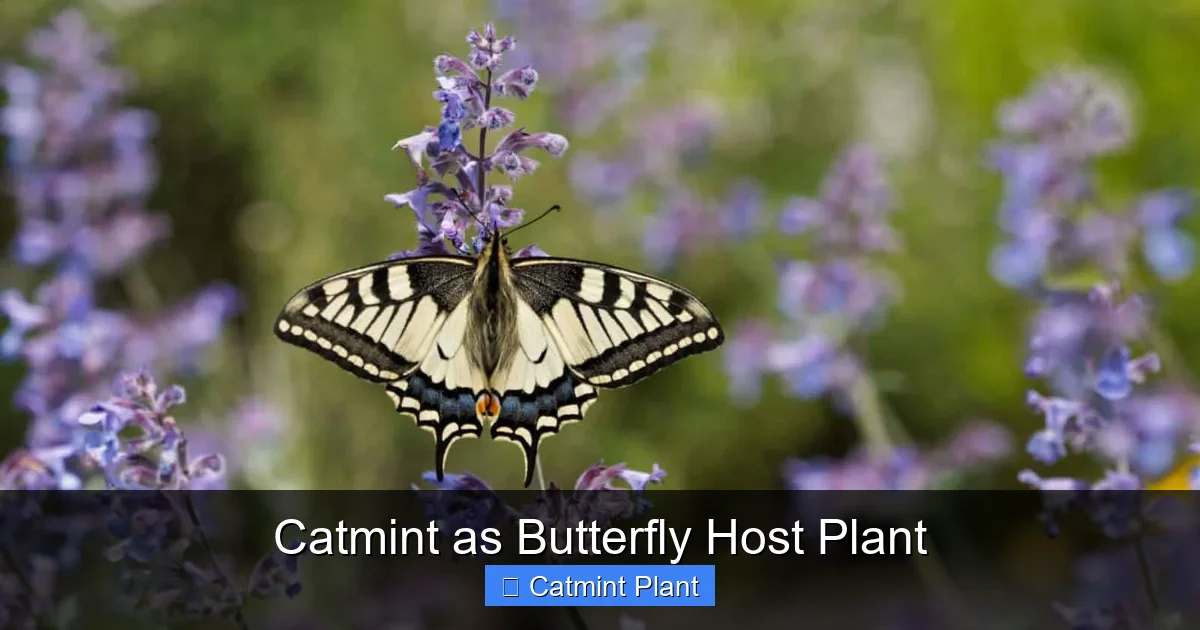
Yes, catmint produces abundant nectar that attracts many adult butterfly species including monarchs, swallowtails, and various skippers, making it both a host plant and nectar source.
How many catmint plants do I need for a butterfly garden?
Plant at least five catmint plants in a cluster to create a visible target for butterflies. Larger groups of ten or more provide better habitat and ensure enough foliage for caterpillars.
Will caterpillars kill my catmint plants?
No, established catmint plants recover quickly from caterpillar feeding. The deep taproot stores energy for regrowth, and new leaves typically appear within weeks after defoliation.
Can I grow catmint in containers for butterflies?
Yes, catmint grows well in containers with good drainage and gritty soil. Container plants need more frequent watering but still function as butterfly host plants on patios and balconies.
📑 Table of Contents
Understanding Catmint as Butterfly Host Plant
What Makes a Good Host Plant
A host plant serves a specific purpose. Female butterflies lay eggs on it. Caterpillars hatch and eat the leaves. The plant must provide the right chemical cues for egg-laying. It must offer nutrition the caterpillars can digest. Not every nectar plant works as a host plant. Butterflies are specialists. They evolved relationships with specific plant families.
Catmint belongs to the mint family, Lamiaceae. This family includes many butterfly host plants. The chemical compounds in these plants signal safety to certain butterfly species. When a female butterfly detects these compounds, she knows her offspring can eat the leaves. This chemical recognition drives host plant selection.
Catmint Species and Varieties
The genus Nepeta includes several species used as catmint. Nepeta faassenii is the most common garden catmint. Nepeta racemosa and Nepeta x faassenii hybrids are also popular. Nepeta cataria is true catnip. All can function as catmint as butterfly host plant, though some attract more species than others.
Popular cultivars include ‘Walker’s Low’, ‘Six Hills Giant’, ‘Blue Wonder’, and ‘Junior Walker’. These vary in height from twelve inches to three feet. Bloom color ranges from pale lavender to deep violet-blue. All share the aromatic foliage that makes catmint distinctive. The variety you choose affects which butterflies visit and how the plant fits your garden design.
Butterfly Species That Use Catmint
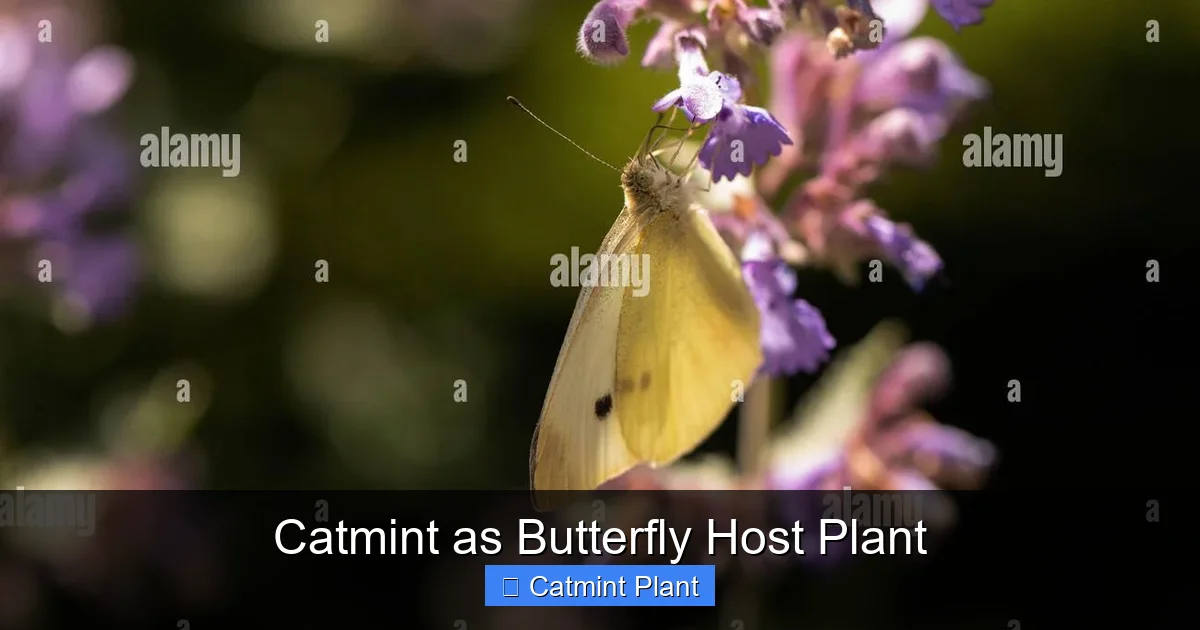
Research and gardener observations confirm several butterflies use catmint as butterfly host plant. The common buckeye (Junonia coenia) is the most frequently reported. Various skipper species also utilize catmint. These include the silver-spotted skipper, fiery skipper, and sachem skipper. Some reports mention painted ladies and red admirals using catmint occasionally.
Regional differences matter. Butterfly populations vary by geography. A catmint patch in Texas may host different species than one in Minnesota. Local butterfly field guides help identify which species in your area might use catmint. Observing your own plants teaches you more than any book. Watch for eggs on leaf undersides. Look for chewing damage and frass (caterpillar droppings).
Growing Catmint Successfully
Site Selection and Soil Preparation
Catmint thrives in full sun. It needs at least six hours of direct sunlight daily. Partial shade reduces flowering and makes plants leggy. Well-drained soil is essential. Catmint hates wet feet. Heavy clay soils should be amended with compost and coarse sand. Raised beds work well in poorly drained areas.
Visual guide about Catmint as Butterfly Host Plant
Image source: c8.alamy.com
Soil fertility requirements are low. Rich soil produces floppy growth with fewer flowers. Lean soil encourages compact habit and abundant blooms. Avoid fertilizing established catmint. A light compost top-dressing in spring is plenty. The plant’s natural range includes rocky, nutrient-poor slopes. Mimic those conditions for best results.
Planting Techniques
Spring planting gives catmint time to establish before summer heat. Fall planting works in mild climates. Space plants eighteen to twenty-four inches apart. They spread gradually. Dig holes twice the width of the root ball. Plant at the same depth as the container. Water thoroughly after planting. Mulch with gravel or coarse bark to keep crowns dry.
Consider planting in groups of three or five. Mass plantings create stronger visual impact. They also help butterflies locate the host plant. Scattered single plants are harder for butterflies to find. Groupings mimic natural plant communities. This design approach benefits both aesthetics and ecology.
Watering and Establishment
New plants need regular water for the first growing season. Water deeply once weekly during dry spells. Established catmint is remarkably drought tolerant. Its deep taproot accesses moisture far below the surface. Overwatering causes root rot and fungal issues. Let soil dry between waterings.
Container-grown catmint needs more frequent watering. Pots dry out faster than ground soil. Check daily in hot weather. Ensure containers have drainage holes. Use gritty potting mix designed for Mediterranean plants. Avoid moisture-retentive mixes with water-holding crystals.
Maintenance Practices
Deadheading extends the bloom period. Shear plants back by one-third after the first flush fades. This promotes a second bloom cycle. In hot climates, a mid-summer cutback rejuvenates tired foliage. Cut to six inches above ground. New growth emerges within weeks.
Division every three to four years maintains vigor. Spring division works best. Dig the entire clump. Separate into sections with roots and shoots. Replant immediately. Share divisions with fellow butterfly gardeners. This spreads the host plant network through your community.
Winter care is minimal. Leave dead foliage standing. It protects the crown and provides overwintering sites for beneficial insects. Cut back in early spring before new growth appears. In very cold regions, a light mulch after ground freeze adds protection.
Designing a Butterfly Garden with Catmint
Companion Planting Strategies
Catmint as butterfly host plant works best within a diverse planting. Combine with nectar plants that bloom at different times. Early spring bulbs feed emerging butterflies. Summer perennials sustain them. Fall asters and goldenrods fuel migration. This succession ensures continuous resources.
Good companions include coneflowers, black-eyed susans, bee balm, and salvias. Native grasses add structure and overwintering habitat. Shrubs like buttonbush and spicebush support additional butterfly species. Layer plants by height. Tall plants at the back, catmint in the middle, low creepers in front. This creates visual depth and microhabitats.
Creating Host Plant Clusters
Butterflies find host plants more easily when they’re grouped. Plant at least five catmint plants together. Ten is better. This creates a target visible from the air. It also ensures enough foliage to support multiple caterpillars without defoliating the plants.
Scatter several clusters throughout your garden. This reduces predation pressure. Predators learn to search where caterpillars are concentrated. Distributed clusters make hunting less efficient. It also mimics natural distribution patterns. Butterflies encounter host plants as they move through the landscape.
Incorporating Water and Shelter
Butterflies need more than food. Provide shallow water sources. A saucer with sand and water works. Add flat stones for basking. Butterflies warm their flight muscles in morning sun. Dense shrubs or ornamental grasses offer night roosting and storm shelter. A brush pile in a corner supports overwintering species.
Avoid pesticides entirely. Even organic treatments can harm caterpillars. Bacillus thuringiensis (Bt) kills butterfly larvae along with pest caterpillars. Accept some leaf damage. It means your host plants are working. The goal is ecosystem balance, not pristine foliage.
Observing and Supporting the Butterfly Life Cycle
Identifying Eggs and Caterpillars
Learning to recognize butterfly eggs transforms your gardening experience. Common buckeye eggs are tiny, green, and laid singly on leaf undersides. Skipper eggs are similar but often in short rows. A hand lens helps. Check plants weekly during flight season. Morning light makes eggs easier to spot.
Young caterpillars are minuscule. They create characteristic feeding patterns. Buckeye caterpillars skeletonize leaves, leaving veins intact. Skippers fold leaves with silk to create shelters. Frass pellets on leaves signal caterpillar presence. Each species has distinct appearance. Field guides and apps like iNaturalist aid identification.
Protecting Vulnerable Stages
Eggs and young caterpillars face many threats. Birds, wasps, spiders, and ants prey on them. You can help without interfering excessively. Avoid disturbing plants when you see activity. Don’t remove caterpillars to “safer” locations. They know what they need. Trust their instincts.
If you want closer observation, consider a mesh enclosure. Place it over one plant with caterpillars. This allows viewing while excluding predators. Release adults when they emerge. Never collect caterpillars from the wild. Support populations by planting more host plants instead.
Documenting Your Observations
Keep a garden journal. Note dates of first butterfly sightings. Record egg-laying observations. Track caterpillar development. Photograph each stage. This data builds understanding of your local butterfly phenology. Share observations with citizen science projects. Journey North, iNaturalist, and Butterflies and Moths of North America welcome contributions.
Your records reveal patterns over years. You’ll learn which catmint varieties attract the most butterflies. You’ll notice timing shifts with climate changes. This knowledge makes you a better butterfly gardener. It also contributes to scientific understanding of pollinator populations.
Common Challenges and Solutions
Managing Catmint Aggressiveness
Some catmint varieties spread enthusiastically. ‘Six Hills Giant’ can overwhelm neighbors. Regular division controls spread. Install root barriers if needed. Choose clumping cultivars like ‘Walker’s Low’ for smaller spaces. Deadheading prevents self-seeding. Catmint seedlings may not resemble parents.
In ideal conditions, catmint can become weedy. Monitor edges of plantings. Remove unwanted volunteers promptly. Share divisions with gardening friends. Donate to community gardens. This spreads the butterfly habitat benefit while keeping your beds manageable.
Dealing with Floppy Growth
Rich soil, excess water, or insufficient sun cause floppy catmint. The solution is cultural correction. Stop fertilizing. Reduce watering. Ensure full sun exposure. Shear floppy plants back hard in early summer. They’ll regrow compact and sturdy. Staking looks unnatural and isn’t necessary with proper conditions.
Some cultivars are naturally more upright. ‘Blue Wonder’ and ‘Junior Walker’ stay tidy. ‘Walker’s Low’ despite its name, can reach thirty inches. Research growth habits before purchasing. Match the plant to your space and maintenance willingness.
Pest and Disease Issues
Catmint is remarkably pest-resistant. Its aromatic oils deter most herbivores. Occasionally aphids appear on new growth. Blast them off with water. Spider mites may attack in hot, dry conditions. Increase humidity with occasional overhead watering. Fungal issues arise from poor air circulation. Space plants properly. Prune to open centers.
Root rot occurs in poorly drained soil. This is the most serious problem. Prevention through site selection and soil preparation is far easier than treatment. If rot appears, remove affected plants. Improve drainage before replanting. Consider raised beds or containers for problem areas.
When Caterpillars Defoliate Plants
Heavy caterpillar feeding can strip catmint foliage. This alarms some gardeners. Remember: this is success! Your host plant is fulfilling its purpose. Established catmint recovers quickly from defoliation. The taproot stores energy for regrowth. New leaves appear within weeks.
If appearance bothers you, plant extra catmint. Designate some plants for caterpillars, others for display. Or position host plant clusters behind showier perennials. The damaged foliage hides while the plant recovers. This strategy lets you enjoy both butterflies and aesthetics.
Expanding Your Butterfly Habitat
Adding Complementary Host Plants
Catmint as butterfly host plant supports specific species. Diversify to support more butterflies. Add milkweed for monarchs. Plant parsley, dill, and fennel for swallowtails. Include violets for fritillaries. Grow native grasses for skippers and satyrs. Each host plant expands your garden’s butterfly roster.
Research host plants for butterflies in your region. State extension offices provide lists. Native plant societies offer guidance. Prioritize native host plants when possible. They support the most specialized relationships. But don’t discard valuable non-natives like catmint. They fill gaps and extend seasons.
Seasonal Succession Planning
Butterflies need host plants throughout the growing season. Catmint blooms late spring to fall. Early spring butterflies need different hosts. Willows, cherries, and violets serve early species. Late season butterflies use asters and goldenrods. Plan your plantings for continuous availability.
Consider planting catmint in stages. Cut back some plants in early summer. They’ll regrow and bloom when others fade. This extends the nectar and host plant window. Staggered maintenance creates a rolling buffet for butterflies. It also keeps your garden looking fresh longer.
Community-Scale Impact
Your garden connects to a larger landscape. Talk to neighbors about butterfly gardening. Share catmint divisions. Encourage municipal planting of pollinator-friendly species. School gardens, church grounds, and corporate campuses offer habitat potential. A network of small gardens creates meaningful habitat corridors.
Advocate for reduced mowing in public spaces. Support pesticide ordinances. Participate in community science projects. Your individual garden matters. Collective action transforms neighborhoods matter more. Catmint as butterfly host plant in dozens of yards creates population-level benefits.
Conclusion
Catmint as butterfly host plant offers remarkable value for pollinator gardens. It feeds adults and larvae. It thrives with minimal care. It blooms for months. It resists deer and drought. Few plants deliver so much ecological function with so little demand. Whether you have a sprawling property or a modest patio, catmint fits.
Start with a few plants. Observe what arrives. Learn the butterflies in your neighborhood. Expand gradually. Share your successes. The ripple effect of one gardener choosing catmint as butterfly host plant extends far beyond their property line. Together, we stitch together a landscape where butterflies complete their miraculous transformations. Your garden becomes a chapter in their story. That’s a legacy worth growing.
Frequently Asked Questions
Is catmint the same as catnip?
Catmint (Nepeta faassenii and hybrids) and catnip (Nepeta cataria) are different species in the same genus. Both can serve as butterfly host plants, but catmint is more ornamental with showier flowers and a tidier growth habit.
When should I cut back catmint for butterfly habitat?
Cut back catmint in early spring before new growth emerges. Leave dead foliage standing through winter to protect overwintering insects. Avoid mid-season cutting when caterpillars may be present on the plants.
Does catmint spread aggressively in the garden?
Some catmint cultivars spread more than others. ‘Six Hills Giant’ can be aggressive, while ‘Walker’s Low’ and ‘Junior Walker’ are more clump-forming. Regular division every three to four years controls spread effectively.
What soil conditions does catmint prefer?
Catmint thrives in lean, well-drained soil with full sun. Rich soil and excessive moisture cause floppy growth and fewer flowers. Avoid fertilizing established plants for best performance and butterfly value.
Can I grow catmint from seed for butterfly habitat?
Yes, catmint grows readily from seed started indoors six to eight weeks before last frost. However, named cultivars won’t come true from seed. For specific varieties, purchase plants or propagate by division.
How do I know if butterflies are using my catmint as a host plant?
Look for tiny eggs on leaf undersides, caterpillars feeding on foliage, characteristic leaf damage patterns, and frass (droppings) on leaves. A hand lens helps spot early stages. Regular observation reveals the complete life cycle.