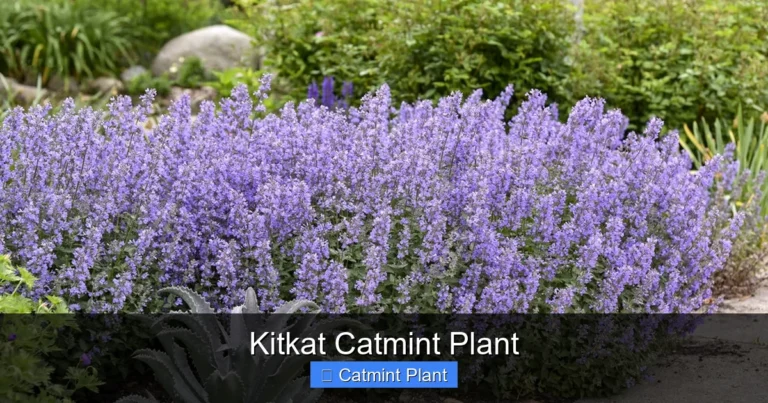
How Big Is a Mature Catmint Plant
A mature catmint plant typically reaches 12 to 24 inches tall and spreads 18 to 30 inches wide, depending on variety and growing conditions. Proper spacing and regular pruning keep it tidy and encourage repeat blooms.
When you add a catmint plant to your garden you want to know how big it will get. A mature catmint plant can surprise you with its size. Understanding the typical dimensions helps you plan spacing and design.
Most gardeners ask how tall and how wide a mature catmint plant becomes. The answer depends on the variety you choose and the care you give it. This guide breaks down the numbers and gives practical tips.
You will learn the height range, the spread range, and the factors that influence growth. You will also discover spacing guidelines, pruning advice, and design ideas. Let’s dive in.
Key Takeaways
- Height Range: Most mature catmint plants grow between 12 and 24 inches tall.
- Spread Range: Expect a spread of 18 to 30 inches at full size.
- Variety Matters: Compact cultivars stay smaller, while larger types can exceed 30 inches wide.
- Spacing Is Key: Plant 18 to 24 inches apart to allow air flow and prevent crowding.
- Pruning Controls Size: Light shearing after the first flush keeps the plant compact.
- Soil and Sun Influence Growth: Full sun and well‑drained soil produce the biggest, healthiest specimens.
- Container Growing Limits Size: Pots restrict root spread, resulting in a smaller mature catmint plant.
Quick Answers to Common Questions
How tall does a mature catmint plant get?
A mature catmint plant typically reaches 12 to 24 inches tall depending on the cultivar.
What is the spread of a mature catmint plant?
The spread usually ranges from 18 to 30 inches wide at full maturity.
Can I keep a mature catmint plant smaller?
Yes, regular pruning and container growing limit the size of a mature catmint plant.
Does sun affect the size of a mature catmint plant?
Full sun produces the largest mature catmint plant while shade reduces height and spread.
How often should I divide a mature catmint plant?
Divide every three years to maintain vigor and control the spread of a mature catmint plant.
📑 Table of Contents
Understanding Catmint Basics
What Is Catmint?
Catmint is a perennial herb known for its aromatic foliage and lavender blue flowers. It belongs to the genus Nepeta. The plant attracts bees, butterflies, and hummingbirds. A mature catmint plant releases a pleasant scent when brushed.
The leaves are gray green and slightly fuzzy. The stems are square, a trait of the mint family. The flowers appear in spikes from late spring to early fall. A mature catmint plant can bloom repeatedly if deadheaded.
Common Varieties and Their Sizes
There are many cultivars on the market. ‘Walker’s Low’ is a popular compact type that stays around 12 inches tall and 18 inches wide. ‘Six Hills Giant’ is a larger selection that can reach 24 inches tall and 30 inches wide. A mature catmint plant of each variety shows distinct size differences.
‘Cat’s Pajamas’ is a dwarf form that stays under 10 inches tall. ‘Blue Wonder’ grows to about 18 inches tall and 24 inches wide. Choosing the right cultivar sets the expectation for the final size of your mature catmint plant.
Always check the plant tag for the mature height and spread. Tags give a reliable range for a mature catmint plant under average conditions. This information guides spacing decisions.
Growth Habit and Lifecycle
Catmint forms a low mound that expands each year. The plant sends up new stems from the crown in spring. By midsummer the clump reaches its full size. This habit makes it easy to predict the space it will need.
After flowering the foliage may look tired. A light shear restores a tidy shape. The plant then stores energy in the roots for the next season. Understanding this cycle helps you plan maintenance.
Hardiness Zones and Climate Adaptation
Most catmint varieties thrive in USDA zones 3 through 8. They tolerate cold winters and hot summers. In cooler zones the plant may die back to the ground. In warm zones it stays evergreen.
Microclimates in your garden can shift the effective zone. A sunny wall adds warmth. A low spot collects frost. Observe your site before choosing a cultivar.
Remember that catmint is a low maintenance perennial. Once established it tolerates drought and poor soil. A little attention each spring keeps it looking its best.
Typical Dimensions of a Mature Catmint Plant
Height Range
Most mature catmint plants reach a height between 12 and 24 inches. Compact varieties stay near the low end. Larger varieties push toward the high end. The height is measured from the soil line to the top of the flower spikes.
In ideal sun and soil a mature catmint plant may exceed the listed maximum by a few inches. In shade or poor soil the plant stays shorter. Monitoring the plant each season helps you track actual growth.
Spread Range
The spread of a mature catmint plant typically falls between 18 and 30 inches. This measurement is the width of the foliage clump at its widest point. A mature catmint plant that is well spaced will fill its allotted area without crowding neighbors.
If you plant too close the clumps merge and the spread appears larger. If you give each plant room the spread stays within the expected range. Regular division every three years also keeps the spread in check.
Factors Influencing Size
Sunlight is the biggest factor. Full sun produces the tallest and widest mature catmint plant. Partial shade reduces both height and spread. Aim for at least six hours of direct sun daily.
Soil drainage matters. Well drained loam encourages vigorous root growth. Heavy clay or soggy soil stunts a mature catmint plant. Amending with compost improves drainage and boosts size.
Water and nutrition also play roles. Consistent moisture during establishment leads to a larger mature catmint plant. Over fertilizing with nitrogen can cause floppy growth. A balanced slow release fertilizer applied in spring is ideal.
Size Variations by Cultivar
Different cultivars show distinct size ranges. Dwarf types stay under ten inches tall. Mid‑size selections reach fifteen to eighteen inches. Giant forms can exceed twenty four inches. Check the label for the specific range.
When you mix cultivars the overall look varies. Taller varieties create a backdrop. Shorter types fill the front. This layering adds depth to a border.
Effect of Climate on Size
Cool, wet springs can delay growth. The plant may stay shorter early on. Hot, dry summers can push rapid expansion. Adequate water moderates these swings.
In regions with long growing seasons the clump reaches its maximum spread. In short seasons it may remain compact. Adjust expectations based on your local climate.
Use a tape measure each season to track actual size. Write the numbers in a garden journal. This habit turns guesswork into reliable data for future planting.
How to Measure and Predict Growth
Reading Plant Labels
Plant labels list the expected mature height and spread for a mature catmint plant. Look for the terms “height” and “width” or “spread.” The numbers are usually given in inches. They reflect average garden conditions.
If the label shows a range, plan for the upper end. This prevents future crowding. Write the numbers down and use them when you layout your bed. A mature catmint plant that exceeds the label is a pleasant surprise.
Using Growth Charts
Many university extension sites publish growth charts for common perennials. These charts show the size of a mature catmint plant at one, two, and three years. They help you visualize the timeline.
Compare your plant’s current measurements to the chart. If your plant is ahead of schedule, you may need to divide sooner. If it lags, check sun, soil, and water. Adjust care to bring the mature catmint plant back on track.
Observing Seasonal Changes
In early spring the plant emerges as a low mound. By midsummer a mature catmint plant reaches its full height. Flower spikes add a few inches above the foliage. Note the maximum height each year.
In fall the foliage may die back in cold climates. The root crown remains alive. Spring regrowth often matches the previous year’s size. Tracking this cycle gives you a reliable prediction for the next mature catmint plant.
Using a Garden Journal
Write down the date you plant and the initial height. Record monthly measurements of height and width. Note any fertilizer or water changes. A simple notebook works well.
Over years you build a growth history. This data shows trends and helps you predict future size. It also reveals when division is needed. Consistent records make planning easier.
Photographic Tracking
Take a photo of the plant from the same spot each month. Use a ruler or a known object for scale. Compare images side by side. Visual records catch changes you might miss.
Create a simple album on your phone. Label each picture with the date. Share the series with a gardening friend for feedback. This habit sharpens your observation skills.
Combine notes and photos for a complete picture. Review them before the next planting season. Adjust spacing or variety choices based on what you learned.
Spacing and Planting Strategies
Recommended Spacing Guidelines
Space each mature catmint plant 18 to 24 inches apart. This distance allows air to circulate and reduces disease pressure. It also gives each clump room to reach its natural spread.
If you plant a row for a border, keep the same spacing. Stagger the plants in a zigzag pattern for a fuller look. The mature catmint plant will knit together without becoming a solid wall.
For mass plantings, you can reduce spacing to 15 inches if you plan to divide every two years. Tighter spacing creates a quick carpet of color. Just remember the mature catmint plant will need more frequent maintenance.
Companion Planting Considerations
Catmint pairs well with roses, salvia, and ornamental grasses. The mature catmint plant’s low mound hides the bare stems of taller companions. Its scent also deters some pests.
Avoid planting near aggressive spreaders like mint or bee balm. They can outcompete a mature catmint plant for water and nutrients. Choose companions with similar sun and soil needs.
Container Growing Tips
A mature catmint plant in a pot stays smaller because the roots are confined. Choose a container at least 12 inches wide and deep. Use a high quality potting mix with good drainage.
Water container plants more often than ground plants. Fertilize monthly with a diluted liquid feed. Repot every two years to refresh soil and give the mature catmint plant room to grow.
Planting in Raised Beds
Raised beds improve drainage and warm soil faster. Space plants the same as in ground beds. The elevated soil encourages a vigorous root system. This often leads to a slightly larger clump.
Add a layer of compost to the bed each spring. Mulch the surface to retain moisture. The plant will reward you with abundant blooms. Monitor for any signs of overcrowding.
Interplanting with Bulbs
Plant spring bulbs like tulips among the catmint. The bulbs bloom early while the catmint foliage is still low. Later the catmint covers the fading bulb leaves. This extends seasonal interest.
Choose bulbs that naturalize and return each year. Avoid deep planting that disturbs catmint roots. The combination creates a layered look with minimal effort. Both plants share similar sun requirements.
Plan the layout on paper before you dig. Mark each planting spot with a stake. This simple step prevents costly mistakes later.
Maintenance Practices That Affect Size
Pruning and Deadheading
Light shearing after the first flush of flowers keeps a mature catmint plant compact. Cut back the stems by one third. This encourages a second bloom and prevents the plant from becoming leggy.
Deadhead spent blooms regularly. Removing faded flowers redirects energy to new growth. A mature catmint plant that is deadheaded stays tidy and maintains its expected height.
In late fall you can cut the foliage to the ground in cold climates. This cleans the bed and reduces overwintering pests. The mature catmint plant will return vigorously in spring.
Fertilization and Soil Health
Apply a balanced slow release fertilizer in early spring. Too much nitrogen makes a mature catmint plant floppy and overly tall. A 10‑10‑10 formula at half the recommended rate works well.
Add compost around the base each year. Compost improves soil structure and supplies micronutrients. Healthy soil supports a strong root system, which in turn supports a well proportioned mature catmint plant.
Watering Regimes
Water deeply but infrequently. This encourages deep roots and a sturdy mature catmint plant. Aim for one inch of water per week during the growing season.
Mulch with straw or shredded bark to retain moisture. Mulch also suppresses weeds that compete with a mature catmint plant. Avoid overhead watering to keep foliage dry and disease free.
Dividing Mature Plants
Divide the clump every three years in early spring. Lift the root ball with a fork. Separate into sections with healthy shoots. Replant each piece at the same depth.
Division rejuvenates the plant and controls spread. It also gives you new plants for other beds. Water the divisions well after planting. They establish quickly in warm soil.
Winter Protection
In cold zones apply a thick mulch after the ground freezes. Straw or shredded leaves work well. The mulch insulates the crown from freeze‑thaw cycles. Remove excess mulch in early spring.
Avoid heavy snow piles on the plant. Gently brush off snow to prevent stem breakage. In milder zones no extra protection is needed. The plant survives most winters unaided.
Schedule a yearly check in early spring. Look for dead stems, crowded centers, and soil compaction. Address issues promptly to keep the plant vigorous.
Design Ideas Using Mature Catmint
Border and Edging
Plant a line of mature catmint plants along a pathway. Their soft mounds create a gentle edge that guides the eye. The lavender flowers add color from late spring to fall.
Combine with low growing sedum or creeping thyme for texture contrast. The mature catmint plant’s height provides a backdrop for the ground covers. This combination stays neat with minimal trimming.
Mass Plantings for Impact
A drift of mature catmint plants creates a sea of blue in the garden. Space them 18 inches apart for a quick fill. The mass planting also attracts bees and butterflies in large numbers.
Use a single cultivar for uniformity or mix two heights for a layered effect. The mature catmint plant’s repeat bloom keeps the display fresh all season. Divide the drift every three years to maintain vigor.
Pollinator Gardens
Catmint is a magnet for pollinators. A mature catmint plant produces nectar rich flowers that bees love. Plant several together to create a pollinator hotspot.
Add native wildflowers like coneflower and black eyed Susan nearby. The mature catmint plant’s long bloom period bridges gaps between other flowers. This supports a continuous food source for beneficial insects.
Container Arrangements
Use a large pot for a focal point on a patio. Combine catmint with trailing lobelia and upright salvia. The mix provides height, color, and texture. Keep the pot in full sun for best performance.
Water the container daily in hot weather. Feed with a liquid fertilizer every two weeks. Rotate the pot occasionally for even light. The plant stays compact and blooms all season.
Edible Landscape Integration
Catmint leaves are edible and make a pleasant tea. Plant it near the kitchen garden for easy harvest. The aromatic foliage also repels some vegetable pests. This dual role adds value to the bed.
Harvest leaves in the morning for the best flavor. Dry them for later use or steep fresh. Avoid heavy harvesting during peak bloom. The plant continues to flower and attract pollinators.
Experiment with different companions each year. Observe which pairings thrive and which need tweaking. Your garden evolves into a personalized masterpiece.
Conclusion
Knowing the size of a mature catmint plant helps you design a garden that looks great and functions well. Choose the right variety, give it enough space, and follow simple care steps. Your catmint will reward you with months of color and fragrance.
Use the spacing guidelines, pruning tips, and design ideas from this guide. Track growth each season and adjust as needed. A well managed mature catmint plant becomes a reliable star in any sunny border.
Keep a simple record of bloom dates and plant height. This data helps you refine care each year. A little observation goes a long way.
Share your success with fellow gardeners. Community knowledge improves everyone’s results. Happy planting!
Enjoy the fragrance and the pollinators that visit. Your garden becomes a haven for wildlife.
Watch it thrive season after season.
Your effort pays off with beauty.
Frequently Asked Questions
What soil is best for a mature catmint plant?
A well drained loam with a neutral pH works best. Amend heavy clay with compost to improve drainage.
When should I prune a mature catmint plant?
Shear after the first bloom in early summer and again in late fall if desired.
Can a mature catmint plant survive winter in cold zones?
Yes, most cultivars are hardy to USDA zone 3. Mulch the crown for extra protection.
How do I propagate a mature catmint plant?
Divide the root clump in spring or take softwood cuttings in early summer.
What pests bother a mature catmint plant?
Aphids and spider mites may appear. Strong water spray or insecticidal soap controls them.
Is a mature catmint plant deer resistant?
Yes, the aromatic foliage deters deer and rabbits in most gardens.