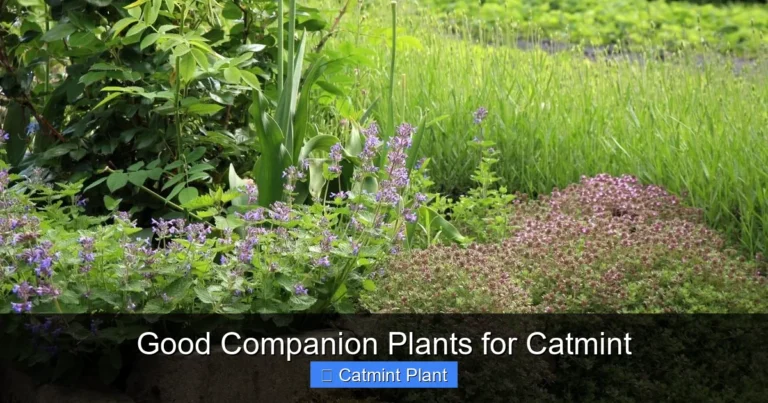
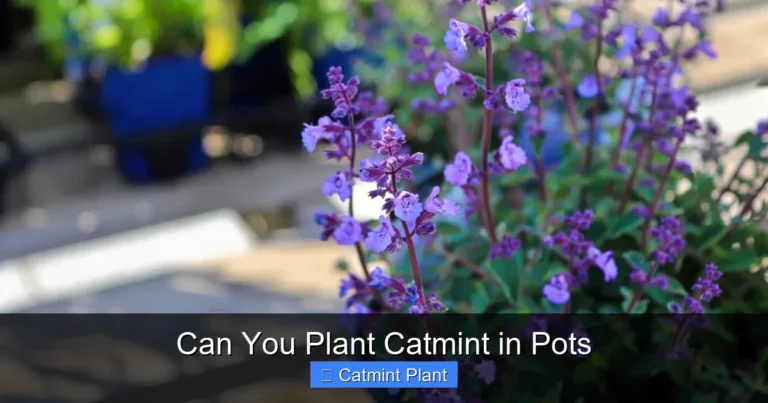
Catmint Similar Plants
Catmint similar plants give you the same aromatic foliage and long bloom time with different colors and sizes. They thrive in sunny spots, need little water, and attract bees and butterflies.
Catmint similar plants are a great choice for any garden. They share the same minty scent and long flowering period. You can find many varieties that fit different spaces. These plants tolerate heat and cold alike. They also resist most common garden pests. You will enjoy color from early summer to frost.
Gardeners love catmint similar plants because they need little care. They tolerate drought and poor soil. Their flowers attract bees and butterflies all summer. The foliage stays aromatic even after cutting. You can plant them once and watch them return each year. They make a reliable backbone for any border.
In this guide we explore the best catmint similar plants for sun and shade. We also share planting tips and design ideas. You will learn how to keep them healthy year after year. The advice works for beginners and seasoned growers alike. Follow the steps and enjoy a thriving garden. Your neighbors will ask for your secret.
Key Takeaways
- Variety: Many catmint similar plants offer unique flower shades.
- Low maintenance: Most need little water once established.
- Pollinator friendly: Bees and butterflies love the nectar.
- Versatile design: Use them in borders, containers, or rock gardens.
- Deer resistant: Their scent keeps browsing animals away.
- Easy propagation: Division or cuttings work well.
- Season long color: Blooms from early summer to frost.
Quick Answers to Common Questions
What are catmint similar plants?
Catmint similar plants are perennials that share the minty scent and long bloom time of true catmint. They come in many colors and sizes for different garden spots.
Which catmint similar plants grow best in full sun?
Varieties like Nepeta faassenii, Nepeta racemosa, and Walker’s Low thrive in full sun. They need well‑drained soil and little water once established.
Can catmint similar plants tolerate shade?
Yes, types such as Nepeta subsessilis, Nepeta grandiflora, and Blue Wonder perform well in partial shade. They prefer moist, rich soil and regular watering.
How do I propagate catmint similar plants?
Division in spring or fall works best. You can also take softwood cuttings in early summer. Both methods produce new plants quickly.
Are catmint similar plants deer resistant?
The strong fragrance deters deer and rabbits. Most gardeners report little browsing damage. This makes them a safe choice for open yards.
📑 Table of Contents
Why Choose Catmint Similar Plants
Benefits for Pollinators
Catmint similar plants produce nectar that bees love. Butterflies visit the bright spikes all day. The long bloom season feeds pollinators for months. You help local ecosystems by planting them. The scent also deters harmful insects. Your garden becomes a lively habitat.
Catmint similar plants attract hummingbirds with tubular flowers. The bright colors guide them to the nectar. You can watch aerial acrobatics near the plants. This adds joy to morning coffee. The plants need no extra feeders. Nature does the work for you.
Low Water Needs
Catmint similar plants thrive on minimal watering once established. Their deep roots find moisture far below. You can skip daily irrigation in hot weeks. Mulch helps retain soil moisture longer. The plants stay green even in dry spells. This saves time and water bills.
Catmint similar plants prefer well‑drained soil and hate soggy feet. Overwatering leads to root rot quickly. Check the soil before adding water. A simple finger test works best. Adjust watering to rainfall patterns. Healthy roots mean more flowers.
Top Catmint Similar Plants for Full Sun
Nepeta faassenii
Catmint similar plants like Nepeta faassenii bloom in soft lavender. The compact habit fits small beds and edges. It flowers from June to September without pause. Deadheading encourages a second flush. The foliage stays fragrant all season. This variety is a classic favorite.
Catmint similar plants such as Nepeta faassenii tolerate full sun and heat. They need little fertilizer to perform well. Space plants 12 inches apart for air flow. The clumps spread slowly and stay tidy. Divide every three years to renew vigor. You get reliable color each year.
Nepeta racemosa
Catmint similar plants like Nepeta racemosa show spikes of deep blue. The taller stems add vertical interest to borders. Blooms appear early summer and continue to frost. Bees swarm the flowers on warm days. The plant tolerates poor soil easily. It works well in meadow style plantings.
Catmint similar plants such as Nepeta racemosa need full sun for best color. Light shade reduces flower count slightly. Cut back after the first bloom for a tidy look. The stems stay upright without staking. This variety reseeds gently in open ground. You may find volunteers next spring.
Nepeta Walker’s Low
Catmint similar plants named Walker’s Low offer a low mound of violet. The compact form suits rock gardens and containers. Flowers keep coming from June to October. The scent is stronger than many relatives. It resists deer and rabbit browsing. This cultivar wins awards for performance.
Catmint similar plants like Walker’s Low thrive in hot, dry sites. They need well‑drained soil and little water. Trim back in early spring to shape the mound. The plant recovers quickly after pruning. Use it as a ground cover under taller perennials. It creates a living carpet of color.
Top Catmint Similar Plants for Partial Shade
Nepeta subsessilis
Catmint similar plants such as Nepeta subsessilis tolerate light shade well. The flowers are pale lavender with a sweet scent. Blooms start in early summer and last into fall. The plant forms a neat clump about 18 inches tall. It pairs nicely with hostas and ferns. This variety adds soft color to shady corners.
Catmint similar plants like Nepeta subsessilis prefer moist, rich soil. Mulch helps keep roots cool in summer. Water regularly during dry spells for best show. Remove spent flowers to encourage rebloom. The foliage stays attractive after flowering. It is a low‑maintenance shade performer.
Nepeta grandiflora
Catmint similar plants named Nepeta grandiflora produce large pink spikes. The blooms rise above the foliage for a striking look. They flower from midsummer to early autumn. Butterflies love the open flowers. The plant tolerates morning sun and afternoon shade. It adds height to shaded borders.
Catmint similar plants such as Nepeta grandiflora need consistent moisture. Avoid letting the soil dry out completely. Fertilize lightly in spring for stronger stems. Cut back after frost to tidy the garden. The crown survives winter in most zones. It returns reliably each year.
Nepeta Blue Wonder
Catmint similar plants called Blue Wonder show vivid blue flowers. The compact habit fits containers on shaded patios. Blooms appear continuously from June to September. The scent is mild but pleasant. This cultivar resists powdery mildew well. It brightens dark corners with cool color.
Catmint similar plants like Blue Wonder prefer well‑drained soil even in shade. Water at the base to keep leaves dry. Apply a thin layer of compost each spring. Pinch back early growth for bushier plants. The plant stays tidy without staking. It is perfect for small space gardening.
Growing Tips for Catmint Similar Plants
Soil Preparation
Catmint similar plants thrive in loose, well‑drained soil. Add compost to improve texture and nutrients. A pH between 6.0 and 7.5 works best. Avoid heavy clay that holds water. Raised beds help in wet climates. Good soil sets the stage for strong growth.
Catmint similar plants benefit from a light mulch layer. Mulch conserves moisture and suppresses weeds. Keep mulch away from the crown to prevent rot. Refresh mulch each spring for best results. The plants reward you with more blooms. Healthy roots equal healthy flowers.
Watering Schedule
Catmint similar plants need regular water only during establishment. After the first season they become drought tolerant. Water deeply once a week in extreme heat. Allow the top inch of soil to dry between waterings. Overwatering causes root problems quickly. A simple schedule keeps them happy.
Catmint similar plants show stress by wilting leaves. Check soil moisture before adding water. Early morning watering reduces evaporation. Drip irrigation delivers water efficiently. Adjust for rainfall to avoid soggy roots. Consistent care yields continuous flowering.
Pruning and Division
Catmint similar plants respond well to light pruning. Cut back spent flower spikes to encourage rebloom. In early spring trim old woody stems to the base. This promotes fresh, vigorous growth. Division every three years renews crowded clumps. Replant divisions at the same depth.
Catmint similar plants divided in fall establish before winter. Water new divisions well after planting. Mulch lightly to protect young roots. Expect a full display the following summer. Regular division prevents center die‑out. Your garden stays full and colorful.
Design Ideas Using Catmint Similar Plants
Border Plantings
Catmint similar plants create a soft edge along pathways. Their mounded habit hides bare soil nicely. Plant them in groups of three for impact. The repeating color guides the eye forward. Pair with ornamental grasses for texture. The border stays attractive all season.
Catmint similar plants work well with roses and salvias. The contrasting heights add depth to the bed. Choose varieties with staggered bloom times. This ensures continuous color from spring to frost. The scent drifts along the walkway. Visitors notice the fragrance instantly.
Container Gardens
Catmint similar plants thrive in pots on sunny patios. Use a well‑draining potting mix with perlite. Choose a container at least 12 inches wide. Water when the top inch feels dry. Fertilize monthly with a balanced liquid feed. The plant spills gracefully over the rim.
Catmint similar plants in containers attract pollinators close to seating. You can move pots to follow the sun. Combine with trailing petunias for a cascade effect. Deadhead regularly to keep the display tidy. The fragrance enhances outdoor dining. Containers make the plant portable.
Rock Garden Accents
Catmint similar plants fit perfectly among stones and gravel. Their low growth hugs the rocks naturally. The silvery foliage contrasts with dark stone. Flowers pop against the neutral background. They require little soil amendment in rocky sites. This creates a low‑maintenance alpine look.
Common Problems and Solutions
Powdery Mildew
Catmint similar plants sometimes develop powdery mildew in humid weather. The white coating appears on leaves and stems. Improve air flow by spacing plants properly. Water at the base to keep foliage dry. Apply a homemade baking soda spray weekly. The problem usually clears quickly.
Catmint similar plants resistant varieties reduce mildew risk. Choose cultivars labeled mildew resistant. Remove infected leaves promptly to stop spread. Avoid overhead watering in the evening. A sunny location helps keep leaves dry. Healthy plants bounce back fast.
Root Rot
Catmint similar plants hate soggy roots and develop rot quickly. Yellowing leaves and mushy stems signal trouble. Ensure the planting hole drains well. Add coarse sand or grit to heavy soil. Reduce watering during rainy periods. Early action saves the plant.
Catmint similar plants recovered from rot by replanting in fresh soil. Cut away all blackened roots before replanting. Treat the remaining roots with a fungicide dust. Water sparingly until new growth appears. Monitor for any recurrence. Good drainage prevents future loss.
Pest Aphids
Catmint similar plants occasionally attract aphids on new growth. The tiny insects cluster on stems and buds. Spray a strong jet of water to dislodge them. Introduce ladybugs for natural control. Insecticidal soap works for heavy infestations. Regular checks keep populations low.
Conclusion
Catmint similar plants offer beauty, fragrance, and wildlife value with minimal effort. You can choose sun‑loving or shade‑tolerant types for any spot. Follow the simple care steps and enjoy years of color. Your garden will become a haven for pollinators. Share divisions with friends to spread the joy. Happy planting!
Catmint similar plants are versatile enough for borders, containers, and rock gardens. Their long bloom season keeps the landscape lively. Low water needs make them ideal for busy gardeners. The deer‑resistant trait protects your investment. Experiment with different cultivars for unique combos. The possibilities are endless.
Catmint similar plants reward you with scent, color, and ecological benefits. Start with one variety and expand as you learn. Observe how they interact with other perennials. Adjust care based on your climate and soil. The journey of gardening becomes richer with each season. Enjoy the process and the results.
Catmint similar plants thrive when you rotate planting locations each year. This practice reduces soil borne diseases and keeps nutrients balanced. Choose a new spot with similar sun exposure. The plants will establish quickly in fresh ground. You will notice stronger stems and more blooms. Rotate every two to three years for best results.
Catmint similar plants pair beautifully with lavender and sage in herb gardens. The combined aromas create a sensory pathway. Plant them in drifts for a natural look. The mixed foliage textures add visual interest. Pollinators visit the whole area throughout the day. This design works in both formal and cottage styles.
Catmint similar plants can be used as a living mulch around vegetables. Their dense foliage shades the soil and suppresses weeds. The aromatic leaves deter many common pests. Harvest the tops for tea while the plants keep working. This dual purpose maximizes garden space. Try it in raised beds for easy access.
Catmint similar plants respond well to a light feeding of compost tea in midsummer. The liquid fertilizer boosts flower production without excess growth. Apply once a month during the peak bloom period. Avoid high nitrogen formulas that cause floppy stems. The plants stay compact and colorful. This simple step extends the display into fall.
Catmint similar plants make excellent cut flowers for indoor arrangements. Snip stems early in the morning for the longest vase life. Place them in cool water with a pinch of sugar. The fragrance fills the room for days. Change water every two days to keep them fresh. Enjoy garden beauty inside your home.
Frequently Asked Questions
What soil do catmint similar plants prefer?
Catmint similar plants like loose, well‑drained soil with a neutral pH. Adding compost improves texture and fertility.
How often should I water catmint similar plants?
Water regularly during the first season. After establishment, water deeply only during prolonged dry spells.
When is the best time to prune catmint similar plants?
Prune after the first flush of flowers in midsummer. A light trim in early spring also encourages fresh growth.
Do catmint similar plants attract pollinators?
Yes, bees, butterflies, and hummingbirds visit the nectar‑rich flowers throughout the season.
Can catmint similar plants be grown in containers?
Absolutely. Use a pot at least 12 inches wide with a well‑draining mix. Water when the top inch of soil feels dry.
What common diseases affect catmint similar plants?
Powdery mildew and root rot are the main issues. Good air flow, proper watering, and resistant varieties keep problems minimal.