
Blue Wonder Catmint Plant
The Blue Wonder Catmint Plant (Nepeta x faassenii ‘Blue Wonder’) is a compact, award-winning perennial that delivers months of lavender-blue flowers and aromatic gray-green foliage. This drought-tolerant, deer-resistant beauty thrives in full sun and poor soil, making it perfect for beginner gardeners and pollinator-friendly landscapes alike.
Key Takeaways
- Compact Growth Habit: Blue Wonder Catmint Plant reaches just 12-18 inches tall and wide, making it ideal for borders, containers, and small garden spaces.
- Long Bloom Season: Enjoy lavender-blue flowers from late spring through early fall with proper deadheading.
- Pollinator Magnet: Bees, butterflies, and hummingbirds flock to the nectar-rich blooms all season long.
- Drought Tolerant: Once established, this plant thrives with minimal watering and handles hot, dry conditions beautifully.
- Deer and Rabbit Resistant: The aromatic foliage naturally repels browsing animals without chemicals.
- Low Maintenance: Requires little more than annual pruning and occasional deadheading for continuous blooms.
- Versatile Design Uses: Works in rock gardens, cottage gardens, Mediterranean landscapes, and as edging along pathways.
Quick Answers to Common Questions
How tall does Blue Wonder Catmint Plant grow?
Blue Wonder Catmint Plant reaches a compact height of 12 to 18 inches tall and spreads 12 to 18 inches wide, making it perfect for borders and containers.
When does Blue Wonder Catmint Plant bloom?
Blue Wonder Catmint Plant blooms from late spring through early fall, with the heaviest flush in early summer and a second wave after mid-season shearing.
Is Blue Wonder Catmint Plant deer resistant?
Yes, Blue Wonder Catmint Plant is highly deer and rabbit resistant due to its aromatic foliage that contains essential oils animals find unpalatable.
How often should I water Blue Wonder Catmint Plant?
Water regularly during the first growing season to establish roots. Once established, Blue Wonder Catmint Plant is drought tolerant and needs water only during prolonged dry spells.
Can Blue Wonder Catmint Plant grow in shade?
Blue Wonder Catmint Plant requires full sun (6+ hours) for best flowering and compact growth. It tolerates light afternoon shade in hot climates but will become leggy in too much shade.
📑 Table of Contents
- Meet the Blue Wonder Catmint Plant: A Garden Superstar
- What Makes Blue Wonder Catmint Plant Special
- Ideal Growing Conditions for Blue Wonder Catmint Plant
- Planting Blue Wonder Catmint Plant Successfully
- Seasonal Care and Maintenance
- Designing with Blue Wonder Catmint Plant
- Common Problems and Solutions
- Propagating Blue Wonder Catmint Plant
- Blue Wonder Catmint Plant vs. Other Popular Varieties
- Frequently Asked Questions About Blue Wonder Catmint Plant
- Conclusion: Why Every Garden Needs Blue Wonder Catmint Plant
Meet the Blue Wonder Catmint Plant: A Garden Superstar
If you have ever walked past a garden buzzing with bees and butterflies, chances are you have seen the Blue Wonder Catmint Plant stealing the show. This compact perennial has earned its reputation as one of the most reliable, beautiful, and easy-care plants you can add to your landscape. I remember the first time I planted it in my own front yard. Within weeks, it became the neighborhood hotspot for every pollinator within a mile radius.
The Blue Wonder Catmint Plant, botanically known as Nepeta x faassenii ‘Blue Wonder’, is a cultivated variety that improves upon the classic catmint in every way. It stays neater, blooms longer, and offers a more intense flower color than many of its cousins. Whether you are a seasoned gardener or just planting your first flower bed, this plant delivers professional-looking results with beginner-level effort. Let me walk you through everything you need to know to grow, care for, and design with this garden gem.
What Makes Blue Wonder Catmint Plant Special
Award-Winning Pedigree
The Blue Wonder Catmint Plant is not just another pretty face in the garden. It earned the prestigious Award of Garden Merit from the Royal Horticultural Society, a distinction reserved for plants that prove exceptional in real-world garden conditions. This award means experts have tested it across different climates, soil types, and care levels, and it passed with flying colors. When you plant Blue Wonder Catmint Plant, you are planting a proven performer.
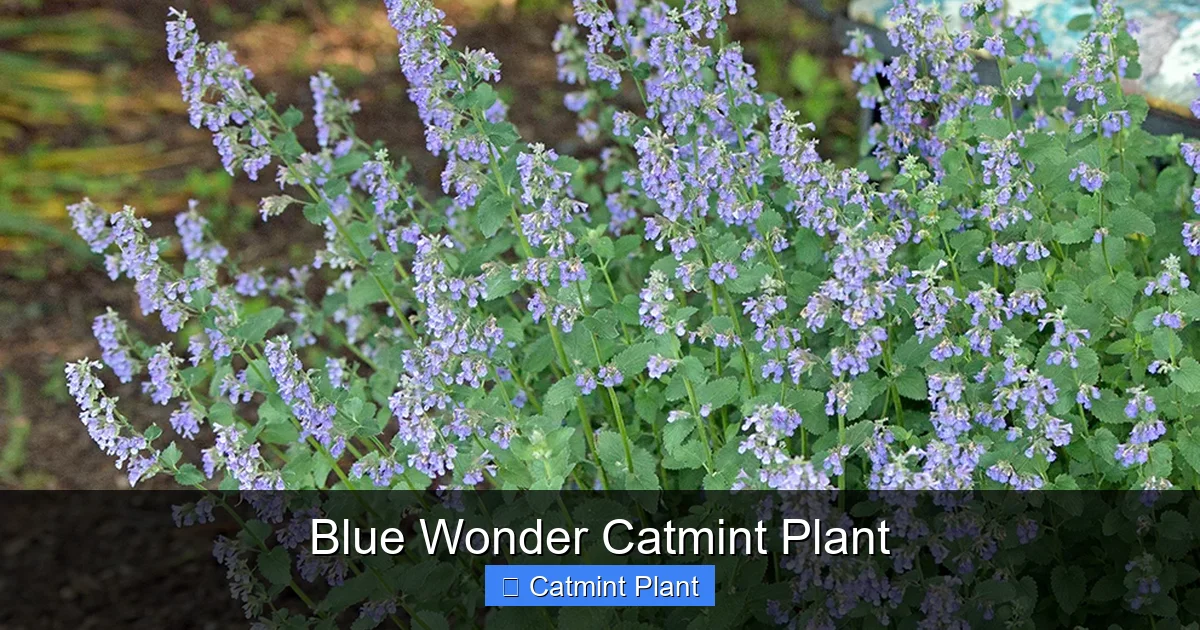
Visual guide about Blue Wonder Catmint Plant
Image source: stonehousenursery.com
Compact and Tidy Form
Unlike some catmint varieties that flop open in the center or spread aggressively, Blue Wonder Catmint Plant maintains a neat, mounded shape. It typically reaches 12 to 18 inches in both height and width. This compact habit makes it incredibly versatile. You can tuck it into tight spots along a walkway, use it as a tidy edging plant, or feature it in a container on your patio. It never looks messy or out of control.
Intense Lavender-Blue Color
The flowers of Blue Wonder Catmint Plant are a true standout. They bloom in dense spikes of deep lavender-blue that catch the light beautifully. The color reads as blue from a distance but reveals lovely purple undertones up close. This rich hue pairs effortlessly with almost any other garden color. I have seen it combined with yellow coreopsis, pink coneflowers, white shasta daisies, and orange butterfly weed. Every combination looks intentional and sophisticated.
Aromatic Foliage with Purpose
The gray-green leaves of Blue Wonder Catmint Plant release a pleasant, minty fragrance when brushed or crushed. This aroma comes from essential oils that serve a practical purpose. Deer and rabbits find the scent unappealing and typically leave the plant alone. The foliage also resists most common garden pests and diseases. You get a plant that smells wonderful to humans but acts as a natural deterrent to four-legged garden visitors.
Ideal Growing Conditions for Blue Wonder Catmint Plant
Sun Requirements
Blue Wonder Catmint Plant thrives in full sun. It needs at least six hours of direct sunlight daily for the best flower production and strongest stems. In very hot southern climates, it tolerates light afternoon shade, but too much shade leads to leggy growth and fewer blooms. I planted a few in a partly shaded spot once, and they leaned desperately toward the sun. Lesson learned. Give them the brightest spot you have.
Soil Preferences
Here is the good news for gardeners with less-than-perfect soil. Blue Wonder Catmint Plant actually prefers lean, well-drained soil. It thrives in sandy, rocky, or gritty conditions where other plants struggle. Rich, fertile soil or heavy clay can cause problems. Excess nutrients promote floppy growth and reduce flowering. If your soil is heavy clay, amend it generously with coarse sand, fine gravel, or perlite to improve drainage. The plant will thank you with abundant blooms.
Water Needs
Once established, Blue Wonder Catmint Plant is remarkably drought tolerant. Its deep taproot seeks out moisture far below the surface. During the first growing season, water regularly to help the root system develop. After that, natural rainfall is often sufficient except during extreme heat waves or prolonged dry spells. Overwatering is a greater risk than underwatering. Soggy soil leads to root rot, the primary killer of this otherwise tough plant.
Hardiness Range
Blue Wonder Catmint Plant is hardy in USDA zones 3 through 8. This wide range covers most of the continental United States. In zone 3, provide a light winter mulch after the ground freezes. In zone 8, ensure excellent drainage and some afternoon shade to prevent heat stress. The plant dies back to the ground in winter and returns reliably each spring.
Planting Blue Wonder Catmint Plant Successfully
When to Plant
Spring and early fall are the ideal planting times for Blue Wonder Catmint Plant. Spring planting gives the roots all season to establish before winter. Fall planting works well in zones 5 and warmer, provided you plant at least six weeks before the ground freezes. Avoid planting during the heat of summer unless you can commit to diligent watering during establishment.
Spacing Guidelines
Space Blue Wonder Catmint Plant 18 to 24 inches apart. This allows air circulation between plants, which prevents fungal issues. If you are creating a continuous border or mass planting, you can space them slightly closer at 15 inches. For container planting, choose a pot at least 12 inches wide and deep. One plant per container is usually sufficient, as it will fill the space beautifully.
Planting Steps
Dig a hole twice as wide as the root ball but no deeper. The top of the root ball should sit level with or slightly above the surrounding soil. If your soil is heavy, mix in coarse sand or grit at a ratio of one part amendment to two parts native soil. Place the plant in the hole, backfill, and firm gently. Water thoroughly to settle the soil. Apply a thin layer of gravel mulch or shredded bark, keeping it away from the crown.
Container Growing Tips
Blue Wonder Catmint Plant excels in containers. Use a well-draining potting mix designed for cacti or succulents, or make your own by mixing regular potting soil with perlite or coarse sand at a 1:1 ratio. Ensure the container has drainage holes. Water when the top inch of soil feels dry. Fertilize sparingly with a slow-release, low-nitrogen fertilizer in spring. In cold climates, move containers to an unheated garage or bury the pot in the ground for winter protection.
Seasonal Care and Maintenance
Spring Wake-Up
In early spring, you will see new growth emerging from the base of the plant. This is the time to cut back all the dead stems from last year. Trim them to about 2 to 3 inches above the ground. Use clean, sharp pruners. This hard pruning encourages fresh, compact growth and prevents the plant from becoming woody in the center. If you skip this step, the new growth will push up through the old stems, creating a tangled mess.
Deadheading for Rebloom
Blue Wonder Catmint Plant blooms heavily in late spring to early summer. After this first flush fades, shear the entire plant back by about one-third to one-half. This may feel drastic, but it stimulates a fresh wave of growth and a second bloom period that can last into fall. I set a calendar reminder for late June to do this. The plant looks a bit bare for a week, then explodes with new flowers.
Summer Care
During summer, Blue Wonder Catmint Plant needs little attention. Water only during extended drought. No fertilizer is needed. In fact, fertilizing reduces flowering and weakens stems. Watch for the occasional aphid cluster on new growth. A strong blast of water from the hose usually dispatches them. The plant’s natural oils repel most other pests.
Fall and Winter Preparation
After the first hard frost, the foliage will die back. You have two choices. Leave the dead stems standing through winter to provide shelter for beneficial insects and protect the crown. Or cut back to the ground for a tidier look. In colder zones (3-4), apply a light layer of straw or evergreen boughs after the ground freezes. This prevents freeze-thaw cycles from heaving the plant out of the soil. Remove the mulch in early spring.
Designing with Blue Wonder Catmint Plant
Perfect Plant Partners
The lavender-blue flowers and gray-green foliage of Blue Wonder Catmint Plant make it a designer’s dream. It bridges warm and cool colors effortlessly. Some of my favorite combinations include:
- Yellow partners: Coreopsis ‘Moonbeam’, black-eyed Susan, or yellow yarrow create a classic complementary color scheme.
- Pink and red partners: Coneflowers, bee balm, or sedum ‘Autumn Joy’ add warmth without clashing.
- White partners: Shasta daisies, white phlox, or candytuft create a fresh, clean look.
- Ornamental grasses: Blue fescue, feather reed grass, or little bluestem echo the plant’s texture and movement.
- Mediterranean herbs: Lavender, rosemary, sage, and thyme share the same cultural needs and create a fragrant, cohesive planting.
Garden Style Applications
Blue Wonder Catmint Plant fits seamlessly into many garden styles:
- Cottage gardens: Let it spill informally along paths and between roses.
- Rock gardens: Its love of lean soil and drainage makes it a natural fit among stones.
- Pollinator gardens: Plant in drifts of 5 to 7 for maximum butterfly and bee appeal.
- Modern landscapes: Use in geometric blocks or repeating rows for a clean, contemporary look.
- Hellstrip plantings: That tough spot between sidewalk and street? Blue Wonder Catmint Plant handles heat, salt, and neglect like a champ.
Edging and Border Uses
The uniform, mounded habit of Blue Wonder Catmint Plant makes it exceptional for edging. Plant it along the front of a sunny border to define the edge and hide the bare legs of taller perennials behind it. It also works beautifully along a driveway or sidewalk where its fragrance releases as you brush past. The soft texture contrasts nicely with hard hardscape edges.
Container Combinations
In pots, Blue Wonder Catmint Plant plays well with others. Try it as the “filler” in a thriller-filler-spiller combination. Pair it with a tall ornamental grass or salvia as the thriller, and a trailing calibrachoa or sweet potato vine as the spiller. Or keep it simple with a single plant in a beautiful terracotta pot. The gray foliage looks stunning against the warm clay color.
Common Problems and Solutions
Flopping or Open Centers
If your Blue Wonder Catmint Plant flops open in the middle, the cause is usually too much shade, too much water, too much fertilizer, or lack of spring pruning. The fix is simple. Ensure full sun. Cut back on water and stop fertilizing. And never skip that hard spring cutback. If the plant is already flopping in summer, shear it back hard. It will regrow tighter and stronger.
Root Rot
Root rot is the most serious threat to Blue Wonder Catmint Plant. Symptoms include yellowing leaves, wilting despite moist soil, and a general decline. The cause is almost always poor drainage or overwatering. Prevention is far easier than cure. Plant in well-drained soil. Water deeply but infrequently. If you suspect root rot, dig up the plant, trim away mushy roots, and replant in a better location with improved drainage.
Powdery Mildew
In humid climates or with poor air circulation, powdery mildew can appear as a white coating on leaves. Space plants properly. Avoid overhead watering. If mildew appears, remove affected leaves and improve air flow. A spray of neem oil or potassium bicarbonate can help. But honestly, Blue Wonder Catmint Plant is quite resistant to mildew compared to many perennials.
Cat Attraction
Yes, cats love catmint. The compound nepetalactone triggers a euphoric response in many felines. If neighborhood cats are flattening your plants, try placing a few sticks or bamboo stakes through the center to discourage lounging. Or plant a dedicated “cat patch” in an out-of-the-way corner to distract them. Most cats prefer the species Nepeta cataria (true catnip) over ornamental catmints like Blue Wonder Catmint Plant, but individual preferences vary.
Propagating Blue Wonder Catmint Plant
Division
Division is the easiest and most reliable way to propagate Blue Wonder Catmint Plant. Do it in early spring just as new growth appears, or in early fall. Dig up the entire clump. Use a sharp spade or knife to cut it into sections, each with healthy roots and several shoots. Replant immediately at the same depth. Water well. Divisions typically bloom the same season.
Stem Cuttings
Take 4 to 6 inch cuttings from non-flowering stems in late spring or early summer. Remove the lower leaves. Dip the cut end in rooting hormone (optional but helpful). Insert into a pot of moist perlite or sand. Cover with a plastic bag to maintain humidity. Roots form in 2 to 3 weeks. Transplant to individual pots once rooted.
Seed Considerations
Blue Wonder Catmint Plant is a sterile hybrid. It does not produce viable seed. Any seedlings that appear nearby will be from other catmint varieties in your garden or the neighborhood. They will not come true to the Blue Wonder Catmint Plant form. For this reason, always propagate vegetatively to maintain the cultivar’s desirable traits.
Blue Wonder Catmint Plant vs. Other Popular Varieties
Blue Wonder vs. Walker’s Low
Walker’s Low is the most famous catmint, but it is significantly larger, reaching 24 to 30 inches tall and wide. It has a looser, more sprawling habit. Blue Wonder Catmint Plant is the better choice for small spaces, containers, and tidy edges. Walker’s Low works well in large meadow plantings or the back of a border. Both bloom long and attract pollinators.
Blue Wonder vs. Cat’s Pajamas
Cat’s Pajamas is a newer, ultra-compact variety topping out at 12 to 14 inches. It forms a tighter ball and blooms slightly earlier. Blue Wonder Catmint Plant has a slightly longer bloom season and more intense flower color. Both are excellent. Choose Cat’s Pajamas for the smallest spaces. Choose Blue Wonder Catmint Plant for the best color impact.
Blue Wonder vs. Six Hills Giant
Six Hills Giant is an older, large variety reaching 3 feet tall and wide. It tends to flop badly without support. Blue Wonder Catmint Plant improves on it in every way: better habit, longer bloom, richer color, and no staking needed. Unless you specifically need a tall catmint for the back of a deep border, Blue Wonder Catmint Plant is the superior choice.
Blue Wonder vs. Junior Walker
Junior Walker was bred as a compact version of Walker’s Low. It reaches 15 to 18 inches, similar to Blue Wonder Catmint Plant. The main difference is flower color. Junior Walker has lighter, more lavender flowers. Blue Wonder Catmint Plant has deeper, more blue-toned flowers. Both are sterile hybrids with long bloom seasons. It comes down to color preference.
Frequently Asked Questions About Blue Wonder Catmint Plant
Is Blue Wonder Catmint Plant invasive?
No, Blue Wonder Catmint Plant is a sterile hybrid that does not spread by seed. It stays in a neat clump and does not run underground like mint. It may slowly widen over years, but it is easily controlled by division. It will not take over your garden or escape into natural areas.
Does Blue Wonder Catmint Plant attract cats like catnip?
It can attract cats, but usually less intensely than true catnip (Nepeta cataria). The compound nepetalactone is present in lower concentrations. Some cats ignore it completely. Others may roll on it occasionally. If cats are a problem, see the deterrent tips in the Common Problems section.
Can I grow Blue Wonder Catmint Plant indoors?
Not successfully as a houseplant. It needs full sun, seasonal temperature changes, and a winter dormancy period. It will become leggy, weak, and prone to pests indoors. Enjoy it outside where it belongs.
Why is my Blue Wonder Catmint Plant not blooming?
The most common reasons are insufficient sun (needs 6+ hours), too much nitrogen fertilizer, lack of spring pruning, or the plant is too young (first-year plants may bloom lightly). Correct the conditions, and it should bloom abundantly next season.
How long does Blue Wonder Catmint Plant live?
With proper care, Blue Wonder Catmint Plant can live 5 to 10 years or more. Regular division every 3 to 4 years rejuvenates the plant and extends its lifespan indefinitely. The center of old clumps may die out, signaling it is time to divide.
Can I use Blue Wonder Catmint Plant in cooking or teas?
While not toxic, Blue Wonder Catmint Plant is bred for ornamental qualities, not culinary flavor. The leaves are edible but lack the pleasant minty flavor of culinary mint varieties. For teas and cooking, grow spearmint, peppermint, or lemon balm instead.
Conclusion: Why Every Garden Needs Blue Wonder Catmint Plant
After years of gardening, I can say with confidence that Blue Wonder Catmint Plant earns its keep in any sunny garden. It asks for so little: sun, decent drainage, and an annual haircut. In return, it gives months of stunning color, feeds countless pollinators, resists deer and drought, and looks good doing it. There are very few plants that deliver this much value for this little effort.
Whether you are designing a new border, refreshing a tired bed, or just tucking a few plants into pots on a sunny patio, make room for Blue Wonder Catmint Plant. Plant it in drifts for maximum impact. Pair it with your favorite roses, grasses, or coneflowers. Watch the bees dance from flower to flower on a summer afternoon. This is what gardening is supposed to feel like: beautiful, alive, and deeply satisfying.
Your garden deserves this plant. And you deserve a plant that makes you look like a genius without the genius-level work. Go find a spot for Blue Wonder Catmint Plant this season. I promise you will not regret it.
Frequently Asked Questions
What is the difference between catmint and catnip?
Catmint (Nepeta x faassenii) and catnip (Nepeta cataria) are different species. Catmint is grown for ornamental flowers and foliage, while catnip is grown for its intense effect on cats. Blue Wonder Catmint Plant is a sterile hybrid catmint with showy lavender-blue flowers.
Should I fertilize Blue Wonder Catmint Plant?
No, Blue Wonder Catmint Plant does not need fertilizer. Rich soil or added nitrogen causes floppy growth and reduces flowering. Lean, well-drained soil produces the best results.
How do I prune Blue Wonder Catmint Plant?
Cut back all dead stems to 2-3 inches in early spring. After the first bloom flush fades, shear the plant back by one-third to one-half to encourage rebloom. This two-step pruning keeps it compact and floriferous.
Can Blue Wonder Catmint Plant be divided?
Yes, divide Blue Wonder Catmint Plant every 3-4 years in early spring or early fall to maintain vigor. Dig up the clump, cut into sections with roots and shoots, and replant immediately.
Why is my Blue Wonder Catmint Plant turning yellow?
Yellowing usually indicates overwatering or poor drainage. Blue Wonder Catmint Plant needs excellent drainage and prefers dry conditions. Reduce watering and improve soil drainage with sand or gravel.
Will Blue Wonder Catmint Plant spread aggressively?
No, Blue Wonder Catmint Plant is a sterile hybrid that does not produce viable seed. It forms a well-behaved clump that slowly widens but does not run or self-sow invasively like true mint species.


