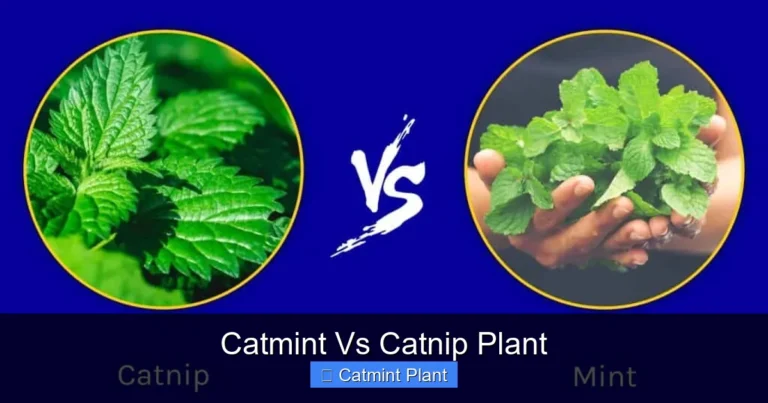
Catmint Plant Nepeta Invasive Species
Catmint (Nepeta) is a popular perennial that can become an invasive species in many regions. It spreads quickly by seed and rhizomes, crowding out native plants. Learn how to recognize, manage, and prevent its spread in your garden.
Key Takeaways
- Catmint plant nepeta invasive species spreads by seed and underground runners. This dual method makes it hard to control once established.
- Early identification prevents large infestations. Look for aromatic gray‑green leaves and spikes of lavender flowers.
- Mechanical removal works best when done repeatedly. Dig out roots and dispose of them away from compost.
- Cultural practices like dense planting reduce open space for invasion. Mulching and regular mowing help suppress seedlings.
- Chemical control should be a last resort. Use targeted herbicides only on calm days and follow label directions.
- Choosing non‑invasive Nepeta cultivars protects local ecosystems. Varieties such as ‘Walker’s Low’ stay clump‑forming.
Quick Answers to Common Questions
What is catmint plant nepeta invasive species?
It is a group of Nepeta species that escape cultivation and spread aggressively in many regions.
How does catmint plant nepeta invasive species spread?
It spreads by abundant seed, creeping rhizomes, human activity, water, and animal vectors.
How can I identify catmint plant nepeta invasive species in my garden?
Look for opposite, hairy, mint‑scented leaves and lavender flower spikes on square stems.
What are the best control methods for catmint plant nepeta invasive species?
Combine repeated mechanical removal, mulching, and targeted herbicide use only when necessary.
Are there safe Nepeta alternatives that won’t become invasive?
Yes, cultivars such as ‘Walker’s Low’, ‘Blue Wonder’, and ‘Junior Walker’ are clump‑forming and low‑seed.
📑 Table of Contents
- What Is Catmint Plant Nepeta Invasive Species?
- How Catmint Plant Nepeta Invasive Species Spreads
- Identifying Catmint Plant Nepeta Invasive Species in Your Garden
- Ecological Impact of Catmint Plant Nepeta Invasive Species
- Management and Control Strategies
- Choosing Safe Alternatives and Responsible Gardening
- Conclusion
What Is Catmint Plant Nepeta Invasive Species?
Catmint plant nepeta invasive species is a term used for several Nepeta species that escape from gardens.
These plants belong to the mint family Lamiaceae.
They are loved for their fragrant leaves and long lasting flowers.
In many temperate zones they act as aggressive colonizers.
The phrase catmint plant nepeta invasive species describes any Nepeta that spreads beyond its intended bed.
Botanical Background
Nepeta cataria is the classic catnip known for attracting cats.
Nepeta × faassenii is a hybrid widely sold as an ornamental.
Both produce abundant seed and creeping rhizomes.
These traits give catmint plant nepeta invasive species a powerful reproductive toolkit.
Other species such as Nepeta racemosa and Nepeta sibirica can also become weedy.
Why It Is Considered Invasive
Invasive status is assigned when a plant outcompetes native flora.
Catmint plant nepeta invasive species forms dense mats that shade out seedlings.
It also releases allelopathic chemicals that inhibit germination of other species.
Because it tolerates drought and poor soil it thrives where natives struggle.
Its long bloom period provides a continuous seed source.
History of Introduction
European settlers brought catmint plant nepeta invasive species to North America in the 1600s.
It was valued for herbal tea and cat toys.
Escaped plants naturalized along roadsides and fields.
Regional Distribution
Today catmint plant nepeta invasive species is found in most U.S. states.
It prefers disturbed soils and sunny edges.
Climate change may expand its range northward.
Legal Status
Some states list catmint plant nepeta invasive species as a noxious weed.
Regulations may restrict sale or transport.
Check local extension websites for current rules.
How Catmint Plant Nepeta Invasive Species Spreads
Understanding spread pathways helps you stop catmint plant nepeta invasive species early.
Seed Dispersal
Each flower produces dozens of tiny seeds.
Wind carries seeds a few meters.
Birds and small mammals may move seeds farther.
Seeds remain viable in soil for several years.
Rain splash can also move seeds short distances.
Rhizome Growth
Underground stems extend laterally up to thirty centimeters per season.
New shoots emerge from nodes creating an expanding clump.
Fragmented rhizomes can regenerate after tilling.
Even a small piece left in soil can sprout a new plant.
Human Aided Spread
Garden waste dumping often introduces catmint plant nepeta invasive species to wild areas.
Contaminated soil on tools moves rhizome pieces.
Sharing divisions with friends can unintentionally spread the plant.
Nursery stock that is not certified weed‑free may carry hidden rhizomes.
Water Dispersal
Heavy rains can wash seeds into streams.
Floating seeds travel downstream to new banks.
Flood events accelerate catmint plant nepeta invasive species colonization.
Animal Vectors
Deer and rabbits browse foliage and spread seeds in droppings.
Ants may carry seeds to nests.
These vectors increase long distance jump dispersal.
Seasonal Timing
Seed set peaks in late summer.
Rhizome growth accelerates in spring.
Target control efforts to these windows for best results.
Identifying Catmint Plant Nepeta Invasive Species in Your Garden
Quick identification stops catmint plant nepeta invasive species before it dominates.
Leaf and Flower Traits
Leaves are opposite ovate and covered in fine hairs.
They emit a strong minty scent when crushed.
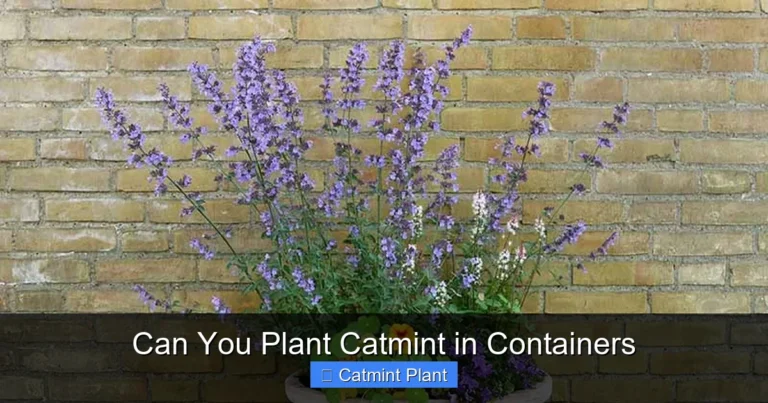
Flowers form whorls on tall spikes usually lavender to pale blue.
Bloom time extends from early summer into fall.
Growth Habit
Plants reach thirty to sixty centimeters in height.
They form a loose mound that spreads outward each year.
Invasive forms tend to be more vigorous than cultivated selections.
Stems are square in cross section a hallmark of the mint family.
Comparison With Non‑Invasive Cultivars
Cultivars like ‘Walker’s Low’ stay compact and produce fewer seeds.
They also have shorter rhizomes.
Label checks at nurseries help you choose safe options.
Look for the term clump‑forming on the tag.
Seedling Identification
Seedlings show two cotyledons then true leaves with mint scent.
Early removal prevents establishment of catmint plant nepeta invasive species.
Mark seedlings with colored tape for follow up.
Root System Clues
Rhizomes are white and fleshy near the soil surface.
They break easily but each fragment can regrow.
Dig a test hole to confirm rhizome presence.
Seasonal Appearance
Spring growth emerges as tight rosettes.
Summer brings tall flowering spikes.
Fall foliage turns yellow before dormancy.
Ecological Impact of Catmint Plant Nepeta Invasive Species
Catmint plant nepeta invasive species alters community dynamics in several ways.
Competition With Natives
Dense foliage reduces light for understory herbs.
Root mats absorb water and nutrients starving neighbors.
Native pollinator plants may decline as a result.
Soil seed banks shift toward the invader over time.
Effects on Pollinators
While catmint flowers attract bees the monopoly can reduce forage diversity.
Specialist pollinators that rely on specific native flowers lose habitat.
Honeybees may benefit short term but long term ecosystem health suffers.
Soil and Water Changes
Allelopathic compounds may shift soil microbial communities.
Increased transpiration can lower local soil moisture.
Changes in nutrient cycling can affect downstream water quality.
Impact on Soil Fauna
Earthworm populations decline under dense catmint plant nepeta invasive species mats.
Reduced organic matter input slows decomposition.
Soil structure deteriorates over several seasons.
Allelopathy Details
Root exudates contain nepetic acid that inhibits germination.
Laboratory tests show reduced growth of lettuce and tomato.
Field observations confirm suppressed native seedling emergence.
Long-term Community Shifts
Monocultures of catmint plant nepeta invasive species replace diverse meadows.
Bird nesting sites disappear as vegetation structure changes.
Restoration becomes harder the longer the invasion persists.
Management and Control Strategies
Effective control of catmint plant nepeta invasive species combines several tactics.
Mechanical Removal
Hand pulling works for small patches.
Dig deeply to extract the entire rhizome system.
Repeat every few weeks during the growing season.
Dispose of roots in sealed bags not in compost.
Cultural Practices
Mulch thickly to suppress seed germination.
Plant competitive native groundcovers to fill gaps.
Mow or trim before seed set to reduce spread.
Rotate garden beds to disrupt rhizome continuity.
Chemical Options With Caution
Spot treat with a selective broadleaf herbicide if mechanical methods fail.
Apply on calm days to avoid drift.
Follow all label instructions and local regulations.
Consider using a foam applicator for precise targeting.
Preventive Measures
Clean tools and boots after working in infested beds.
Dispose of plant material in sealed bags not compost.
Monitor edges of gardens for new shoots each spring.
Educate neighbors about the risk of sharing divisions.
Integrated Pest Management
Combine mechanical cultural and chemical tools in a planned schedule.
Set action thresholds based on cover percentage.
Record outcomes to refine future efforts.
Biological Control Prospects
Research explores insects that feed on catmint plant nepeta invasive species.
No approved agents are currently available.
Stay updated via university extension bulletins.
Cost Considerations
Early mechanical removal costs less than large scale herbicide programs.
Budget for repeated visits over multiple years.
Community volunteer days can reduce labor expenses.
Choosing Safe Alternatives and Responsible Gardening
You can enjoy the beauty of Nepeta without risking catmint plant nepeta invasive species.
Non‑Invasive Nepeta Cultivars
‘Walker’s Low’, ‘Blue Wonder’, and ‘Junior Walker’ are clump‑forming.
They produce few viable seeds.
These varieties stay where you plant them.
Ask your local extension for a list of approved cultivars.
Companion Planting Ideas
Pair Nepeta with lavender salvia or ornamental grasses.
These companions share similar water needs.
They also attract beneficial insects.
Diverse plantings reduce the chance of any single species dominating.
Monitoring and Early Detection
Walk your beds weekly during peak growth.
Mark any new shoots with a flag.
Remove them promptly before they set seed.
Keep a garden journal to track spread patterns.
Native Plant Alternatives
Consider native bee balm, coneflower, or black-eyed Susan.
These provide similar color and pollinator value.
They are adapted to local conditions and non‑invasive.
Designing Resilient Beds
Use dense planting schemes to limit open soil.
Incorporate mulch layers of three inches.
Plan for seasonal bloom succession.
Community Education
Share identification guides with neighbors.
Host a garden walk to demonstrate removal techniques.
Report new infestations to local invasive species councils.
Conclusion
Catmint plant nepeta invasive species can be a charming garden plant that turns problematic.
Knowledge of its biology spread and impact empowers you to act early.
Combine mechanical cultural and if needed chemical tools for best results.
Choose non‑invasive cultivars and practice good garden hygiene.
Your efforts protect native ecosystems and keep your garden thriving.
Frequently Asked Questions
Is catmint plant nepeta invasive species listed as a noxious weed?
Several states classify it as a noxious weed; check your local extension for current regulations.
Can catmint plant nepeta invasive species harm pollinators?
It attracts generalist bees but can reduce forage diversity for specialist pollinators.
How long do catmint plant nepeta invasive species seeds remain viable?
Seeds can stay viable in the soil for three to five years.
What is the most effective time to apply herbicide on catmint plant nepeta invasive species?
Apply in early summer before seed set when plants are actively growing.
Do rhizome fragments left in soil regrow?
Yes, even small rhizome pieces can sprout new plants.
How can I prevent catmint plant nepeta invasive species from spreading to neighboring properties?
Clean tools, bag plant debris, and monitor garden edges regularly.