Catmint Plant Home Depot
Catmint plant Home Depot selections offer hardy, aromatic perennials perfect for sunny gardens. These drought-tolerant plants attract pollinators and bloom for months with minimal care.
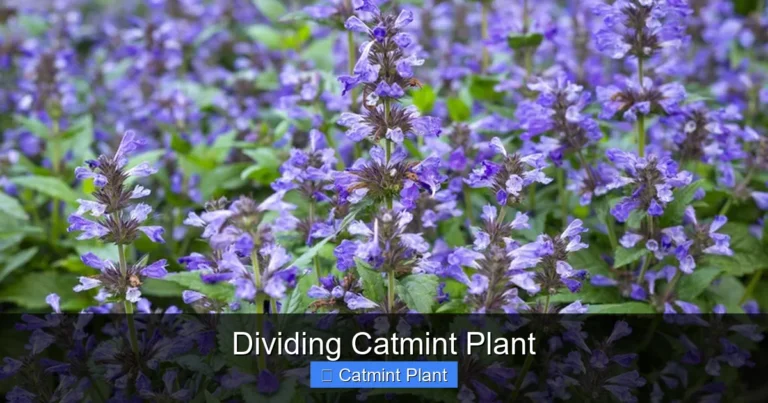
Walk into any Home Depot garden center in spring, and you will see tables full of catmint plant Home Depot options. The silvery-green foliage catches the light. The purple-blue flower spikes sway in the breeze. Bees buzz from bloom to bloom. It is one of those plants that makes you stop and look closer.
I remember my first catmint purchase. I grabbed a gallon pot labeled Walker’s Low. I planted it in a sunny spot by the driveway. That was five years ago. It has never disappointed me. It comes back bigger each spring. It blooms from May through September with just one mid-summer haircut. The neighbors ask about it. The bees thank me for it. If you are thinking about adding catmint to your yard, Home Depot is a great place to start your search.
Key Takeaways
- Multiple varieties available: Home Depot carries popular catmint types like Walker’s Low, Junior Walker, and Cat’s Meow
- Best planting time: Spring or early fall gives roots time to establish before extreme weather
- Sun requirements: Full sun produces the most flowers and strongest fragrance
- Low maintenance: Once established, catmint needs little water or fertilizer
- Pollinator magnet: Bees, butterflies, and hummingbirds love the nectar-rich blooms
- Deer resistant: The aromatic foliage naturally deters browsing animals
- Great value: Home Depot’s prices and return policy make it a smart shopping choice
Quick Answers to Common Questions
What catmint varieties does Home Depot typically carry?
Home Depot commonly stocks Walker’s Low, Junior Walker, Cat’s Meow, and Cat’s Pajamas during spring season.
When is the best time to buy catmint at Home Depot?
March through May offers the best selection and healthiest plants for spring planting.
Does catmint come back every year?
Yes, catmint is a hardy perennial that returns reliably in zones 3-8 with proper care.
How much sun does catmint need?
Catmint needs full sun (6+ hours) for best flowering and compact growth.
What is the Home Depot plant guarantee on catmint?
Home Depot offers a one-year guarantee on perennials including catmint with receipt.
📑 Table of Contents
- Why Choose Catmint for Your Garden
- Catmint Varieties at Home Depot
- When and How to Buy Catmint at Home Depot
- Planting Your Catmint for Success
- Ongoing Care and Maintenance
- Design Ideas Using Catmint
- Common Problems and Solutions
- Comparing Home Depot to Other Sources
- Seasonal Care Calendar
- Frequently Asked Questions About Catmint at Home Depot
Why Choose Catmint for Your Garden
Long Blooming Season
Catmint blooms for months. Most varieties start in late spring. They keep going until frost if you deadhead them. That is four to five months of color. Few perennials give you that much bang for your buck. The flowers are small but numerous. They create a soft purple haze above the foliage. It looks dreamy in mass plantings.
Drought Tolerance Once Established
New plants need regular water. After the first season, catmint laughs at dry spells. The roots go deep. The fuzzy leaves reduce water loss. This makes it perfect for those areas the sprinkler misses. It handles heat waves without wilting. Water restrictions? No problem. Your catmint will soldier on.
Pollinator Paradise
Bees cannot resist catmint. Honeybees, bumblebees, native bees – they all show up. Butterflies love it too. Hummingbirds dart between the spikes. If you want a lively garden, plant catmint. It is one of the best nectar sources you can grow. Plant it near vegetables to boost pollination rates.
Deer and Rabbit Resistant
The minty aroma comes from essential oils. Deer hate the smell. Rabbits avoid it too. I have watched deer walk right past my catmint to eat the hostas behind it. In high-pressure areas, nothing is 100% proof. But catmint is about as close as you get. It gives you peace of mind.
Catmint Varieties at Home Depot
Walker’s Low – The Classic Choice
Walker’s Low is the catmint plant Home Depot shoppers see most often. It won Perennial Plant of the Year in 2007. The name confuses people. It is not low growing. It reaches 24 to 30 inches tall and wide. The flowers are deep lavender-blue. The stems are sturdy. It rarely flops. This is the workhorse variety. Reliable. Tough. Beautiful.
Junior Walker – Compact Version
Love Walker’s Low but short on space? Junior Walker stays 15 to 18 inches tall. It has the same flower color. The same long bloom time. The same tough constitution. It fits in smaller beds. It works in containers. It makes a tidy edging plant. Home Depot usually stocks this in spring.
Cat’s Meow – Award Winner
Cat’s Meow is a newer introduction. It forms a perfect mound 17 to 20 inches tall. The flowers are a bright sky blue. The foliage stays clean all season. It won top marks in Chicago Botanic Garden trials. It does not get the bare knees that older varieties develop. Look for the Proven Winners label at Home Depot.
Cat’s Pajamas – Early Bloomer
Cat’s Pajamas starts blooming two weeks earlier than most. It is compact at 12 to 14 inches. The flowers are indigo blue. The habit is very dense. No open centers. It blooms from the ground up. Another Proven Winners selection. Great for the front of the border.
Blue Wonder – Seed Grown Option
Sometimes Home Depot carries Blue Wonder in seed packets or small cells. It is shorter at 12 to 15 inches. The flowers are a soft blue. It is less uniform than named varieties. But it is budget friendly. Good for filling large areas. The bees do not care about pedigree.
Six Hills Giant – The Tall One
Six Hills Giant reaches 36 inches. It makes a statement. The flowers are lighter blue. It can flop in rich soil. Cut it back by half in June for sturdier stems. It is less common at Home Depot. Check the perennial section in larger stores. Or order online for store pickup.
When and How to Buy Catmint at Home Depot
Best Shopping Times
Spring is prime time. March through May brings the best selection. Home Depot gets fresh shipments weekly. The plants are fresh. The roots are vigorous. Fall is the second window. September through October. Plants go in the ground before winter. They explode next spring. Summer selection drops off. Winter is hit or miss in cold zones.
In-Store vs Online
In-store lets you inspect the plant. Check for healthy leaves. No yellowing. No bugs. Good root systems. You take it home today. Online offers more varieties. You can read reviews. You can schedule pickup. Home Depot’s website shows local stock. Use the app to check before you drive. Both ways work. Pick what fits your style.
What to Look For
Choose plants with multiple stems. Avoid single-stem specimens. The crown should be at soil level. Not buried. Not exposed. Leaves should be gray-green. Not yellow. Not brown at edges. Gently slide the pot off. Roots should be white. Not circling tightly. Not mushy. A few roots showing at drainage holes is fine. That means it is ready to grow.
Pot Sizes and Prices
Quart pots run $5 to $8. Good for patient gardeners. Gallon pots run $10 to $15. Instant impact. Two-gallon pots run $20 to $30. Rare for catmint. Sometimes Home Depot has multi-packs. Four quarts for $20. That is a deal. Watch for clearance in July. Root-bound plants at 50% off. Trim the roots. Water well. They recover fast.
Planting Your Catmint for Success
Site Selection
Full sun means six plus hours. Eight is better. Catmint in shade gets leggy. It flowers less. It flops more. It gets powdery mildew. Pick the sunniest spot you have. South facing is ideal. West facing works. East facing is okay. North facing? Skip it. Plant something else there.
Soil Preparation
Catmint hates wet feet. Clay soil needs amendment. Mix in compost. Add coarse sand. Or fine gravel. Create a raised mound if drainage is poor. Sandy soil? Just add compost. Loam? You are golden. The pH range is wide. 6.0 to 8.0. No need to test. It adapts.
Spacing Guidelines
Walker’s Low needs 30 inches. Junior Walker needs 18 inches. Cat’s Meow needs 20 inches. Read the tag. Space for mature width. Not pot width. Crowding causes disease. It reduces flowering. It makes maintenance hard. Give them room. Mulch between them while they fill in.
Planting Steps
Dig a hole twice the pot width. Same depth as the pot. Loosen the root ball gently. Tease circling roots. Place the plant. Crown at soil level. Backfill with native soil. Firm gently. Water deeply. Mulch with two inches of shredded bark. Keep mulch off the crown. Water every two days for two weeks. Then taper off.
Ongoing Care and Maintenance
Watering Schedule
Week one: daily. Week two: every other day. Week three: twice. Week four: once. After month one: only in drought. Established catmint needs one inch every two weeks. Rain counts. Stick your finger in the soil. Dry two inches down? Water. Wet? Wait. Overwatering kills more catmint than drought.
Fertilizing – Less Is More
Catmint thrives in lean soil. Rich soil makes weak stems. It makes fewer flowers. Skip the fertilizer. Really. Just top dress with compost in spring. One inch around the plant. Not on the crown. That is all it needs. If you must fertilize, use half-strength balanced feed once in spring. Stop there.
The Chelsea Chop – Midseason Refresh
Around early July, catmint looks tired. The center opens up. Stems flop. Flowers fade. Grab hedge shears. Cut the whole plant back by half. It looks brutal. Do it anyway. Water well. Two weeks later, fresh growth appears. Three weeks later, new flowers. You get a second show into fall. This trick works on all varieties.
Fall Cleanup
Leave the foliage standing through winter. It protects the crown. It catches snow for insulation. It looks nice with frost. Cut it back in early spring. Before new growth starts. Cut to three inches. Rake away debris. Apply fresh mulch. Done.
Dividing Every Few Years
Catmint spreads slowly. Every three to four years, the center dies out. Spring is division time. Dig the whole clump. Use a sharp spade. Cut into sections. Each needs roots and shoots. Replant the best pieces. Share the rest. Compost the woody center. Division keeps plants vigorous.
Design Ideas Using Catmint
Border Edging
Plant Junior Walker or Cat’s Pajamas along a path. The soft foliage spills over. The flowers bloom at knee height. You brush past and release the scent. It softens hard edges. It defines the space. It blooms all season. Much better than annuals you replant yearly.
Rose Companions
Catmint hides rose knees. The bare canes at the bottom. The purple flowers complement every rose color. Pink roses. Yellow roses. Red roses. White roses. All look better with catmint at their feet. The aromas mingle. The bloom times overlap. Classic combination.
Pollinator Garden Anchor
Plant three Walker’s Low in a triangle. Add coneflowers behind. Bee balm beside. Salvia in front. Butterfly weed scattered through. You create a pollinator buffet. Something always blooms. The garden hums with life. Home Depot has all these plants in spring.
Rock Garden Star
Catmint loves the sharp drainage of rock gardens. Plant it spilling over a stone wall. Let it cascade down a slope. The silvery foliage contrasts with rocks. The flowers echo the sky. It needs no irrigation once established. Perfect for that hot, dry bank.
Container Thriller
Use Cat’s Meow in a large pot. Center it. Surround with trailing petunias. Add silver dichondra. The catmint stays upright. The others spill. Water when the top inch is dry. Fertilize monthly at quarter strength. Overwinter in an unheated garage. Zone 5 and up.
Hell Strip Hero
That strip between sidewalk and street. Baked by sun. Salted in winter. Compacted soil. Catmint handles it. Walker’s Low takes the abuse. It keeps blooming. It keeps looking good. Check local rules on height. Some towns restrict plants over 24 inches at corners.
Common Problems and Solutions
Powdery Mildew
White dust on leaves. Happens in humid summers. Poor air circulation makes it worse. Space plants properly. Water at the base. Not overhead. Morning sun dries dew fast. If it appears, remove affected leaves. Spray with neem oil. Or milk spray (1 part milk, 9 parts water). Resistant varieties help. Cat’s Meow shows good resistance.
Flopping Stems
Rich soil. Too much water. Too much shade. The fix? Cut back by half in June. Stake early with grow-through supports. Plant in leaner soil next time. Choose compact varieties. Junior Walker stands tall without help.
Center Die-Out
Old clumps get woody. The middle dies. The ring lives on. Divide in spring. Discard the woody center. Replant vigorous outer pieces. Do this every three years. Prevents the problem entirely.
Cat Damage
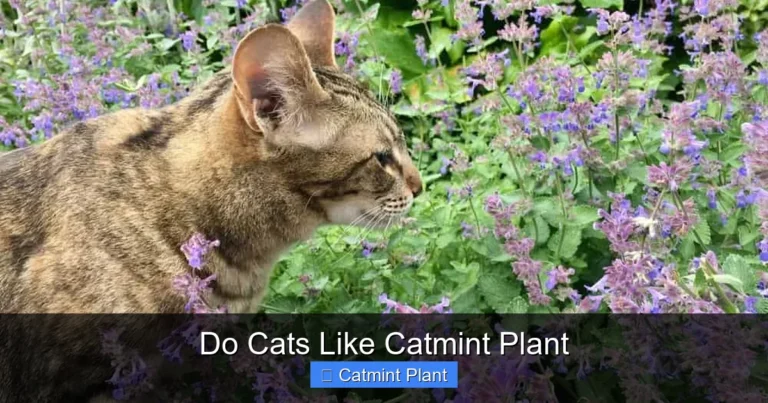
Yes, cats love catmint. Not as much as catnip. But they roll on it. They flatten young plants. Solution: chicken wire cage for the first month. Or plant catnip elsewhere as a decoy. Established plants bounce back from cat naps.
Root Rot
Soggy soil kills catmint fast. Yellow leaves. Wilting despite wet soil. Black roots. Prevention is everything. Plant high. Amend clay. Do not overwater. If caught early, dig it up. Trim rotten roots. Replant in better spot. Sometimes it works.
Comparing Home Depot to Other Sources
Home Depot vs Local Nursery
Local nurseries know your climate. They carry region-specific varieties. The staff gives personal advice. Plants are often larger. But hours are limited. Prices are higher. Selection varies. Home Depot has longer hours. Consistent pricing. Good return policy. Wide availability. Both have a place in your shopping plan.
Home Depot vs Online Specialty
Online specialists offer rare varieties. Hundreds of catmint types exist. You get detailed growing info. Plants ship bare root or in small pots. Shipping adds cost. Timing is tricky. Home Depot gives instant gratification. You see what you buy. No shipping damage. No waiting. For common varieties, Home Depot wins on convenience.
Home Depot vs Big Box Competitors
Lowe’s carries similar stock. Often the same growers. Prices compete. Check both. Walmart has plants seasonally. Quality varies wildly. Local hardware stores sometimes surprise you. Home Depot’s garden centers are generally larger. The plant warranty is solid. One year on perennials. Keep your receipt. Take a photo of the tag.
Seasonal Care Calendar
March – April
Cut back old growth. Apply compost. Divide if needed. Plant new purchases. Water regularly. Watch for late frosts. Cover tender new growth.
May – June
First flush of flowers. Deadhead spent spikes. Watch for powdery mildew. Enjoy the bees. Take photos. Share divisions with friends.
July – August
Do the Chelsea Chop. Water during heat waves. Second bloom starts. Collect seeds if you want. But named varieties do not come true.
September – October
Fall planting window. Mulch new plants well. Stop fertilizing. Let foliage stand. Enjoy late flowers.
November – February
Winter rest. Brush heavy snow off if needed. Plan next year’s additions. Order seeds. Dream of spring.
Frequently Asked Questions About Catmint at Home Depot
Is Catmint the Same as Catnip?
No. Both are Nepeta. Catnip is Nepeta cataria. Catmint is usually Nepeta x faassenii or Nepeta racemosa. Catnip drives cats wild. Catmint interests them mildly. Catmint is ornamental. Catnip is weedy. Home Depot sells both. Read the label carefully.
Will Catmint Spread Aggressively?
No. It clumps slowly. It does not run by rhizomes like mint. It may self-seed lightly. Seedlings are easy to pull. Or transplant them. It is not invasive. It stays where you put it.
Can I Grow Catmint in Containers?
Yes. Use a pot 12 inches or wider. Drainage holes are mandatory. Use potting mix with perlite. Water more often than ground plants. Fertilize lightly. Overwinter in a protected spot. Zone 5 and warmer can leave pots out.
Why Is My Catmint Not Blooming?
Too much shade. Too much fertilizer. Too little water during establishment. Or it needs dividing. Fix the cause. It will bloom next cycle. Patience.
When Does Home Depot Restock Catmint?
Weekly in spring. Daily at peak. Check the app. Ask the garden associate. They know the delivery schedule. Monday and Thursday are common truck days.
Does Home Depot Guarantee Their Plants?
Yes. One year on perennials. Keep the receipt. Bring the dead plant. Or a photo. They refund or exchange. It is the best warranty in the business.
Catmint plant Home Depot selections give you beauty, toughness, and pollinator support in one package. Whether you choose Walker’s Low for its proven performance, Junior Walker for tight spaces, or Cat’s Meow for award-winning form, you cannot go wrong. Plant it in sun. Give it drainage. Chop it in July. Enjoy it for years. Your garden will thank you. The bees will thank you. And you will wonder why you waited so long to plant it.
Frequently Asked Questions
Is catmint the same as catnip?
No, catmint (Nepeta x faassenii) is ornamental while catnip (Nepeta cataria) is the herb that strongly attracts cats. Catmint has showier flowers and better garden behavior.
Will catmint spread and take over my garden?
Catmint forms neat clumps and does not spread aggressively by runners. It may self-seed lightly but unwanted seedlings are easy to remove or transplant.
Can I grow catmint in a container on my patio?
Yes, compact varieties like Junior Walker and Cat’s Pajamas thrive in 12-inch or larger containers with good drainage and regular watering.
Why is my catmint flopping open in the middle?
Flopping usually indicates too much shade, rich soil, or overwatering. Cut plants back by half in early July for a fresh, upright flush of growth.
When should I cut back catmint for winter?
Leave foliage standing through winter for crown protection. Cut back to 3 inches in early spring before new growth emerges.
Does Home Depot sell catmint seeds or only plants?
Home Depot primarily sells catmint as started plants in quart and gallon pots. Seed packets for basic varieties like Blue Wonder are occasionally available.