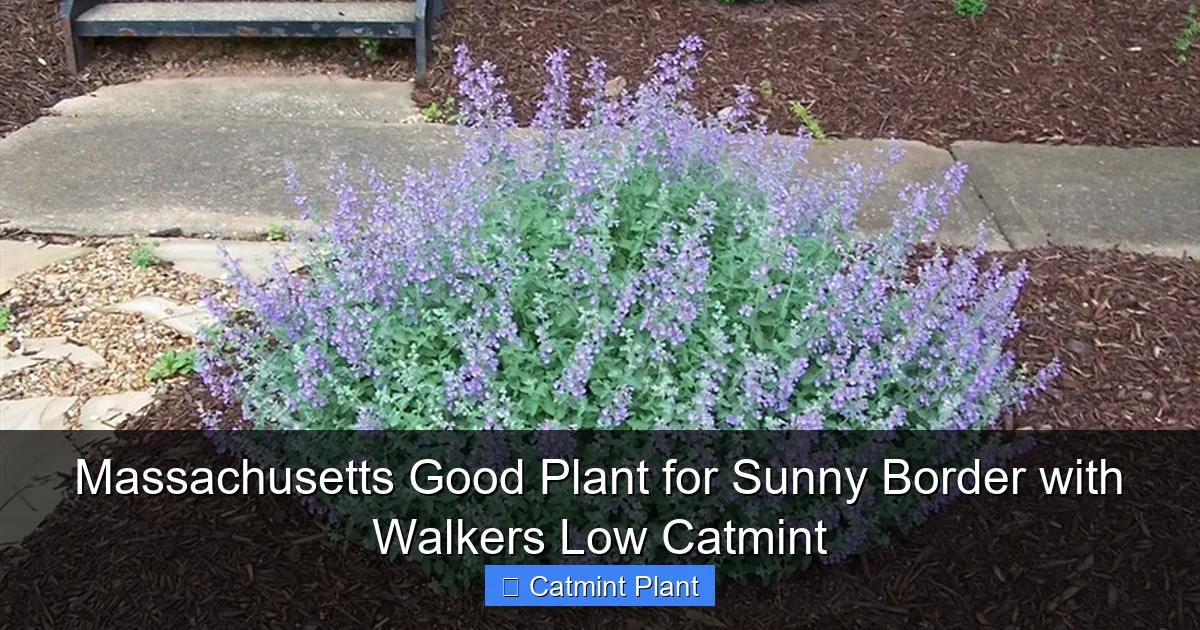
Massachusetts Good Plant for Sunny Border with Walkers Low Catmint
Walker’s Low catmint is a top massachusetts good plant for sunny border with walkers low catmint because it thrives in full sun tolerates drought and attracts pollinators. Plant it in well‑drained soil and enjoy months of lavender‑blue blooms.
If you garden in New England you know the challenge of finding a reliable perennial for a hot sunny edge. A massachusetts good plant for sunny border with walkers low catmint fits that need perfectly. Walker’s Low catmint brings color fragrance and wildlife value to any border. It also handles the cold winters and humid summers of the region.
This guide walks you through why this cultivar stands out how to prepare the site and how to keep it thriving year after year. You will learn practical tips that you can apply this weekend. Let’s dive in.
Key Takeaways
- Sun‑loving perennial: Walker’s Low catmint flourishes in full sun across Massachusetts.
- Drought tolerant: Once established it needs little supplemental water.
- Long bloom season: Lavender‑blue flowers appear from early summer to frost.
- Pollinator magnet: Bees butterflies and hummingbirds visit the spikes.
- Low maintenance: Minimal pruning and fertilizing keep it looking tidy.
- Versatile design: Works well in borders rock gardens and cottage‑style beds.
Quick Answers to Common Questions
When is the best time to plant Walker’s Low catmint in Massachusetts?
Plant in spring after the last frost or early fall for root establishment before winter.
How much sun does Walker’s Low catmint need?
It thrives in full sun with six to eight hours of direct light daily.
What soil conditions does it prefer?
Well‑drained slightly alkaline soil with added compost works best.
How often should I water once established?
Water only during prolonged dry spells about one inch per week.
Does Walker’s Low catmint attract pollinators?
Yes bees butterflies and hummingbirds love its nectar‑rich spikes.
📑 Table of Contents
Why Walker’s Low Catmint Shines in Massachusetts Sunny Borders
Climate Fit
Massachusetts sits in USDA zones 5b to 7a and Walker’s Low catmint is hardy to zone 4. That means it survives the coldest nights without extra protection. A massachusetts good plant for sunny border with walkers low catmint can handle both the chill of January and the heat of July. The plant’s deep root system stores water for dry spells and keeps the crown alive through freeze thaw cycles.
Because the roots go deep the plant tolerates short drought periods better than many other perennials. A massachusetts good plant for sunny border with walkers low catmint also rebounds quickly after a late spring frost. Gardeners in the Berkshires and the Cape both report strong performance with minimal winter loss.
Sun and Soil Preferences
Full sun is the sweet spot for this catmint and six to eight hours of direct light produce the strongest stems and the most flowers. Well‑drained soil prevents crown rot and encourages healthy growth. A massachusetts good plant for sunny border with walkers low catmint will reward you with a tidy mound of gray‑green foliage when the soil drains freely.
If your border has heavy clay amend it with compost and coarse sand before planting. A massachusetts good plant for sunny border with walkers low catmint thrives in loose fertile ground and the added organic matter improves moisture retention without waterlogging.
Bloom Time and Color
Expect lavender‑blue spikes from early June through September and the flowers sit above the foliage on sturdy stems. Deadheading encourages a second flush and extends the show. A massachusetts good plant for sunny border with walkers low catmint keeps the garden colorful when many other perennials fade in midsummer heat.
The long bloom window makes this catmint a backbone of the summer border and the soft hue pairs well with hot pink coneflowers or bright yellow coreopsis. A massachusetts good plant for sunny border with walkers low catmint also provides a calm visual anchor that ties mixed plantings together.
Preparing the Site for a Successful Border
Soil Testing and Amendment
Start with a simple soil test to learn the pH and nutrient levels of your bed. Catmint prefers a slightly alkaline pH around 6.5 to 7.5. A massachusetts good plant for sunny border with walkers low catmint will struggle in strongly acidic soil so add lime if needed.

Visual guide about Massachusetts Good Plant for Sunny Border with Walkers Low Catmint
Image source: thetutuguru.com.au
Work in a two‑inch layer of compost to improve texture and fertility. A massachusetts good plant for sunny border with walkers low catmint thrives in loose fertile ground and the organic matter feeds beneficial microbes that support root health.
Layout and Spacing
Space plants 18 to 24 inches apart to give each clump room to spread without crowding. Arrange them in drifts of three or five for a natural look. A massachusetts good plant for sunny border with walkers low catmint looks best when it can breathe and show its full mounded habit.
Keep the front edge of the border clear for low‑growing annuals or groundcovers. A massachusetts good plant for sunny border with walkers low catmint provides a mid‑height layer that bridges the gap between short edging plants and taller back‑row specimens.
Companion Plants for a Cohesive Look
Pair catmint with Russian sage coneflower and ornamental grasses for a harmonious palette. The silver foliage of Russian sage echoes the catmint’s gray leaves. A massachusetts good plant for sunny border with walkers low catmint plays well with these partners and creates a cohesive design.
Grasses add movement and winter interest while coneflowers supply bold color contrast. A massachusetts good plant for sunny border with walkers low catmint also attracts the same pollinators as its companions boosting overall garden biodiversity.
Planting Walker’s Low Catmint Step by Step
When to Plant
Spring after the last frost is ideal because the soil has warmed and the plant can establish before summer heat. Early fall works too if you give roots time to settle before the ground freezes. A massachusetts good plant for sunny border with walkers low catmint settles faster when temperatures are moderate and rainfall is reliable.
Avoid planting in the heat of midsummer when stress can stunt growth. A massachusetts good plant for sunny border with walkers low catmint prefers cool planting windows and will reward you with vigorous early growth.
Planting Depth and Watering
Dig a hole twice as wide as the root ball and set the crown at soil level. Backfill with the amended soil and firm gently around the roots. A massachusetts good plant for sunny border with walkers low catmint needs consistent moisture for the first four weeks to develop a strong root system.
Water deeply after planting and then check the soil daily. A massachusetts good plant for sunny border with walkers low catmint prefers the top inch to dry out between waterings so avoid soggy conditions that can cause rot.
Mulching for Moisture Retention
Apply a two‑inch layer of shredded bark or straw around the base keeping mulch a few inches away from the crown. Mulch suppresses weeds and conserves water during dry spells. A massachusetts good plant for sunny border with walkers low catmint benefits greatly from this simple step and stays cleaner.
Replenish mulch each spring as it breaks down. A massachusetts good plant for sunny border with walkers low catmint will maintain even soil temperature and reduce the need for frequent watering throughout the season.
Ongoing Care Through the Seasons
Watering Schedule
After establishment water only during prolonged dry spells and aim for about one inch per week. Overwatering leads to root rot and weak stems. A massachusetts good plant for sunny border with walkers low catmint prefers to dry out between drinks and shows stress if kept constantly wet.
Use a soaker hose or drip irrigation to deliver water at the base. A massachusetts good plant for sunny border with walkers low catmint absorbs moisture efficiently when the foliage stays dry reducing disease pressure.
Fertilizing Lightly
Apply a balanced slow‑release fertilizer in early spring before new growth emerges. Too much nitrogen produces floppy stems and fewer flowers. A massachusetts good plant for sunny border with walkers low catmint does not demand heavy feeding and a light application keeps it compact.
Skip fertilizing in late summer to avoid tender growth that cannot harden before frost. A massachusetts good plant for sunny border with walkers low catmint naturally stores energy in its roots for the next season.
Pruning and Deadheading
Shear the plant back by one‑third after the first bloom to encourage a fresh flush of flowers. Remove spent spikes throughout the season to keep the plant tidy. A massachusetts good plant for sunny border with walkers low catmint stays neat with this routine and continues blooming into fall.
In late fall cut the foliage to the ground after the first hard freeze. A massachusetts good plant for sunny border with walkers low catmint will emerge clean in spring without old debris that can harbor pests.
Winter Protection in New England
Catmint is hardy but a thin layer of evergreen boughs can shield the crown from freeze‑thaw cycles. Remove the cover in early spring as temperatures rise. A massachusetts good plant for sunny border with walkers low catmint emerges strong after a protected winter and shows vigorous new shoots.
In very exposed sites add a light straw mulch over the crown for extra insulation. A massachusetts good plant for sunny border with walkers low catmint tolerates the extra cover and benefits from the stable soil temperature.
Design Ideas for a Stunning Sunny Border
Color Blocking with Catmint
Plant catmint in a solid band along the front of the border to create a calm lavender‑blue ribbon. The uniform color acts like a living paint stroke that ties the bed together. A massachusetts good plant for sunny border with walkers low catmint works as a visual anchor for brighter perennials behind it.
Repeat the band at intervals for a rhythmic pattern that guides the eye. A massachusetts good plant for sunny border with walkers low catmint also softens hard edges of hardscape such as stone walls or pathways.
Layering Heights and Textures
Place taller grasses or delphiniums behind the catmint to add vertical interest. Use low‑growing sedum or thyme in front for a textured carpet. A massachusetts good plant for sunny border with walkers low catmint fits neatly into the middle tier and bridges the height gap.
The layered effect creates depth and movement as breezes sway the grasses. A massachusetts good plant for sunny border with walkers low catmint also provides a soft backdrop that highlights the finer foliage of front‑row plants.
Attracting Pollinators and Wildlife
Bees love the nectar‑rich spikes and butterflies perch on the foliage throughout the day. Hummingbirds dart among the flowers especially in the early morning. A massachusetts good plant for sunny border with walkers low catmint turns your border into a pollinator hub that supports local ecosystems.
Add a shallow water dish with pebbles nearby to give insects a safe drinking spot. A massachusetts good plant for sunny border with walkers low catmint combined with water and shelter encourages a diverse community of beneficial insects.
Common Problems and Quick Fixes
Powdery Mildew
High humidity can cause a white coating on leaves especially in crowded plantings. Improve air circulation by spacing plants properly and thinning nearby shrubs. A massachusetts good plant for sunny border with walkers low catmint rarely suffers if airflow is good and foliage stays dry.
Water at the base rather than overhead to keep leaves dry. A massachusetts good plant for sunny border with walkers low catmint responds well to targeted watering and the mildew usually disappears with better cultural practices.
Root Rot from Overwatering
Soggy soil leads to blackened roots and wilting despite wet conditions. Ensure the planting site drains well and amend heavy clay with grit. A massachusetts good plant for sunny border with walkers low catmint recovers quickly once drainage improves and the crown is allowed to dry.
Reduce watering frequency and check soil moisture before adding more. A massachusetts good plant for sunny border with walkers low catmint prefers a dry spell between drinks and will bounce back with proper care.
Pest Management
Aphids may appear on new growth in spring. Spray with a strong jet of water or use insecticidal soap for quick control. A massachusetts good plant for sunny border with walkers low catmint tolerates these treatments and continues blooming without setback.
Spider mites show up in hot dry weather and cause stippled leaves. Increase humidity with a fine mist or place a humidifier nearby. A massachusetts good plant for sunny border with walkers low catmint stays healthy with prompt action and regular monitoring.
Conclusion
Walker’s Low catmint checks every box for a sunny Massachusetts border. It is hardy drought tolerant and long blooming. A massachusetts good plant for sunny border with walkers low catmint also supports pollinators and adds a soothing color palette. Follow the planting and care steps above and you will enjoy a low‑maintenance border that looks great from June to frost.
Happy gardening and may your sunny border thrive with the beauty of this reliable perennial. A massachusetts good plant for sunny border with walkers low catmint is a smart choice for any New England gardener seeking lasting color and wildlife value.
Frequently Asked Questions
Is Walker’s Low catmint deer resistant?
Yes the aromatic foliage deters deer and rabbits in most New England gardens.
Can I grow Walker’s Low catmint in containers?
It performs well in large pots with good drainage and regular watering.
How do I divide mature clumps?
Divide in early spring or fall by lifting the clump and separating rooted sections.
What is the mature size of Walker’s Low catmint?
It typically reaches 18 to 24 inches tall and spreads 24 to 30 inches wide.
Does it need deadheading for continuous bloom?
Deadheading encourages a second flush but the plant will bloom sporadically without it.
What companion plants pair well with Walker’s Low catmint?
Russian sage coneflower ornamental grasses and low sedums create a harmonious border.