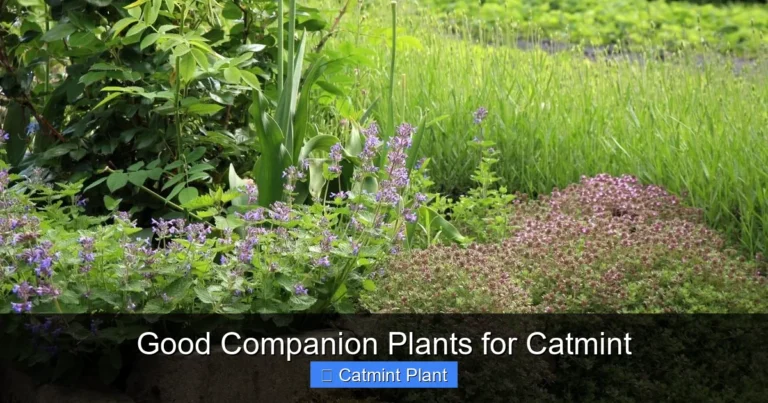
Lowes Catmint Plants
Lowes catmint plants are a popular choice for gardeners who want a low‑maintenance, fragrant herb that attracts pollinators. They thrive in full sun, need well‑drained soil, and bloom from late spring to early fall. Choose from several varieties at Lowe’s to match your garden style.
Lowes catmint plants are a favorite for many gardeners. They are easy to grow. They smell great. They attract bees and butterflies. You can find them at Lowe’s garden centers. This guide will help you choose, plant, and care for lowes catmint plants.
These herbs thrive in full sun. They tolerate drought once established. They need well‑drained soil. They bloom from late spring to early fall. The fragrance fills the air on warm evenings. Lowes catmint plants add color and scent to any yard.
In this article you will learn why lowes catmint plants are a smart choice. You will discover the top varieties sold at Lowe’s. You will get step‑by‑step planting instructions. You will find care tips for watering, pruning, and feeding. You will see design ideas for borders, containers, and mixed beds. You will also learn how to solve common problems.
Key Takeaways
- Easy to grow: lowes catmint plants tolerate drought and poor soil.
- Long bloom season: flowers appear from late spring through fall.
- Pollinator magnet: bees and butterflies love the nectar.
- Multiple varieties: choose from ‘Walker’s Low’, ‘Six Hills Giant’, and more.
- Low maintenance: little pruning and no fertilizing needed.
- Great for borders: plant in masses for a soft, aromatic edge.
Quick Answers to Common Questions
What are lowes catmint plants?
They are fragrant perennials sold at Lowe’s that bloom from spring to fall.
How much sun do lowes catmint plants need?
They need at least six hours of direct sunlight each day.
When do lowes catmint plants bloom?
They bloom from late spring through early fall.
Are lowes catmint plants deer resistant?
Yes, the strong scent deters deer and other herbivores.
Can lowes catmint plants grow in containers?
Yes, they thrive in pots with good drainage and full sun.
📑 Table of Contents
Why Choose Lowes Catmint Plants
Drought Tolerance
Lowes catmint plants survive dry spells with little water. Their deep roots reach moisture far below the surface. You can skip watering for weeks in summer. This makes them perfect for busy gardeners. Lowes catmint plants keep looking fresh even in heat.
Once established they need only occasional rain. Mulch helps retain soil moisture. A thick layer of straw or bark works well. Lowes catmint plants reward you with steady growth. Low maintenance saves time and effort.
Long Bloom Period
Lowes catmint plants flower from late spring into early fall. The lavender‑blue spikes appear in waves. Each wave lasts several weeks. Deadheading encourages new buds. Lowes catmint plants give you color for months.
You can enjoy blooms while other perennials fade. The long season attracts pollinators all summer. Bees and butterflies visit daily. Lowes catmint plants become a hub of activity. Your garden stays lively and bright.
Pollinator Friendly
Lowes catmint plants produce nectar rich flowers. Bees love the sweet reward. Butterflies flutter among the stems. Hummingbirds may stop for a sip. Planting lowes catmint plants supports local wildlife.
A pollinator garden benefits vegetables and fruit trees. More bees mean better fruit set. Lowes catmint plants are a simple way to help. They require no special care for pollinators. Just let them bloom.
Extra Benefits
Lowes catmint plants resist deer browsing. The strong scent deters many herbivores. You can plant them near vegetable beds. They act as a natural barrier. Lowes catmint plants protect your crops. Gardeners love the low maintenance nature. The plants return each year. They need little fertilizer. Lowes catmint plants thrive on neglect.
Lowes catmint plants attract beneficial insects. Ladybugs and lacewings visit the flowers. These predators eat aphids and mites. Your garden gains natural pest control. Lowes catmint plants support a healthy ecosystem. The blooms provide nectar all season. Insects stay longer in your yard. This reduces the need for sprays. Lowes catmint plants keep the balance.
Lowes catmint plants are great for cut flowers. The stems hold up well in vases. You can enjoy the fragrance indoors. Harvest stems early in the morning. Lowes catmint plants add charm to bouquets. Change water daily for longer life. Remove lower leaves before arranging. The scent freshens any room. Lowes catmint plants make lovely gifts.
Popular Varieties at Lowe’s
Walker’s Low
Walker’s Low is a compact lowes catmint plants variety. It grows about eighteen inches tall. The foliage is gray‑green and aromatic. Flowers are soft lavender. It fits well in small beds or containers.
This variety tolerates heat and humidity. It reblooms after a light shear. Walker’s Low stays tidy all season. Lowes catmint plants like this are great for edging.
Six Hills Giant
Six Hills Giant is a tall lowes catmint plants choice. It can reach three feet high. The flower spikes are large and showy. The scent is strong on warm days. It makes a bold statement in the border.
Give it room to spread. Space plants two feet apart. Six Hills Giant may need staking in wind. Lowes catmint plants of this size add vertical interest.
Little Titch
Little Titch is a dwarf lowes catmint plants form. It stays under twelve inches. The leaves are tiny and fragrant. It works well in rock gardens. The flowers are pale blue and abundant.
Plant it between stepping stones. It tolerates foot traffic. Little Titch adds charm to pathways. Lowes catmint plants like this are perfect for tight spaces.
More Variety Details
Lowes catmint plants come in many colors. Some varieties have pink or white blooms. The foliage can be silver or green. Choose a color that matches your palette. Lowes catmint plants offer visual variety. Mix different hues for a tapestry effect. The contrast adds depth to beds. Lowes catmint plants create a living mosaic.
Lowes catmint plants vary in height. Dwarf types stay under a foot. Tall types can reach three feet. Plan your layout by mature size. Lowes catmint plants fit any garden scale. Use tall varieties as backdrops. Place dwarf kinds at the front. This layering creates a full look. Lowes catmint plants work well in tiers.
Lowes catmint plants have different bloom times. Early bloomers start in May. Late bloomers extend into October. Stagger planting for continuous color. Lowes catmint plants give a long show. Combine early and late types together. The garden never lacks flowers. Pollinators benefit from the steady supply. Lowes catmint plants keep the season alive.
Planting Lowes Catmint Plants
Site Selection
Choose a sunny spot for lowes catmint plants. At least six hours of direct light is best. Some afternoon shade is okay in hot climates. Good air flow reduces disease risk. Lowes catmint plants thrive in open areas.
Avoid low spots where water collects. Standing water leads to root rot. A slight slope helps drainage. Lowes catmint plants prefer dry feet. Test the site after rain.
Soil Preparation
Lowes catmint plants like lean, well‑drained soil. Amend heavy clay with sand or grit. Add a handful of compost for nutrients. Do not over‑fertilize. Too much nitrogen reduces flowering.
Work the amendments into the top twelve inches. Rake the surface smooth. Lowes catmint plants establish faster in loose soil. A soil test can guide pH adjustments. Aim for neutral to slightly alkaline pH.
Spacing and Depth
Space lowes catmint plants eighteen to twenty‑four inches apart. This allows air movement. Dig a hole twice the width of the root ball. Set the plant at the same depth it grew in the pot. Backfill and firm gently.
Water thoroughly after planting. Mulch with straw to conserve moisture. Lowes catmint plants settle quickly. New growth appears within two weeks. Keep the area weed free.
Planting Extras
Lowes catmint plants benefit from a starter fertilizer. Use a balanced organic blend at planting. This gives a gentle nutrient boost. Avoid high nitrogen formulas. Lowes catmint plants establish stronger roots. Water the fertilizer in well. Mulch after feeding to lock moisture. The plants will reward you quickly. Lowes catmint plants grow fast with care.
Lowes catmint plants can be started from seed. Sow seeds indoors six weeks before frost. Transplant seedlings after danger passes. Direct sow in warm soil for quick starts. Lowes catmint plants germinate readily. Thin seedlings to the strongest one. Space them per label instructions. Keep soil moist until established. Lowes catmint plants thrive from seed.
Lowes catmint plants pair well with ornamental grasses. The fine texture contrasts nicely. Plant grasses behind the catmint for depth. This combo adds movement in wind. Lowes catmint plants shine in mixed borders. Choose grasses that stay upright. Avoid aggressive spreaders. The pairing stays tidy all year. Lowes catmint plants complement many companions.
Caring for Lowes Catmint Plants
Watering
Water lowes catmint plants deeply but infrequently. Once a week in dry weather is enough. Let the soil dry between waterings. Overwatering causes root problems. Lowes catmint plants prefer dry conditions.
Use a soaker hose for even moisture. Avoid wetting the foliage. Wet leaves invite fungal disease. Lowes catmint plants stay healthier with dry leaves.
Pruning
Shear lowes catmint plants after the first flush. Cut back by one third. This encourages a second bloom. Remove spent flower spikes regularly. Lowes catmint plants stay compact and tidy.
In late fall cut stems to the ground. This prevents winter damage. Clean up debris to reduce pests. Lowes catmint plants emerge fresh in spring.
Fertilizing
Lowes catmint plants need little fertilizer. A light application of balanced feed in spring is enough. Too much nitrogen makes foliage lush but flowers few. Lowes catmint plants perform best on lean soil.
Organic options like compost tea work well. Apply once per season. Avoid high‑phosphorus formulas. Lowes catmint plants thrive with minimal feeding.
Care Extras
Lowes catmint plants benefit from a yearly compost top‑dress. Spread a thin layer in early spring. This improves soil structure slowly. No heavy feeding required. Lowes catmint plants stay vigorous. Earthworms love the organic matter. They aerate the root zone naturally. The plants respond with lush growth. Lowes catmint plants thrive on simple care.
Lowes catmint plants tolerate light foot traffic. Pathways through the planting stay functional. The foliage releases scent when brushed. This adds sensory delight. Lowes catmint plants are garden friendly. Kids enjoy the aromatic walk. Pets may sniff the leaves safely. The plant recovers quickly from trampling. Lowes catmint plants handle everyday use.
Lowes catmint plants can be divided every three years. Dig the clump in early spring. Separate into smaller sections. Replant immediately at the same depth. Lowes catmint plants rejuvenate with division. Division also controls size. It prevents center die‑out. Share divisions with friends. Lowes catmint plants multiply generously.
Design Ideas with Lowes Catmint Plants
Border Plantings
Plant lowes catmint plants in drifts along pathways. The soft mounds create a flowing edge. Mix with lavender and salvia for color contrast. Lowes catmint plants add fragrance to walkways.
Repeat the planting every few feet. This gives a cohesive look. The border stays attractive all season. Lowes catmint plants are a classic border choice.
Container Gardens
Lowes catmint plants grow well in pots. Choose a container at least twelve inches wide. Use a gritty potting mix for drainage. Place the pot in full sun. Lowes catmint plants thrive on patios.
Water when the top inch feels dry. Feed lightly in spring. Pinch back to keep shape. Lowes catmint plants bring scent to outdoor living spaces.
Companion Plants
Pair lowes catmint plants with roses. The herb repels aphids naturally. Combine with coneflower for a prairie feel. Lowes catmint plants complement many perennials.
Plant near vegetables like tomatoes. Pollinators visit both crops. The aroma may deter some pests. Lowes catmint plants improve garden health.
Design Extras
Lowes catmint plants work in rock gardens. The low mounds hug stones nicely. They soften hard edges with foliage. The scent drifts through the stones. Lowes catmint plants add charm to rocky sites. Combine with sedums for color contrast. The mix stays low and tidy. Water sparingly in rocky soil. Lowes catmint plants thrive in lean conditions.
Lowes catmint plants suit cottage garden styles. Plant them beside roses and foxgloves. The informal look feels relaxed. They self‑seed gently for natural drifts. Lowes catmint plants enhance a romantic vibe. Allow some seedlings to remain. Thin only if crowded. The garden evolves beautifully over years. Lowes catmint plants create living history.
Lowes catmint plants can edge a herb garden. The fragrance mingles with basil and thyme. Harvest catmint leaves for tea. The plant stays productive all season. Lowes catmint plants are both ornamental and useful. Dry leaves for winter tea blends. The aroma calms the mind. Share the harvest with neighbors. Lowes catmint plants give generously.
Common Problems and Solutions
Powdery Mildew
Powdery mildew appears as white dust on leaves. It thrives in humid, shady spots. Increase air flow by thinning stems. Water at the base, not overhead. Lowes catmint plants recover quickly with good culture.
Apply a homemade spray of baking soda and water. Repeat weekly until clear. Remove severely infected leaves. Lowes catmint plants stay healthy with prevention.
Root Rot
Root rot shows as wilting despite wet soil. It is caused by poor drainage. Improve soil with sand or raise the bed. Avoid overwatering. Lowes catmint plants need dry roots.
If caught early, replant in fresh soil. Trim away blackened roots. Lowes catmint plants can bounce back. Good drainage is the best cure.
Leggy Growth
Leggy growth happens in too much shade. Stems stretch toward light. Move the plant to a sunnier spot. Prune back hard in early spring. Lowes catmint plants become bushier.
Pinch tips regularly during the season. This promotes branching. Lowes catmint plants stay compact and full. Adequate light prevents legginess.
Problem Extras
Lowes catmint plants may attract spider mites in dry heat. Spray with a strong jet of water. This dislodges the tiny pests. Repeat weekly until gone. Lowes catmint plants recover fast. Introduce predatory mites for biological control. They hunt spider mites naturally. Avoid broad spectrum insecticides. Lowes catmint plants stay balanced.
Lowes catmint plants sometimes develop leaf spot. Remove affected leaves promptly. Improve air circulation around plants. Water at soil level only. Lowes catmint plants stay clean. Apply a copper based fungicide if needed. Follow label rates carefully. Rotate fungicide classes each year. Lowes catmint plants resist disease with care.
Lowes catmint plants can become woody with age. Hard prune in late winter to renew. Cut back to six inches above ground. New shoots emerge vigorous. Lowes catmint plants stay youthful. Divide the clump every few years. This prevents center die‑back. Share divisions with friends. Lowes catmint plants multiply and thrive.
Final Tips
Lowes catmint plants thrive when you observe them daily. Notice changes in leaf color or growth. Early detection prevents big problems. Keep a garden journal for notes. Lowes catmint plants respond to attentive care. Write down watering dates and pruning times. Track bloom periods each year. Adjust care based on records. Lowes catmint plants reward consistent monitoring.
Lowes catmint plants benefit from companion planting with alliums. The onion family repels many pests. Plant garlic or chives nearby. The combination reduces aphid pressure. Lowes catmint plants enjoy the partnership. Alliums also add culinary value. Harvest both for kitchen use. The scent blend is delightful. Lowes catmint plants create a functional garden.
Lowes catmint plants can be used in herbal remedies. The leaves make a soothing tea. Steep a handful in hot water for five minutes. Drink before bed for calm. Lowes catmint plants offer natural wellness. Dry leaves for later use. Store in airtight jars away from light. The flavor stays strong for months. Lowes catmint plants provide a home apothecary.
Lowes catmint plants are a smart investment for any gardener. They return year after year with little cost. The initial purchase pays off in beauty. Share divisions to expand your garden. Lowes catmint plants keep giving. Consider planting a few each season. The collection grows over time. Enjoy the fragrance and pollinators. Lowes catmint plants make gardening joyful.
Lowes catmint plants inspire creativity in garden design. Sketch your layout before planting. Use graph paper or a phone app. Visualize color blocks and bloom times. Lowes catmint plants fit any plan. Adjust the plan as plants mature. Move containers for seasonal interest. The garden evolves with you. Lowes catmint plants stay versatile.
Lowes catmint plants are a versatile, low‑maintenance herb for any garden. They offer long bloom, fragrance, and pollinator support. With the right variety and simple care they thrive for years. Visit your local Lowe’s to pick up lowes catmint plants today. Enjoy a garden that smells wonderful and buzzes with life.
Frequently Asked Questions
How do I plant lowes catmint plants?
Choose a sunny spot, prepare well‑drained soil, space plants 18‑24 inches apart, plant at the same depth as the pot, and water thoroughly.
What maintenance do lowes catmint plants require?
Water deeply but infrequently, prune after the first bloom, apply a light compost top‑dress in spring, and divide clumps every three years.
Which varieties of lowes catmint plants are best for small gardens?
‘Walker’s Low’ and ‘Little Titch’ stay compact and fit tight spaces.
Do lowes catmint plants attract pollinators?
Yes, bees, butterflies, and hummingbirds visit the nectar‑rich flowers all season.
What pests affect lowes catmint plants?
Spider mites, aphids, and powdery mildew can appear; proper spacing and watering reduce risk.
Can I use lowes catmint plants for tea?
The leaves make a calming herbal tea; steep fresh or dried leaves in hot water for a few minutes.