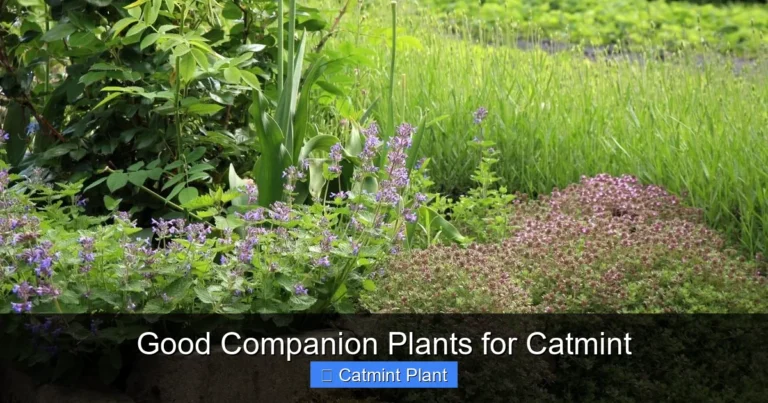
Is Catmint Plant a Perennial
Yes, catmint plant is a perennial that returns reliably each spring in USDA zones 3-8. This low-maintenance herb offers aromatic foliage, lavender-blue flowers, and exceptional drought tolerance once established.
Key Takeaways
- Catmint plant is a true perennial: It dies back in winter and regrows from the same root system each spring.
- Hardy in zones 3-8: Most varieties survive freezing winters and hot summers with minimal care.
- Long blooming season: Flowers appear from late spring through fall with proper deadheading.
- Drought tolerant once established: Deep roots make it perfect for water-wise gardens.
- Deer and rabbit resistant: Aromatic oils deter browsing animals naturally.
- Attracts pollinators: Bees, butterflies, and hummingbirds love the nectar-rich blooms.
- Easy to propagate: Divide clumps every 3-4 years or take cuttings for new plants.
Quick Answers to Common Questions
Is catmint plant a perennial in all climates?
Catmint plant is a perennial in USDA zones 3-8. In zone 9 and warmer, it often struggles with heat and humidity and may act as a short-lived perennial or annual.
How long does catmint plant live as a perennial?
With proper care, catmint plant lives 5-10 years or longer. Dividing the clump every 3-4 years rejuvenates the plant and extends its lifespan significantly.
Does catmint plant die back in winter?
Yes, catmint plant is a herbaceous perennial that dies back to the ground after hard frost in cold climates. The roots survive underground and regrow in spring.
Can catmint plant survive winter in containers?
In zones 5 and colder, container-grown catmint plant needs winter protection. Move pots to an unheated garage or bury them in the ground. In zones 6+, they often survive outdoors with insulation.
Will catmint plant come back every year without maintenance?
Catmint plant returns reliably each year with minimal maintenance. However, annual spring cleanup, occasional division, and post-bloom shearing keep it vigorous and blooming heavily.
📑 Table of Contents
- What Is Catmint Plant?
- Is Catmint Plant a Perennial? The Short Answer
- Understanding Catmint Plant Hardiness Zones
- Popular Catmint Plant Varieties and Their Perennial Nature
- How to Grow Catmint Plant as a Perennial
- Common Problems and Solutions for Perennial Catmint Plant
- Catmint Plant vs. Catnip: What’s the Difference?
- Designing with Catmint Plant in Your Perennial Garden
- Seasonal Care Calendar for Catmint Plant
- Propagating Catmint Plant: More Plants for Free
- Catmint Plant in Herbal and Wildlife Gardens
- Troubleshooting: Why Isn’t My Catmint Plant Blooming?
- Buying Catmint Plant: What to Look For
- Frequently Asked Questions About Catmint Plant
- Conclusion: Embrace the Perennial Power of Catmint Plant
What Is Catmint Plant?
If you have ever walked past a garden and caught a whiff of something minty and sweet drifting on the breeze, chances are you were smelling catmint plant. This charming herb has won the hearts of gardeners everywhere. It belongs to the genus Nepeta, which includes about 250 species. The most common garden varieties are Nepeta x faassenii and Nepeta racemosa. These plants form neat mounds of gray-green foliage topped with spikes of lavender-blue flowers.
Catmint plant is often confused with catnip (Nepeta cataria), but they are different plants. Catnip drives cats wild. Catmint plant has a milder effect on felines. Both belong to the mint family, Lamiaceae. You can tell by the square stems and opposite leaves. But catmint plant is grown for its ornamental value. It looks stunning in borders, rock gardens, and cottage-style plantings. The foliage releases a pleasant fragrance when brushed against. This makes it a great choice for planting along pathways.
Gardeners love catmint plant because it asks for so little and gives so much. It thrives on neglect. Poor soil? No problem. Hot sun? Bring it on. Forgot to water? It will forgive you. This toughness makes it a favorite for beginners and experts alike. But the big question remains. Is catmint plant a perennial? Let us dig into the details.
Is Catmint Plant a Perennial? The Short Answer
Yes, catmint plant is a perennial. This means it lives for more than two years. In fact, a healthy catmint plant can thrive for many years. It follows the classic perennial life cycle. The top growth dies back to the ground after hard frost in autumn. The roots remain alive underground during winter. When soil warms in spring, new shoots emerge from the crown. This cycle repeats year after year.
The term “perennial” sometimes confuses new gardeners. Some think it means the plant stays green all winter. That describes an evergreen perennial. Catmint plant is a herbaceous perennial. Herbaceous means the stems are soft, not woody. These plants die back completely in cold climates. Do not panic when your catmint plant turns brown and crispy in November. It is not dead. It is just sleeping. The root system is storing energy for the next growing season.
In warmer zones, catmint plant may stay semi-evergreen. You might see a basal rosette of leaves hugging the ground all winter. This is normal too. The plant is simply adapting to its climate. Either way, the answer is clear. Catmint plant is a perennial you can count on.
Perennial vs Annual vs Biennial
Understanding the difference helps you plan your garden. Annuals complete their life in one season. They grow, flower, set seed, and die. Examples include marigolds and zinnias. Biennials take two years. They grow leaves the first year, flower the second, then die. Foxgloves are classic biennials. Perennials like catmint plant live three or more years. They invest in strong root systems. This allows them to survive winter dormancy.
Some perennials are short-lived, lasting only three to five years. Others, like peonies, can live for decades. Catmint plant falls in the middle. With good care, a clump can thrive for 5-10 years or more. Eventually, the center may become woody and die out. This signals it is time to divide. Division rejuvenates the plant and gives you free new plants.
Why Perennial Status Matters
Knowing catmint plant is a perennial changes how you treat it. You do not need to replant every spring. This saves money and time. You can invest in soil preparation once. Amend the planting hole with compost. The plant will benefit for years. You also plan spacing differently. Give each plant room to reach its mature width. Most catmint plant varieties spread 18-24 inches. Crowding leads to poor air flow and disease.
Perennial status also affects design. Use catmint plant as a permanent backbone in borders. Pair it with other perennials that have similar needs. Good companions include salvia, coneflower, and ornamental grasses. The soft blue flowers blend beautifully with almost any color scheme. Because it returns reliably, you can build garden designs around it.
Understanding Catmint Plant Hardiness Zones
Hardiness zones tell you which plants survive your winter. The USDA map divides North America into zones based on average minimum temperatures. Catmint plant is remarkably adaptable. Most varieties are hardy in zones 3 through 8. Some tough cultivars push into zone 2. In zone 9, they may struggle with humidity and heat. Let us break this down by region.
Zones 3-4: Cold Climate Champions
Gardeners in Minnesota, North Dakota, and Montana can grow catmint plant with confidence. Winter temperatures drop to -30°F or lower. Catmint plant handles this easily. The key is snow cover. Snow acts as insulation. It keeps soil temperature stable. If your area gets reliable snow, your catmint plant will thrive. In areas with little snow, add a light mulch after the ground freezes. Use straw, pine needles, or shredded leaves. Remove mulch gradually in spring.
Spring emerges late in these zones. Do not give up on your catmint plant if it is slow to appear. The soil must warm sufficiently. You might not see growth until late May. This is normal. Once it starts, it grows fast.
Zones 5-6: The Sweet Spot
This includes much of the Midwest, Northeast, and Pacific Northwest. Think Iowa, Illinois, Ohio, Pennsylvania, and western Washington. Winters are cold but not extreme. Summers are warm but not scorching. Catmint plant performs its best here. It blooms heavily in June. A quick shear after first flush brings a second show in August. The plants form full, lush mounds. Division every three years keeps them vigorous.
Zones 7-8: Mild Winters, Hot Summers
This covers the Mid-Atlantic, parts of the South, and California coastal areas. Winters are short. The ground rarely freezes deep. Catmint plant may stay green at the base all winter. This is fine. However, summer heat and humidity can be challenging. In zone 8, afternoon shade helps. Excellent drainage is critical. Wet winter soil causes root rot more than cold does. Plant in raised beds or on slopes if your soil is heavy clay.
Zone 9 and Beyond: A Stretch
In zone 9 (Florida, Gulf Coast, southern Arizona), catmint plant struggles. The combination of heat, humidity, and lack of winter chill weakens it. It may survive a year or two but often declines. Fungal diseases thrive in humidity. If you want to try, choose heat-tolerant varieties like ‘Walker’s Low’ or ‘Six Hills Giant’. Plant in part shade. Ensure perfect drainage. Treat it as a short-lived perennial or annual.
Microclimates Matter
Your yard has microclimates. A south-facing wall creates a warmer pocket. A low spot collects cold air. Catmint plant near a stone patio may emerge two weeks earlier. One in a frost pocket may need extra mulch. Observe your garden. Note where snow melts first. That is your warm spot. Plant catmint plant there for earliest blooms.
Popular Catmint Plant Varieties and Their Perennial Nature
Not all catmint plant varieties are created equal. Some are compact. Others sprawl. Bloom time varies. Flower color ranges from deep violet to pale blue to white. All share the perennial habit. But some are more reliable in certain conditions. Here are the stars of the catmint plant world.
Nepeta x faassenii ‘Walker’s Low’
This is the gold standard. Despite the name, it is not low-growing. It reaches 24-30 inches tall and wide. The Perennial Plant Association named it Perennial Plant of the Year in 2007. It blooms from May to September with minimal deadheading. The lavender-blue flowers are abundant. Stems are sturdy and resist flopping. It is hardy in zones 3-8. This variety is the most widely available. If you buy one catmint plant, make it this one.
Nepeta racemosa ‘Little Titch’
Perfect for small spaces. This dwarf variety forms a tight mound only 8-10 inches tall. It spreads slowly to 12-15 inches. The flowers are a deeper violet-blue. It blooms heavily in early summer. A light shear encourages rebloom. ‘Little Titch’ is ideal for rock gardens, troughs, and the front of borders. It is hardy in zones 4-8. The compact habit means less maintenance.
Nepeta ‘Six Hills Giant’
As the name suggests, this one gets big. It reaches 36 inches tall and wide. The flower spikes are longer and more dramatic. It makes a bold statement in the middle of a border. The habit is more open than ‘Walker’s Low’. It may need staking in rich soil. Cut it back by half in June for a bushier plant. Hardy in zones 3-8. This is an older variety but still a favorite.
Nepeta x faassenii ‘Junior Walker’
A newer introduction. Think of it as ‘Walker’s Low’ but more compact. It tops out at 15-18 inches. The flower power is just as strong. It was bred for better branching and a neater habit. This makes it great for containers and edging. Hardy in zones 5-9. It handles heat a bit better than older varieties.
Nepeta subsessilis ‘Sweet Dreams’
Something different. This variety has pink flowers instead of blue. The foliage is larger and greener, less gray. It prefers a bit more moisture than other catmint plant types. The flowers are larger too. It blooms mid-summer to fall. Hardy in zones 4-8. Use it to add a soft pink note to the blue palette.
Nepeta ‘Cat’s Pajamas’
A recent Proven Winners introduction. It forms a perfect ball of flowers 12-14 inches tall. The bloom time is incredibly long. It starts early and keeps going until frost. The habit is exceptionally tidy. No flopping. No bare centers. Hardy in zones 3-8. This is a game-changer for small gardens.
White-Flowered Varieties
‘Alba’ and ‘White Wonder’ offer pure white blooms. They have the same perennial toughness. White flowers glow in evening gardens. Pair them with dark-leaved plants like heuchera for contrast. They are slightly less common but worth seeking out.
How to Grow Catmint Plant as a Perennial
Growing catmint plant successfully is about understanding what it likes. Hint: it likes what most plants hate. Lean soil. Hot sun. Dry conditions. If you coddle it, it gets floppy and blooms less. Treat it mean, keep it keen. Here is your complete guide.
Choosing the Right Site
Full sun is non-negotiable. Catmint plant needs at least six hours of direct sun. Eight is better. In hot climates (zones 7-8), it tolerates light afternoon shade. But too much shade makes it leggy. The stems stretch toward light. Flowers become sparse. The plant loses its compact charm. Pick the sunniest spot you have.
Drainage is the second critical factor. Catmint plant hates wet feet. Winter wet kills more plants than winter cold. If your soil is heavy clay, amend it. Mix in coarse sand, fine gravel, or compost. Create a raised bed. Or plant on a slope. The crown should sit slightly above soil level. This prevents water from pooling around the base.
Soil Preparation
Do not add rich compost or manure. Catmint plant prefers lean, even rocky soil. Fertile soil produces lush foliage but few flowers. The stems become weak and flop. If your soil is sandy or gravelly, you are lucky. Plant right in it. If it is clay, dig a hole twice as wide as the pot. Mix the native soil 50/50 with coarse sand or fine grit. No fertilizer needed.
The ideal pH is neutral to slightly alkaline, 6.5-7.5. Catmint plant tolerates slightly acidic soil too. A soil test tells you for sure. But honestly, it adapts to a wide range. Do not overthink it.
Planting Your Catmint Plant
Spring and fall are both good planting times. Spring gives roots time to establish before summer heat. Fall planting works in zones 5 and warmer. The soil is warm, encouraging root growth. The plant goes into winter with a head start. Avoid planting in summer heat. If you must, provide temporary shade and water carefully.
Space plants 18-24 inches apart for most varieties. Dwarf types can go 12-15 inches. ‘Six Hills Giant’ needs 30-36 inches. Dig a hole the same depth as the pot. Gently loosen circling roots. Place the plant so the crown sits at soil level. Backfill with your prepared mix. Firm gently. Water thoroughly to settle soil.
Watering: The Establishment Phase
This is where many gardeners fail. They either overwater or underwater. Newly planted catmint plant needs consistent moisture for 4-6 weeks. Water deeply twice a week if no rain. Check soil with your finger. It should be moist 2 inches down. Not soggy. Not bone dry.
After establishment, cut back watering dramatically. In most climates, established catmint plant needs zero supplemental water. Rainfall is enough. In extreme drought, a deep soak every 3-4 weeks keeps it looking fresh. But it will survive without it. The leaves may curl and gray. That is a defense mechanism. It will bounce back when rain returns.
Fertilizing: Just Say No
Catmint plant does not need fertilizer. Really. Excess nitrogen produces weak, floppy growth. It also reduces essential oils. Those oils give the fragrance and deter pests. If your soil is truly terrible, a light sprinkle of compost in spring is plenty. Or use a slow-release organic fertilizer at half the recommended rate. Once a year. Max.
Deadheading for Continuous Bloom
This is the secret to months of flowers. When the first flush fades in early summer, shear the whole plant back by half. Use hedge shears or large scissors. It looks brutal. But within two weeks, fresh growth appears. Buds form quickly. You get a second heavy bloom in late summer. A third light shear in August can push blooms into October.
If you prefer a looser look, snip individual spent spikes. This is more work but maintains a natural shape. Either way, removing spent flowers prevents seeding. Catmint plant can self-sow modestly. Deadheading keeps it in bounds.
Dividing: Renewal for Longevity
Every 3-4 years, the center of a catmint plant clump dies out. You see a ring of growth with a bare middle. This is your cue to divide. Spring is best, just as new growth emerges. Fall works too, 6 weeks before ground freeze.
Dig up the whole clump. Shake off soil. Use a sharp spade or knife to cut into sections. Each division needs roots and 3-5 shoots. Discard the woody center. Replant divisions at the same depth. Water well. They establish fast. You just turned one plant into three or four.
Common Problems and Solutions for Perennial Catmint Plant
Catmint plant is remarkably trouble-free. But no plant is immune to everything. Knowing potential issues helps you act fast. Most problems stem from two things: too much water and too little sun.
Root Rot: The Silent Killer
This is the number one cause of catmint plant death. Symptoms include wilting despite moist soil, yellowing leaves, and blackened stems at the base. The roots turn brown and mushy. It happens in poorly drained soil or with overwatering. Prevention is everything. Plant in well-drained soil. Water deeply but infrequently. Never let mulch touch the crown.
If you catch it early, you might save the plant. Dig it up. Trim away all rotted roots. Dust cuts with cinnamon or sulfur. Replant in a better spot. Or pot it in gritty mix. Keep barely moist. It may recover.
Powdery Mildew: Cosmetic but Annoying
You see white powdery coating on leaves. It appears in humid weather with poor air flow. Crowded plants get it worst. It rarely kills catmint plant but looks unsightly. Prevention: space plants properly. Water at the base, not overhead. Morning sun dries dew fast. If it appears, remove affected leaves. Spray with neem oil or potassium bicarbonate. Or just ignore it. The plant will outgrow it.
Spider Mites: Tiny but Mighty
These microscopic pests suck sap from leaves. You see fine webbing and stippled, bronzed foliage. They love hot, dry, dusty conditions. Ironically, the drought tolerance of catmint plant creates their ideal habitat. Blast plants with water weekly to dislodge mites. Insecticidal soap works for heavy infestations. Encourage predatory mites by avoiding broad-spectrum pesticides.
Flopping: The Leggy Look
Stems sprawl outward, leaving a bare center. Flowers end up on the ground. Causes: too much shade, too rich soil, too much water, or overcrowding. Fix: move to full sun. Stop fertilizing. Cut back watering. Divide crowded clumps. The “Chelsea Chop” in late May prevents flopping. Cut stems back by one-third. This creates bushier, stronger growth.
Winter Kill: When Perennials Don’t Return
Sometimes catmint plant does not come back. Reasons: planted too deep, crown rot from winter wet, extreme cold without snow cover, or vole damage. Voles eat roots under snow. Check for tunnels. If the plant is truly gone, replace it. But wait until late spring. Sometimes it is just slow. Mark the spot so you do not accidentally dig it up.
Catmint Plant vs. Catnip: What’s the Difference?
This confusion is universal. Both are Nepeta. Both have aromatic leaves. Both attract cats. But they are distinct plants with different uses. Let us clear it up once and for all.
Catnip (Nepeta cataria)
Catnip is the one that sends cats into ecstasy. It contains high levels of nepetalactone, the compound that triggers the response. About 70% of cats react. They roll, rub, drool, and zoom. The effect lasts 10-15 minutes. Then they are immune for an hour or two.
Catnip is a rangy, weedy-looking plant. It grows 2-3 feet tall with heart-shaped, gray-green leaves. The flowers are small, white with purple spots. It self-sows aggressively. Many gardeners consider it a weed. It is grown for cats, not beauty. You can dry the leaves for cat toys. Humans can drink catnip tea for relaxation. It is a perennial in zones 3-9.
Catmint Plant (Nepeta x faassenii, N. racemosa, etc.)
Catmint plant is the ornamental cousin. It has lower nepetalactone. Some cats ignore it. Others show mild interest. It will not destroy your garden. The foliage is smaller, more refined. The flowers are showy spikes of lavender-blue. The habit is mounded and tidy. It does not self-sow aggressively. It is grown for beauty, pollinators, and durability.
Can You Grow Both?
Absolutely. Plant catnip in a dedicated cat garden or container. Keep it away from prized catmint plant. Cats will flatten catnip. They rarely damage catmint plant. If you have outdoor cats, protect young catmint plant with a wire cage until established. Once woody at the base, cats lose interest.
Other Nepeta Species
The genus includes many species. Nepeta grandiflora has larger flowers. Nepeta sibirica is very cold hardy. Nepeta kubanica has yellow flowers. But the hybrids N. x faassenii and N. racemosa cultivars are the garden standards. They offer the best combination of beauty, hardiness, and behavior.
Designing with Catmint Plant in Your Perennial Garden
Catmint plant is a designer’s dream. The soft blue flowers go with everything. The gray-green foliage adds texture. The long bloom season bridges gaps. Here are inspiring ways to use it.
Classic Cottage Garden
Pair catmint plant with roses. The blue hides rose canes. The fragrance mingles beautifully. Add lady’s mantle (Alchemilla) at the front. Its chartreuse flowers glow against catmint plant blue. Tuck in some hardy geraniums. ‘Rozanne’ is a perfect match. Both bloom forever. The effect is romantic and lush.
Mediterranean Gravel Garden
Catmint plant thrives in gravel. Plant it with lavender, thyme, and oregano. Add ornamental grasses like blue fescue (Festuca glauca). The silver-blue foliage echoes catmint plant. Use large stones as accents. This garden needs almost zero water once established. It loves heat and sun.
Pollinator Paradise
Bees adore catmint plant. Plant it in drifts of 5-7 for maximum impact. Combine with coneflower (Echinacea), bee balm (Monarda), and salvia. Add butterfly weed (Asclepias tuberosa) for monarchs. Include late bloomers like sedum and aster. You will have pollinators from April to November.
Edging and Pathways
Dwarf catmint plant varieties make perfect edging. ‘Little Titch’ or ‘Cat’s Pajamas’ stay neat. Plant them 12 inches apart along a path. They soften hard edges. When you brush past, fragrance releases. It is a sensory experience. Avoid tall varieties for edging. They flop onto the path.
Container Combinations
Catmint plant grows well in pots. Use a gritty, well-drained mix. Choose a container at least 12 inches deep. Pair with trailing plants like calibrachoa or verbena. Add a thriller like purple fountain grass. The catmint plant fills the middle. Water when the top inch is dry. Fertilize monthly at quarter strength. Overwinter pots in an unheated garage in zones 5 and colder.
Underplanting Shrubs
Use catmint plant as a groundcover under deciduous shrubs. It handles root competition. The spring sun reaches it before shrubs leaf out. It blooms while the shrub is just greening up. Good partners: spirea, potentilla, and butterfly bush. Avoid dense evergreens. Too much shade.
Color Combinations
Blue is a neutral in the garden. Catmint plant works with hot colors (red, orange, yellow) to cool them down. It harmonizes with pastels (pink, lavender, peach). It pops against white. It creates depth with dark foliage (purple smokebush, ‘Diabolo’ ninebark). Experiment. You cannot go wrong.
Seasonal Care Calendar for Catmint Plant
A perennial garden follows a rhythm. Catmint plant has specific needs each season. Here is your year-round guide.
Early Spring (March-April)
Cut back dead stems to 2-3 inches. Do this before new growth appears. Old stems protect the crown over winter. Now they just harbor slugs and disease. Apply a light mulch of compost around, not on, the crown. Watch for emerging shoots. They are reddish at first. Do not step on them.
Late Spring (May)
Growth accelerates. This is prime time for the Chelsea Chop. Cut back by one-third if you want bushier plants. Or let it grow for earliest blooms. Watch for aphids on new growth. Blast with water. Divide overcrowded clumps now. Replant divisions immediately.
Early Summer (June)
First major bloom. Enjoy it. Cut flowers for bouquets. They last 5-7 days in a vase. Deadhead spent spikes if you have time. Or wait for the big shear in July. Water only in extreme drought.
Mid Summer (July)
First flush fades. Shear the whole plant back by half. It looks sad for a week. Then fresh growth explodes. This is the most important maintenance task. It prevents seeding. It prevents flopping. It guarantees a second show.
Late Summer (August)
Second bloom begins. It is often heavier than the first. Butterflies flock to it. Continue deadheading if you want. Or let it go for a wilder look. Stop watering unless severe drought.
Fall (September-October)
Bloom continues until hard frost. Leave the last flowers for winter interest. The seed heads catch frost beautifully. Birds may eat seeds. Do not fertilize. Do not divide now (except in warm zones). Let the plant harden off.
Late Fall (November)
After several hard freezes, foliage turns brown. You have a choice. Cut back to 3 inches now. Or leave until spring. Leaving it provides winter protection. Beneficial insects overwinter in hollow stems. If you cut now, apply light mulch after ground freezes.
Winter (December-February)
Catmint plant sleeps. Snow covers it. That is perfect. In snowless periods, check for heaving. Freeze-thaw cycles push plants up. Gently press crowns back down. Do not walk on frozen plants. Plan next year’s divisions. Order new varieties.
Propagating Catmint Plant: More Plants for Free
One catmint plant can become many. Propagation is easy and satisfying. Three main methods work well.
Division: The Fastest Way
We covered this earlier. Spring division yields full-size plants the same year. Fall division works in mild climates. Each division needs roots and shoots. Plant immediately. Water well. They barely miss a beat.
Stem Cuttings: For Exact Clones
Take cuttings in late spring or early summer. Choose non-flowering stems. Cut 4-6 inch pieces just below a node. Strip lower leaves. Dip in rooting hormone (optional). Stick in moist perlite or sand. Cover with a plastic bag. Place in bright shade. Roots form in 2-3 weeks. Pot up. Grow on until fall planting.
Seed: For Experimenters
Catmint plant seeds need light to germinate. Sow indoors 6-8 weeks before last frost. Press into moist seed mix. Do not cover. Keep at 65-70°F. Germination takes 7-14 days. Grow under lights. Harden off. Plant out after frost. Note: hybrids like ‘Walker’s Low’ do not come true from seed. You get variable offspring. This is fun for breeders. For exact replicas, use division or cuttings.
Catmint Plant in Herbal and Wildlife Gardens
Beyond beauty, catmint plant has practical uses. It earns its keep in multiple ways.
Herbal Uses
Catmint plant leaves make a pleasant tea. It is milder than catnip. Traditionally used for digestion, stress, and sleep. Harvest leaves before flowering for best flavor. Dry in a single layer on screens. Store in airtight jars. Use 1 teaspoon dried per cup boiling water. Steep 5 minutes. Pregnant women should avoid medicinal amounts.
The flowers are edible. Sprinkle on salads. Float in drinks. Candy them for cake decorations. They have a mild minty flavor with floral notes.
Companion Planting Benefits
Catmint plant repels certain pests. The aromatic oils deter aphids, squash bugs, and flea beetles. Plant it near vegetables. It attracts beneficial insects. Hoverflies, lacewings, and parasitic wasps love the nectar. Their larvae eat garden pests. It is a living pesticide.
Deer and Rabbit Resistance
This is huge for rural gardeners. Deer rarely browse catmint plant. Rabbits avoid it too. The strong scent and fuzzy texture deter them. No plant is 100% proof. Starving animals eat anything. But catmint plant is among the most reliable resistant perennials.
Erosion Control
The dense, fibrous root system holds soil. Plant catmint plant on slopes. Space 18 inches apart. They knit together into a living mat. The foliage slows rainfall impact. This reduces runoff. It is a beautiful solution for banks.
Troubleshooting: Why Isn’t My Catmint Plant Blooming?
You planted it. It grows leaves. But no flowers. Frustrating. Here are the usual suspects.
Too Much Shade
Catmint plant needs full sun. Even 4 hours of shade reduces blooms dramatically. Move it. Or limb up overhead trees.
Too Much Fertilizer
Nitrogen grows leaves, not flowers. Stop fertilizing. If lawn fertilizer runs off, create a barrier.
Too Much Water
Constant moisture = lush foliage, few flowers. Let it dry between rains. Check drainage.
Too Crowded
Old clumps with dead centers bloom poorly. Divide in spring. You will see the difference.
Wrong Variety
Some species bloom once in early summer. Nepeta sibirica blooms June-July only. Research your variety.
Pruning at Wrong Time
If you cut back in late spring, you remove flower buds. Prune only in early spring or after first bloom.
Buying Catmint Plant: What to Look For
Smart shopping saves disappointment. Here is your checklist.
At the Nursery
Look for compact, bushy plants. Avoid tall, leggy ones. They were grown too crowded. Check the roots. Slide the pot off. Roots should be white and firm. Not circling the bottom. Not brown and mushy. The crown should have multiple shoots. Single-stem plants are weak.
Check for pests. Aphids cluster on new growth. Spider mites leave stippling. Whiteflies flutter when disturbed. Avoid infested plants.
Online Orders
Buy from reputable perennial specialists. Read reviews. Look for “well-rooted” not “plugs” unless you want to grow them on. Bare root plants should have firm, moist roots. Pot immediately on arrival.
Labels Matter
Spring offers the widest selection. Fall plants are often larger, root-bound bargains. Plant fall purchases 6 weeks before ground freeze. Spring plants have all season to establish.
Frequently Asked Questions About Catmint Plant
Gardeners ask the same questions. Here are the answers.
Does catmint plant spread aggressively?
No. It forms a clump that slowly expands. It does not run by rhizomes like mint. It may self-sow lightly. Deadheading prevents this. Division every few years controls size.
Is catmint plant toxic to pets?
No. It is non-toxic to dogs, cats, and horses. Cats may nibble it. Large amounts could cause mild stomach upset. But it is generally safe.
Can catmint plant grow in shade?
It survives in part shade (4-6 hours sun). But it gets leggy. Flowers are sparse. Foliage is greener, less silver. Full sun is best.
Why is my catmint plant turning yellow?
Usually overwatering or poor drainage. Let soil dry. Check for root rot. Occasionally nitrogen deficiency in very poor soil. A light compost mulch helps.
When should I cut back catmint plant?
Early spring before new growth. Or after first bloom in July. Never in fall in cold climates. The dead stems protect the crown.
Can I grow catmint plant indoors?
Not long-term. It needs full sun and winter dormancy. You can overwinter a pot in a cool, bright window. But it will decline without a rest period.
Conclusion: Embrace the Perennial Power of Catmint Plant
So, is catmint plant a perennial? Absolutely. It is one of the most reliable, rewarding perennials you can grow. It asks for sun and drainage. In return, it gives you months of blue flowers. It feeds bees. It resists deer. It survives drought. It smells amazing. It lives for years with minimal care.
Whether you are a beginner planting your first garden or a seasoned designer planning a new border, catmint plant belongs in your palette. Choose ‘Walker’s Low’ for classic impact. Try ‘Cat’s Pajamas’ for modern compactness. Plant ‘Little Titch’ in a trough. Use ‘Six Hills Giant’ as a backdrop. Mix them all.
Remember the basics. Full sun. Sharp drainage. Lean soil. Shear after first bloom. Divide every few years. That is it. No fancy techniques. No constant coddling. Catmint plant thrives on benign neglect.
Next time someone asks you about that beautiful blue plant buzzing with bees, you can say with confidence: “That is catmint plant. It is a perennial. And it is one of the best.”
Happy gardening. Your catmint plant is waiting.
Frequently Asked Questions
Is catmint plant a perennial that spreads invasively?
No, catmint plant forms well-behaved clumps that slowly expand outward. It does not run by underground rhizomes like true mint. Light self-seeding may occur but is easily controlled by deadheading spent flowers.
What is the difference between catmint plant and catnip?
Catmint plant (Nepeta x faassenii) is grown for ornamental value with showy lavender-blue flowers and a tidy mounded habit. Catnip (Nepeta cataria) is grown for its effect on cats, has a weedy appearance, white flowers, and self-sows aggressively.
When is the best time to plant catmint plant as a perennial?
Spring and fall are both excellent planting times. Spring planting gives roots time to establish before summer heat. Fall planting works well in zones 5 and warmer, allowing root growth in warm soil before winter dormancy.
How do I keep my perennial catmint plant from flopping over?
Prevent flopping by planting in full sun, avoiding fertilizer, watering sparingly once established, and performing the “Chelsea Chop” (cutting back by one-third in late May). Dividing crowded clumps every 3-4 years also maintains strong, upright growth.
Can catmint plant survive wet winter soil?
Wet winter soil is the primary killer of catmint plant. It requires excellent drainage to survive as a perennial. Plant in raised beds, on slopes, or amend heavy clay with coarse sand and gravel. Never let mulch touch the crown.
Does catmint plant attract pollinators as a perennial?
Yes, catmint plant is a pollinator magnet. Its nectar-rich lavender-blue flowers attract bees, butterflies, hoverflies, and hummingbirds from late spring through fall. Planting in drifts of 5-7 plants maximizes pollinator visits.