Proven Winners 0.65 Gal. Cat’s Pajamas Catmint Live Plant
The Proven Winners 0.65 Gal. Cat’s Pajamas Catmint Live Plant is a compact perennial that delivers months of indigo-blue flowers without flopping. It thrives in full sun, resists deer and rabbits, and attracts bees, butterflies, and hummingbirds all season long.
If you have ever wished for a perennial that blooms for months, stays neat without staking, and brings life to your garden with buzzing pollinators, the Proven Winners 0.65 Gal. Cat’s Pajamas Catmint Live Plant might be exactly what you need. This little powerhouse packs a serious punch in a small package. It fits into tight spaces, thrives on neglect once established, and delivers color from early summer straight through fall. I have grown catmint for years, and this variety stands out for its tidy habit and incredible flower power.
In this guide, we will walk through everything you need to know about the Proven Winners 0.65 Gal. Cat’s Pajamas Catmint Live Plant. You will learn how to plant it, care for it, design with it, and troubleshoot common issues. Whether you are a seasoned gardener or just starting out, this plant earns its spot in any sunny garden. Let us dig in.
Key Takeaways
- Compact habit: Grows just 12 to 14 inches tall and wide, making it ideal for small spaces and container gardens.
- Long bloom time: Flowers from early summer into fall with minimal deadheading required.
- Pollinator magnet: Attracts bees, butterflies, and hummingbirds with fragrant indigo-blue blooms.
- Deer and rabbit resistant: Aromatic foliage naturally deters browsing animals.
- Drought tolerant once established: Handles dry spells well after the first growing season.
- Proven Winners quality: Backed by rigorous trialing for garden performance and disease resistance.
- Versatile design uses: Works in borders, rock gardens, mass plantings, and mixed containers.
Quick Answers to Common Questions
How big does Cat’s Pajamas Catmint get?
It grows 12 to 14 inches tall and 18 to 20 inches wide, forming a neat, mounded clump.
When does it bloom?
It blooms from early summer through fall, especially if sheared back after the first flush.
Is it deer resistant?
Yes, the aromatic foliage deters deer and rabbits effectively.
Does it need full sun?
Yes, at least six hours of direct sun daily for best flowering and compact growth.
Can I grow it in a container?
Absolutely. Use a pot at least 12 inches wide with good drainage and quality potting mix.
📑 Table of Contents
- Meet the Proven Winners 0.65 Gal. Cat’s Pajamas Catmint Live Plant
- Planting Your Cat’s Pajamas Catmint for Success
- Ongoing Care: Water, Feed, and Prune
- Design Ideas: Where to Use Cat’s Pajamas Catmint
- Companion Plants That Shine Together
- Troubleshooting Common Issues
- Propagating and Dividing Your Catmint
- Seasonal Interest: What to Expect Year-Round
- Buying Guide: What to Look For
- Environmental Benefits and Sustainability
- Frequently Asked Questions About Cat’s Pajamas Catmint
- Conclusion: Why Cat’s Pajamas Deserves a Spot in Your Garden
Meet the Proven Winners 0.65 Gal. Cat’s Pajamas Catmint Live Plant
What Makes This Catmint Special
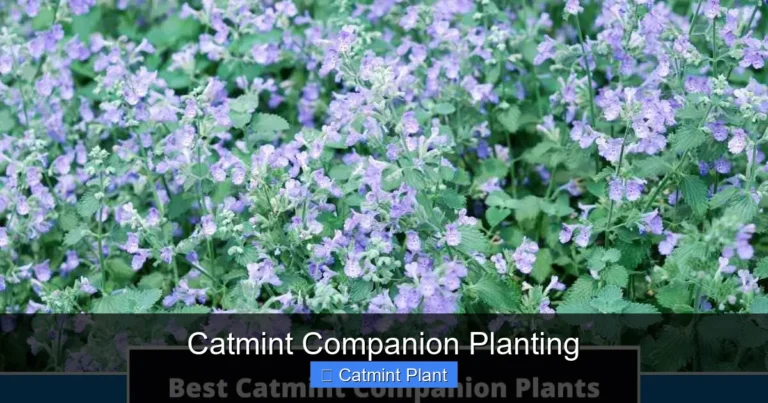
The Proven Winners 0.65 Gal. Cat’s Pajamas Catmint Live Plant is a cultivar of Nepeta bred for a compact, mounded shape. It reaches only 12 to 14 inches tall and 18 to 20 inches wide. That means no flopping, no staking, and no messy sprawl. The foliage is gray-green, aromatic, and forms a dense mound that suppresses weeds. From early summer to frost, it covers itself in spikes of deep indigo-blue flowers. The blooms are held neatly above the foliage, creating a tidy, colorful dome.
Proven Winners Brand Assurance
Proven Winners trials every plant extensively before release. They test for vigor, disease resistance, bloom time, and garden performance across multiple climates. When you buy a Proven Winners 0.65 Gal. Cat’s Pajamas Catmint Live Plant, you are getting a plant that has proven itself in real gardens, not just a greenhouse. The 0.65 gallon size means you receive a well-rooted, substantial plant that establishes quickly. It is not a tiny plug. It has the root mass to handle transplant shock and take off fast in your garden.
Hardiness and Growing Zones
This catmint is hardy in USDA zones 3 through 8. That covers a huge swath of North America, from chilly northern states to the upper South. It handles winter cold with ease. In the warmest parts of its range, it appreciates a bit of afternoon shade. In cooler zones, full sun all day is perfect. The plant is herbaceous, meaning it dies back to the ground in winter and returns fresh each spring.
Planting Your Cat’s Pajamas Catmint for Success
Choosing the Right Spot
Sun is non-negotiable. The Proven Winners 0.65 Gal. Cat’s Pajamas Catmint Live Plant needs at least six hours of direct sun daily. Eight hours is even better. More sun equals more flowers and stronger stems. Pick a spot with well-drained soil. Catmint hates wet feet. If your soil is heavy clay, amend it with compost or plant in a raised bed. Good drainage prevents root rot, especially in winter.
Spacing and Layout
Space plants 18 to 20 inches apart on center. This gives each plant room to reach its full width without crowding. For a mass planting or drift, you can space them slightly closer, around 16 inches, for faster fill-in. Because the habit is so uniform, they create a beautiful, even edge along a path or border. If planting in a container, choose a pot at least 12 inches wide and deep. Use a high-quality potting mix with added perlite for drainage.
Step-by-Step Planting Guide
First, water the plant thoroughly in its nursery pot. Dig a hole twice as wide as the root ball and just as deep. Loosen the soil at the bottom and sides. Gently remove the plant from the pot. If roots are circling, tease them apart with your fingers. Place the plant in the hole so the top of the root ball sits level with the surrounding soil. Backfill with native soil mixed with a handful of compost. Firm gently to eliminate air pockets. Water deeply to settle the soil. Apply a two-inch layer of mulch, keeping it away from the crown.
Timing Your Planting
Spring and early fall are ideal planting times. In spring, wait until the soil has warmed and danger of hard frost has passed. This gives roots all season to establish before winter. In fall, plant at least six weeks before the ground freezes. Summer planting works too, but you must water diligently. Avoid planting during extreme heat waves.
Ongoing Care: Water, Feed, and Prune
Watering Needs
Water regularly during the first growing season. Aim for about one inch of water per week, including rainfall. Check soil moisture by sticking your finger two inches down. If it feels dry, water. Once established, the Proven Winners 0.65 Gal. Cat’s Pajamas Catmint Live Plant is notably drought tolerant. In most climates, it thrives on rainfall alone after year one. During prolonged dry spells, a deep soak every two weeks keeps it blooming strong. Avoid overhead watering late in the day to reduce fungal risk.
Fertilizing: Less Is More
Catmint prefers lean soil. Too much fertilizer produces floppy growth and fewer flowers. In spring, apply a thin layer of compost around the base. That is usually all it needs. If your soil is very poor, a light application of balanced slow-release fertilizer (like 10-10-10) in early spring is fine. Do not fertilize after midsummer. You want the plant to harden off before winter.
Deadheading and Shearing
Deadheading spent flower spikes encourages a second flush of blooms. Simply snip off the faded spikes just above a leaf node. For a major refresh, shear the entire plant back by half after the first big bloom in early summer. It looks drastic, but new growth appears within weeks, and you get a tidy mound covered in fresh flowers for late summer and fall. This also prevents the center from opening up.
Fall and Winter Care
Leave the foliage standing through winter. The dried stems protect the crown and provide habitat for beneficial insects. In early spring, cut the old growth back to about three inches above ground before new shoots emerge. This is also a good time to divide clumps if they have become woody in the center.
Design Ideas: Where to Use Cat’s Pajamas Catmint
Front of the Border
The compact height makes this catmint perfect for the front edge of a sunny border. It creates a neat, flowering hem that hides the bare legs of taller perennials behind it. Pair it with coneflowers, black-eyed Susans, or ornamental grasses. The indigo-blue flowers contrast beautifully with yellow, orange, and white blooms.
Rock Gardens and Slopes
Excellent drainage makes rock gardens a natural fit. The Proven Winners 0.65 Gal. Cat’s Pajamas Catmint Live Plant thrives in the lean, gritty soil typical of rockeries. Its mounded form softens hard edges. On a sunny slope, its roots help stabilize soil while the foliage suppresses weeds.
Pollinator and Wildlife Gardens
If you want to support bees, butterflies, and hummingbirds, this plant is a must. The tubular flowers are rich in nectar. Plant it in drifts of three, five, or seven for maximum visual impact and pollinator appeal. Combine with salvia, bee balm, and butterfly weed for a season-long buffet.
Container Combinations
Use it as the “filler” in a thriller-filler-spiller container recipe. Its mounded habit fills the middle beautifully. Pair with a tall grass or canna for height and a trailing petunia or calibrachoa for spill. Choose a large pot with drainage holes. Water containers more frequently than in-ground plants.
Edging and Pathways
Plant along a garden path or driveway edge. The aromatic foliage releases a pleasant scent when brushed. The low height keeps sightlines clear. It tolerates reflected heat from pavement better than many perennials.
Companion Plants That Shine Together
Best Perennial Partners
Echinacea (Coneflower): The bold daisy flowers in pink, orange, or white contrast with the spiky blue catmint. Both love sun and drainage.
Perovskia (Russian Sage): Airy lavender-blue spires echo the catmint color but add height and texture. A classic pairing.
Sedum ‘Autumn Joy’: Succulent foliage and late pink flowers extend the season. Both are drought tough.
Salvia nemorosa: Similar spike flowers in purple, pink, or white. Blooms at the same time for a coordinated show.
Ornamental Grasses: Try Pennisetum (fountain grass) or Schizachyrium (little bluestem). Grasses add movement and winter structure.
Annuals for Season-Long Color
Thread annuals between young catmint plants while they fill in. Good choices include zinnias, cosmos, marigolds, and verbena. They provide instant color and attract even more pollinators.
Shrub Underplanting
Plant at the base of deciduous shrubs like roses, spirea, or ninebark. The catmint covers bare lower branches and blooms while the shrubs are leafing out. Just ensure the shrub does not cast too much shade.
Troubleshooting Common Issues
Flopping or Open Center
If your plant flops or develops a bald center, it usually means too much shade, too much fertilizer, or not enough shearing. Move to more sun. Stop fertilizing. Shear back hard after the first bloom. Division in spring rejuvenates old clumps.
Powdery Mildew
This fungal disease appears as white powder on leaves. It thrives in humid conditions with poor air circulation. Space plants properly. Water at the base, not overhead. Remove affected leaves. A spray of neem oil or potassium bicarbonate helps if caught early.
Root Rot
Yellowing leaves, wilting despite wet soil, and a foul smell indicate root rot. This is almost always caused by poor drainage. Improve drainage or move the plant. Once rot sets in, recovery is rare. Prevention through proper planting is key.
Pests: Aphids and Spider Mites
Aphids cluster on new growth. Blast them off with a strong jet of water. Insecticidal soap works for heavy infestations. Spider mites appear in hot, dry weather. They cause stippled, dusty leaves. Increase humidity with regular misting. Predatory mites are a biological control option.
Deer and Rabbit Browsing
The aromatic foliage deters most deer and rabbits. In extreme hunger, they may nibble. Repellent sprays or fencing provide backup protection. Generally, this is one of the most browse-resistant perennials you can grow.
Propagating and Dividing Your Catmint
Division: The Easiest Method
Divide in early spring as new growth emerges. Dig up the entire clump. Use a sharp spade or knife to cut it into sections, each with roots and shoots. Replant immediately at the same depth. Water well. Divide every three to four years to maintain vigor.
Stem Cuttings
Take softwood cuttings in late spring or early summer. Cut four-inch stems just below a leaf node. Remove lower leaves. Dip in rooting hormone. Stick in moist perlite or sand. Cover with a plastic bag. Place in bright, indirect light. Roots form in three to four weeks.
Seed
Cat’s Pajamas is a patented cultivar (PP#31,127). Propagation by seed is prohibited without a license. Also, seedlings will not come true to type. Stick with division or cuttings for identical plants.
Seasonal Interest: What to Expect Year-Round
Spring
Fresh gray-green foliage emerges in a neat mound. By late spring, the first flower buds appear. This is the time to divide or transplant if needed.
Summer
Peak bloom begins in early summer. Indigo-blue spikes cover the plant. Bees and butterflies arrive daily. Deadhead or shear after the first flush for a second show in late summer.
Fall
Blooming continues until hard frost. Foliage may take on a purplish cast in cool weather. Stop deadheading in early fall to let the plant prepare for winter.
Winter
The plant goes dormant. Stems turn brown and dry. Leave them standing. They catch snow, insulate the crown, and provide shelter for overwintering insects. Cut back in early spring.
Buying Guide: What to Look For
Selecting a Healthy Plant
At the garden center, choose a Proven Winners 0.65 Gal. Cat’s Pajamas Catmint Live Plant with vigorous, green foliage. Avoid plants with yellowing leaves, leggy growth, or roots circling the pot bottom. Check for pests on leaf undersides. The 0.65 gallon pot should feel heavy, indicating a well-developed root ball.
Online Ordering Tips
Order from reputable nurseries that ship Proven Winners plants. Spring shipping is common. Plants arrive dormant or just breaking dormancy. Unpack immediately. Water if dry. Plant as soon as possible. If you must wait, keep in a sheltered, shaded spot and water daily.
Price and Value
The Proven Winners 0.65 Gal. Cat’s Pajamas Catmint Live Plant typically costs more than a quart-sized perennial. You are paying for a larger root system, brand assurance, and faster establishment. It often blooms the first year. Over time, the cost per year of enjoyment is very low.
Environmental Benefits and Sustainability
Water-Wise Gardening
Once established, this catmint needs little supplemental water. It fits perfectly into xeriscapes and low-water landscapes. Reducing irrigation saves resources and money.
Pollinator Support
Native bees, honeybees, bumblebees, butterflies, and hummingbirds all visit the flowers. By planting it, you contribute to local pollinator corridors. This is especially valuable in suburban areas where habitat is fragmented.
Reduced Chemical Use
Deer resistance means less need for repellents. Disease resistance means less fungicide. The dense habit suppresses weeds, reducing herbicide use. It is a plant that works with nature, not against it.
Carbon Sequestration
Like all perennials, catmint stores carbon in its roots and biomass. Long-lived perennials keep that carbon in the ground for years. Choosing durable plants like this one is a small but real climate action.
Frequently Asked Questions About Cat’s Pajamas Catmint
Is Cat’s Pajamas Catmint the Same as Catnip?
No. Both are in the genus Nepeta, but catnip (Nepeta cataria) is the one that drives cats wild. Catmint varieties like Cat’s Pajamas have much lower nepetalactone content. Cats may rub on it occasionally, but they do not destroy it. It is grown for ornamental value, not feline entertainment.
Does It Spread Aggressively?
No. Unlike some older catmint varieties that self-sow prolifically, Cat’s Pajamas is sterile or nearly so. It stays put as a clump. It does not run by rhizomes. You will not find it popping up across the garden.
Can It Grow in Partial Shade?
It tolerates light shade, especially in hot climates. However, flowering decreases and stems may stretch and flop. For best performance, give it full sun. At least six hours is the minimum.
Is It Toxic to Pets?
The ASPCA lists Nepeta species as non-toxic to dogs, cats, and horses. Large ingestion might cause mild stomach upset, but it is not considered poisonous. As always, discourage pets from eating garden plants.
How Long Does It Live?
With proper care and division every few years, a catmint clump can thrive for a decade or more. Individual stems are herbaceous and die back each winter, but the crown persists. Division rejuvenates the plant indefinitely.
Can I Grow It Indoors?
Not recommended. Catmint needs full sun, seasonal dormancy, and good air circulation. Indoors, it becomes leggy, prone to pests, and fails to flower well. It is an outdoor plant through and through.
Conclusion: Why Cat’s Pajamas Deserves a Spot in Your Garden
The Proven Winners 0.65 Gal. Cat’s Pajamas Catmint Live Plant delivers on every promise. It blooms for months. It stays compact and tidy. It feeds pollinators. It resists deer, rabbits, and drought. It asks for little and gives back abundantly. Whether you tuck one into a container, line a pathway with a dozen, or mass it on a sunny slope, it performs with grace and reliability.
I have watched this plant sail through heat waves, bounce back from hail, and keep blooming while neighbors’ perennials faded. It has become a backbone plant in my own garden designs. The 0.65 gallon size gives you a running start. You are not waiting years for impact. You get a mature-looking plant that settles in fast and starts working for you immediately.
If you have a sunny spot and want long-lasting color with minimal fuss, add the Proven Winners 0.65 Gal. Cat’s Pajamas Catmint Live Plant to your cart. Your garden—and the bees—will thank you.
Frequently Asked Questions
What is the difference between Cat’s Pajamas and other catmints?
Cat’s Pajamas is more compact, blooms earlier, and has a tighter, non-flopping habit compared to older varieties like ‘Walker’s Low’. It also shows improved disease resistance.
How often should I water Cat’s Pajamas Catmint?
Water weekly during the first season. Once established, it only needs water during extended dry spells. Check soil moisture before watering.
Should I cut back Cat’s Pajamas in the fall?
No. Leave the foliage standing through winter to protect the crown. Cut it back to three inches in early spring before new growth starts.
Will Cat’s Pajamas Catmint spread by seed?
It is essentially sterile and does not self-sow. The clump slowly expands but stays well-behaved. Division every few years keeps it vigorous.
What fertilizer is best for Cat’s Pajamas?
It needs very little. A spring top-dressing of compost is sufficient. Avoid high-nitrogen fertilizers, which cause floppy growth and fewer flowers.
Is Cat’s Pajamas Catmint safe for bees?
Yes. It is a favorite of native bees, honeybees, and bumblebees. The nectar-rich flowers provide excellent forage from early summer to frost.