Do Cats Eat Catmint Plants
Cats often nibble on catmint plants because the scent triggers a playful response. Most cats enjoy the herb safely, but too much can cause mild stomach upset.
Many cat owners wonder if their pets will eat catmint plants. The answer is yes, many cats will nibble on catmint plants. The scent of catmint plants is very strong. Cats have a special receptor that reacts to that scent. This reaction often leads to playfulness.
Catmint plants belong to the mint family. They grow in many gardens. They have soft leaves and small purple flowers. The leaves release a strong aroma when crushed. That aroma is what attracts cats. The plant is safe for most cats when given in small amounts.
Owners often use catmint plants as a natural treat. Fresh leaves can be offered directly. Dried catmint plants can be sprinkled on toys. Both forms give the same scent. Cats usually respond with rolling, rubbing, and purring.
Key Takeaways
- Attraction: Cats are drawn to catmint plants by a strong aroma.
- Safety: Catmint plants are non‑toxic in small amounts.
- Moderation: Offer catmint plants in limited portions to avoid upset stomach.
- Alternatives: Dried catmint plants or toys work well for indoor cats.
- Growing: You can grow catmint plants easily in a sunny spot.
- Observation: Watch your cat for any unusual behavior after exposure.
- Vet Advice: Consult a vet if your cat shows vomiting or diarrhea.
Quick Answers to Common Questions
Do all cats like catmint plants?
No, about thirty percent of cats show no interest due to genetics.
Can kittens eat catmint plants?
Kittens under six months usually ignore catmint plants and may not react.
Is catmint plants toxic to cats?
Catmint plants are non‑toxic in small amounts but large amounts can cause stomach upset.
How often can I give catmint plants to my cat?
Offer catmint plants a few times a week with at least a two‑hour break between sessions.
Can I grow catmint plants indoors?
Yes, catmint plants grow well in pots on a sunny windowsill with good drainage.
📑 Table of Contents
What Are Catmint Plants?
Basic Description
Catmint plants are herbaceous perennials. They have square stems like other mints. The leaves are gray‑green and fuzzy. The flowers are small and lavender. The plant can reach two feet tall. It spreads by underground runners.
Common Varieties
There are several popular catmint plants. Nepeta cataria is the classic catnip. Nepeta faassenii is a compact variety. Nepeta racemosa has a longer bloom period. Each variety has a similar scent. Cats react to all of them.
Growth Habits
Catmint plants prefer full sun. They tolerate partial shade. Well‑drained soil is best. They are drought tolerant once established. They bloom from late spring to early fall. Regular pruning keeps them bushy.
Why Gardeners Love Them
Gardeners love catmint plants for their long bloom time. The flowers attract bees and butterflies. The foliage adds texture to borders. The plant is low maintenance. It also repels some garden pests.
Quick Fact
The essential oil in catmint plants is called nepetalactone. This compound triggers the cat response. It is similar to the oil in catnip. The concentration varies by variety.
Why Do Cats Like Catmint Plants?
The Scent Trigger
Cats have a vomeronasal organ. This organ detects pheromones. The scent of catmint plants mimics a feline pheromone. When a cat smells catmint plants, the organ sends a signal to the brain. The brain releases feel‑good chemicals.
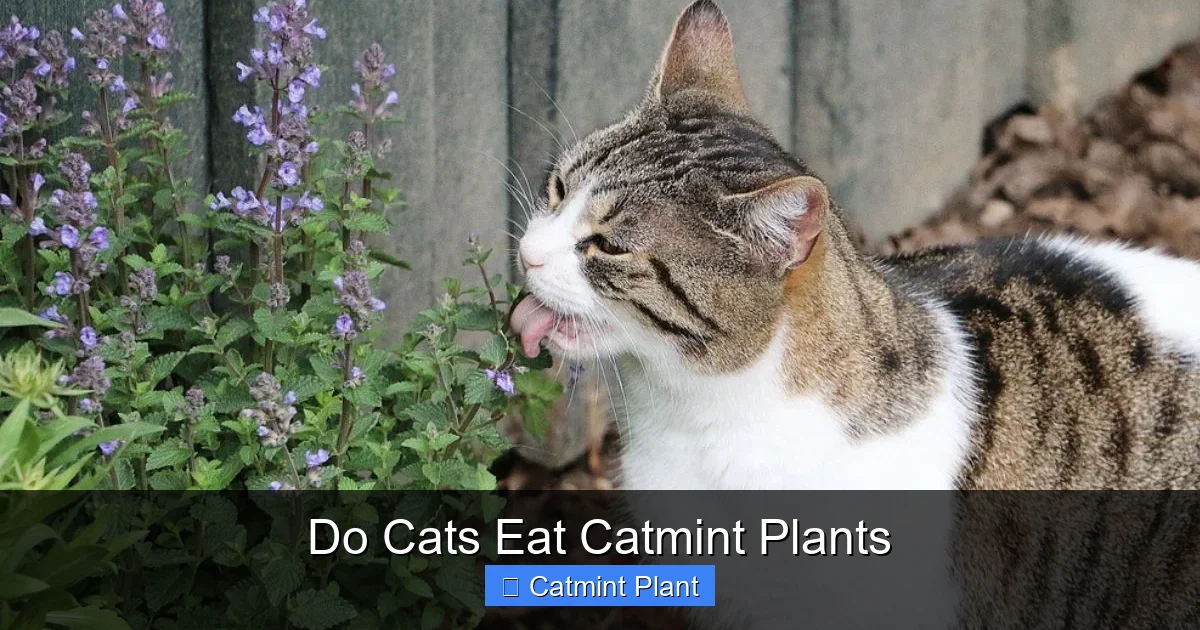
Visual guide about Do Cats Eat Catmint Plants
Image source: bestforpet.co.nz
Chemical Compounds
Nepetalactone is the main active compound. It binds to receptors in the nasal tissue. This binding causes a temporary euphoric state. The effect lasts about ten to fifteen minutes. After that the cat becomes indifferent.
Behavioral Response
Typical responses include sniffing, licking, and chewing. Cats may roll on the ground. They may rub their cheeks on the leaves. Some cats vocalize loudly. Others become very playful.
Comparison With Catnip
Catnip is a type of catmint plants. Both contain nepetalactone. Catnip often has a stronger concentration. Some cats prefer catnip over other catmint plants. Others enjoy both equally.
Owner Observations
Many owners report that their cats seek out catmint plants in the garden. Indoor cats will paw at dried catmint plants. The reaction is usually harmless. It provides mental stimulation.
How Cats React to Catmint Plants
Typical Playful Actions
When a cat encounters catmint plants, it may jump and chase imaginary prey. The cat may bat at the leaves. It may toss the leaves in the air. This play burns energy.
Rolling and Rubbing
Rolling on catmint plants spreads the scent on the fur. Rubbing the cheeks deposits scent glands. This behavior marks the plant as a safe zone. It also spreads the aroma to other cats.
Vocalizations
Some cats meow or chirp while interacting with catmint plants. The sounds indicate excitement. They usually stop after the effect fades. Quiet cats may not vocalize at all.
Duration of Effect
The high lasts about ten minutes. After that the cat loses interest. A refractory period of one to two hours follows. During this time the cat will not respond to more catmint plants.
Individual Differences
Not all cats react to catmint plants. About thirty percent show no interest. Genetics determine sensitivity. Age can also affect response. Kittens under six months often ignore catmint plants.
Safe Ways to Offer Catmint Plants to Your Cat
Fresh Leaves
Pick a few fresh leaves from catmint plants. Rinse them gently. Place them on a clean plate. Let the cat sniff and nibble. Remove any uneaten leaves after fifteen minutes.
Dried Sprigs
Dry catmint plants in a cool dark place. Crumble the dried leaves. Sprinkle a pinch on a scratching post. The scent lasts longer than fresh leaves. Store the rest in an airtight jar.
Catmint Plant Toys
Buy or make toys stuffed with catmint plants. These toys keep the scent contained. They reduce mess in the house. Rotate toys to keep the cat interested.
Controlled Portions
Give catmint plants in small amounts. A few leaves or a pinch of dried herb is enough. Too much can cause mild vomiting. Monitor the cat the first few times.
Supervised Play
Stay nearby while the cat enjoys catmint plants. Watch for signs of over‑excitement. If the cat becomes aggressive, remove the herb. Calm the cat with a quiet space.
Potential Risks of Catmint Plants
Overconsumption
Eating large amounts of catmint plants can upset the stomach. Symptoms include vomiting and diarrhea. These signs usually resolve on their own. Offer water and withhold food for a few hours.
Digestive Upset
Some cats have sensitive digestion. Even a small amount of catmint plants may cause loose stools. If this happens, stop offering the herb. Consult a vet if it persists.
Allergic Reactions
Allergies to catmint plants are rare. Signs include itching, swelling, or sneezing. If you see these signs, remove the plant immediately. Seek veterinary care if breathing is affected.
Interaction With Medications
Catmint plants may interact with sedatives. The herb can increase drowsiness. Talk to your vet before giving catmint plants to a medicated cat. Adjust dosage if needed.
When to Call a Vet
Call a vet if vomiting lasts more than twelve hours. Call if diarrhea contains blood. Call if the cat seems lethargic or refuses water. Early care prevents complications.
Tips for Growing Catmint Plants at Home
Choosing a Spot
Pick a sunny location for catmint plants. At least six hours of direct light is ideal. A south‑facing window works for indoor pots. Good air flow reduces fungal issues.
Soil and Water Needs
Use well‑draining soil mixed with sand. Water deeply but infrequently. Allow the top inch of soil to dry between waterings. Overwatering leads to root rot.
Pruning for Fresh Growth
Trim catmint plants after the first bloom. Cut back one third of the stems. This encourages a second flush of flowers. Fresh leaves are more potent for cats.
Harvesting Leaves Safely
Harvest leaves in the morning after dew dries. Use clean scissors. Take only what you need. Leave enough foliage for the plant to recover.
Keeping Plants Cat Friendly
Place catmint plants where cats can reach them safely. Avoid using chemical pesticides. Organic methods keep the herb safe for pets. Rotate pots to give each cat a turn.
In summary, catmint plants are a safe and fun herb for most cats. The scent triggers a brief euphoric play session. Offer the herb in moderation and supervise the first few encounters. Growing your own catmint plants gives you fresh supply and a pretty garden. Always watch for any adverse reaction and consult a vet if needed. Enjoy the happy moments with your feline friend.
Frequently Asked Questions
What is the active ingredient in catmint plants that affects cats?
The active ingredient is nepetalactone, a volatile oil that binds to feline nasal receptors and creates a temporary euphoric response.
How long does the catmint plants effect last?
The playful effect typically lasts ten to fifteen minutes, followed by a refractory period of one to two hours.
Can catmint plants cause vomiting in cats?
Yes, overconsumption of catmint plants can lead to mild vomiting or diarrhea, which usually resolves quickly.
Are there any cats that should avoid catmint plants?
Cats on sedative medication or with known allergies to mint family herbs should avoid catmint plants.
What is the best way to store dried catmint plants?
Store dried catmint plants in an airtight container in a cool dark place to preserve potency.
Can I use catmint plants as a training reward?
Yes, a small pinch of catmint plants can serve as a high‑value reward during training sessions.