Does Cat Like Catmint Plant
Most cats adore catmint plant due to its nepetalactone content, which triggers a euphoric response similar to catnip. While not all felines react, about 70% show playful behaviors like rolling, rubbing, and purring. Growing catmint plant at home gives your cat a safe, natural enrichment source.
If you have ever watched a cat go wild over a certain green herb, you have probably seen the magic of catmint plant in action. It is one of those plants that turns a dignified feline into a rolling, purring, goofy ball of fur. But does cat like catmint plant as much as catnip? And what exactly is the difference? Let us dig into the science, the fun, and the practical tips for sharing catmint plant with your whiskered companion.
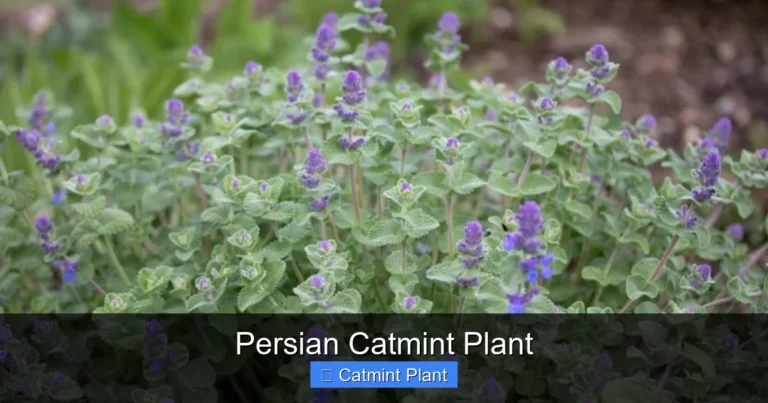
Catmint plant belongs to the mint family, Lamiaceae, and its botanical name is often Nepeta mussinii or Nepeta faassenii. It is a close cousin of catnip (Nepeta cataria), but it has a more compact, ornamental growth habit and lovely lavender-blue flowers that bloom for months. Gardeners love it for its beauty and drought tolerance. Cats love it for the same chemical that makes catnip famous: nepetalactone. This volatile oil mimics feline pheromones and triggers a response in the brain that feels like pure joy. Not every cat reacts, but the majority do, and the show is always entertaining.
Key Takeaways
- Catmint plant attracts most cats: About 70% of cats respond to nepetalactone in catmint plant with playful, euphoric behavior.
- Catmint vs catnip: Catmint plant (Nepeta mussinii) is ornamental and lower in nepetalactone than catnip (Nepeta cataria), but still very appealing.
- Genetics matter: Sensitivity to catmint plant is hereditary; kittens under 3 months and some adult cats show zero interest.
- Safe and non-addictive: Catmint plant causes temporary excitement lasting 10-15 minutes, then immunity for about an hour.
- Easy to grow: Catmint plant thrives in sun, tolerates drought, and returns yearly as a perennial in zones 3-8.
- Multiple uses: Use fresh leaves, dried catmint plant in toys, or as a training aid for scratching posts and carriers.
- Watch for overindulgence: Too much catmint plant may cause mild stomach upset; supervise play and limit access.
Quick Answers to Common Questions
Does cat like catmint plant as much as catnip?
Many cats respond to catmint plant just as enthusiastically as catnip, though catnip typically has a higher concentration of nepetalactone. Individual preference varies.
Is catmint plant safe for kittens?
Catmint plant is non-toxic, but kittens under three months old rarely react to it. It is safe to have around, but they likely won’t show interest until older.
Can cats eat catmint plant?
Yes, cats can eat small amounts of catmint plant. Large quantities may cause mild stomach upset, so supervise and limit access if your cat tends to gorge.
How often can I give my cat catmint plant?
You can offer catmint plant daily. The effects last 10-15 minutes followed by a one-hour refractory period. Cats self-regulate and won’t overdo it.
Does catmint plant work on big cats like lions?
Yes, many big cats including lions, tigers, and leopards respond to nepetalactone in catmint plant and catnip with similar playful behaviors.
📑 Table of Contents
What Is Catmint Plant?
Catmint plant is a hardy perennial herb that forms low mounds of gray-green foliage topped with spikes of small, tubular flowers. It typically grows 12 to 24 inches tall and spreads 18 to 24 inches wide. The leaves are aromatic when crushed, releasing a minty, slightly citrusy scent that humans find pleasant and cats find irresistible. Unlike catnip, which can look a bit weedy and sprawling, catmint plant stays tidy and blooms from late spring through early fall with minimal care.
Catmint vs Catnip: What’s the Difference?
People often confuse catmint plant with catnip, but they are distinct species with different vibes. Catnip (Nepeta cataria) is the classic “cat drug” — a taller, leggier plant with white flowers and a higher concentration of nepetalactone. Catmint plant (Nepeta mussinii or Nepeta x faassenii) is bred for garden performance: it flowers longer, stays compact, and has slightly less nepetalactone. That does not mean cats ignore it. Many cats respond just as enthusiastically to catmint plant as they do to catnip. Think of catnip as the potent espresso shot and catmint plant as a smooth, delicious latte — both deliver the buzz, but one is prettier in the garden.
Common Varieties of Catmint Plant
You will find several popular cultivars of catmint plant at nurseries. ‘Walker’s Low’ is a famous variety that reaches 24 to 30 inches and produces masses of lavender-blue flowers. It was named Perennial Plant of the Year in 2007. ‘Junior Walker’ is a dwarf version, perfect for small spaces or containers, topping out at 15 inches. ‘Cat’s Meow’ and ‘Cat’s Pajamas’ are newer introductions with dense, floriferous habits and a tidy shape. All these varieties share the same essential oils that attract cats, so you can pick based on your garden design and still please your feline.
Why Do Cats Love Catmint Plant?
The love affair between cats and catmint plant is written in their DNA. The active compound, nepetalactone, binds to receptors in the cat’s olfactory epithelium — the smell center — and sends signals to the brain’s amygdala and hypothalamus, areas that govern emotion and behavior. The result is a temporary state of euphoria, often described as a “high,” though it is completely non-addictive and harmless. It is nature’s way of giving cats a little recreational fun.
The Science Behind the Attraction
Researchers believe nepetalactone mimics a feline sex pheromone. That explains why the typical response includes rolling, rubbing, cheek marking, and vocalizing — behaviors associated with mating and social bonding. Both male and female cats react, and neutering does not diminish the response. The reaction is purely olfactory; cats do not need to eat the plant to feel the effects. Simply sniffing bruised leaves of catmint plant can set off the party.
Nepetalactone: The Magic Compound
Nepetalactone is a terpenoid, a class of organic compounds produced by many plants for defense against insects. Ironically, while it repels mosquitoes, flies, and cockroaches, it acts as a powerful attractant for cats. The concentration of nepetalactone in catmint plant is lower than in catnip, but still well above the threshold needed to trigger a response. Fresh leaves contain more volatile oil than dried, so a living catmint plant in the garden or a pot on the patio offers the most potent experience.
Genetic Factors: Not All Cats React
Here is a fun fact: sensitivity to catmint plant is an autosomal dominant trait. That means if one parent carries the gene, about 50% of kittens will inherit it. Estimates vary, but roughly 70% of domestic cats respond to nepetalactone. The remaining 30% simply lack the genetic machinery to process the compound. Kittens under three months old rarely react, even if they carry the gene. The response develops with sexual maturity. Senior cats may also show reduced interest. So if your cat ignores catmint plant, do not take it personally — it is just genetics.
How Cats React to Catmint Plant
When a susceptible cat encounters catmint plant, the show begins within seconds. You will see a predictable sequence of behaviors that can last anywhere from 5 to 15 minutes. After that, the cat enters a refractory period of about an hour during which the plant has no effect. This built-in cooldown prevents overstimulation and makes catmint plant a safe, self-limiting treat.
Typical Behaviors You’ll See
The classic catmint plant response includes sniffing intensely, licking and chewing the leaves, rubbing the face and body against the plant, rolling on the ground, kicking with the hind legs (the famous “bunny kick”), drooling, and purring loudly. Some cats become hyperactive, zooming around the house. Others enter a blissed-out trance, staring into space with half-closed eyes. Vocalizations range from chirps to loud meows. Every cat has a unique style, but the underlying joy is unmistakable.
Duration of Effects
The acute phase usually peaks at 5 to 10 minutes and fades by 15 minutes. During the refractory period, the cat’s olfactory receptors are temporarily saturated, and nepetalactone cannot bind. This natural limit means you do not have to worry about your cat “overdosing” on catmint plant. They simply walk away when they have had enough. You can offer catmint plant again later in the day, and the response will return.
Safety and Overindulgence
Catmint plant is non-toxic and non-addictive. However, if a cat eats a large quantity of fresh leaves, mild gastrointestinal upset — vomiting or diarrhea — can occur. This is rare and usually self-resolving. To be safe, supervise initial encounters and limit access to a few minutes at a time. If you grow catmint plant in the garden, your cat may graze occasionally. Most cats self-regulate, but if you notice excessive consumption, fence off the plant or grow it in a hanging basket out of reach.
Growing Catmint Plant for Your Cat
One of the best things about catmint plant is how easy it is to grow. It thrives on neglect, laughs at drought, and comes back bigger each year. Providing a living catmint plant gives your cat the freshest, most potent experience and adds beauty to your outdoor space. Even apartment dwellers can grow catmint plant in containers on a balcony or sunny windowsill.
Best Growing Conditions
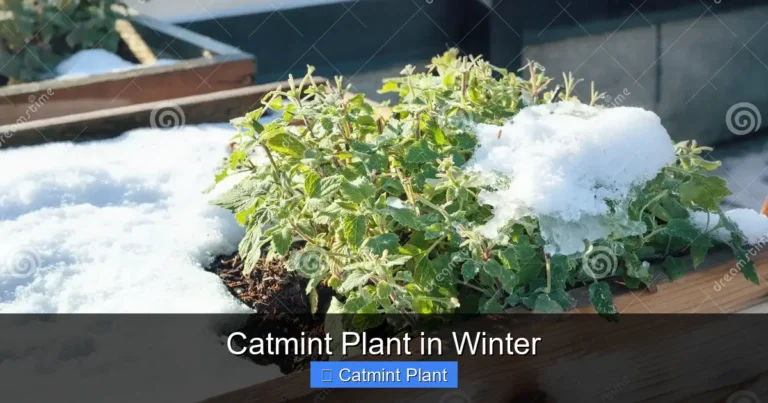
Catmint plant loves full sun — at least six hours of direct light — but tolerates light shade, especially in hot climates. It prefers well-drained, even sandy or rocky soil. Rich, moist soil leads to floppy growth and fewer flowers. Once established, catmint plant is remarkably drought tolerant. Water deeply but infrequently. Fertilizer is rarely needed; a light compost top-dressing in spring is plenty. Hardy in USDA zones 3 through 8, catmint plant dies back in winter and re-emerges in early spring.
Planting Tips for Cat Owners
If you want your cat to enjoy catmint plant without destroying it, strategy matters. Plant catmint plant in a dedicated “cat garden” bed alongside other feline-friendly herbs like valerian, cat thyme, and wheatgrass. This concentrates the fun in one area. Alternatively, grow catmint plant in a large, heavy pot that cannot be tipped over. Place the pot on a patio or deck where you can supervise. Some gardeners plant catmint plant in the ground but surround it with a low wire cage that allows the cat to sniff and rub without uprooting the plant.
Protecting Your Plant from Overenthusiastic Cats
Cats can love catmint plant to death — literally. Rolling, chewing, and digging can flatten a young plant. To protect your investment, use a wire cloche or tomato cage over the plant until it is well established. You can also propagate catmint plant easily from cuttings or division, so you always have backups. Consider planting a sacrificial patch just for the cat and keeping your prize specimens in a protected spot. Remember, catmint plant spreads slowly by rhizomes, so it will fill in over time.
Creative Ways to Use Catmint Plant
Beyond letting your cat loose in the garden, there are many ways to harness the joy of catmint plant. Dried leaves, toys, sprays, and even training aids can enrich your cat’s indoor life. The versatility of catmint plant makes it a staple in any cat-loving household.
Dried Catmint Plant Toys and Sachets
Harvest catmint plant stems just as flowers begin to open — this is when essential oil content peaks. Hang bundles upside down in a dark, airy place for two weeks. Strip the dried leaves and flowers, discarding woody stems. Stuff the dried catmint plant into cloth toys, socks, or small muslin bags. These homemade toys are far more potent than most commercial catnip toys because you control the freshness. Refresh the filling every few months as the scent fades.
Catmint Tea for Humans (Bonus!)
Did you know catmint plant makes a delightful herbal tea for people? It has a mild minty flavor with citrus notes and is traditionally used to soothe digestion, reduce stress, and promote sleep. Steep one teaspoon of dried catmint plant in a cup of hot water for five minutes. It is caffeine-free and safe for most adults. Just keep your tea stash separate from the cat’s stash, or you might find your mug under investigation.
Using Catmint Plant as a Training Aid
Catmint plant can be a powerful tool for encouraging good behavior. Rub dried catmint plant on a new scratching post to attract your cat. Sprinkle a little inside a carrier to reduce travel anxiety. Use a catmint plant spray on a new bed or perch to make it instantly appealing. The positive association helps cats accept changes faster. It is a gentle, force-free way to guide your cat’s choices.
Potential Concerns and Precautions
While catmint plant is overwhelmingly safe, a few caveats are worth knowing. Responsible use ensures the fun stays fun and never becomes a problem.
When to Avoid Catmint Plant
Pregnant cats should not be given catmint plant. Nepetalactone can stimulate uterine contractions, theoretically risking premature labor. Cats with a history of seizures or epilepsy may also be more sensitive to the neurological stimulation. If your cat has any chronic health condition, check with your veterinarian before introducing catmint plant. Additionally, avoid catmint plant if your cat is on medication that affects the central nervous system, as interactions are not well studied.
Interactions with Medications
There is limited research on drug interactions with catmint plant. Because nepetalactone has mild sedative properties in humans, it could theoretically enhance the effects of sedatives, anesthetics, or anti-anxiety medications in cats. If your cat is on any prescription medication, especially for behavior or pain, discuss catmint plant use with your vet. Better safe than sorry.
Signs of Allergic Reaction
True allergies to catmint plant are extremely rare, but they can happen. Watch for excessive scratching, facial swelling, hives, difficulty breathing, or vomiting shortly after exposure. If any of these occur, remove the catmint plant immediately and contact your veterinarian. An allergic reaction is an emergency. For the vast majority of cats, catmint plant is a source of pure, harmless delight.
Conclusion
So, does cat like catmint plant? For about 70% of cats, the answer is a resounding yes. Catmint plant offers a safe, natural, and endlessly entertaining way to enrich your cat’s life. Whether you grow a patch in the garden, stuff a toy with dried leaves, or use it as a training aid, catmint plant brings a little wild joy into your home. It is easy to grow, beautiful to look at, and costs almost nothing. If your cat is one of the lucky responders, you will get hours of amusement watching them roll, purr, and zoom. And if your cat is in the indifferent 30%? Well, you still have a gorgeous, drought-tough perennial that blooms all summer. That is a win-win in any book. Go ahead, plant some catmint plant this season. Your cat — and your garden — will thank you.
Frequently Asked Questions
What is the difference between catmint plant and catnip?
Catmint plant (Nepeta mussinii) is a compact, ornamental perennial with lavender-blue flowers and lower nepetalactone content. Catnip (Nepeta cataria) is taller, leggier, has white flowers, and higher nepetalactone. Both attract cats.
Why doesn’t my cat react to catmint plant?
About 30% of cats lack the genetic trait for nepetalactone sensitivity. Kittens under three months and some senior cats also show no response. It is completely normal.
Can I grow catmint plant indoors for my cat?
Yes, catmint plant grows well in a sunny window or under grow lights. Use a well-draining pot, water when the top inch of soil is dry, and pinch back stems to keep it bushy.
Is catmint plant addictive for cats?
No, catmint plant is not addictive. The response is mediated by olfactory receptors that temporarily saturate, creating a natural cooldown period of about an hour.
Can catmint plant help with my cat’s anxiety?
Catmint plant can provide temporary stress relief and distraction. The euphoric response may reduce anxiety in the moment, but it is not a treatment for chronic anxiety disorders.
How do I harvest and store catmint plant for later use?
Cut stems when flowers begin to open. Hang upside down in a dark, ventilated area for two weeks. Strip leaves, store in an airtight container away from light. Potency lasts 6-12 months.