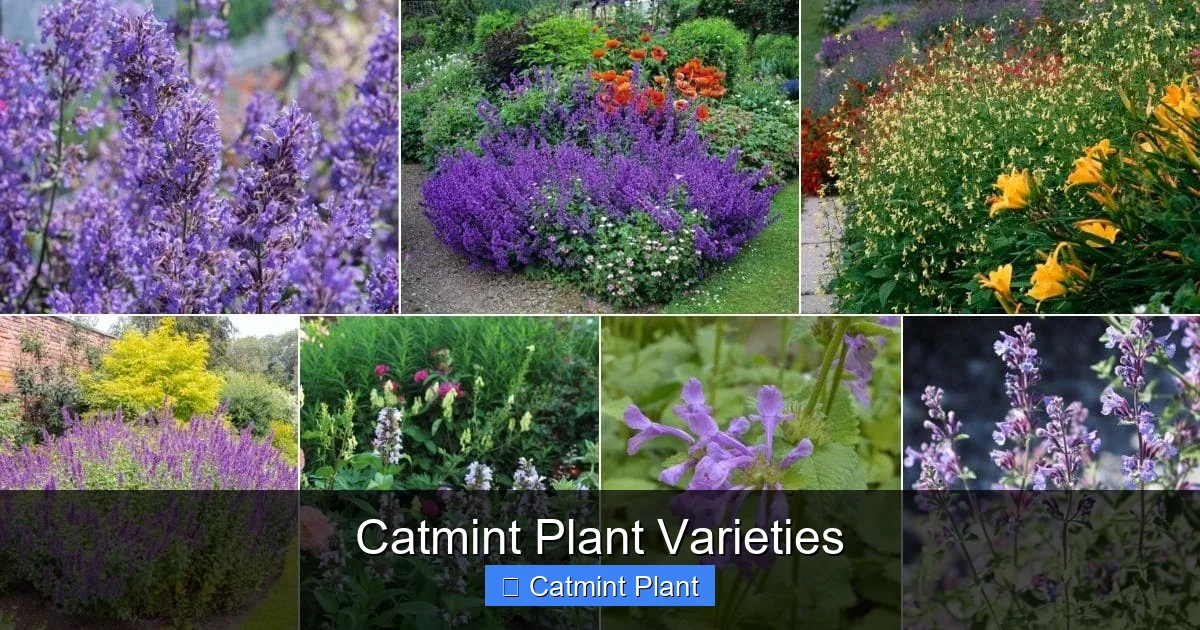
Catmint Plant Varieties
Catmint plant varieties offer a range of colors, heights, and fragrance levels, making them perfect for any sunny border. Choose the right type for long‑lasting blooms and low maintenance.
Catmint plant varieties are a favorite among gardeners who want color without constant work. These hardy perennials belong to the genus Nepeta and thrive in full sun. Their aromatic leaves release a pleasant scent when brushed. The flowers appear in spikes that attract bees, butterflies, and hummingbirds.
Choosing the right catmint plant varieties can transform a plain bed into a lively display. Some types stay low and spread like a ground cover. Others grow tall and make a striking backdrop. Knowing the differences helps you match each plant to the space you have.
In this guide you will learn about the most popular catmint plant varieties, how to pick the best one for your climate, and simple care steps that keep them blooming all season. You will also find design ideas that show off their soft texture and long flowering period.
Key Takeaways
- Wide selection: Catmint plant varieties come in many colors and sizes.
- Drought tolerant: Most types thrive with little water once established.
- Pollinator magnet: Bees and butterflies love the nectar-rich flowers.
- Long bloom season: Many varieties flower from early summer to frost.
- Easy care: Minimal pruning and feeding keep plants healthy.
- Versatile design: Use them in borders, containers, or rock gardens.
- Deer resistant: Their aromatic foliage deters browsing animals.
Quick Answers to Common Questions
What are the most popular catmint plant varieties?
‘Walker’s Low’, ‘Six Hills Giant’, ‘Cat’s Pajamas’, ‘Blue Wonder’, and ‘Snowflake’ are the top choices for most gardens.
How much sun do catmint plant varieties need?
They perform best with at least six hours of direct sun each day.
Can catmint plant varieties grow in containers?
Yes, dwarf types like ‘Cat’s Pajamas’ thrive in pots with good drainage.
When should I prune catmint plant varieties?
Shear back by one‑third after the first bloom and cut to the ground after frost.
Are catmint plant varieties deer resistant?
Their strong aromatic foliage usually keeps deer away.
📑 Table of Contents
Understanding Catmint Plant Varieties
Botanical background
Catmint plant varieties belong to the mint family Lamiaceae. The genus Nepeta includes over 250 species worldwide. Most garden cultivars are hybrids derived from Nepeta faassenii and Nepeta racemosa. These hybrids combine the best traits of both parents. They keep the strong fragrance and the long bloom time.
The hybrid origin gives catmint plant varieties a uniform habit and reliable flowering. Breeders select for compact growth, disease resistance, and vivid color. The result is a group of plants that perform well in many garden settings. You can trust these cultivars to return each year with minimal effort.
Growth habits
Catmint plant varieties show three main growth habits. Low mounding types reach 12 to 18 inches tall and spread 18 to 24 inches wide. Mid‑size types grow 18 to 30 inches tall with a similar spread. Tall varieties can reach 36 inches or more and work well as a backdrop.
All types have square stems and opposite leaves that are gray‑green and slightly fuzzy. The foliage releases a minty aroma when crushed. This scent deters many herbivores. The compact habit of low varieties makes them ideal for edging. Tall types add vertical interest without staking.
Flower characteristics
The flowers of catmint plant varieties are tubular and arranged in loose spikes. Colors range from soft lavender and pale blue to deep violet and white. Bloom usually starts in early summer and continues until the first frost. Deadheading spent spikes encourages a second flush of flowers.
The nectar is a favorite of bees, butterflies, and hummingbirds. Each spike holds dozens of tiny blossoms that open sequentially. This long flowering window provides a steady food source. Gardeners often notice increased pollinator activity near catmint plant varieties.
Popular Catmint Plant Varieties for Sunny Gardens
‘Walker’s Low’
‘Walker’s Low’ is one of the most widely grown catmint plant varieties. It forms a compact mound about 18 inches tall and 24 inches wide. The lavender‑blue flowers appear from June to September. This cultivar tolerates heat and humidity better than many others. It also resists powdery mildew.

Visual guide about Catmint Plant Varieties
Image source: epicgardening.com
Gardeners love ‘Walker’s Low’ for its reliable performance and tidy habit. The plant stays neat without frequent division. It works well in borders, rock gardens, and containers. The fragrance is strong enough to deter deer. This makes it a versatile choice for many sunny spots.
‘Six Hills Giant’
‘Six Hills Giant’ lives up to its name with a height of 30 to 36 inches. The large violet‑blue spikes make a bold statement in the back of a border. It blooms from early summer to frost. The plant spreads slowly, so it stays tidy without frequent division.
The tall stature of ‘Six Hills Giant’ adds vertical drama to any planting. Pair it with lower catmint plant varieties for a layered effect. The strong stems hold up well in wind. This cultivar also attracts a wide range of pollinators throughout the season.
‘Cat’s Pajamas’
‘Cat’s Pajamas’ is a dwarf variety that reaches only 12 inches tall. Its dense habit makes it perfect for edging paths or filling containers. The flowers are a soft pink‑lavender and appear continuously from June to October. This cultivar is especially tolerant of poor soil.
Because of its small size, ‘Cat’s Pajamas’ fits into tight spaces and mixed planters. The foliage stays attractive even when not in bloom. It requires little pruning beyond a light shear after the first flush. This makes it a low‑maintenance favorite for busy gardeners.
‘Blue Wonder’
‘Blue Wonder’ offers intense blue flowers on a plant that grows 24 inches tall. The foliage is a bright silver‑green that contrasts nicely with the blooms. It performs well in hot, dry sites and attracts a steady stream of pollinators.
The vivid color of ‘Blue Wonder’ stands out in mixed borders. It pairs beautifully with yellow coreopsis and orange marigolds. The plant tolerates brief periods of drought once established. Regular deadheading keeps the display fresh all summer.
‘Snowflake’
‘Snowflake’ is a white‑flowered catmint plant variety that adds a cool tone to mixed plantings. It reaches 18 inches tall and spreads 24 inches wide. The white spikes glow in evening light and pair well with dark‑leafed companions.
The pure white flowers of ‘Snowflake’ brighten shady corners of a sunny garden. It tolerates a bit more shade than other catmint plant varieties. The plant remains compact and does not flop. This makes it a reliable choice for formal garden designs.
Choosing the Right Variety for Your Climate
Cool northern zones
In zones 3 to 5, select catmint plant varieties that are fully hardy and emerge early. ‘Walker’s Low’ and ‘Six Hills Giant’ survive harsh winters and start blooming in June. Mulch the crown in late fall to protect roots from freeze‑thaw cycles.
A thick layer of straw or shredded leaves works well as mulch. Remove the mulch in early spring before new growth appears. This practice prevents rot and encourages vigorous shoots. Cold‑climate gardeners report consistent returns year after year with these catmint plant varieties.
Hot southern zones
Gardeners in zones 7 to 9 should pick heat‑tolerant catmint plant varieties. ‘Blue Wonder’ and ‘Cat’s Pajamas’ thrive in intense sun and high humidity. Provide afternoon shade in the hottest months to prevent leaf scorch.
Mulching with pine bark helps retain soil moisture and keeps roots cool. Water deeply but infrequently to encourage deep root growth. These catmint plant varieties recover quickly from brief drought stress. A light feeding in early spring supports strong flowering.
Coastal and humid areas
Coastal gardens benefit from catmint plant varieties with good disease resistance. ‘Walker’s Low’ shows strong resistance to powdery mildew, a common issue in salty air. Space plants at least 24 inches apart to improve air flow.
Raised beds or sandy amendments further reduce humidity around the foliage. Avoid overhead irrigation to keep leaves dry. These practices keep catmint plant varieties healthy in foggy conditions. The result is a clean, long‑lasting display.
Container growing
All the dwarf catmint plant varieties work well in pots. Use a well‑draining potting mix and a container at least 12 inches deep. Water when the top inch of soil feels dry. Fertilize once in early spring with a balanced slow‑release formula.
Place the pot in a sunny spot that receives at least six hours of light. Rotate the container weekly for even growth. In winter, move the pot to a protected area or wrap it with burlap. These steps keep catmint plant varieties thriving year round.
Planting and Care Tips for Catmint Plant Varieties
Site preparation
Choose a site with full sun and well‑drained soil. Catmint plant varieties tolerate poor soil but they dislike wet feet. Amend heavy clay with compost or coarse sand to improve drainage. A pH between 6.0 and 7.5 is ideal.
Test the soil before planting to confirm pH and nutrient levels. Add lime if the soil is too acidic. Incorporate a handful of well‑rotted manure for a gentle nutrient boost. Proper preparation sets the stage for vigorous catmint plant varieties.
Planting steps
Dig a hole twice as wide as the root ball and the same depth. Place the plant so the crown sits level with the soil surface. Backfill with native soil mixed with a handful of compost. Water thoroughly to settle the soil around the roots.
Space multiple catmint plant varieties according to their mature width. Low types need 18 inches between centers. Tall types require 24 to 30 inches. Proper spacing prevents crowding and promotes air circulation.
Watering routine
Newly planted catmint plant varieties need regular moisture for the first six weeks. After establishment, water deeply once every two weeks during dry spells. Avoid overhead watering to keep foliage dry and reduce disease risk.
A soaker hose or drip irrigation works best for these perennials. Mulch around the base to conserve moisture and suppress weeds. Check soil moisture by feeling the top inch before watering again. Consistent care yields strong, floriferous catmint plant varieties.
Fertilizing
Catmint plant varieties are light feeders. Apply a thin layer of compost in early spring. If growth looks weak, a single application of a balanced 10‑10‑10 fertilizer at half strength is enough. Too much nitrogen produces floppy stems and fewer flowers.
Organic options like fish emulsion or seaweed extract work well. Apply them according to label directions after the first flush of blooms. Avoid fertilizing late in the season to prevent tender growth before frost. Proper nutrition supports healthy catmint plant varieties.
Pruning and deadheading
Shear the plant back by one‑third after the first flush of blooms. This encourages a tidy shape and a second wave of flowers. In late fall, cut the stems to the ground after the first hard frost. The dried stems can be left for winter interest and habitat for beneficial insects.
Regular deadheading removes spent spikes and redirects energy to new buds. Use clean, sharp shears to avoid tearing stems. A light trim in midsummer keeps the plant compact. These simple steps maintain vigorous catmint plant varieties throughout the growing season.
Pest and disease management
Catmint plant varieties are rarely bothered by pests. Aphids may appear on new growth; a strong spray of water removes them. Powdery mildew can develop in humid conditions; improve air circulation and avoid wet leaves. If needed, treat with a sulfur‑based fungicide labeled for ornamental perennials.
Inspect plants weekly during the growing season for early signs of trouble. Remove any infected foliage promptly to stop spread. Encourage beneficial insects like lady beetles by planting companion flowers. A healthy ecosystem keeps catmint plant varieties resilient.
Design Ideas Using Catmint Plant Varieties
Border planting
Plant a row of ‘Walker’s Low’ along a sunny walkway. The low mound creates a soft edge that releases fragrance when brushed. Pair with ornamental grasses like blue fescue for texture contrast.
The repeat planting of catmint plant varieties gives a cohesive look. The uniform height keeps the border tidy. Add a few taller perennials behind for depth. This simple design works in both formal and cottage gardens.
Mixed perennial bed
Combine tall ‘Six Hills Giant’ with mid‑size ‘Blue Wonder’ and low ‘Cat’s Pajamas’. The staggered heights give a layered look. Add coneflowers and black‑eyed Susans for a long‑lasting color palette.
The mix of catmint plant varieties ensures continuous bloom from June to frost. Each cultivar peaks at a slightly different time. This succession keeps the bed lively. Pollinators visit throughout the season, boosting garden health.
Rock garden
Dwarf catmint plant varieties thrive in the sharp drainage of a rock garden. Tuck ‘Snowflake’ between stones and let the white spikes spill over. The aromatic foliage deters deer that often browse rock garden plants.
The low habit of these catmint plant varieties fits perfectly among crevices. They soften hard edges without overwhelming the stones. Their long bloom adds color to an otherwise green scene. Minimal maintenance makes them ideal for rocky sites.
Container arrangements
Use a 14‑inch pot for a single ‘Cat’s Pajamas’ plant. Add a trailing sweet potato vine and a few calibrachoa for a colorful patio display. Water regularly and feed with a liquid fertilizer every four weeks.
Container catmint plant varieties stay compact and bloom all summer. Choose a pot with drainage holes to avoid soggy roots. Place the container where it receives morning sun and afternoon shade. This setup yields a tidy, fragrant focal point.
Pollinator pathway
Create a pollinator corridor by planting several catmint plant varieties in a sunny strip. The continuous bloom from June to frost feeds bees, butterflies, and hummingbirds. Add a shallow water dish nearby for drinking.
Space the plants about 18 inches apart to allow air flow. Mix in native wildflowers for extra nectar sources. The pathway becomes a living highway for beneficial insects. Your garden will buzz with life all season long.
Propagation and Division of Catmint Plant Varieties
Seed sowing
Catmint plant varieties can be started from seed indoors 6 to 8 weeks before the last frost. Sow seeds on the surface of a light seed‑starting mix and press gently. Keep the medium moist and provide bright light. Germination usually occurs within 14 to 21 days.
Transplant seedlings into individual pots once they have two true leaves. Harden off by placing them outdoors for a few hours each day. After the danger of frost passes, plant them in the garden at the same spacing as mature catmint plant varieties. Seed‑grown plants may vary slightly in height and flower color.
Division in spring
Division is the fastest way to increase catmint plant varieties. In early spring, dig up the clump before new growth emerges. Use a sharp spade to split the root ball into sections with at least three shoots each. Replant divisions immediately at the same depth.
Water the new divisions well and mulch to retain moisture. They establish quickly and often bloom the same season. Divide every three to four years to maintain vigor. This practice keeps catmint plant varieties healthy and prevents center die‑out.
Root cuttings
Root cuttings offer another propagation method for catmint plant varieties. In late autumn, dig up a mature plant and cut 2‑inch sections of healthy root. Lay the pieces horizontally in a tray of moist sand. Cover lightly and keep in a cool, dark place until shoots appear.
When shoots are a few inches tall, pot them up in a well‑draining mix. Grow them under bright indirect light until they develop a strong root system. Then transplant to the garden in spring. This technique produces clones identical to the parent catmint plant varieties.
Care after propagation
Newly propagated catmint plant varieties need consistent moisture for the first month. Avoid fertilizing until you see active growth. Protect young plants from intense midday sun with a light shade cloth. Regular monitoring prevents stress and encourages strong establishment.
Once established, treat them like mature catmint plant varieties. Follow the same watering, fertilizing, and pruning schedule. Divide or take cuttings again in a few years to expand your collection. Propagation keeps the garden fresh and ensures a continuous supply of fragrant blooms.
Conclusion
Catmint plant varieties give you a reliable source of color, fragrance, and wildlife value with very little effort. By matching the right cultivar to your climate and garden style, you can enjoy months of blooms from early summer to frost. Remember to provide full sun, well‑drained soil, and a light pruning after the first flush.
With these simple steps, your catmint plant varieties will thrive year after year and become a favorite spot for pollinators and garden visitors alike. Enjoy the easy beauty and the sweet scent that only catmint can bring to a sunny garden.
Experiment with different catmint plant varieties to discover your personal favorites. Mix heights, colors, and bloom times for a dynamic display. Share divisions with friends and neighbors to spread the joy of this easy perennial. Your garden will thank you with endless pollinator visits.
Frequently Asked Questions
What soil type is best for catmint plant varieties?
Well‑drained soil with a pH between 6.0 and 7.5 works best. Heavy clay should be amended with compost or sand.
How often should I water established catmint plant varieties?
Water deeply every two weeks during dry periods. Once established they tolerate drought well.
Do catmint plant varieties spread aggressively?
Most cultivars form clumps and spread slowly. They are not considered invasive.
Can I divide catmint plant varieties?
Yes, divide clumps in early spring or fall every three to four years to rejuvenate the plants.
What pests commonly affect catmint plant varieties?
Aphids may appear on new growth. A strong water spray usually removes them.
How do I encourage a second bloom on catmint plant varieties?
Deadhead spent flower spikes and shear the plant back by one‑third after the first flush.