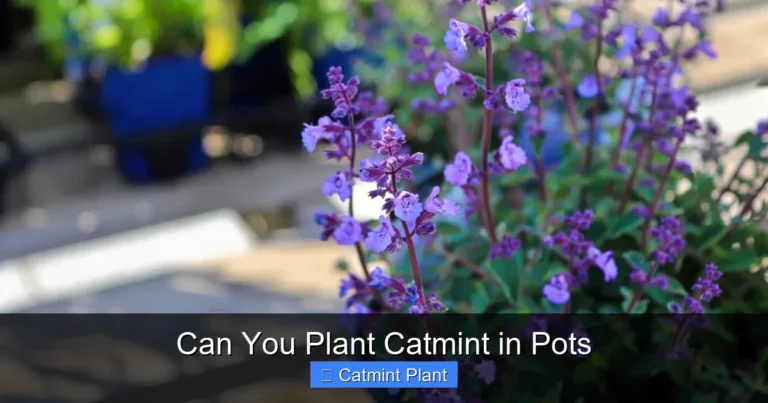
Dwarf Catmint Plant
The dwarf catmint plant is a compact, aromatic perennial that blooms from late spring to fall. It thrives in full sun, needs little water once established, and draws bees and butterflies to the garden.
Key Takeaways
- Compact size: The dwarf catmint plant stays under 12 inches tall, perfect for borders and containers.
- Long bloom period: Flowers appear from late spring through autumn, giving months of color.
- Low water needs: Once established, the plant tolerates drought and prefers dry soil.
- Pollinator magnet: Bees, butterflies, and hummingbirds love the nectar‑rich blooms.
- Easy maintenance: Minimal pruning, occasional deadheading, and light feeding keep it healthy.
- Versatile design: Works well in rock gardens, edging, mixed beds, and patio pots.
- Deer resistant: Aromatic foliage discourages browsing animals.
Quick Answers to Common Questions
How tall does a dwarf catmint plant grow?
A dwarf catmint plant typically reaches 8 to 12 inches in height.
When is the best time to plant dwarf catmint plant?
Spring after the last frost or early fall are the best planting times.
Does dwarf catmint plant need full sun?
Yes, the dwarf catmint plant thrives in full sun but tolerates light afternoon shade in hot climates.
How often should I water dwarf catmint plant?
Water weekly during the first season; once established, water deeply every two weeks during dry spells.
Is dwarf catmint plant deer resistant?
The aromatic foliage of the dwarf catmint plant makes it highly deer resistant.
📑 Table of Contents
Introduction
If you want a plant that looks great, smells wonderful, and asks for very little work, the dwarf catmint plant is a top choice. This little perennial packs a big punch in any garden. It forms a tidy mound of gray‑green leaves and sends up spikes of lavender‑blue flowers that keep coming for months. Gardeners love it because it fits in tight spaces, survives hot summers, and brings life to the yard with buzzing pollinators.
In this guide you will learn everything you need to know about the dwarf catmint plant. We cover what it is, how to pick the best variety, planting steps, watering and feeding tips, pest control, and creative ways to use it in your landscape. By the end you will feel confident adding this charming herb to your own garden.
What Is a Dwarf Catmint Plant?
Botanical Background
The dwarf catmint plant belongs to the genus Nepeta, a member of the mint family Lamiaceae. Its scientific name is often Nepeta × faassenii ‘Junior Walker’ or similar compact cultivars. Unlike its taller relatives, this version was bred for a short stature and a dense habit. The leaves are aromatic, releasing a minty scent when brushed. The flowers are small, tubular, and appear in whorls along the stems.
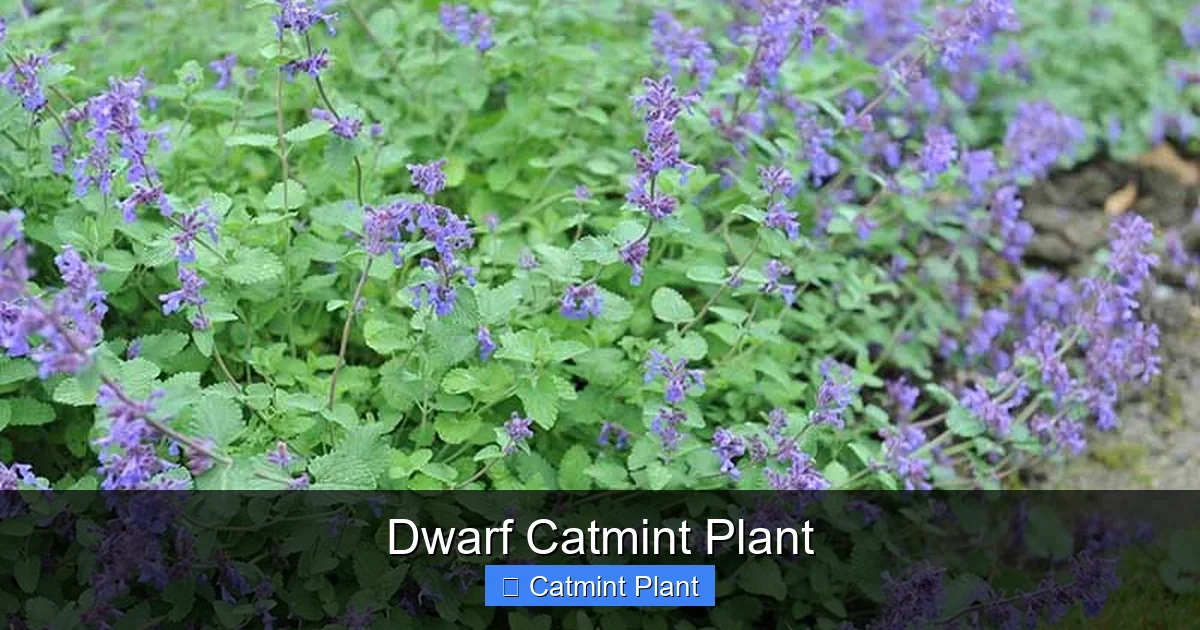
Visual guide about Dwarf Catmint Plant
Image source: gardenerspath.com
Size and Growth Habit
A mature dwarf catmint plant typically reaches 8 to 12 inches in height and spreads 12 to 18 inches wide. It forms a low, rounded mound that stays neat without flopping. The plant is herbaceous, dying back to the ground in winter and returning vigorously in spring. Because of its compact size, it works well as a ground cover, edging plant, or container specimen.
Choosing the Right Variety
Popular Cultivars
Several dwarf catmint plant cultivars are widely available. ‘Junior Walker’ offers deep blue flowers and a very tight habit. ‘Little Titch’ stays under 8 inches and blooms early. ‘Blue Wonder’ produces a profusion of violet‑blue spikes on a 10‑inch mound. ‘Cat’s Pajamas’ features soft pink‑lavender blooms and a slightly wider spread. All of these share the same easy‑care nature and pollinator appeal.
Climate Considerations
The dwarf catmint plant thrives in USDA zones 4 through 9. It prefers cool nights and warm days, but it tolerates heat if the soil drains well. In very hot climates, provide afternoon shade to prevent leaf scorch. In colder zones, mulch the crown in late fall to protect the roots from freeze‑thaw cycles.
Planting and Soil Requirements
Best Time to Plant
Spring is the ideal planting window for the dwarf catmint plant. The soil has warmed, and the risk of frost has passed. You can also plant in early fall, giving roots time to establish before winter. Avoid planting during the hottest weeks of summer unless you can water consistently.
Soil Preparation
Well‑drained soil is essential. The dwarf catmint plant dislikes soggy roots. Amend heavy clay with coarse sand or fine gravel. Add a handful of compost to improve texture and provide a slow‑release nutrient base. A slightly alkaline to neutral pH (6.5‑7.5) is perfect. Test your soil if you are unsure.
Spacing and Depth
Space each dwarf catmint plant 12 to 18 inches apart to allow air flow and future spread. Dig a hole twice as wide as the root ball and just as deep. Place the plant so the crown sits level with the soil surface. Backfill, firm gently, and water thoroughly to settle the soil around the roots.
Watering, Feeding, and Maintenance
Watering Schedule
Water the dwarf catmint plant regularly during the first growing season. Aim for about 1 inch of water per week, either from rain or irrigation. Once established, the plant becomes drought tolerant. In prolonged dry spells, a deep soak every two weeks keeps it looking fresh. Avoid overhead watering late in the day to reduce fungal risk.
Fertilizing Tips
The dwarf catmint plant is a light feeder. A single application of a balanced, slow‑release fertilizer in early spring is enough. Alternatively, top‑dress with a thin layer of compost each spring. Too much nitrogen encourages floppy growth and fewer flowers. If the foliage looks pale, a light feed of fish emulsion can help.
Pruning and Deadheading
Deadhead spent flower spikes to encourage a second flush of blooms. Use clean scissors and cut just above a set of leaves. In late winter or early spring, cut the whole plant back to about 2 inches above ground. This rejuvenates the dwarf catmint plant and prevents woody buildup. Light shaping during the season keeps the mound tidy.
Pest and Disease Management
Common Pests
The dwarf catmint plant is largely pest free. Aphids may appear on new growth in spring. A strong spray of water or insecticidal soap clears them quickly. Spider mites can show up in hot, dry weather; increase humidity around the plant and spray with neem oil if needed. Slugs and snails rarely bother the aromatic foliage.
Disease Prevention
Good air circulation and proper watering keep diseases at bay. Powdery mildew can develop in humid, crowded conditions. Space plants adequately and water at the base. Root rot occurs in poorly drained soil; ensure the planting site drains well. Remove any infected leaves promptly and dispose of them away from the garden.
Design Ideas and Companion Plants
Border and Edging Uses
The dwarf catmint plant shines as a low border along pathways or flower beds. Its neat mound creates a soft edge that transitions from hardscape to planting. Pair it with taller perennials like coneflower or black‑eyed Susan for a layered look. The silvery foliage contrasts nicely with dark green shrubs.
Container Gardening
Because of its compact habit, the dwarf catmint plant thrives in pots. Choose a container at least 12 inches wide with drainage holes. Use a light potting mix amended with perlite. Place the pot in full sun and water when the top inch of soil feels dry. Combine with trailing herbs like thyme or oregano for a fragrant patio display.
Pollinator Friendly Pairings
Plant the dwarf catmint plant alongside bee‑balm, salvia, and lavender to create a pollinator haven. The overlapping bloom times provide continuous nectar from spring to fall. Add a few native grasses for texture and shelter. This mix supports bees, butterflies, and beneficial insects throughout the growing season.
Conclusion
The dwarf catmint plant offers beauty, fragrance, and wildlife value in a tiny package. It asks for little water, resists deer, and blooms for months on end. Whether you tuck it into a rock garden, line a walkway, or showcase it in a container, this perennial delivers reliable performance year after year. Give it a sunny spot, well‑drained soil, and a light trim in early spring, and you will enjoy a steady parade of lavender‑blue flowers and happy pollinators. Happy gardening!
Frequently Asked Questions
Can dwarf catmint plant be grown indoors?
The dwarf catmint plant prefers outdoor conditions with full sun and good air flow. It can be grown in a sunny windowsill for a short period but will not thrive long term indoors.
What soil pH is ideal for dwarf catmint plant?
A slightly alkaline to neutral pH between 6.5 and 7.5 is ideal for the dwarf catmint plant.
How do I propagate dwarf catmint plant?
Divide established clumps in early spring or take softwood cuttings in late spring. Both methods root easily in moist, well‑drained media.
Does dwarf catmint plant attract cats?
Like other catmints, the dwarf catmint plant contains nepetalactone, which can attract cats. However, the reaction varies.
What companion plants work well with dwarf catmint plant?
Good companions include lavender, salvia, coneflower, black‑eyed Susan, and low ornamental grasses.
How do I prevent powdery mildew on dwarf catmint plant?
Provide adequate spacing, water at the base, and ensure good air circulation. Remove any infected foliage promptly.