Catmint Plant Nz
Catmint plant nz is a hardy perennial that thrives in New Zealand gardens. It attracts bees, repels pests, and adds a lovely minty fragrance to borders and containers.
When you walk through a New Zealand garden in late spring, the soft haze of a catmint plant nz often catches your eye. This herb forms a low mound of grey‑green leaves and spikes of lavender‑blue flowers that seem to glow in the evening light. It belongs to the mint family, but it behaves far less aggressively than its culinary cousins. Gardeners love it because it asks for little and gives a lot.
In this guide we cover everything you need to know about catmint plant nz, from choosing a variety to harvesting the fragrant leaves. You will learn practical planting steps, watering tips, and how to keep pests away without chemicals. Whether you have a spacious border or a modest balcony pot, catmint plant nz fits right in and rewards you with months of colour and scent.
Key Takeaways
- Easy to grow: Catmint plant nz tolerates a range of soils and needs little fuss.
- Pollinator magnet: Bees and butterflies love the lavender‑blue flowers.
- Drought tolerant: Once established it survives dry spells with minimal watering.
- Versatile uses: Leaves make a soothing tea, and stems add scent to bouquets.
- Low maintenance: Light pruning after flowering keeps it tidy.
- Companion planting: It deters aphids and improves nearby vegetable health.
- Harvest anytime: Snip leaves throughout the season for fresh or dried use.
Quick Answers to Common Questions
What is the best time to plant catmint plant nz?
Early spring after the last frost or early autumn when the soil is still warm.
How much sun does catmint plant nz need?
Full sun to part shade; at least six hours of direct light gives the best flowering.
Can catmint plant nz grow in containers?
Yes, use a pot at least 30 cm wide with good drainage and a free‑draining mix.
Does catmint plant nz attract cats?
Many cats are drawn to the plant’s essential oils and will rub or roll on it.
How do I prevent powdery mildew on catmint plant nz?
Space plants for airflow, avoid overhead watering, and apply a sulfur fungicide if needed.
📑 Table of Contents
What Is Catmint Plant NZ?
Botanical background
The catmint plant nz belongs to the genus Nepeta, a group of aromatic perennials native to Europe and Asia. The most common species in New Zealand gardens is Nepeta faassenii, often sold as Faassen’s catmint. It produces square stems, a hallmark of the mint family, and releases a sweet minty aroma when brushed. The flowers are tiny tubes that cluster into loose spikes, ranging from pale lavender to deep violet.
Growth habit
A typical catmint plant nz reaches 30 to 60 centimetres tall and spreads about the same width. It dies back to the ground in winter and re‑emerges each spring, making it a reliable perennial for temperate zones. The foliage stays attractive even when not in bloom, providing a soft silver‑green texture that contrasts nicely with darker leaves.
Why the name catmint?
The name comes from the strong attraction many cats feel toward the plant’s essential oils. When a cat rubs against a catmint plant nz it often rolls, purrs, and becomes playful. Not every feline reacts, but enough do that the herb has earned a reputation as a natural cat toy.
Historical uses
Early European settlers brought catmint plant nz to New Zealand for its medicinal reputation. They used the leaves to make a soothing tea for colds and digestive upset. The herb was also planted near homes to deter rodents and insects. Today you can still find old garden journals that mention catmint plant nz as a staple in cottage gardens.
Varieties for specific purposes
If you want a catmint plant nz that stays very low, look for ‘Little Titch’ which forms a tight carpet of foliage. For a taller accent, ‘Six Hills Giant’ adds height without flopping. Some gardeners select a white‑flowered form like ‘Snowflake’ to brighten a shaded corner. Matching the variety to your design goal saves time and effort later.
Propagation basics
Catmint plant nz can be propagated by seed, division, or softwood cuttings. Seeds need light to germinate, so press them onto the surface of a moist seed‑raising mix and keep them at 18‑20 °C. Division is easiest in early spring; lift the clump, split it with a sharp spade, and replant the pieces. Softwood cuttings taken in late spring root quickly in a humid propagator. All methods produce true‑to‑type plants that inherit the parent’s fragrance and flower colour.
Why Grow Catmint Plant NZ in New Zealand?
Climate match
New Zealand’s mild winters and warm summers suit a catmint plant nz perfectly. It tolerates light frost, thrives in full sun to part shade, and handles coastal salt breezes without damage. Inland gardens benefit from its ability to survive occasional dry spells once established.
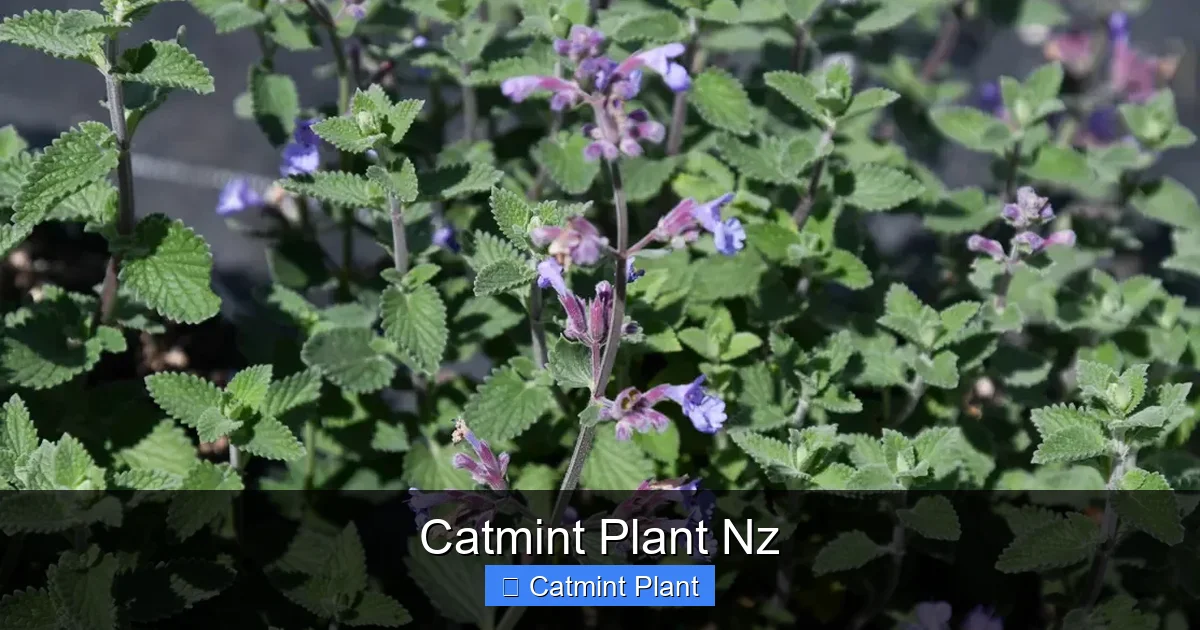
Visual guide about Catmint Plant Nz
Image source: theplantcompany.co.nz
Pollinator support
Bees, bumblebees, and hoverflies flock to the nectar‑rich flowers of a catmint plant nz. By planting it you help sustain local pollinator populations, which in turn improves fruit set on nearby vegetables and fruit trees. A single clump can attract dozens of visitors on a sunny afternoon.
Low water demand
Once the roots of a catmint plant nz reach deep into the soil, the plant needs only occasional watering during prolonged drought. This makes it an excellent choice for water‑wise gardening, especially in regions that experience summer water restrictions.
Pest deterrent
The aromatic oils of a catmint plant nz repel aphids, flea beetles, and even some cabbage moths. Planting a border of catmint plant nz around susceptible crops can reduce the need for chemical sprays and keep your vegetable patch healthier.
Soil health benefits
A catmint plant nz contributes organic matter as its leaves fall and decompose. The root system helps break up compacted soil, improving drainage for neighbouring plants. Over time the area around a catmint plant nz becomes richer and more friable. This natural soil improvement reduces the need for added amendments.
Aesthetic value
The soft silver‑green foliage of a catmint plant nz provides a calm backdrop for brighter perennials. Its lavender‑blue spikes add vertical interest without overwhelming a border. In the evening light the flowers seem to glow, creating a peaceful atmosphere. Many designers use catmint plant nz to soften hard edges in modern landscapes.
Wildlife corridor benefits
Planting a continuous line of catmint plant nz along a fence creates a nectar corridor for bees and butterflies. The corridor links isolated garden patches, allowing pollinators to move safely across the landscape. Birds also visit the seed heads in autumn, adding another layer of biodiversity. A simple row of catmint plant nz can turn a suburban street into a thriving wildlife highway.
Choosing the Right Variety for Your Garden
Popular cultivars
Several catmint plant nz cultivars perform well in New Zealand. ‘Walker’s Low’ stays compact at about 30 centimetres and produces masses of lavender‑blue flowers. ‘Six Hills Giant’ grows taller, up to 60 centimetres, and offers a more dramatic display. ‘Blue Wonder’ is prized for its intense violet hue and strong fragrance.
Size and space considerations
If you have a small border or container, choose a dwarf variety like ‘Little Titch’. For a larger cottage garden, the taller types create a lovely backdrop. Always check the mature spread on the label and space plants 30 to 45 centimetres apart to allow good air flow.
Flower colour and bloom time
Most catmint plant nz varieties bloom from late spring to early autumn. Some cultivars give a second flush if you deadhead spent spikes promptly. Selecting a mix of early and late bloomers extends the colour show across the season.
Colour themed borders
Plant a row of catmint plant nz alongside pink roses and white daisies for a classic cottage look. The cool blue tones of the catmint plant nz balance warm colours and keep the border from feeling too hot. You can also pair it with yellow coreopsis for a cheerful contrast that lasts all summer.
Container specific varieties
For pots, choose a dwarf catmint plant nz such as ‘Little Titch’ or ‘Blue Wonder’ which stay under 30 centimetres. Use a high‑quality potting mix with added perlite for drainage. Water regularly but allow the top centimetre to dry between waterings. A slow‑release fertilizer in spring keeps the container looking fresh all season.
Seasonal colour planning
To keep colour flowing, choose a catmint plant nz that blooms early, such as ‘Walker’s Low’. Follow it with a mid‑season variety like ‘Blue Wonder’ for a second wave. Finish with a late‑blooming type such as ‘Six Hills Giant’ that extends into autumn. This staggered planting ensures the border never looks bare and pollinators have a constant food source.
Planting, Care, and Pest Management
When to plant
The best time to plant a catmint plant nz is early spring after the last frost, or early autumn when the soil is still warm. Spring planting gives the roots a full growing season to establish before winter arrives.
Soil preparation
A catmint plant nz prefers well‑drained soil with a neutral to slightly alkaline pH. Work in compost or well‑rotted manure to improve texture and fertility. Avoid heavy clay that stays soggy, as wet feet can cause root rot.
Planting steps
- Dig a hole twice as wide as the root ball.
- Place the plant so the crown sits level with the soil surface.
- Backfill with the amended soil and firm gently.
- Water thoroughly to settle the soil around the roots.
Space multiple catmint plant nz plants 30 to 45 centimetres apart to allow air flow.
Watering routine
Water new plantings regularly for the first six weeks. After that, a catmint plant nz only needs watering during prolonged dry periods. A deep soak once a week is better than frequent light sprinkles.
Feeding and pruning
A light application of balanced organic fertilizer in early spring supports vigorous growth. Too much nitrogen encourages floppy stems and fewer flowers. After the first flush fades, shear the plant back by about one‑third to encourage a tidy shape and often a second bloom.
Common pests and disease prevention
A catmint plant nz is naturally resistant to many insects thanks to its strong scent. Aphids may occasionally colonise new growth; a strong jet of water or a neem oil spray usually clears them. Powdery mildew can appear in humid, crowded conditions, so ensure good spacing and avoid overhead watering. If mildew shows, remove affected leaves and apply a sulfur‑based fungicide.
Mulching techniques
Apply a 5‑centimetre layer of coarse bark or straw around each catmint plant nz after planting. Mulch conserves moisture, suppresses weeds, and keeps the root zone cool in summer. Replenish the mulch each autumn as it breaks down. Avoid piling mulch against the crown to prevent rot.
Organic pest control recipes
Make a simple spray by steeping a handful of catmint plant nz leaves in hot water for 15 minutes, then strain and cool. The resulting tea can be sprayed on nearby vegetables to deter aphids and whiteflies. Repeat weekly during peak pest season for best results. This homemade remedy uses the plant’s own oils and costs almost nothing.
Water‑saving irrigation tips
Install a drip line around each catmint plant nz to deliver water directly to the root zone. Set a timer for early morning runs of 20 minutes twice a week during dry spells. Mulch heavily to cut evaporation by up to 50 %. Check soil moisture with a finger test before adding extra water. This approach conserves water and keeps the plant healthy.
Harvesting, Uses, and Companion Planting
When and how to harvest
You can snip leaves of a catmint plant nz any time during the growing season. For the best flavour, harvest in the morning after dew has dried. Cut stems just above a leaf node to encourage fresh growth.
Culinary and herbal uses
The leaves make a calming tea that helps with digestion and mild anxiety. Fresh leaves add a minty twist to salads, fruit drinks, and desserts. Dried leaves store well in airtight jars for winter use.
Companion planting ideas
- Plant catmint plant nz near roses to deter aphids.
- Pair it with tomatoes, peppers, and brassicas for a natural pest barrier.
- Combine with lavender, salvia, and echinacea for a pollinator‑friendly corner.
These companions benefit from the aromatic oils that repel common garden pests.
Container growing tips
Choose a pot at least 30 centimetres wide with drainage holes. Use a free‑draining potting mix and water when the top two centimetres feel dry. Feed monthly with a liquid seaweed fertilizer during active growth.
Drying and storing leaves
Harvest catmint plant nz stems in the morning, bundle them loosely, and hang upside down in a dark, airy space. After about a week the leaves crumble easily; strip them from the stems and store in airtight jars away from light. Properly dried leaves retain their fragrance for up to a year. Label jars with the harvest date for reference.
Creative culinary ideas
Infuse honey with a few fresh catmint plant nz leaves for a unique sweetener in tea or yogurt. Blend chopped leaves into a pesto with parsley, garlic, and olive oil for a fresh twist on pasta. Freeze leaf puree in ice‑cube trays to add a minty burst to summer drinks. Experimenting in the kitchen turns a garden herb into a pantry star.
Herbal remedy recipes
Steep a teaspoon of dried catmint plant nz leaves in a cup of boiling water for five minutes to make a calming tea. Add a slice of lemon and a drizzle of honey for extra soothing power. For a topical compress, soak a clean cloth in the cooled tea and apply to minor skin irritations. The mild antiseptic properties help reduce redness and itching.
Aromatherapy and essential oil uses
The essential oil distilled from catmint plant nz has a fresh, herbaceous scent that blends well with lavender and citrus. A few drops in a diffuser can calm a busy household and repel mosquitoes naturally. You can also add the oil to a carrier oil for a soothing massage blend that eases tension headaches. Always dilute essential oils before skin contact and store them in dark glass bottles away from heat.
Seasonal Tips and Long‑Term Maintenance
Spring tasks
In early spring, remove any dead foliage from the previous year and apply a thin layer of compost around the base of each catmint plant nz. This feeds the emerging shoots and improves soil structure.
Summer care
During hot months, watch for signs of drought stress such as wilting leaves. Water deeply once a week if rainfall is scarce. Deadhead spent flower spikes to promote a second flush of blooms.
Autumn clean‑up
After the final flowering, cut the stems down to ground level. This tidies the garden and reduces overwintering sites for pests. Mulch with straw or bark to protect the crown from frost.
Winter protection
In colder southern regions, a thick mulch layer helps a catmint plant nz survive harsh frosts. In milder areas, the plant often needs no extra protection.
Dividing and propagating
Every three to four years, lift the clump in early spring and divide it with a sharp spade. Replant the divisions at the same depth, water well, and you’ll have new catmint plant nz plants for free.
Year‑round calendar
January: enjoy the first flush of flowers and harvest leaves for tea. February: deadhead spent spikes to encourage a second bloom. March: apply a light compost mulch. April: reduce watering as temperatures drop. May: cut back foliage after frost. June–August: minimal care, just check mulch. September: divide clumps if needed. October: plant new divisions. November: prepare soil for next season. December: relax and admire the garden.
Troubleshooting common issues
If a catmint plant nz looks leggy, it may be getting too much shade; move it to a sunnier spot. Yellowing leaves often signal overwatering or poor drainage; improve soil aeration and cut back watering. Sparse flowering can result from excessive nitrogen; switch to a low‑nitrogen fertilizer. Addressing these signs early keeps the plant healthy and productive.
Long‑term soil building
Each year, spread a thin layer of well‑rotted compost around the base of every catmint plant nz. The organic matter feeds soil microbes, improves structure, and increases water‑holding capacity. Over several seasons the bed becomes a rich, loamy medium that supports vigorous growth without synthetic fertilizers. This low‑effort practice pays off with stronger plants and fewer problems.
Conclusion: Adding a catmint plant nz to your garden is one of the easiest ways to boost colour, fragrance, and wildlife value. It asks for little more than sun, decent drainage, and an occasional trim. In return you get months of lavender‑blue blooms, a steady stream of bees, and a handy herb for tea and cooking. Whether you tuck it into a rockery, line a pathway, or let it spill from a patio pot, this versatile perennial will quickly become a favourite. Give it a try this season and watch your garden come alive with the gentle buzz of happy pollinators.
Frequently Asked Questions
Is catmint plant nz perennial in New Zealand?
Yes, catmint plant nz is a herbaceous perennial that dies back in winter and returns each spring across most New Zealand zones.
What soil pH does catmint plant nz prefer?
It thrives in neutral to slightly alkaline soil, ideally between pH 6.5 and 7.5.
How often should I water established catmint plant nz?
Water deeply once a week during dry spells; otherwise rainfall is usually sufficient.
Can I divide catmint plant nz clumps?
Absolutely. Divide in early spring or autumn every three to four years to rejuvenate the plant.
What are the best companion plants for catmint plant nz?
Roses, tomatoes, peppers, brassicas, lavender, salvia, and echinacea all benefit from its pest‑repelling qualities.
How do I harvest catmint plant nz for tea?
Snip fresh leaves in the morning, rinse, and steep a handful in hot water for five minutes.