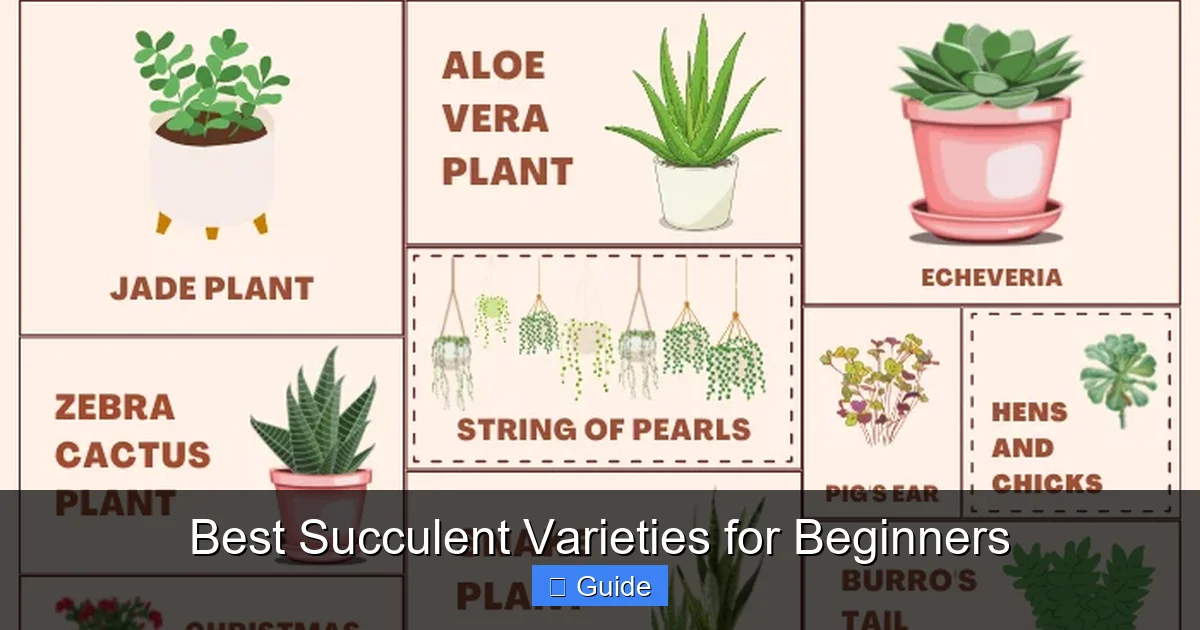
Best Succulent Varieties for Beginners
Starting a succulent collection is simple when you choose the best succulent varieties for beginners. These plants tolerate neglect, need little water, and thrive in bright light. Follow this guide to pick, care for, and display your new green friends.
The best succulent varieties for beginners welcome you to the ultimate guide on the best succulent varieties for beginners. If you have ever wanted a green thumb but felt overwhelmed by fussy houseplants, you are in the right place. This article walks you through everything you need to know to start a thriving succulent collection with confidence.
The best succulent varieties for beginners store water in thick leaves, stems, or roots, which makes them incredibly forgiving. They survive weeks without a drink, tolerate a range of indoor temperatures, and add instant texture to any room. By the end of this guide you will know which plants to buy, how to care for them, and how to show them off beautifully.
Key Takeaways
- Choose hardy types: The best succulent varieties for beginners survive missed waterings and low light.
- Provide bright light: Most easy succulents need at least six hours of indirect sun each day.
- Use well‑draining soil: A gritty mix prevents root rot and keeps plants healthy.
- Water sparingly: Let the soil dry completely before the next drink.
- Learn simple propagation: Leaf or offset methods expand your collection fast.
- Display creatively: Group pots, use terrariums, or hang planters for visual impact.
Quick Answers to Common Questions
What are the best succulent varieties for beginners?
Echeveria, Haworthia, Jade Plant, Zebra Plant, and Aloe Vera top the list for easy care and forgiving nature.
How often should I water beginner succulents?
Water only when the soil is completely dry, typically every two to three weeks depending on light and temperature.
Can succulents survive low light indoors?
Some varieties like Haworthia tolerate lower light, but most need bright indirect sun for healthy growth.
What soil mix works best for starter succulents?
A 1:1 blend of potting soil and coarse sand, perlite, or pumice provides the drainage these plants need.
How do I propagate a succulent leaf?
Twist off a healthy leaf, let it callous for a day, place it on dry gritty soil, and mist lightly until roots form.
📑 Table of Contents
Why Succulents Are Perfect for New Gardeners
Low Maintenance Appeal
The best succulent varieties for beginners require very little daily attention. You can leave them on a sunny windowsill for a week and they will still look fresh. Their water‑storing tissues mean you only need to water when the soil is bone dry. This low‑maintenance nature makes them ideal for busy lifestyles or first‑time plant owners.
Adaptability to Indoor Spaces
The best succulent varieties for beginners thrive in typical home environments. They tolerate dry air from heating systems and do not demand high humidity. As long as they receive bright, indirect light for several hours a day, they will grow steadily. This adaptability is a key reason why the best succulent varieties for beginners are so popular among apartment dwellers.
Affordable and Widely Available
The best succulent varieties for beginners can be found at garden centers, big‑box stores, and even grocery aisles. Prices are usually low, so you can experiment with several types without a big investment. Building a diverse collection early helps you learn which shapes and colors you love most.
Top 10 Best Succulent Varieties for Beginners
1. Echeveria
The best succulent varieties for beginners include Echeveria, which forms rosettes of fleshy leaves in shades of green, pink, and blue. It loves bright light and needs water only when the soil is completely dry. This classic choice is often the first plant people picture when they hear the best succulent varieties for beginners.
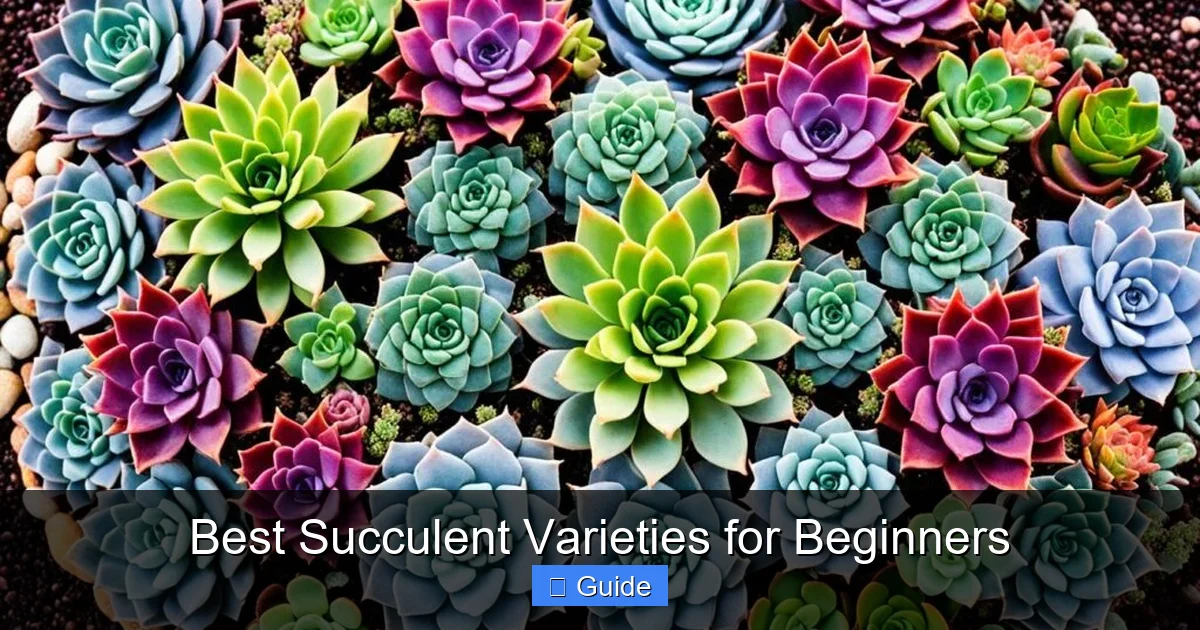
Visual guide about Best Succulent Varieties for Beginners
Image source: sublimegardens.co.uk
2. Haworthia
The best succulent varieties for beginners feature Haworthia, a compact plant that stays small, making it perfect for desks and shelves. Its thick, translucent leaves tolerate lower light better than many relatives. Water sparingly and provide a well‑draining mix for best results.
3. Jade Plant (Crassula ovata)
The best succulent varieties for beginners showcase the jade plant, which develops a tree‑like trunk over time. It is extremely drought tolerant and can survive weeks without water. Place it in a sunny spot and let the soil dry out between waterings.
4. Zebra Plant (Haworthiopsis fasciata)
The best succulent varieties for beginners highlight the zebra plant, named for its striking white stripes. It adds visual interest with minimal care. It prefers bright, indirect light and a gritty soil blend. This variety is a standout among the best succulent varieties for beginners.
5. Aloe Vera
The best succulent varieties for beginners include Aloe vera, a plant that is both decorative and useful. The gel inside its leaves soothes burns and cuts. It thrives in bright light and needs infrequent watering, making it a practical starter plant.
6. Sedum morganianum (Burro’s Tail)
The best succulent varieties for beginners feature Burro’s tail, which trails gracefully from hanging baskets. Its plump, bead‑like leaves store water efficiently. Provide bright light and avoid overwatering to keep the stems from rotting.
7. Kalanchoe tomentosa (Panda Plant)
The best succulent varieties for beginners showcase the panda plant, which has fuzzy, silver‑green leaves with brown tips. It tolerates a range of light conditions and prefers dry soil. Its unique texture makes it a conversation piece.
8. Graptopetalum paraguayense (Ghost Plant)
The best succulent varieties for beginners include the ghost plant, which forms pale, rosette clusters that shift color with sun exposure. It is hardy, fast‑growing, and forgiving of occasional neglect. A great addition to any beginner collection.
9. Sempervivum (Hens and Chicks)
The best succulent varieties for beginners feature Sempervivum, which produces clusters of rosettes that spread quickly. They survive frost, making them suitable for outdoor containers in cooler climates. Very little water is needed once established.
10. Portulacaria afra (Elephant Bush)
The best succulent varieties for beginners showcase elephant bush, which has small, round leaves on woody stems. It can be trained as a bonsai or left to grow as a shrub. Bright light and occasional watering keep it happy.
Light, Water, and Soil Basics
Finding the Right Light
The best succulent varieties for beginners need at least six hours of bright, indirect sunlight each day. A south‑facing window works well in the northern hemisphere. If natural light is limited, a full‑spectrum grow light can fill the gap.
Watering the Right Way
The best succulent varieties for beginners thrive when you water deeply but infrequently. Soak the soil until water drains from the bottom, then wait until the top two inches are completely dry before watering again. Overwatering is the number one cause of succulent failure.
Choosing a Well‑Draining Mix
The best succulent varieties for beginners flourish in a gritty blend of regular potting soil combined with coarse sand, perlite, or pumice in a 1:1 ratio. This mix mimics the arid habitats where these plants evolved. Good drainage prevents root rot and keeps the best succulent varieties for beginners healthy.
Pot Selection Matters
The best succulent varieties for beginners do best in containers with drainage holes. Terracotta pots wick moisture away faster than plastic, which can be helpful for beginners who tend to water too often.
Common Mistakes and How to Avoid Them
Overwatering
The best succulent varieties for beginners often suffer when new growers water on a schedule rather than checking soil moisture. Use a finger or a moisture meter to test dryness. Remember, the best succulent varieties for beginners prefer drought over soggy roots.
Insufficient Light
The best succulent varieties for beginners become leggy when placed in a dim corner, a condition called etiolation. Rotate pots weekly to ensure even light exposure. If leaves lose color, move the plant to a brighter spot.
Using the Wrong Soil
The best succulent varieties for beginners struggle in standard garden soil because it retains too much water. Always amend with grit or buy a dedicated cactus mix. This simple step saves many plants from an early demise.
Ignoring Pests
The best succulent varieties for beginners can attract mealybugs and spider mites indoors. Inspect leaves regularly and treat infestations early with neem oil or insecticidal soap.
Propagation Tips for First‑Time Growers
Leaf Cuttings
The best succulent varieties for beginners propagate easily from leaf cuttings. Gently twist a healthy leaf from the stem, let it callous for a day, then place it on top of dry succulent soil. Mist lightly every few days until roots and a tiny rosette appear. This method works well for many of the best succulent varieties for beginners.
Offset Division
The best succulent varieties for beginners often produce baby plants, called offsets, around the base. Separate them with a clean knife, allow the cut to dry, then pot each offset in its own container. This is the fastest way to expand your collection.
Stem Cuttings
The best succulent varieties for beginners like burro’s tail respond well to stem cuttings. Cut a stem segment, let it callous, then plant it in moist gritty soil. Keep the cutting in bright, indirect light until new growth shows.
Timing and Patience
The best succulent varieties for beginners propagate slower in winter. Spring and summer give the best success rates. Be patient; some leaves take weeks to root, but the reward is a free new plant.
Styling Ideas to Show Off Your Collection
Grouped Pot Displays
The best succulent varieties for beginners look stunning when arranged in grouped pot displays. Arrange several small pots on a tray or shelf. Mix heights, textures, and colors for a dynamic vignette. Grouping also makes watering easier because you can treat the whole cluster at once.
Terrariums and Glass Containers
The best succulent varieties for beginners thrive in open terrariums that provide high light and good airflow while looking modern. Avoid closed jars, as trapped humidity encourages rot. Add decorative stones or sand for a polished look.
Hanging Planters
The best succulent varieties for beginners such as burro’s tail or string of pearls shine in macramé hangers. Hang them near a bright window to create a living curtain effect.
Vertical Gardens
The best succulent varieties for beginners become a focal point when planted in vertical gardens. Mount shallow frames on a wall and fill them with a gritty mix. Plant a mosaic of rosettes for a living art piece. This approach saves floor space and turns the best succulent varieties for beginners into a focal point.
Seasonal Accents
The best succulent varieties for beginners stay fresh year‑round when you swap decorative top‑dressings like colored gravel or miniature figurines to match holidays. The plants stay the same, but the display feels fresh throughout the year.
The best succulent varieties for beginners congratulate you on building a solid foundation for growing the best succulent varieties for beginners. Start with one or two easy types, master the basics of light, water, and soil, and then expand your collection as confidence grows. Remember, every expert gardener began with a single plant. Happy planting!
Frequently Asked Questions
Do succulents need fertilizer?
Feed lightly with a balanced, diluted cactus fertilizer once during the growing season. Too much fertilizer can burn the roots.
Can I keep succulents outdoors year‑round?
Hardy types like Sempervivum survive frost, but most tropical succulents should move indoors before temperatures drop below 50°F.
Why are my succulent leaves turning mushy?
Mushy leaves usually indicate overwatering or poor drainage. Allow the soil to dry completely and repot in a grittier mix.
Is it normal for succulents to lose lower leaves?
Yes, older leaves naturally wither as the plant grows. Remove them gently to keep the plant tidy.
How do I prevent pests on indoor succulents?
Inspect new plants, keep foliage dry, and treat any signs of mealybugs or spider mites promptly with neem oil.
Can I grow succulents in a terrarium without drainage holes?
Only open terrariums work well; closed containers trap moisture and cause rot. Use a layer of activated charcoal and gritty soil for best results.