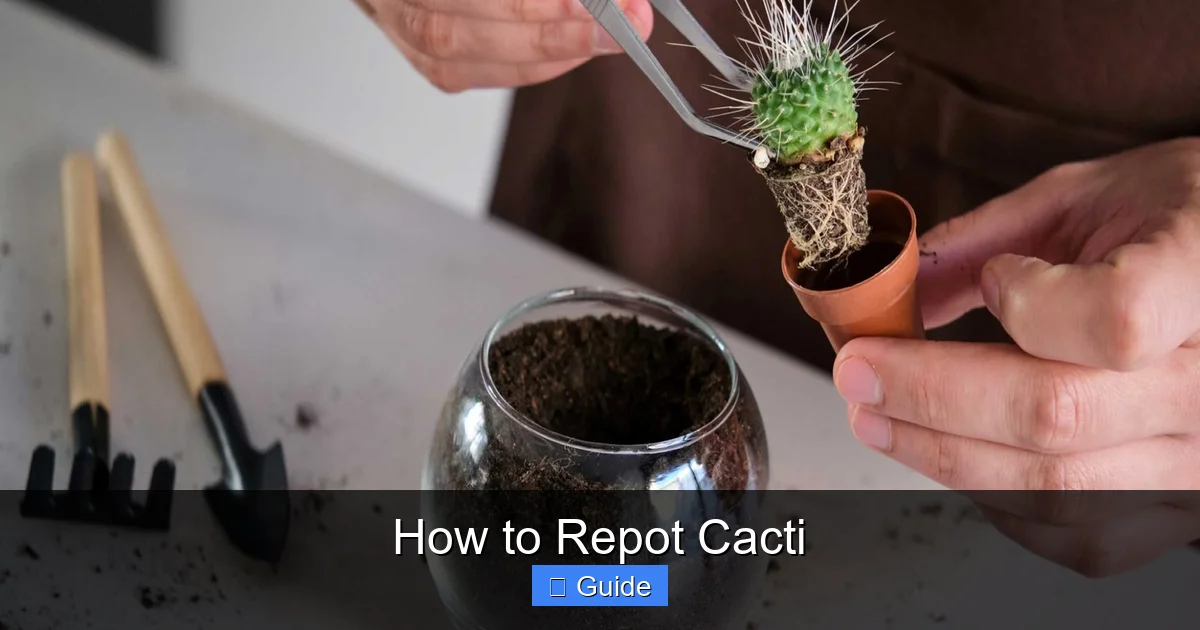
How to Repot Cacti
Repotting cacti is easy when you follow the right steps. Use a well‑draining pot, fresh cactus mix, and handle the plant with thick gloves to avoid spines.
Key Takeaways
- Timing matters: Repot in spring or early summer when growth is active.
- Choose the right pot: A container with drainage holes prevents root rot.
- Use proper soil: A gritty cactus mix drains fast and mimics native habitat.
- Protect yourself: Wear thick gloves or use tongs to avoid painful spines.
- Handle roots gently: Shake off old soil and trim any dead roots before planting.
- Water sparingly after repotting: Wait a week before the first watering to let wounds heal.
- Monitor for stress: Look for shriveling or discoloration and adjust care as needed.
Quick Answers to Common Questions
When is the best season to repot a cactus?
Spring or early summer, when the plant is actively growing.
What type of pot should I use?
A pot with drainage holes, preferably terracotta or unglazed ceramic.
How long should I wait before watering after repotting?
Wait seven to ten days to let root cuts callous.
Can I use regular potting soil for cacti?
Only if you amend it heavily with sand, perlite, or pumice for drainage.
How often do cacti need repotting?
Every two to three years, or annually for fast‑growing varieties.
📑 Table of Contents
Why Repotting Matters
Cacti grow slowly but they still need fresh soil every few years. Old soil becomes compacted and loses nutrients. When you learn how to repot cacti you give the plant room to expand its roots. Fresh mix also improves drainage which is critical for preventing rot. A healthy root system means a stronger, more vibrant cactus.
Many beginners skip repotting because they fear the spines. With the right tools and a calm approach the process is safe and rewarding. Think of repotting as a spa day for your cactus. It gets new nutrients, better airflow, and a clean home.
When to Repot Your Cactus
Seasonal Timing
The best time to repot is during the active growing season. Spring and early summer give the plant energy to recover quickly. Avoid repotting in winter when most cacti are dormant. Cold temperatures slow healing and increase the risk of rot.
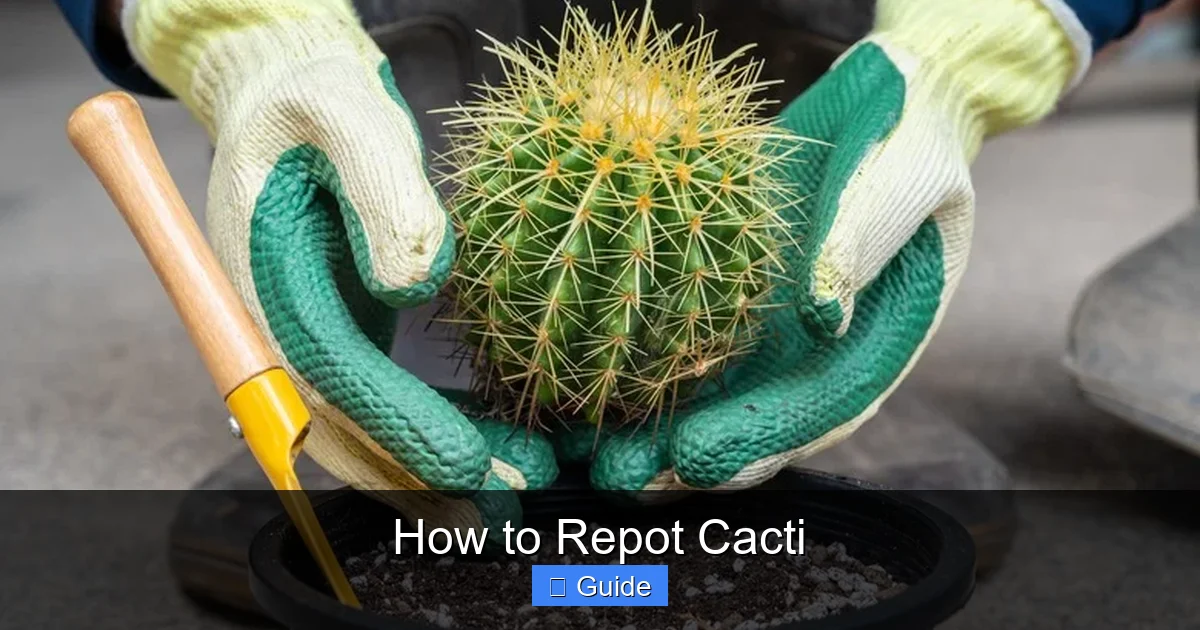
Visual guide about How to Repot Cacti
Image source: housedigest.com
Signs It’s Time
- Roots poking out of drainage holes.
- Soil dries out extremely fast or stays soggy for days.
- The plant looks top‑heavy or leans to one side.
- White salt crust forms on the soil surface.
If you notice any of these clues, schedule a repotting session soon. Delaying can stress the cactus and stunt future growth.
Choosing the Right Pot and Soil
Pot Selection
Pick a pot that is only one size larger than the current container. A pot that is too big holds excess moisture. Terracotta or unglazed ceramic works well because the material breathes. Ensure the pot has at least one drainage hole. If you love decorative pots without holes, use them as cachepots and keep the cactus in a functional inner pot.
Soil Mix
Commercial cactus mix is a good start but you can improve it. Mix two parts coarse sand or perlite with one part potting soil. Add a handful of pumice or small gravel for extra grit. The goal is a mix that drains within seconds when you water. Test by pouring water through a handful; it should run out almost instantly.
Adding Amendments
Some growers add a pinch of slow‑release fertilizer formulated for succulents. Use it sparingly because cacti are light feeders. A little bone meal can provide phosphorus for root development. Always mix amendments thoroughly before filling the pot.
Tools You’ll Need
- Thick leather gloves or silicone tongs.
- Newspaper or a large sheet of cardboard.
- Small hand trowel or spoon.
- Clean scissors or pruning shears.
- Brush for cleaning old soil off roots.
- Watering can with a narrow spout.
Lay the newspaper on your work surface. It catches loose soil and makes cleanup easy. Keep all tools within arm’s reach so you don’t have to leave the cactus unattended.
Step‑by‑Step Repotting Guide
1. Prepare the New Pot
Place a layer of coarse gravel or broken pottery shards over the drainage hole. This prevents soil from washing out. Fill the pot about one‑third full with your prepared cactus mix. Lightly tamp it down but do not compact it heavily.
2. Remove the Cactus
Put on your gloves. Gently tip the old pot sideways. Tap the sides to loosen the root ball. If the cactus is stuck, run a thin knife around the inner edge. Slide the plant out onto the newspaper. Support the base with one hand while you guide the spines away from your skin.
3. Inspect and Clean Roots
Brush away loose soil to expose the roots. Look for brown, mushy, or black roots. Trim any damaged sections with clean scissors. Healthy roots are firm and white or light tan. If the root ball is very tight, tease the roots apart gently with your fingers.
4. Position the Cactus
Set the cactus in the center of the new pot. The top of the root ball should sit about half an inch below the rim. This leaves space for watering without overflow. Adjust the soil level underneath if needed.
5. Fill Around the Roots
Sprinkle fresh mix around the sides. Use the trowel to press soil lightly, eliminating air pockets. Do not bury the stem deeper than it was before. The crown should stay at the same level to avoid rot.
6. Settle the Soil
Give the pot a gentle shake to settle the mix. Add more soil if the level drops. The surface should be even and firm but not rock hard.
7. Wait Before Watering
Place the repotted cactus in bright, indirect light. Do not water for seven to ten days. This pause lets any cut roots callous over. After the waiting period, water thoroughly until it drains out the bottom. Then return to your normal watering schedule.
Aftercare Tips for a Happy Cactus
Light Requirements
Most cacti love strong light. A south‑facing window or a grow light works well. If you move the plant outdoors in summer, acclimate it gradually. Sudden intense sun can scorch the skin.
Watering Routine
Water only when the soil is completely dry. Stick a wooden skewer into the mix; if it comes out clean, it’s time to water. In winter cut back to once a month or less. Overwatering is the number one killer of cacti.
Fertilizing
Feed with a diluted cactus fertilizer once during the growing season. A 1‑2‑1 NPK ratio at quarter strength is safe. Skip fertilizing in fall and winter.
Pest Watch
Check for mealybugs, spider mites, and scale. A cotton swab dipped in isopropyl alcohol removes small infestations. For larger problems, use an insecticidal soap labeled for succulents.
Repotting Frequency
Most cacti need repotting every two to three years. Fast‑growing species may need it annually. Keep an eye on root growth and soil condition to decide.
Common Mistakes to Avoid
- Using regular potting soil without added grit.
- Choosing a pot without drainage holes.
- Watering immediately after repotting.
- Burying the stem too deep.
- Handling the plant without protection.
Avoid these pitfalls and your cactus will thank you with steady growth and vibrant color.
Conclusion
Learning how to repot cacti is a skill that pays off for years. With the right pot, a fast‑draining mix, and a little patience you give your spiny friend a fresh start. Remember to wait before watering, provide bright light, and watch for pests. Each repotting session builds your confidence and deepens your connection to these fascinating plants. Happy growing!
Frequently Asked Questions
What signs indicate my cactus needs repotting?
Roots emerging from drainage holes, soil drying too fast or staying soggy, the plant becoming top‑heavy, or a white salt crust on the soil surface.
Is it necessary to trim roots when repotting?
Only trim dead, mushy, or blackened roots. Healthy roots should be left intact to minimize stress.
Can I repot a cactus in winter?
It is not recommended because cacti are dormant and heal slowly in cold conditions.
How do I protect my hands from spines?
Wear thick leather gloves or use silicone tongs and wrap the cactus in newspaper while handling.
What is the ideal soil mix for cacti?
A blend of two parts coarse sand or perlite, one part potting soil, plus a handful of pumice or fine gravel for extra drainage.
Should I fertilize immediately after repotting?
No. Wait until the plant shows new growth, then apply a diluted cactus fertilizer once during the growing season.