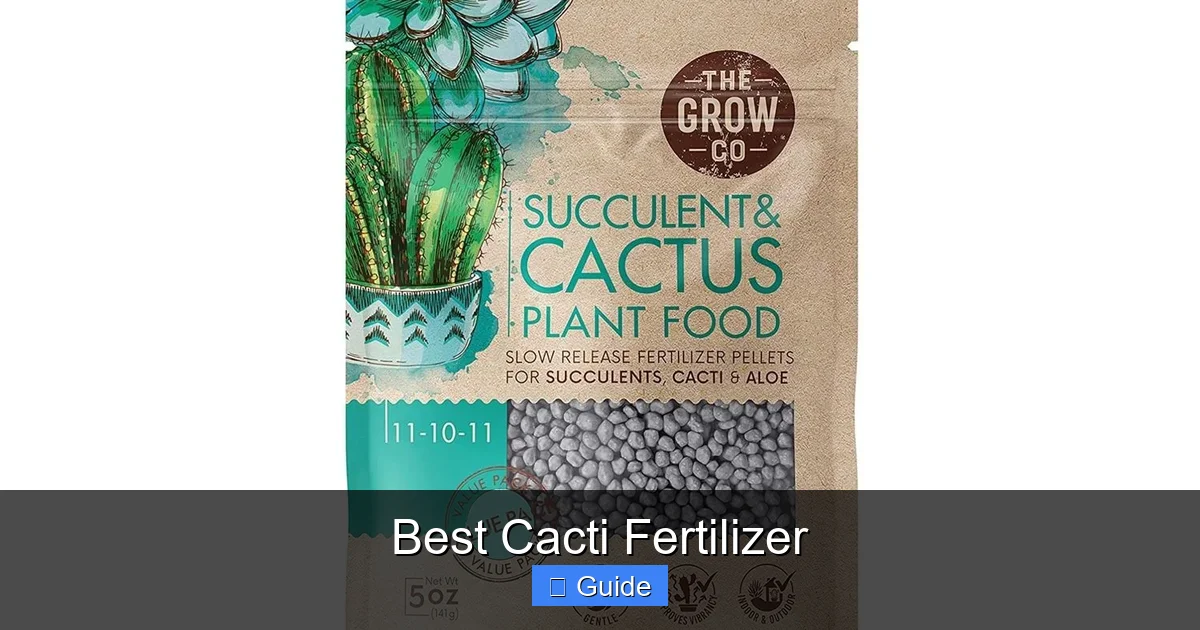
Best Cacti Fertilizer
Choosing the best cacti fertilizer means understanding low-nitrogen needs and proper feeding schedules. This guide covers everything from NPK ratios to top product picks so your desert plants thrive year-round.
Key Takeaways
- Low nitrogen is key: Cacti need fertilizers with low nitrogen (first number) to prevent weak, leggy growth.
- Feed during active growth: Only fertilize in spring and summer when cacti are actively growing.
- Dilute more than directed: Always use half-strength or quarter-strength to avoid root burn.
- Liquid beats granular: Liquid fertilizers absorb faster and distribute more evenly in gritty soil.
- Skip winter feeding: Dormant cacti cannot use nutrients and fertilizer salts will damage roots.
- Watch for salt buildup: Flush soil occasionally to prevent mineral accumulation from fertilizer.
- Match fertilizer to species: Epiphytic cacti like Christmas cactus need different nutrition than desert types.
Quick Answers to Common Questions
What NPK ratio is best for cacti?
Look for a low first number (nitrogen) under 5, with higher phosphorus and potassium. Ratios like 1-7-6, 2-7-7, or 0.5-1-1 work well for most cacti.
How often should I fertilize my cactus?
Fertilize every 2-4 weeks during active growth (spring through fall) at quarter to half strength. Stop completely during winter dormancy.
Can I use regular houseplant fertilizer on cacti?
No. Regular fertilizers have too much nitrogen. This causes weak, stretched growth and makes cacti prone to rot and pests.
Should I fertilize a newly repotted cactus?
Wait 3-4 weeks after repotting before fertilizing. Fresh soil has nutrients, and damaged roots need time to heal before handling fertilizer salts.
Why is my cactus turning brown after fertilizing?
Brown base or tips usually means fertilizer burn from too strong a dose or fertilizing dry soil. Flush the pot heavily with plain water and skip feeding for a month.
📑 Table of Contents
- Why Your Cacti Need the Right Fertilizer
- Understanding What Cacti Actually Need
- Decoding NPK Ratios for Cacti
- Types of Cacti Fertilizer: Pros and Cons
- When and How to Fertilize Your Cacti
- Top Fertilizer Recommendations by Category
- Common Mistakes That Kill Cacti
- Special Situations Need Special Feeding
- Building Your Fertilizer Routine
- Conclusion: Feed Smart, Grow Happy
Why Your Cacti Need the Right Fertilizer
You love your cacti. They sit on your windowsill looking tough and independent. But here is the truth. Even the hardest desert plants need a little help sometimes. The soil in a pot runs out of nutrients fast. Rain does not flush fresh minerals into a container like it does in nature. That is where the best cacti fertilizer comes in.
Most people think cacti do not need fertilizer at all. They survive in sand and rock, right? Well, survival is not the same as thriving. A fed cactus grows faster. It flowers better. It fights off pests and rot with stronger tissue. The trick is knowing what to use and when to use it. Too much fertilizer kills a cactus faster than too little. This guide walks you through every step so you can feed with confidence.
Understanding What Cacti Actually Need
The Desert Soil Difference
Desert soil is not rich. It is sandy, rocky, and low in organic matter. But it is high in minerals. Cacti evolved to grab nutrients fast when rain comes. Their roots are shallow and wide. They drink quick and store water in stems. They do not expect a steady stream of nitrogen like a tomato plant.
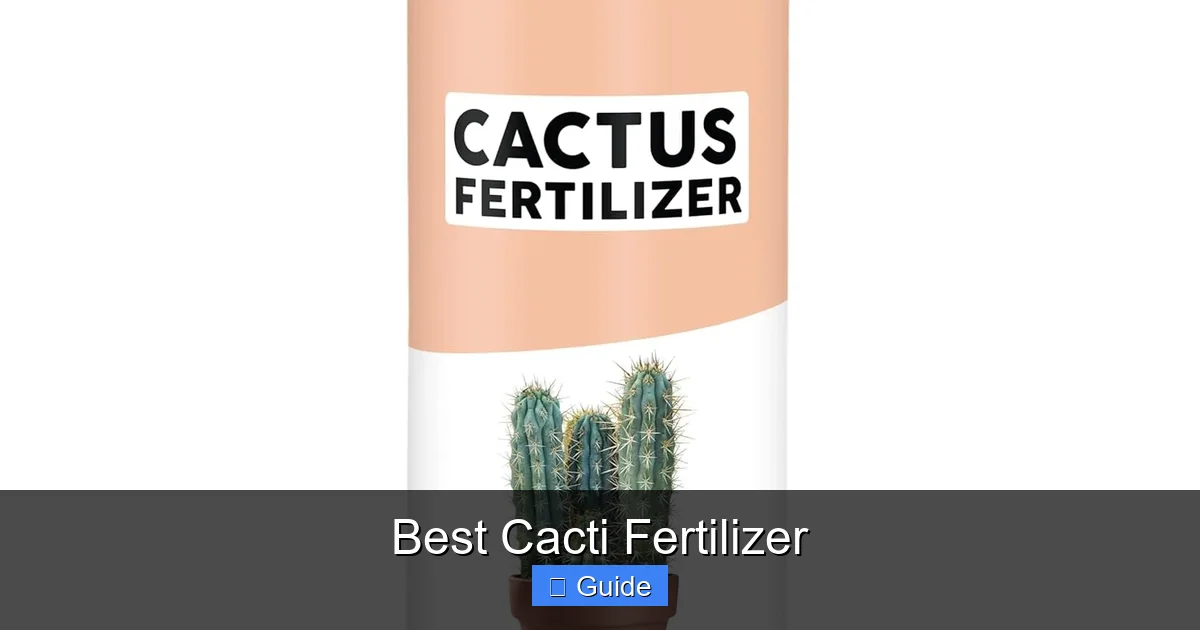
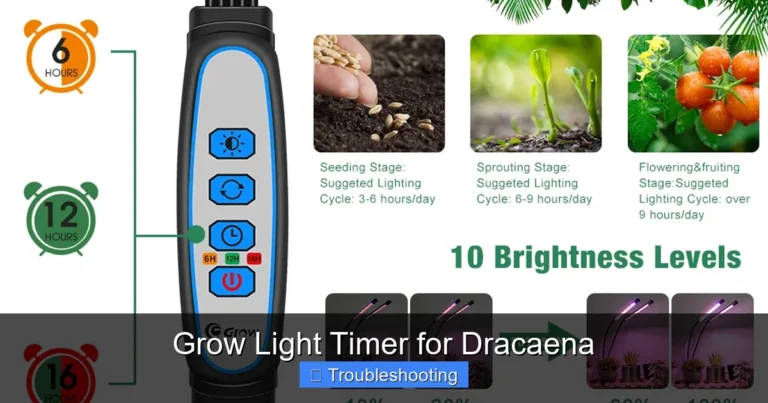
Visual guide about Best Cacti Fertilizer
Image source: m.media-amazon.com
When you pot a cactus, you change the game. The gritty mix you use drains fast. That is good for roots. But it also means nutrients wash out every time you water. After a few months, the soil is basically sterile. The plant lives on stored energy. Eventually that runs out. Growth slows. Color fades. The plant gets weak.
Why Low Nitrogen Matters Most
Nitrogen pushes leafy growth. That is great for lettuce. Terrible for cacti. High nitrogen makes cacti stretch. They get tall and thin. The skin gets soft. Pests love soft tissue. Rot moves in fast. The best cacti fertilizer keeps nitrogen low. Look for a first number under 5. Some experts say under 2. The other two numbers, phosphorus and potassium, can be higher. Phosphorus helps roots and flowers. Potassium builds strong cell walls and disease resistance.
Micronutrients Make a Difference
Calcium, magnesium, iron, and zinc matter too. Calcium prevents corking and tip burn. Magnesium keeps chlorophyll working. Iron stops yellowing between ribs. Zinc helps enzyme function. A complete fertilizer includes these. Cheap ones often skip them. Read the label. The small print tells the real story.
Decoding NPK Ratios for Cacti
What Those Three Numbers Mean
Every fertilizer shows three numbers. N-P-K. Nitrogen, Phosphorus, Potassium. They are percentages by weight. A 10-10-10 is balanced. A 2-7-7 is low nitrogen, high bloom support. For cacti, you want the first number small. The second and third can be equal or slightly higher.
Ideal Ratios for Different Goals
For general maintenance, a 1-7-6 or 2-7-7 works well. For flowering, bump phosphorus. A 1-10-5 helps buds form. For seedlings, go very gentle. A 0.5-1-1 keeps them steady without burn. Never use lawn fertilizer. That is 20-5-10 or worse. It will melt your cactus in days.
Organic vs Synthetic NPK
Organic fertilizers release slow. They feed microbes first. The microbes feed the plant. This is safer but less precise. Synthetic fertilizers are instant. You control the dose exactly. Both work. Many growers use synthetic at half strength for control. Others top-dress with worm castings for slow feed. There is no single right answer. Consistency matters more than source.
Types of Cacti Fertilizer: Pros and Cons
Liquid Concentrates
Liquid is the most popular choice. You mix it in your watering can. It hits roots fast. You see results in days. It is easy to dilute to exact strength. The downside? You must apply often. Every two to four weeks in season. Bottles run out. They cost more per feeding than dry types. But for control, liquid wins.
Water-Soluble Powders
Powders dissolve in water. They store longer than liquids. They ship lighter. They cost less per gallon mixed. You measure with a spoon. The risk is clumping in humid air. Keep the lid tight. Mix well before each use. Undissolved grains can burn roots on contact.
Slow-Release Granules
You sprinkle these on soil. They coat each prill with polymer. Water penetrates slowly. Nutrients leak out over months. Sounds perfect. But cacti hate constant wet feet. The coating needs moisture to work. In gritty mix, granules may sit dry and do nothing. Or they all release at once in a heat wave. Use with caution. Bury them slightly. Water lightly after.
Organic Top Dressings
Worm castings, compost tea, fish emulsion. These build soil life. They add humus to gritty mix. They release over weeks. The smell can be strong indoors. Fish emulsion especially. Dilute heavily. Use outdoors if possible. They are great for soil health but hard to measure exact NPK.
Specialty Cactus Blends
Brands like Schultz, Espoma, and Miracle-Gro make cactus-specific formulas. These are pre-balanced low nitrogen. They often add micronutrients. They cost more than generic 10-10-10. But they remove guesswork. For beginners, a dedicated best cacti fertilizer blend is the safest start.
When and How to Fertilize Your Cacti
The Golden Rule: Growing Season Only
Fertilize when the plant grows. Stop when it rests. In most climates, that means March through September. In warm zones, maybe February to October. Watch your plant. New spines? New ribs? Flower buds? That is your signal. No growth for weeks? Put the bottle away.
Frequency Guidelines
Every two weeks at quarter strength. Or every four weeks at half strength. Never full strength. Never every week. Salt builds up fast in small pots. If you water weekly, fertilize every other time. If you water biweekly, fertilize every time at quarter strength. Keep a calendar. Memory fails.
The Soak-and-Feed Method
Bottom watering works great with fertilizer. Mix solution in a tub. Set pots in for twenty minutes. Soil wicks up evenly. Roots get full coverage. No dry pockets. Drain fully after. Never let pots sit in fertilizer water overnight. That invites rot.
Foliar Feeding: Yes or No?
Some growers spray dilute fertilizer on stems. Cacti can absorb through skin. But the waxy cuticle blocks most. And wet spines invite fungus. If you try it, do it morning only. Use one-quarter root dose. Dry before night. Honestly, root feeding works better. Skip the spray.
Flushing Salts Out
Every few months, water heavily without fertilizer. Let water run through the pot three times the pot volume. This pushes accumulated salts down and out. Do this before you repot. Do it if you see white crust on soil or pot rim. Salt burn looks like brown tips and shriveled bases.
Top Fertilizer Recommendations by Category
Best Overall Liquid: Dyna-Gro Grow 7-9-5
This is a favorite among serious collectors. The ratio is 7-9-5. Nitrogen is a bit higher than ideal but still low. It contains all micros including calcium. No urea. Urea can burn in dry soil. One teaspoon per gallon makes a perfect quarter-strength feed. A quart lasts a hobbyist years. It works for everything from lithops to cereus.
Best Organic Option: Espoma Organic Cactus Plant Food
This is a 1-2-2 liquid. Very gentle. Made from poultry manure, bone meal, kelp. It smells earthy but not terrible. The dropper bottle makes dosing easy. Seven drops per quart. It feeds microbes as much as plants. Great for growers who want living soil. Shake well before each use. Solids settle fast.
Best Budget Pick: Miracle-Gro Succulent Plant Food
Available everywhere. 0.5-1-1 ratio. Pump bottle doses one pump per quart. Could not be simpler. It is synthetic but clean. No urea. Micros included. A bottle costs under ten dollars and feeds dozens of plants all summer. Perfect for beginners with a few pots.
Best for Flowering: Schultz Cactus Plus 2-7-7
High phosphorus for blooms. Low nitrogen. Added micronutrients. Dropper bottle. Seven drops per quart. Many growers switch to this in late spring to trigger flower buds. Use for two months then switch back to balanced. Do not use year-round. Too much phosphorus locks out other nutrients.
Best Slow Release: Osmocote Plus 15-9-12 (Use at Quarter Rate)
Technically not a cactus fertilizer. But at quarter label rate, it works. Sprinkle a pinch per four-inch pot in spring. Lasts four to six months. Only for outdoor plants in fast-draining mix. Indoor pots stay too wet for coatings to work right. Test on one plant first.
Best for Epiphytic Cacti: Jack’s Classic 20-20-20 at Tenth Strength
Christmas cactus, Easter cactus, orchid cactus. These are jungle plants. They want more nitrogen. But still dilute. One-tenth strength weekly during growth. Or quarter strength monthly. They hate salt buildup. Flush monthly. They also love magnesium. Add Epsom salt once a month. One teaspoon per gallon.
Common Mistakes That Kill Cacti
Fertilizing Dormant Plants
This is the number one killer. Winter comes. Growth stops. You keep feeding. Roots sit in salt soup. They rot. The plant collapses in February. Stop fertilizing when days shorten. Resist the urge to “help.” The plant is not hungry. It is sleeping.
Using Full Strength
The label says one tablespoon per gallon. You do it. Two days later, your cactus turns brown at the base. Roots are fried. Always dilute more. Half strength at most. Quarter strength is safer. You can always feed again in two weeks. You cannot unfry roots.
Feeding Dry Soil
You sprinkle granules on bone-dry mix. Then you water. The first rush of water carries a massive dose straight to roots. Burn. Always water lightly first. Wait ten minutes. Then apply fertilizer water. Moist soil buffers the shock.
Ignoring Water Quality
Hard water adds calcium. Soft water adds sodium. Both change what fertilizer does. If you have very hard water, skip calcium in fertilizer. If you use softened water, do not use it on cacti. Sodium kills them. Collect rainwater. Or use RO water. Your plants will thank you.
Mixing Fertilizers
You add fish emulsion and synthetic liquid together. “Double nutrition!” No. Chemical reactions happen. Nutrients precipitate out. Ammonia spikes. Roots die. Pick one system. Stick with it. If you switch, flush first. Wait a week. Then start new.
Fertilizing Sick or Newly Repotted Plants
A stressed plant cannot process nutrients. Repotting damages roots. Fertilizer burns fresh cuts. Wait three weeks after repotting. Wait until a sick plant shows new growth. Then feed gently. Patience saves plants.
Special Situations Need Special Feeding
Seedlings and Young Plants
Tiny cacti have tiny roots. They burn instantly. Use one-eighth strength. Feed only after first true spines appear. Before that, seed leaf feeds the plant. Some growers use no fertilizer for first year. Just fresh repot annually. That works too.
Rescuing a Starved Cactus
You bought a neglected plant. Pale. Shriveled. No growth in years. Do not shock it with food. Rehydrate first. Water normally for two weeks. Then start quarter strength. Increase slowly over a month. Watch for stretch. If it etioles, cut nitrogen further.
Growing Under Grow Lights
Indoor lights extend the season. Your cactus may grow year-round. If it grows, feed it. But cut frequency in half. Light intensity is lower than sun. Plant uses less. Adjust by watching. Dark green and firm is good. Pale and stretchy means too much nitrogen or too little light.
Hydroponic and Semi-Hydro Setups
LECA, pon, pure water culture. Fertilizer is the only nutrition. Use hydroponic formula. General Hydroponics Flora series works. Mix at 300-500 PPM. Check with TDS meter. Change reservoir weekly. No soil buffer means precision matters.
Building Your Fertilizer Routine
Create a Simple Schedule
Write it down. March 1: Start quarter strength every two weeks. June 1: Switch to bloom formula if flowering desired. September 1: Last feed. October 1: Flush pots. November to February: Water only when dry. No fertilizer. Adjust dates for your zone. Consistency beats perfection.
Track What You Use
Keep a notebook. Date. Product. Dilution. Which plants. Notes on response. Next year you will know exactly what worked. You will see patterns. This cactus loves Schultz. That one hates fish emulsion. Data makes you a better grower.
Observe Before You Act
Walk your collection weekly. Look at spine color. Rib definition. Root tips visible at drainage holes. New areoles forming. Flower buds swelling. These tell you more than any schedule. Feed the plant in front of you. Not the calendar.
Adjust for Weather
Heat wave? Plants drink fast. Fertilizer concentrates in soil. Skip a feed. Cool rainy week? Soil stays wet. Roots suffocate. Skip water and feed. Flexibility prevents disaster. Rigid schedules kill more cacti than neglect.
Conclusion: Feed Smart, Grow Happy
Finding the best cacti fertilizer is not about magic powder. It is about understanding your plants. Low nitrogen. Dilute dose. Growing season only. Flush salts. Watch and adjust. That is the whole secret. The brand matters less than the method.
Start simple. Pick one liquid fertilizer. Use it at quarter strength every two weeks from spring to fall. Stop in winter. Flush occasionally. Repot every two to three years with fresh gritty mix. Do this and your cacti will outgrow their pots. They will flower. They will offset. They will become the tough, beautiful specimens you see in books.
Every expert started with one plant and too much fertilizer. They learned by burning roots and watching rot. You can skip those lessons. Feed less. Observe more. Enjoy the slow, strange beauty of cacti growing on their own terms. That is the real reward.
Frequently Asked Questions
Can I use succulent fertilizer on all types of cacti?
Most desert cacti thrive on the same low-nitrogen succulent fertilizer. However, epiphytic cacti like Christmas cactus and orchid cactus prefer slightly higher nitrogen and more frequent feeding during their growth cycle.
Is it better to use liquid or granular fertilizer for cacti?
Liquid fertilizer is generally better for cacti because it distributes evenly in gritty, fast-draining soil and allows precise dilution. Granular fertilizers can create hot spots of concentrated salts that burn shallow cactus roots.
How do I know if my cactus needs fertilizer?
Signs include pale or yellowish color, very slow growth during warm months, lack of flowering in mature plants, and thin new growth. However, these can also indicate light or water issues, so assess conditions holistically.
Can I make my own cactus fertilizer at home?
You can brew compost tea or dilute worm casting tea for a gentle organic feed. Avoid coffee grounds, eggshells, or banana peels directly in pots as they decompose unevenly and attract fungus gnats in indoor conditions.
What happens if I fertilize my cactus in winter?
Winter fertilizer sits unused in the soil, building up salts that damage roots. The plant cannot absorb nutrients while dormant. This leads to root burn, rot, and often plant death by late winter or early spring.
Do cacti need calcium in their fertilizer?
Yes, calcium strengthens cell walls and prevents corking (brown, woody base) and tip burn. Many cactus-specific fertilizers include calcium. If yours does not, add a pinch of gypsum to the soil annually or use a cal-mag supplement quarterly.