Winter Plant Maintenance Guide
Winter plant maintenance guide essentials help your garden survive freezing temperatures and thrive come spring. From proper mulching techniques to adjusted watering schedules, these proven strategies protect both outdoor and indoor plants during the coldest months.
Winter arrives quietly, but its impact on your garden speaks volumes. As temperatures drop and daylight fades, many gardeners wonder if their beloved plants will make it through to spring. The good news? With the right winter plant maintenance guide strategies, your garden doesn’t just survive winter—it emerges stronger when warm weather returns.
Think of winter plant care as tucking your garden in for a long nap. You wouldn’t send a child to bed without a blanket, and your plants deserve the same consideration. Whether you’re tending a sprawling backyard landscape, a collection of container gardens, or a jungle of beloved houseplants, this comprehensive guide walks you through everything you need to know. From the first frost warning to the first signs of spring growth, we’ll cover the essential tasks, timing, and techniques that make all the difference.
Key Takeaways
- Mulch heavily before first frost: Apply 3-4 inches of organic mulch around plant bases to insulate roots and prevent freeze-thaw cycles that damage root systems.
- Water deeply before ground freezes: Hydrated plants resist cold damage better than dry ones, so give gardens a thorough soaking before winter sets in.
- Reduce fertilizer applications: Stop feeding plants 6-8 weeks before first frost to prevent tender new growth that cannot survive freezing temperatures.
- Protect vulnerable plants with covers: Use burlap, frost cloth, or cold frames to shield tender perennials, young trees, and evergreens from harsh winds and extreme cold.
- Adjust indoor plant care routines: Reduce watering frequency, increase humidity, and provide supplemental light for houseplants during shorter winter days.
- Prune strategically in late winter: Remove dead or damaged branches while plants are dormant, but avoid heavy pruning that stimulates premature growth.
- Monitor for pests and disease: Inspect plants regularly since stressed winter plants are more susceptible to infestations and fungal issues.
Quick Answers to Common Questions
When should I stop fertilizing plants for winter?
Stop fertilizing 6-8 weeks before your average first frost date. Late feeding stimulates tender growth that cannot survive freezing temperatures.
Do I need to water plants during winter?
Yes, water deeply before ground freezes, and check monthly during winter thaws. Evergreens and recent plantings especially need winter moisture when soil isn’t frozen.
How do I protect container plants in winter?
Move pots to protected locations, wrap containers with bubble wrap or burlap, cluster pots together, and consider sinking them into the ground for root insulation.
Should I prune dead-looking branches in winter?
Wait until late winter (February-March) for major pruning. Remove clearly dead wood anytime, but don’t prune live wood until dormancy is deepest to avoid stimulating growth.
Why are my houseplant leaves turning brown at the tips in winter?
Low humidity from indoor heating causes crispy leaf tips. Increase humidity with pebble trays, humidifiers, or plant grouping. Also check for overwatering and cold drafts.
📑 Table of Contents
- Understanding Your Winter Climate and Plant Needs
- Pre-Winter Preparation: The Foundation of Success
- Active Winter Care: Monitoring and Responding
- Indoor Plant Winter Care: A Different World
- Special Situations: Tender Plants and Marginal Hardiness
- Late Winter Transition: Preparing for Spring
- Common Winter Plant Problems and Solutions
- Building Your Personalized Winter Plant Maintenance Guide
- Conclusion
Understanding Your Winter Climate and Plant Needs
Know Your Hardiness Zone
Everything starts with your USDA hardiness zone. This number tells you which plants can reliably survive your area’s average minimum winter temperature. But here’s the thing—zones are guidelines, not guarantees. Microclimates within your yard create pockets that are warmer or colder than the zone map suggests. That south-facing brick wall? It radiates heat and might support plants rated for a zone warmer. The low spot where cold air settles? That’s effectively a zone colder.
Take time to map your property’s microclimates. Walk around on a frosty morning and notice where frost lingers longest and where it melts first. These observations inform every decision in your winter plant maintenance guide plan. Plants rated for your zone still benefit from protection during extreme cold snaps, while marginally hardy plants need extra attention in exposed locations.
Deciduous vs. Evergreen: Different Needs
Deciduous plants drop their leaves and enter true dormancy. Their energy retreats to roots, making them remarkably resilient to cold—provided their roots don’t freeze solid. Evergreens, however, keep their foliage and continue transpiring (losing water through leaves) all winter. This makes them vulnerable to winter burn, especially when frozen ground prevents roots from replacing lost moisture. Broadleaf evergreens like rhododendrons, boxwoods, and hollies need the most protection.
Container Plants Face Greater Risks
Plants in pots lose a full zone—or even two—of hardiness because their roots lack the earth’s insulating mass. A plant hardy to zone 5 in the ground might only survive zone 7 in a container. This critical detail shapes your entire winter plant maintenance guide approach for potted plants. Options include moving containers to protected locations, sinking pots into the ground, or wrapping them heavily with insulating materials.
Pre-Winter Preparation: The Foundation of Success
Timing Your Final Tasks
The weeks before your average first frost date represent a critical window. This is when you execute the bulk of your winter plant maintenance guide preparations. Stop fertilizing six to eight weeks before first frost. Late-season feeding stimulates tender growth that has no time to harden off before freezing temperatures arrive. This new growth becomes winter damage waiting to happen.
Visual guide about Winter Plant Maintenance Guide
Image source: i.pinimg.com
Continue watering until the ground freezes. Many gardeners taper off too early, but fall drought stress weakens plants heading into winter. Deep, infrequent watering encourages deep root growth. Aim for one inch of water per week, either from rainfall or irrigation. A soil probe or long screwdriver tells you if moisture reaches twelve inches deep—that’s your target.
Clean Up Strategically
Remove diseased foliage and any plants showing signs of pest infestations. These problems overwinter and return with vengeance in spring. However, leave healthy seed heads and stems on perennials like coneflowers, black-eyed Susans, and ornamental grasses. They provide winter interest, feed birds, and protect plant crowns. This selective cleanup balances sanitation with ecological benefit—a hallmark of thoughtful winter plant maintenance guide practices.
Apply Mulch at the Right Time
Mulch too early, and you keep soil warm, delaying dormancy. Mulch too late, and the ground freezes before you apply protection. The sweet spot? After the ground freezes hard, usually after several nights in the twenties. Apply three to four inches of shredded leaves, straw, pine needles, or wood chips. Keep mulch several inches away from trunks and stems to prevent rodent damage and rot. This timing nuance separates adequate from excellent winter plant maintenance guide execution.
Protect Young Trees and Shrubs
Newly planted trees and shrubs (within the last two to three years) lack established root systems. Their thin bark also suffers sunscald—freeze-thaw cycles on sunny winter days. Wrap trunks with commercial tree wrap or white plastic guards from ground level to first branches. Remove wrap in spring to prevent moisture buildup and insect habitat. For evergreens, apply anti-desiccant spray in late fall and again mid-winter if temperatures allow. This reduces moisture loss from needles and leaves.
Active Winter Care: Monitoring and Responding
Snow: Friend and Foe
Snow insulates beautifully—a foot of snow keeps soil near freezing even when air temperature plummets below zero. But heavy, wet snow breaks branches. Gently brush snow off evergreens with a broom, sweeping upward to avoid snapping brittle frozen branches. Don’t shake plants; frozen wood shatters. Let ice melt naturally. Attempting to remove ice causes more damage than the ice itself. This patience-testing principle appears in every solid winter plant maintenance guide.
Winter Watering During Thaws
During extended warm spells (several days above freezing with no snow cover), check soil moisture. Evergreens and recent plantings may need water. Water midday so moisture absorbs before evening refreeze. Focus on root zones, not foliage. This counterintuitive task—watering in January—saves countless plants in regions with dry winters. Your winter plant maintenance guide calendar should include reminders for winter watering checks.
Rodent and Deer Protection
Hungry wildlife turns to landscape plants when natural food disappears. Voles and rabbits girdle young trees by chewing bark at snow level. Deer browse evergreens to the browse line. Hardware cloth cylinders around tree trunks (extending above anticipated snow depth) stop rodents. Deer repellents applied before first snow and reapplied after heavy precipitation protect vulnerable plants. Fencing remains the only truly reliable deer exclusion. Integrating wildlife management into your winter plant maintenance guide prevents heartbreaking spring discoveries.
Salt Damage Prevention
De-icing salts damage plants through soil toxicity and foliar burn from spray. Use calcium magnesium acetate or sand instead of rock salt near plantings. If municipal plows deposit salty snow on your beds, flush areas thoroughly with water during thaws. Erect burlap barriers between roads and sensitive plants. Salt-tolerant species (like certain junipers, bayberry, and ornamental grasses) belong near driveways and sidewalks. Smart plant placement reduces winter plant maintenance guide workload significantly.
Indoor Plant Winter Care: A Different World
Light Adjustments
Winter light levels drop dramatically—both intensity and duration. Most houseplants originate in tropical regions with consistent twelve-hour days. They notice the change. Move plants to brightest windows (south or west facing). Clean windows inside and out—dust reduces light transmission surprisingly. Rotate plants weekly for even growth. Consider supplemental LED grow lights for high-light plants like succulents, citrus, and flowering species. Twelve to fourteen hours under lights mimics summer conditions. This light management forms a core winter plant maintenance guide pillar for indoor gardeners.
Watering: Less Is More
Reduced light means reduced growth, which means reduced water needs. The number one winter houseplant killer? Overwatering. Check soil moisture with your finger—water only when the top inch or two feels dry. Frequency might drop from weekly to every two to three weeks. Use room-temperature water; cold water shocks tropical roots. Ensure pots drain freely; never let plants sit in drainage trays. This restrained approach contradicts summer habits but defines successful winter plant maintenance guide indoor practices.
Humidity: The Invisible Factor
Heated homes drop to ten to twenty percent humidity. Tropical plants prefer fifty percent or higher. This mismatch causes crispy leaf edges, bud drop, and spider mite outbreaks. Group plants together to create humidity microclimates. Run humidifiers. Place pots on pebble trays with water (pots above water line). Mist? It helps briefly but doesn’t sustain humidity. Focus on systemic solutions. A hygrometer ($10) removes guesswork. Humidity management often separates thriving from merely surviving in any winter plant maintenance guide for houseplants.
Temperature Consistency
Most houseplants prefer 65-75°F days and 55-65°F nights. Avoid drafts from doors, windows, and heating vents. Cold windowsills damage leaves touching glass. Hot, dry air from vents desiccates foliage rapidly. Move plants back from windows on frigid nights. Use thermal curtains. Consistency matters more than hitting exact numbers. Sudden fluctuations stress plants more than slightly suboptimal but stable conditions. This principle guides every winter plant maintenance guide recommendation for indoor environments.
Pest Vigilance
Spider mites, scale, mealybugs, and fungus gnats thrive in warm, dry indoor conditions. Inspect weekly—check leaf undersides, stem joints, and soil surface. Isolate new plants for two weeks. Yellow sticky traps catch fungus gnats and whiteflies. Insecticidal soap or neem oil treats most infestations if caught early. Systemic granules work for persistent problems but take weeks to activate. Prevention through humidity and inspection beats treatment every time. Integrated pest management belongs in every comprehensive winter plant maintenance guide.
Fertilizer Holiday
Stop fertilizing most houseplants from October through March. Exceptions: plants actively growing under lights, winter-blooming species (like Christmas cactus, amaryllis), and tropicals in consistently warm, bright conditions. For these, use quarter-strength fertilizer monthly. Salt buildup from reduced watering and continued feeding damages roots. Flush pots thoroughly every few months by running water through for several minutes. This fertilizer pause aligns with natural cycles and prevents weak, leggy growth—a key winter plant maintenance guide insight.
Special Situations: Tender Plants and Marginal Hardiness
Overwintering Tender Perennials
Cannas, dahlias, elephant ears, gladiolus, and other tender bulbs won’t survive freezing ground. After frost blackens foliage, dig carefully. Clean soil off. Cure in warm, dry place for one to two weeks. Store in peat moss, vermiculite, or paper bags at 40-50°F. Check monthly for rot or desiccation. Mist slightly if shriveling. Label everything—spring memory fails. This process saves hundreds of dollars annually and preserves favorite varieties. Every winter plant maintenance guide for cold-climate gardeners includes bulb storage protocols.
Protecting Marginal Plants In-Ground
Plants rated one zone warmer than yours might survive with serious protection. Build wire cages around plants. Fill with straw or shredded leaves. Wrap cage with burlap. Top with plastic during worst cold (remove during thaws). For broadleaf evergreens, spray anti-desiccant before wrapping. This labor-intensive approach works for specimen plants worth the effort. Document what works—your personal winter plant maintenance guide evolves from these experiments.
Cold Frames and Season Extenders
Cold frames—bottomless boxes with transparent tops—create microclimates one to two zones warmer. Use for hardening off seedlings, overwintering cool-season crops (spinach, kale, carrots), and protecting marginally hardy perennials. Vent on sunny days to prevent overheating. Automatic vent openers ($30) prevent cooking plants on unexpectedly warm days. Row covers and low tunnels offer similar benefits for larger areas. These tools expand what’s possible in your winter plant maintenance guide repertoire.
Greenhouse and Sunroom Strategies
Unheated greenhouses buffer temperature extremes but still freeze. Heated greenhouses (minimum 45°F) keep tender plants growing slowly. Monitor humidity—greenhouses develop fungal issues rapidly. Circulate air with fans. Water sparingly. Inspect daily. A greenhouse becomes a plant hospital, propagation center, and winter sanctuary. Even a small lean-to extends your growing season dramatically. This investment pays dividends for serious gardeners following an advanced winter plant maintenance guide.
Late Winter Transition: Preparing for Spring
Pruning Deciduous Plants
Late winter (February-March in most zones) is prime pruning time for most deciduous trees and shrubs. Plants are fully dormant. Structure is visible without leaves. Wounds heal rapidly as growth resumes. Remove dead, damaged, diseased, and crossing branches. Thin congested centers for light penetration and air flow. Shape for natural form. Don’t remove more than twenty-five percent of live wood annually. Spring bloomers (lilacs, forsythia, azaleas) are the exception—prune immediately after flowering. This timing rule appears in every authoritative winter plant maintenance guide.
Checking Stored Bulbs and Tubers
Inspect stored tender bulbs monthly. Discard rotting pieces. Mist shriveling ones lightly. Plan spring planting locations. Order replacements for losses. Pot up cannas and dahlias indoors four to six weeks before last frost for earlier blooms. This head start extends the display season significantly. Your winter plant maintenance guide calendar should flag these late-winter tasks.
Seed Starting and Early Crops
Late winter launches the growing cycle anew. Start onions, leeks, celery, and slow-growing perennials from seed indoors. Use fresh seed-starting mix. Provide sixteen hours of light. Bottom heat speeds germination. Harden off gradually before transplanting. Direct-sow peas, spinach, and radishes as soon as soil works. Cold frames allow earliest harvests. This transition from winter protection to spring production completes the annual winter plant maintenance guide cycle.
Tool Maintenance and Planning
Winter downtime is perfect for tool care. Clean, sharpen, oil pruners, loppers, shovels, hoes. Service power equipment. Organize storage. Inventory supplies. Plan next year’s garden—crop rotation, new varieties, bed expansions. Order seeds early for best selection. Dream with catalogs. This planning phase separates reactive from proactive gardening. The most effective winter plant maintenance guide includes off-season preparation.
Common Winter Plant Problems and Solutions
Winter Burn on Evergreens
Brown, scorched foliage on windward sides signals winter burn. Causes: frozen ground preventing water uptake, drying winds, bright sun on frozen leaves. Prevention: deep fall watering, anti-desiccant sprays, wind barriers (burlap screens), shade cloth on south/west sides. Treatment: wait. Don’t prune until new growth emerges—brown needles may protect live buds. Most plants recover if roots survive. Patience serves you well here, as every experienced winter plant maintenance guide author emphasizes.
Frost Heaving
Freeze-thaw cycles push shallow-rooted plants (coral bells, strawberries, newly planted perennials) out of the ground, exposing roots to lethal cold and drying. Mulch heavily after ground freezes. If heaving occurs, gently press plants back during thaws and add more mulch. Don’t stomp—compacted soil damages roots. Fall planting (six weeks before freeze) allows root establishment that resists heaving. This phenomenon particularly challenges new gardeners, making it a winter plant maintenance guide priority topic.
Snow Mold on Lawns
Gray or pink circular patches appear as snow melts—fungal diseases thriving under prolonged snow cover on unfrozen ground. Prevention: mow until growth stops, avoid late nitrogen fertilizer, rake leaves, improve drainage. Treatment: rake affected areas lightly to promote drying and air circulation. Overseed in spring. Most lawns recover naturally. Chemical treatment rarely needed. Lawn care integrates seamlessly into a holistic winter plant maintenance guide.
Salt Damage Recovery
Spring reveals salt damage: brown needles on roadside evergreens, scorched leaf margins on deciduous plants, stunted growth. Flush soil heavily with water (two inches per hour for two to three hours) once ground thaws. Gypsum applications help displace sodium. Prune dead tissue. Replace severely damaged plants with salt-tolerant species. Prevention through barriers and alternative de-icers beats remediation. This practical advice anchors every regionally relevant winter plant maintenance guide.
Rodent Damage Assessment
Girdled trunks (bark chewed completely around) kill trees. Partial girdling weakens but may survive. Bridge grafting (advanced technique) can save valuable specimens. Hardware cloth prevention works. Trapping reduces populations. Encourage predators (owls, hawks) with nest boxes. Accept some damage as ecosystem participation. This balanced perspective characterizes a mature winter plant maintenance guide philosophy.
Building Your Personalized Winter Plant Maintenance Guide
Create a Property-Specific Calendar
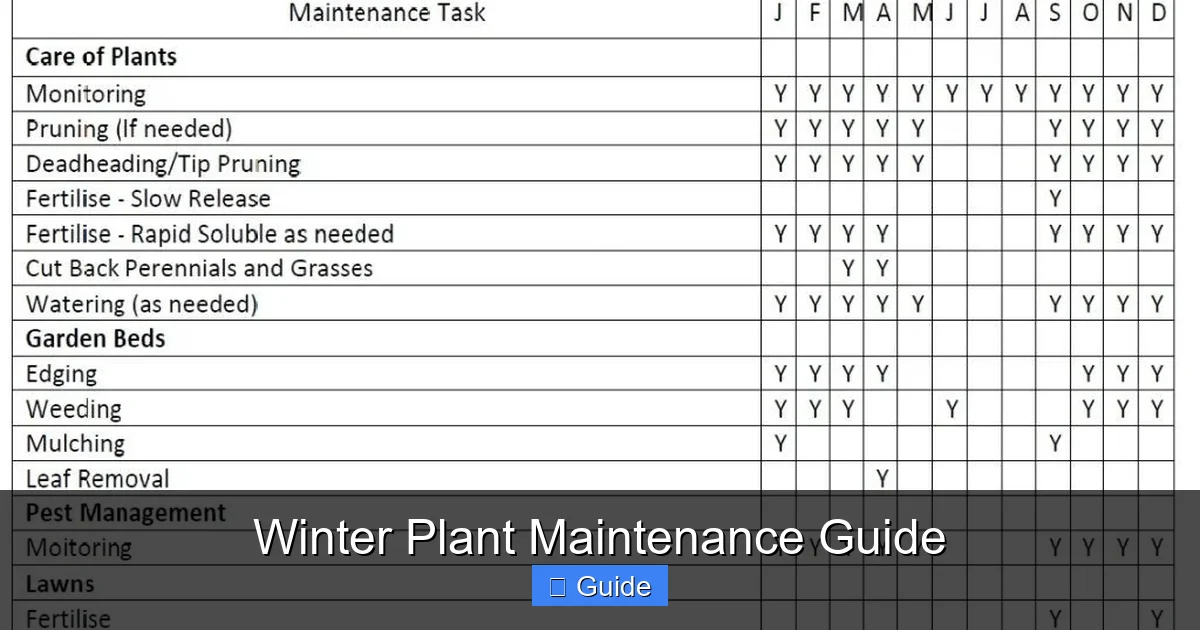
Generic advice only goes so far. Your garden has unique plants, microclimates, and challenges. Build a month-by-month calendar. Mark average first/last frost dates. Schedule: stop fertilizing, deep watering, mulch application, anti-desiccant sprays, wrap installation, winter watering checks, wrap removal, pruning windows, seed starting dates. Adjust annually based on experience. This living document becomes your most valuable garden tool. Every master gardener’s winter plant maintenance guide started as simple notes.
Document with Photos and Notes
Photograph problems, solutions, and results. Note dates, temperatures, precipitation. Record what worked and what failed. Track plant performance year over year. This data reveals patterns invisible in memory. Digital folders or a dedicated garden journal both work. The best winter plant maintenance guide for your garden is the one you write yourself through careful observation.
Connect with Local Resources
County extension offices offer free, research-based advice for your exact conditions. Master gardener programs provide volunteer expertise. Local nurseries know regional challenges. Garden clubs share hyperlocal knowledge. Online forums connect you with same-zone gardeners. No winter plant maintenance guide replaces community wisdom grounded in your specific climate.
Invest in Quality Tools and Materials
Cheap burlap shreds. Thin frost cloth tears. Flimsy tree guards collapse. Quality materials last years and protect better. Essential kit: bypass pruners (Felco or equivalent), loppers, pruning saw, soil probe, hygrometer, min/max thermometer, burlap rolls, frost cloth, tree wrap, hardware cloth, anti-desiccant spray, pebble trays, humidifier, grow lights. Build your kit over time. The right tools make winter plant maintenance guide tasks efficient rather than dreaded.
Conclusion
Winter plant care isn’t a battle against nature—it’s a partnership with seasonal rhythms. Plants have survived winters for millions of years without human help. Our role is reducing stress from conditions they didn’t evolve to handle: cultivated varieties in non-native zones, container confinement, heated indoor environments, road salt, and fragmented habitats. Every action in this winter plant maintenance guide mimics or supports natural protective mechanisms.
The gardener who mulches after the ground freezes, waters during January thaws, rotates houseplants for even light, and prunes in late February isn’t fighting winter. They’re dancing with it. The reward? A garden that greets spring with vigor, not recovery. Plants that bloom earlier, grow stronger, and resist pests better because they entered the growing season with full energy reserves.
Start where you are. Pick three practices from this guide and implement them well. Next year, add three more. Build your knowledge like you build soil—layer by layer, season by season. Your plants will thank you with the kind of growth that makes neighbors ask your secret. The secret? You followed a thoughtful winter plant maintenance guide and paid attention. That’s all gardening mastery really is.
Winter will come again. Next time, you’ll be ready.
Frequently Asked Questions
What temperature is too cold for most houseplants?
Most tropical houseplants suffer damage below 50°F (10°C). Keep them away from cold windowsills, drafty doors, and unheated rooms. Maintain consistent temperatures between 65-75°F for optimal winter health.
Can I use fallen leaves as winter mulch?
Yes, shredded leaves make excellent winter mulch. Whole leaves mat down and block air/water penetration. Run a mower over leaves first, then apply 3-4 inches after ground freezes. Oak leaves break down slowly and are ideal.
How do I know if my plant is dormant or dead?
Scratch bark with a fingernail—green tissue underneath means alive. Bend small branches; flexible indicates life, brittle snap means dead. Check for plump, firm buds. Wait until spring growth emerges before removing questionable plants.
Should I remove snow from all my plants?
Gently brush heavy snow off evergreens and shrubs with brittle branches using an upward sweeping motion. Leave snow on perennials and groundcovers—it insulates. Never shake frozen plants or attempt ice removal.
What’s the best way to store tender bulbs over winter?
Dig after frost kills foliage. Clean, cure 1-2 weeks in warm dry place. Store in peat moss or vermiculite at 40-50°F in paper bags or cardboard boxes. Check monthly for rot or shriveling. Label varieties clearly.
How often should I water succulents and cacti in winter?
Water sparingly—every 3-4 weeks for most succulents, even less for cacti. Let soil dry completely between waterings. They enter semi-dormancy and rot easily in cool, wet soil. Resume regular watering when active growth resumes in spring.