Best Grow Lights for Calathea
Calathea plants thrive under specific light conditions. The best grow lights for calathea deliver the right spectrum and intensity without burning leaves. Choose a light that mimics filtered sunlight for vibrant foliage.
Key Takeaways
- Light spectrum matters: Calathea need a balance of blue and red wavelengths for healthy leaf patterns.
- Intensity should be moderate: Too much light causes leaf curl and fading.
- LED panels are top choice: They run cool, use less power, and offer adjustable spectra.
- Distance matters: Keep lights 12 to 18 inches above the canopy for optimal results.
- Timer use ensures consistency: 12 to 14 hours of light per day mimics natural cycles.
- Monitor leaf response: Adjust height or duration if you see bleaching or curling.
- Budget options exist: Quality clip‑on LEDs can work for small collections.
Quick Answers to Common Questions
What light spectrum do Calathea prefer?
Calathea thrive under a balanced blue‑red spectrum with a slight blue bias.
How far should a grow light be from Calathea leaves?
Keep the fixture 12 to 18 inches above the canopy for optimal intensity.
Can I use a regular desk lamp for Calathea?
Standard desk lamps lack the proper spectrum and intensity; they are not recommended.
How many hours of light do Calathea need daily?
12 to 14 hours of consistent light mimics natural day length.
Do Calathea need a dark period?
Yes, a regular dark period supports their nyctinastic leaf movement and overall health.
📑 Table of Contents
Why Calathea Need Special Light
Calathea are tropical understory plants. They grow under filtered canopy light in nature. Direct sun scorches their delicate leaves. Indoor spaces rarely provide the soft, diffused light they crave. That is why many growers turn to artificial lighting. The best grow lights for calathea replicate the gentle spectrum of a forest floor. Without proper light, leaves lose their striking patterns. Growth slows and the plant becomes leggy. A good grow light solves these problems.
Light drives photosynthesis. It also influences leaf movement. Calathea fold their leaves at night. This nyctinastic movement needs a clear day‑night cue. Consistent artificial light gives that cue. It also keeps the plant’s circadian rhythm stable. The result is healthier foliage and more vivid colors.
Understanding Light Spectrum for Calathea
Blue Light Benefits
Blue wavelengths (400‑500 nm) promote compact growth. They strengthen stems and enhance leaf thickness. For Calathea, blue light keeps the plant from stretching. It also deepens the green background of the leaves.
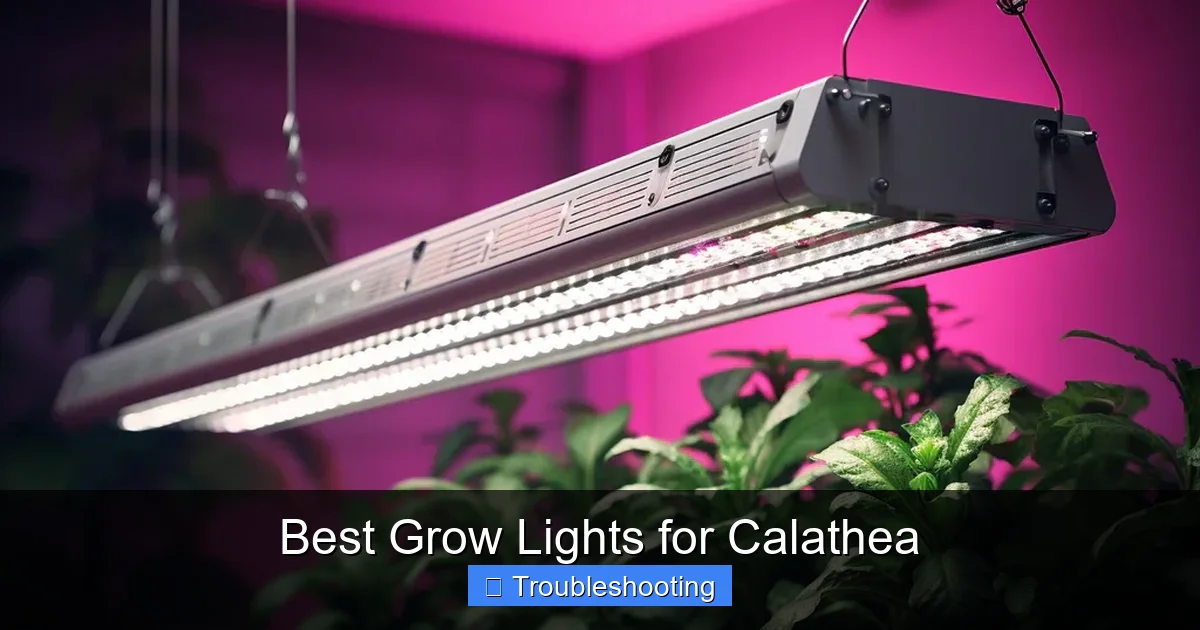
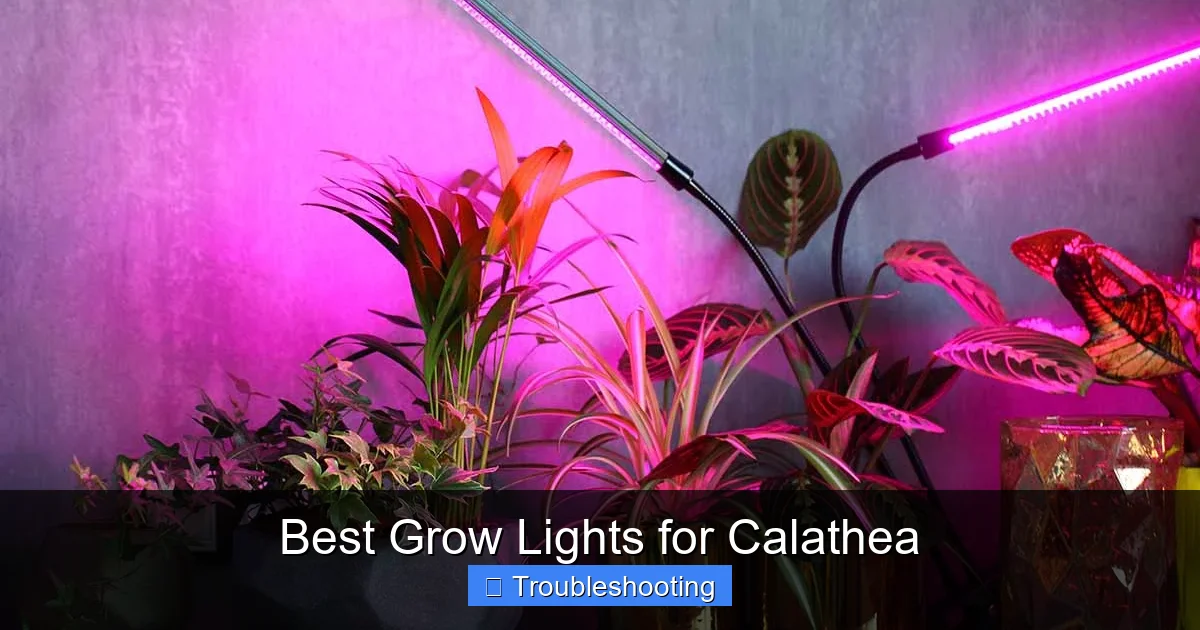
Visual guide about Best Grow Lights for Calathea
Image source: cdn.shopify.com
Red Light Benefits
Red wavelengths (600‑700 nm) encourage flowering and overall vigor. While Calathea rarely flower indoors, red light still boosts energy production. A balanced mix of blue and red creates the ideal environment.
Full Spectrum vs. Targeted Spectrum
Full‑spectrum LEDs mimic sunlight. They contain blue, green, red, and far‑red. Targeted spectrum lights focus on blue and red only. Both work, but full‑spectrum units often look more natural. The best grow lights for calathea usually offer a full spectrum with a slight blue bias.
Types of Grow Lights Compared
Fluorescent T5 Fixtures
T5 tubes are affordable and widely available. They run cooler than older T12 tubes. However, they still emit more heat than LEDs. Their spectrum is fixed unless you buy special bulbs. They work for small setups but lack dimming flexibility.
Compact Fluorescent Lamps (CFL)
CFL bulbs fit standard sockets. They are cheap and easy to install. Their light output drops quickly with distance. They also contain mercury, which requires careful disposal. Not ideal for long‑term Calathea care.
High‑Intensity Discharge (HID)
Metal halide and high‑pressure sodium lamps produce intense light. They generate a lot of heat. Calathea leaves burn easily under HID. These systems also need ballasts and ventilation. Overkill for most home growers.
LED Panels and Bars
LED technology leads the market today. Panels spread light evenly across a shelf. Bars fit tight spaces. Both run cool, use little electricity, and last 50,000 hours or more. Many models let you adjust spectrum and intensity. This makes LEDs the best grow lights for calathea in most cases.
Clip‑On and Gooseneck LEDs
Small clip‑on lights are perfect for a single plant. Gooseneck arms let you position the beam precisely. They are budget‑friendly but cover less area. Good for beginners or supplemental lighting.
Top Picks: Best Grow Lights for Calathea
1. Full‑Spectrum LED Panel (600 W Equivalent)
This panel delivers a balanced spectrum with a 4000 K white base. It includes a blue peak at 450 nm and a red peak at 660 nm. Dimmable driver lets you set 30 % to 100 % output. Coverage area 3 × 3 ft at 18 in height. Ideal for a shelf of multiple Calathea.
2. Adjustable Spectrum LED Bar (4 ft)
The bar mounts under a cabinet. Separate blue and red channels let you fine‑tune the ratio. Built‑in timer offers 12/12 or 14/10 schedules. Low profile keeps heat away from leaves. Great for narrow windowsills.
3. Clip‑On Gooseneck LED (30 W)
Compact head with 3‑mode spectrum: veg, bloom, full. Flexible neck reaches any angle. Plug‑and‑play with USB power. Perfect for a single prized Calathea orbifolia.
4. Budget T5 Fluorescent Kit (4‑tube)
Four 54 W T5 tubes in a reflective hood. Includes a simple timer. Light runs warmer than LED but still safe at 12 in distance. Good starter kit for a small collection.
5. Smart Wi‑Fi LED Panel (200 W)
App‑controlled spectrum and schedule. Voice assistant compatible. Real‑time PPFD readout on phone. Premium price but maximum convenience. Suits tech‑savvy growers who want precise control.
Setting Up Your Grow Light System
Choose the Right Location
Place the light above a stable shelf or table. Ensure the area has good airflow. Avoid corners where heat can build up. A north‑facing window spot works well for supplemental light.
Mount at Proper Height
Start with the fixture 18 inches above the tallest leaf. Measure PPFD with a cheap meter if possible. Aim for 80‑150 µmol m⁻² s⁻¹ for Calathea. Lower the light if leaves show bleaching. Raise it if growth looks stretched.
Set a Consistent Schedule
Use a timer or smart plug. 12 hours on, 12 hours off mimics equatorial day length. Some growers prefer 14 hours on for faster growth. Keep the schedule steady. Sudden changes stress the plant.
Monitor Temperature and Humidity
LEDs add little heat, but enclosed shelves can trap warmth. Aim for 65‑75 °F (18‑24 °C). Humidity 50‑60 % keeps leaf edges from crisping. A small humidifier or pebble tray helps.
Rotate Plants Weekly
Even with even light, leaves on the far side receive slightly less. Rotate each pot a quarter turn each week. This promotes symmetrical growth and prevents leaning.
Common Mistakes and How to Avoid Them
Too Much Light
Signs include washed‑out patterns, brown leaf tips, and curling. Reduce intensity or raise the fixture. A dimmer or lower wattage bulb solves the issue quickly.
Too Little Light
Leggy stems, small new leaves, and faded colors indicate deficiency. Lower the light or increase daily hours. Add a second fixture if the canopy is wide.
Wrong Spectrum
Pure red light makes leaves thin and pale. Pure blue light can stunt growth. Choose a balanced or full‑spectrum unit. The best grow lights for calathea always list their spectral distribution.
Inconsistent Timing
Random on/off cycles confuse the plant’s clock. Use a timer. Set it and forget it. Consistency yields steady growth.
Neglecting Cleanliness
Dust on lenses cuts output by up to 20 %. Wipe fixtures monthly with a soft cloth. Clean leaves gently with a damp cloth to maximize light absorption.
Ignoring Plant Feedback
Each Calathea variety reacts differently. Observe daily. Adjust one variable at a time. Patience pays off with vibrant, healthy foliage.
Conclusion
Finding the best grow lights for calathea is a game‑changer for indoor plant lovers. Calathea demand gentle, balanced light that mimics their native forest floor. LED technology now offers affordable, cool, and customizable options that meet those needs. Start with a full‑spectrum panel or adjustable bar. Mount it at the right height. Run a consistent 12‑ to 14‑hour schedule. Watch your plants closely and tweak as needed. With the right light, your Calathea will reward you with stunning patterns, rich colors, and vigorous growth. Happy growing!
Frequently Asked Questions
What makes a grow light the best for Calathea?
A light that offers a full spectrum with adjustable intensity, runs cool, and covers the plant canopy evenly is ideal for Calathea.
Are LED grow lights safe for Calathea?
Yes, LEDs emit little heat and provide the precise spectrum Calathea need, making them very safe.
Can I use a single clip‑on light for multiple Calathea?
A single clip‑on works for one plant; for several plants a panel or bar gives more even coverage.
How do I know if my Calathea gets too much light?
Leaf bleaching, brown tips, and curling indicate excess light; raise or dim the fixture.
Is a timer necessary for grow lights?
A timer ensures a consistent photoperiod, which is crucial for Calathea health and leaf rhythms.
What budget options exist for Calathea lighting?
Affordable T5 fluorescent kits or basic clip‑on LEDs can work well for small collections.