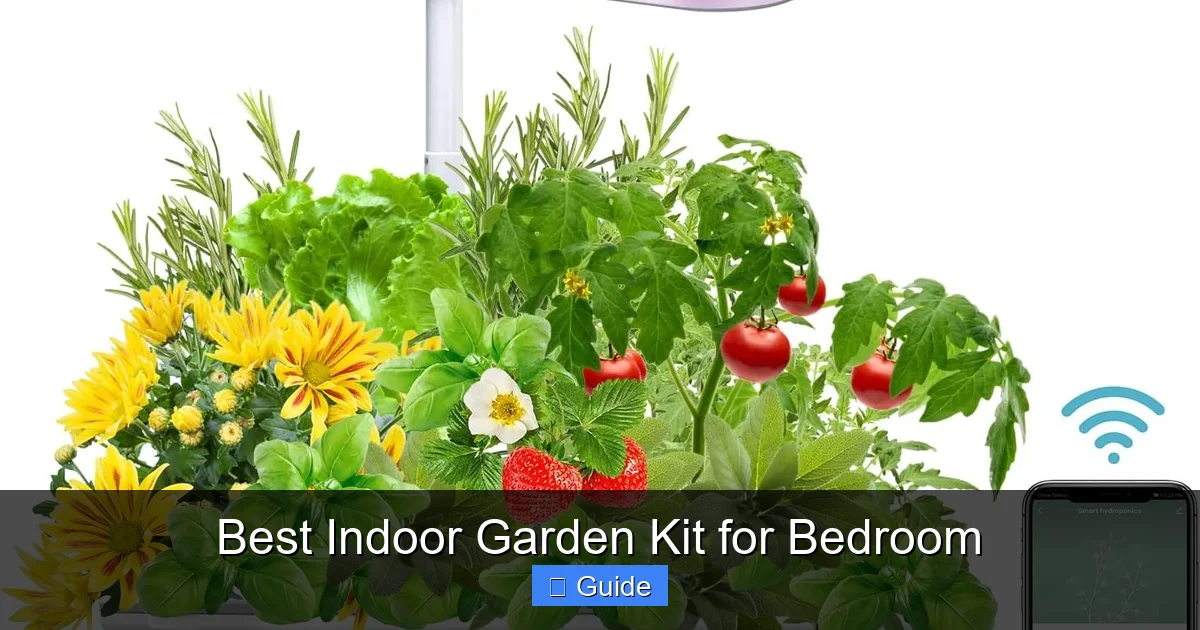
Best Indoor Garden Kit for Bedroom
Finding the best indoor garden kit for bedroom use transforms your sleeping space into a fresh, green sanctuary. These compact systems let you grow herbs, vegetables, and flowers without soil, using LED lights and automated watering for effortless harvests year-round.
Have you ever wished you could pluck fresh basil for your pasta or snip crisp lettuce for a sandwich without leaving your bedroom? The best indoor garden kit for bedroom spaces makes this dream a reality. These clever systems turn even the tiniest sleeping quarters into productive growing zones. You get fresh produce, cleaner air, and a calming green view right from your pillow.
I started my indoor gardening journey three years ago with a single herb pod on my nightstand. Today, I harvest cherry tomatoes, kale, and edible flowers from a compact hydroponic unit that sits quietly beside my bed. The difference in my cooking, my air quality, and even my mood has been remarkable. Let me walk you through everything you need to know to pick the perfect setup for your space.
Key Takeaways
- Space efficiency matters: Choose a kit that fits your nightstand, dresser, or windowsill without crowding your room.
- Light spectrum is crucial: Full-spectrum LED grow lights mimic sunlight and support healthy plant growth in low-light bedrooms.
- Automated features save time: Self-watering systems and smart timers reduce maintenance to just minutes per week.
- Hydroponic systems grow faster: Soil-free kits deliver nutrients directly to roots, producing harvests up to 5 times quicker than traditional gardening.
- Noise levels affect sleep: Pick ultra-quiet pumps and fans so your garden doesn’t disturb your rest.
- Plant variety expands options: Look for kits that support herbs, leafy greens, cherry tomatoes, and even small flowers.
- Smart connectivity adds convenience: App-controlled gardens let you monitor growth and adjust settings from your phone.
Quick Answers to Common Questions
What is the best indoor garden kit for bedroom beginners?
The Click and Grow Smart Garden 3 or AeroGarden Harvest are ideal for beginners. They’re affordable, automated, and nearly foolproof with pre-seeded pods and reminder lights.
How much electricity does a bedroom garden kit use?
Most countertop kits use 20 to 40 watts. Running 16 hours daily costs about $2 to $5 per month depending on your electricity rate.
Can I grow tomatoes in a bedroom garden kit?
Yes, but choose dwarf or micro varieties like “Tiny Tim” or “Micro Tom.” You’ll need a kit with at least 12 inches of grow height and strong 30+ watt LEDs.
Do indoor garden kits attract bugs in the bedroom?
Hydroponic systems rarely attract pests. Soil-based kits may get fungus gnats. Prevent issues by using sterile media, avoiding overwatering, and adding sticky traps.
How often do I need to refill water in a bedroom garden?
Most reservoirs last 2 to 4 weeks. Smart kits alert you via app. Check weekly regardless. Fruiting plants drink more than herbs.
📑 Table of Contents
- Why Bring a Garden Into Your Bedroom
- Understanding Different Types of Indoor Garden Kits
- Essential Features to Compare
- Top Picks for Different Bedroom Scenarios
- Setting Up Your Bedroom Garden for Success
- What to Grow in Your Bedroom Garden
- Maintenance Routines That Work
- Troubleshooting Common Bedroom Garden Issues
- Budgeting for Your Indoor Garden
- Creating a Bedroom Garden Aesthetic
- Advanced Tips for Bedroom Gardeners
- Conclusion
Why Bring a Garden Into Your Bedroom
Fresh Air While You Sleep
Plants act as natural air purifiers. They absorb carbon dioxide and release oxygen during photosynthesis. Some varieties also filter common indoor pollutants like formaldehyde and benzene. A small garden kit adds a measurable boost to your bedroom air quality. You breathe easier all night long.
Mental Health Benefits
Greenery reduces stress. Studies show that simply looking at plants lowers cortisol levels and blood pressure. Tending to a garden provides a calming ritual before bed. The soft glow of grow lights creates a soothing ambiance. Many people find the gentle hum of a hydroponic system works like white noise for better sleep.
Convenience at Your Fingertips
Imagine waking up and snipping fresh mint for your morning tea. Or grabbing a handful of arugula for a midnight salad. The best indoor garden kit for bedroom use puts hyper-local food production right beside your bed. No grocery runs. No wilted store-bought herbs. Just fresh flavor whenever you want it.
Year-Round Growing Regardless of Weather
Outdoor gardens sleep in winter. Indoor gardens don’t know seasons. With controlled light, temperature, and nutrients, you harvest continuously. Fresh strawberries in January? Yes. Basil in a blizzard? Absolutely. Your bedroom becomes a perpetual spring.
Understanding Different Types of Indoor Garden Kits
Hydroponic Systems
Hydroponics grows plants in nutrient-rich water instead of soil. Roots dangle directly in the solution or sit in an inert medium like rockwool or clay pebbles. These systems deliver nutrients precisely. Plants grow 30 to 50 percent faster than in soil. They use 90 percent less water. Most modern countertop kits use this method.
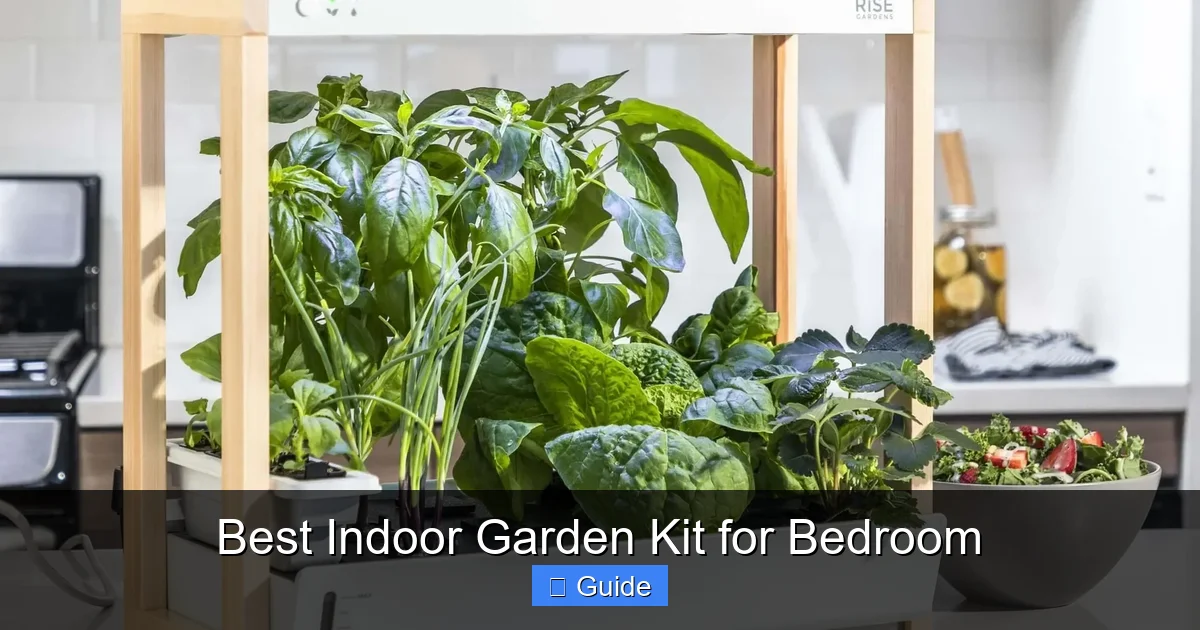
Visual guide about Best Indoor Garden Kit for Bedroom
Image source: pyxis.nymag.com
Aeroponic Systems
Aeroponics suspends roots in air and mists them with nutrient solution. This maximizes oxygen exposure. Growth rates are the fastest of any method. However, these systems cost more and require more precise maintenance. They suit experienced growers who want maximum yields in minimal space.
Soil-Based Smart Pots
These look like traditional planters but include built-in water reservoirs and wicking systems. Some add LED lights. They feel familiar to outdoor gardeners. The learning curve is gentle. However, soil can attract fungus gnats in bedrooms. Growth is slower than hydroponics.
Aquaponic Systems
Aquaponics combines fish and plants in a symbiotic loop. Fish waste feeds plants. Plants filter water for fish. These create fascinating miniature ecosystems. But they need more space, more maintenance, and careful balancing. Most bedroom gardeners find them too complex for a start.
Vertical Wall Gardens
Vertical systems mount on walls or stand as towers. They maximize growing area in minimal floor space. Great for bedrooms with empty wall space. Some use pockets of soil. Others use hydroponic channels. Light distribution can be tricky on vertical surfaces.
Essential Features to Compare
Grow Light Quality and Coverage
Light is the engine of indoor growth. Look for full-spectrum LEDs that provide both blue light for vegetative growth and red light for flowering and fruiting. Wattage matters less than PPFD (photosynthetic photon flux density). Aim for at least 200 to 400 micromoles per square meter per second at plant canopy level. Adjustable height arms let you raise lights as plants grow.
Automated Watering and Nutrient Delivery
The best indoor garden kit for bedroom convenience includes self-watering reservoirs. Large tanks last two to four weeks between refills. Float valves or sensors maintain optimal water levels. Some advanced kits dose liquid nutrients automatically based on plant stage. This prevents the number one killer of indoor gardens: forgetfulness.
Size and Footprint
Measure your available space before buying. Nightstand models typically measure 12 by 6 inches. Countertop units run 18 by 12 inches. Floor towers need 24 by 24 inches. Height matters too. Some kits extend to 24 inches tall with lights raised. Ensure you have clearance above your chosen spot.
Noise Level
Bedrooms demand silence. Pump noise ranges from whisper-quiet (20 decibels) to noticeable hum (45 decibels). Aeroponic misters can hiss. Fans for air circulation add sound. Read reviews specifically mentioning bedroom use. If possible, watch video reviews with audio to judge for yourself.
Plant Capacity and Pod Spacing
Pod count ranges from 3 to 30. More pods mean more harvest but tighter spacing. Crowded plants compete for light and airflow. This invites mold and leggy growth. For herbs and lettuce, 3 to 4 inches between pods works. For tomatoes and peppers, you need 6 to 8 inches. Match capacity to your crop plans.
Smart Features and Connectivity
WiFi or Bluetooth connectivity lets you monitor water levels, light schedules, and nutrient status from your phone. Apps send refill reminders. Some adjust light intensity based on plant type. Others offer growth timelapse videos. These features cost more but dramatically reduce guesswork for beginners.
Ease of Cleaning and Maintenance
You’ll need to clean the reservoir, wipe lights, and sanitize between grow cycles. Removable parts help. Dishwasher-safe components are a bonus. Smooth surfaces with few crevices prevent algae buildup. Some kits include cleaning brushes and sanitizing solutions. Factor in 15 minutes of maintenance every two weeks.
Top Picks for Different Bedroom Scenarios
Best Overall: Click and Grow Smart Garden 9
This Estonian-designed unit balances beauty, performance, and simplicity. Nine plant pods sit in a sleek white frame with an integrated LED arm. The proprietary “Smart Soil” pods come pre-seeded with over 75 plant varieties. No liquid nutrients needed. The 1.3-gallon reservoir lasts three weeks. Light runs 16 hours on, 8 hours off automatically. It’s nearly silent. The app tracks growth stages. At 24 by 12 by 18 inches, it fits most dressers. Price sits around $200. Replacement pods cost $2 to $3 each.
Best Budget Option: AeroGarden Harvest
The Harvest model from AeroGarden delivers six pods for under $100 on sale. The 20-watt LED arm adjusts to 12 inches. The control panel reminds you to add water and nutrients. It’s louder than premium models but still bedroom-acceptable at 30 decibels. The footprint is 11 by 8 inches. You get a starter herb kit. Pods cost $15 for a 6-pack. Great for testing the waters before investing more.
Best for Small Spaces: Gardyn Home Kit 2.0
Gardyn grows 30 plants in a 2-foot by 1-foot floor footprint. The vertical tower design uses hybrid aeroponics. Two full-spectrum LED bars run the height. Cameras and AI monitor plant health. The app suggests harvest times and recipes. It’s pricey at $700 but replaces a grocery store produce aisle. Noise is a gentle trickle. Requires a corner with 5 feet of vertical clearance.
Best for Herbs Only: Rise Gardens Personal Rise Garden
This single-level hydroponic tray holds 12 pods in a beautiful wood-and-metal frame. The 12-inch LED panel mimics sunrise and sunset. The 1.5-gallon tank hides in the base. The app creates custom nutrient schedules for each plant type. It’s stunning enough for open display. At $350, it’s a furniture piece that feeds you. Dimensions: 18 by 12 by 16 inches.
Best High-Tech: Lettuce Grow Farmstand Nook
The Nook shrinks the famous Farmstand tower to countertop size. Twenty plants grow in a self-watering, self-fertilizing loop. The app uses plant recognition to guide care. Subscription seedlings arrive ready to transplant. It’s the closest to “set and forget.” Price starts at $350 plus $40 monthly for seedlings. Footprint: 18 inches diameter, 24 inches tall.
Best DIY-Friendly: IKEA VÄXER / KRYDDA Series
IKEA’s modular system lets you build custom setups. Buy the LED cultivation light ($30), the hydroponic insert ($15), and the nursery trays ($5 each). Mix and match on any shelf. No app. No automation. Total cost for a 12-plant setup runs $80. You manage water and nutrients manually. Perfect for hands-on learners who want flexibility.
Setting Up Your Bedroom Garden for Success
Choosing the Right Location
Place your kit near an outlet but away from direct heat vents or drafty windows. Stable temperatures between 65 and 75 degrees Fahrenheit suit most crops. Avoid spots where pets or partners might knock it over. A sturdy dresser, desk, or dedicated plant stand works. Ensure the surface is level and water-resistant. Use a silicone mat underneath for extra protection.
Managing Light Cycles for Sleep Harmony
Most kits run lights 14 to 16 hours daily. Schedule the dark period to match your sleep schedule. If you sleep at 11 PM, set lights off at 10 PM. The gradual dimming feature on premium models mimics sunset. This prevents sudden brightness changes. Some gardeners use the grow light as a reading lamp before bed. The full spectrum is easier on eyes than blue-heavy screens.
Starting Seeds vs. Buying Seedlings
Seeds cost pennies but take two to three weeks to reach transplant size. Seedlings give you a head start but cost $3 to $5 per plant. Most pod systems use proprietary seed pods. You can buy empty pods and add your own seeds. This saves money long-term. Germination rates vary. Plant two to three seeds per pod and thin to the strongest.
Water Quality Matters
Tap water works for most systems. But hard water causes mineral buildup. Chlorine can harm beneficial microbes. Let tap water sit 24 hours to off-gas chlorine. Or use a simple carbon filter pitcher. Distilled water lacks minerals plants need. Reverse osmosis water needs remineralization. Test your water with a $15 TDS meter. Aim for 100 to 300 PPM for most crops.
Nutrient Management Basics
Hydroponic nutrients come in two or three parts. Part A and Part B must never mix in concentrated form. Always add to water separately. Follow the manufacturer’s schedule. Most use a “grow” formula for leaves and a “bloom” formula for fruits. EC (electrical conductivity) meters help you measure strength. Start at half strength for seedlings. Increase gradually.
Air Circulation and Humidity
Stagnant air invites powdery mildew and weak stems. A small clip-on fan on low setting runs 15 minutes per hour. This strengthens plants and prevents fungal issues. Bedroom humidity often runs 30 to 40 percent. Most herbs prefer 50 to 60 percent. A small humidifier nearby helps. Group plants to create a microclimate. Mist leaves occasionally with a spray bottle.
What to Grow in Your Bedroom Garden
Easy Starter Herbs
Basil, mint, parsley, cilantro, chives, and thyme thrive in indoor systems. They tolerate lower light. They regrow after cutting. Harvest weekly for continuous supply. Mint spreads aggressively. Give it its own pod or it will choke neighbors. Pinch flowers off herbs to keep leaves tender. Dry or freeze excess for winter cooking.
Leafy Greens for Daily Salads
Butterhead lettuce, romaine, arugula, spinach, kale, and Swiss chard grow fast. Harvest outer leaves and the center keeps producing. This “cut and come again” method yields for months. Greens prefer cooler temperatures. Keep your bedroom under 72 degrees for best flavor. Heat makes them bolt and turn bitter.
Compact Fruiting Plants
Cherry tomatoes, mini peppers, and strawberries work in larger kits. Choose determinate or dwarf varieties. “Tiny Tim” tomatoes stay under 12 inches. “Lizzano” cascades beautifully. Peppers need 14+ hours of strong light. Hand-pollinate flowers with a small brush. Fruiting plants drink heavily. Check water daily.
Check reservoir every two days during fruiting.
Edible Flowers for Beauty and Flavor
Nasturtiums, pansies, calendula, and borage add color to plates and rooms. They attract beneficial insects if you ever move plants outdoors. Most need good airflow to prevent botrytis. Harvest flowers in the morning when oils peak. Use within hours for best flavor. Freeze in ice cubes for fancy drinks.
Microgreens for Nutrient Density
Microgreens harvest in 7 to 14 days. They contain 4 to 40 times more nutrients than mature leaves. Grow them in shallow trays on top of your main unit. Sunflower, radish, pea shoots, and broccoli are popular. They need less light intensity. Rotate trays daily for even growth. Wash gently before eating.
Maintenance Routines That Work
Daily Checks (2 Minutes)
Glance at water level. Top off if below the “min” line. Check for wilted or yellowing leaves. Remove them immediately. Ensure lights are on during scheduled hours. Listen for unusual pump sounds. Smell for any off odors. Healthy systems smell earthy and fresh.
Weekly Tasks (10 Minutes)
Test water pH with strips or a digital meter. Target 5.5 to 6.5 for most hydroponic crops. Adjust with pH up or down solutions. Check nutrient strength with EC meter if you have one. Wipe dust off LED panels with a microfiber cloth. Dust blocks light. Inspect roots through pod holes. White and fuzzy is good. Brown and slimy means trouble.
Bi-Weekly Deep Clean (20 Minutes)
Drain the reservoir completely. Rinse with diluted hydrogen peroxide (1 tablespoon per gallon). Scrub algae from tank walls. Clean pump intake filter. Refill with fresh water and nutrients. This prevents salt buildup and pathogen growth. Rotate plant positions for even light exposure. Prune any overcrowding growth.
Between Grow Cycles (30 Minutes)
When a plant finishes, remove the pod. Sanitize the grow deck with 10 percent bleach solution. Rinse thoroughly. Soak pump in vinegar solution to dissolve mineral deposits. Replace any cracked or brittle tubing. Update firmware on smart systems. Plan your next crop rotation. Avoid planting the same family in the same spot repeatedly.
Troubleshooting Common Bedroom Garden Issues
Leggy, Pale Seedlings
This means insufficient light. Lower the LED panel. Increase daily light hours to 18. Ensure no shadows from neighboring plants. Check that LEDs haven’t dimmed with age. Most rated for 25,000 hours. That’s about 3 years at 16 hours daily. Replace panels proactively.
Yellowing Lower Leaves
Usually nitrogen deficiency or natural aging. If only bottom leaves yellow, it’s normal. Plants shed old leaves. If new growth yellows, check pH. Lockout occurs outside 5.5 to 6.5 range. Add nitrogen-rich nutrient. Ensure roots have oxygen. Overwatering in soil systems causes this too.
White Powder on Leaves
Powdery mildew. Increase airflow. Reduce humidity. Remove affected leaves. Spray with potassium bicarbonate solution (1 teaspoon per quart water). Neem oil works preventatively. Space plants further apart. Run fan more frequently. Avoid wetting leaves during watering.
Fungus Gnats Flying Around
These love moist soil surfaces. Let top inch dry between waterings. Add yellow sticky traps. Apply beneficial nematodes to soil. Cover soil with sand or diatomaceous earth. In hydroponics, they breed in algae. Keep reservoir dark. Clean more frequently. Mosquito bits in water kill larvae.
Root Rot (Brown, Mushy Roots)
Caused by low oxygen in water. Ensure pump runs on schedule. Add air stone if system allows. Reduce water temperature below 72 degrees. Beneficial bacteria products like Hydroguard prevent recurrence. Remove all affected roots. Sterilize system before restarting.
Plants Not Flowering or Fruiting
Check light spectrum. Need more red light for flowering. Reduce nitrogen, increase phosphorus and potassium. Ensure dark period is truly dark. Light leaks prevent flowering. Hand-pollinate indoor flowers. Shake plants gently or use a brush. Some varieties need specific day lengths.
Budgeting for Your Indoor Garden
Initial Investment Ranges
Entry-level kits: $60 to $120. Mid-range: $150 to $350. Premium smart systems: $400 to $800. Commercial-grade: $1000+. The best indoor garden kit for bedroom use typically falls in the mid-range. You pay for automation, light quality, and aesthetics. DIY builds can match mid-range performance for entry-level cost.
Ongoing Costs
Electricity: $2 to $8 monthly depending on wattage and local rates. Nutrients: $10 to $20 per quarter. Seeds or pods: $15 to $50 per quarter. Replacement parts (pumps, lights): $20 to $50 annually. Water: negligible. Total yearly operating cost: $100 to $300. Compare to $50+ monthly for equivalent organic produce.
Cost-Saving Strategies
Buy nutrients in concentrate gallons. Make your own seed pods with rockwool and bulk seeds. Clone plants from cuttings instead of buying new. Join seed swaps. Use rainwater or filtered tap water. Repair instead of replace. Share harvests with neighbors for trade. The first year costs most. Subsequent years drop 40 to 60 percent.
Return on Investment Calculation
A $250 kit growing $30 monthly in herbs and greens breaks even in 8 months. Add value of fresher nutrition, mental health benefits, and reduced food waste. Most gardeners report the hobby pays for itself within a year. The learning curve is the real cost. Expect some failed crops early on. Budget for experimentation.
Creating a Bedroom Garden Aesthetic
Integrating With Your Decor
Modern kits come in white, black, wood, and metallic finishes. Choose one that echoes your furniture. The Rise Garden looks like mid-century modern. Click and Grow fits Scandinavian minimal. AeroGarden leans utilitarian. Gardyn makes a sculptural statement. Place on a matching stand or shelf for cohesion.
Lighting as Ambiance
Grow lights double as mood lighting. The warm-white spectrum creates cozy evenings. Some kits offer “reading mode” with dimmer, warmer output. Position so light washes a wall for indirect glow. Avoid direct glare in your eyes when lying in bed. Use a timer to fade lights out at bedtime.
Displaying Your Harvest
Keep a pretty ceramic bowl on your nightstand for daily picks. A small vase holds edible flowers. A magnetic knife strip on the headboard holds herb scissors. A chalkboard label tracks what’s growing where. Make the garden part of your morning ritual. Visibility increases engagement and care.
Managing Cords and Clutter
Use cord clips to route power cables along furniture edges. Velcro ties bundle excess length. A decorative box hides the power strip. Choose kits with integrated reservoirs to minimize external tubing. Battery-operated timers eliminate one cord. Wireless sensors reduce clutter further.
Advanced Tips for Bedroom Gardeners
Succession Planting for Continuous Harvest
Don’t plant all pods at once. Stagger by two weeks. As one plant finishes, the next reaches peak. This smooths your harvest curve. Keep a calendar or app note. Rotate plant families to prevent disease buildup. Leafy greens after fruiting crops. Herbs after greens. Legumes (peas) fix nitrogen for next cycle.
Companion Planting in Pods
Some plants help neighbors. Basil near tomatoes improves flavor and repels pests. Chives deter aphids from lettuce. Marigolds suppress nematodes. In hydroponics, root exudates still interact. Avoid allelopathic combinations. Fennel inhibits most neighbors. Mint overwhelms everything. Research before mixing.
Using CO2 Enhancement
Plants love elevated CO2. Bedrooms naturally rise to 800 to 1000 PPM at night with doors closed. This benefits growth. Don’t supplement CO2 in sleeping spaces. Safety risk. Just keep the door closed at night. Open for fresh air in morning. The natural cycle works perfectly.
Experimenting with Exotic Crops
Try wasabi arugula, shiso, lemon verbena, or alpine strawberries. Micro dwarf tomatoes like “Micro Tom” fruit at 6 inches. Baby bok choy matures in 30 days. Edible chrysanthemum greens taste amazing. The controlled environment lets you grow things your climate never could. Keep a garden journal. Note what thrives.
Sharing the Experience
Gift herb cuttings in water jars. Host a salad party with bedroom-grown greens. Teach kids about plant cycles. Donate excess to neighbors. Post progress photos online. The community around indoor gardening is incredibly supportive. You’ll learn tricks from strangers that no manual covers.
Conclusion
Bringing the best indoor garden kit for bedroom use into your sleep space changes more than your decor. It changes your relationship with food, with nature, and with your own daily rhythms. You become a creator, not just a consumer. The first time you taste a tomato warmed by your own grow lights in January, you’ll understand.
Start small if you’re unsure. A six-pod herb kit costs less than a nice dinner out. The risk is minimal. The reward is daily fresh flavor, cleaner air, and a living connection to the seasons even when snow covers the ground. Your bedroom becomes a sanctuary in the truest sense. A place of rest, yes. But also a place of growth.
Choose a kit that fits your space, your budget, and your curiosity. Set it up with care. Tend it with attention. Harvest with gratitude. And when you lie down at night beside the gentle glow of your garden, you’ll sleep better knowing something beautiful is growing right beside you.
Frequently Asked Questions
What size indoor garden kit fits on a standard nightstand?
Look for kits under 12 inches wide and 8 inches deep. The Click and Grow Smart Garden 3 (12×5 inches) and AeroGarden Sprout (11×8 inches) fit most nightstands with room for a lamp and phone.
Will grow lights disturb my sleep if the garden is in my bedroom?
Not if you schedule the light-off period during your sleep hours. Most kits run 16 hours on, 8 hours off. Set the dark cycle to match your bedtime. Premium models dim gradually like sunset.
Can I use my own seeds instead of buying proprietary pods?
Yes. Most systems sell empty grow sponges or baskets. Add your own seeds to rockwool, peat pods, or coconut coir. This saves money and lets you grow unusual varieties not sold as pods.
How do I prevent algae growth in my bedroom hydroponic system?
Keep the reservoir opaque. Light causes algae. Cover unused pod holes. Clean the tank every two weeks with diluted hydrogen peroxide. Beneficial bacteria products also suppress algae naturally.
What happens if the power goes out while I’m sleeping?
Plants survive 24 to 48 hours without light or pump circulation. Roots stay moist in the medium. When power returns, the timer resumes its schedule. No manual reset needed on most smart kits.
Is it safe to run a hydroponic system near my bed?
Yes. Modern kits use low-voltage pumps (12V or 24V) with UL-listed power supplies. No shock risk. Water stays contained. Choose a kit with a stable base and place on a waterproof mat for extra safety.