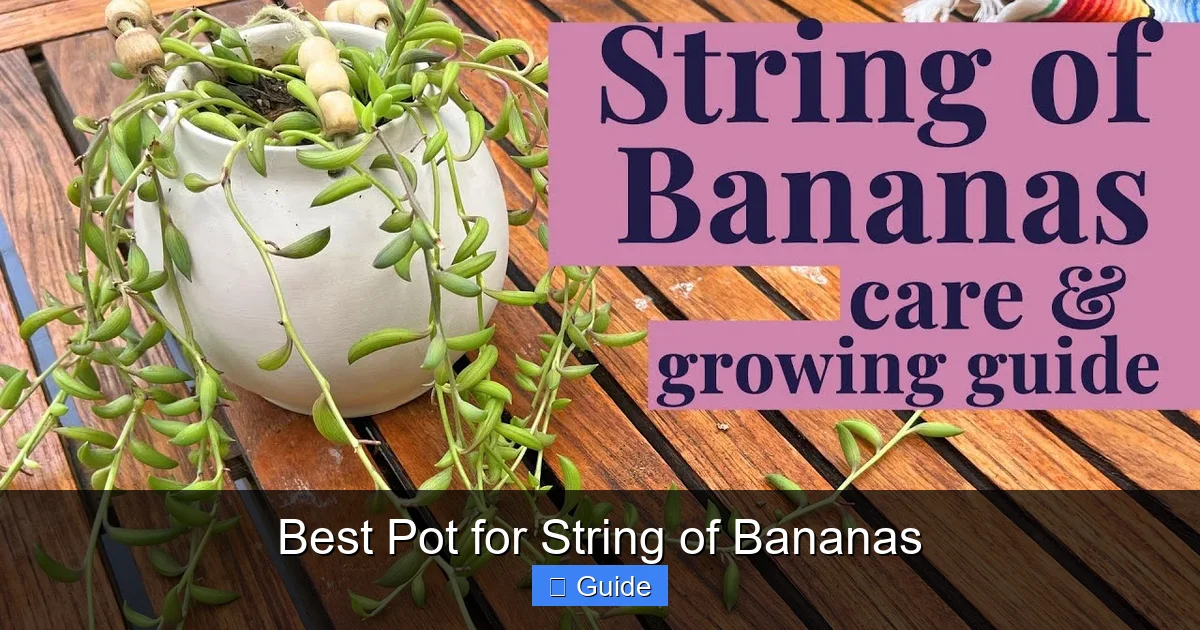
Best Pot for String of Bananas
Choosing the right pot for your string of bananas is crucial for preventing root rot and encouraging lush growth. This guide covers everything from drainage needs and pot materials to sizing and repotting techniques. Find the perfect container to keep your trailing succulent thriving for years.
If you have fallen in love with the quirky, banana-shaped leaves of Senecio radicans, you are not alone. This trailing succulent has stolen the spotlight on plant shelves everywhere. But here is the thing nobody tells you at the checkout counter: the pot you choose matters just as much as the light you give it. The best pot for string of bananas is not just about aesthetics. It is about survival.
I learned this the hard way with my first string of bananas. I picked a gorgeous ceramic pot with no drainage holes because it matched my decor. Three weeks later, my plant turned to mush. Root rot does not care about your interior design dreams. Since then, I have tested dozens of containers, materials, and setups. Today, I want to share everything I know so you can skip the heartbreak and go straight to a thriving, cascading curtain of green bananas.
Key Takeaways
- Drainage is non-negotiable: Your string of bananas pot must have drainage holes to prevent waterlogged soil and root rot.
- Terracotta wins for breathability: Unglazed clay pots allow moisture to evaporate through the walls, ideal for succulent health.
- Size matters more than you think: Choose a pot only 1-2 inches larger than the root ball to avoid excess soil holding moisture.
- Shallow beats deep: String of bananas has shallow roots, so wide, shallow containers work better than deep ones.
- Repot every 2-3 years: Refresh soil and check root health during spring repotting for continued vigorous growth.
- Material affects watering frequency: Plastic and glazed pots retain moisture longer, requiring less frequent watering than terracotta.
- Hanging pots need special consideration: Ensure hanging containers have secure drainage and aren’t too heavy when watered.
Quick Answers to Common Questions
What is the absolute best pot material for string of bananas?
Unglazed terracotta is widely considered the best material because its porous walls allow moisture to evaporate evenly, preventing root rot and mimicking the plant’s natural rocky habitat.
Can I use a pot without drainage holes if I add rocks at the bottom?
No, adding rocks creates a perched water table that keeps the soil above it soggy. Drainage holes are essential. Drill holes in decorative pots or use them as cachepots with a nursery pot inside.
How big should the pot be for my string of bananas?
Choose a pot only 1-2 inches wider than the current root ball. String of bananas has shallow roots and prefers wide, shallow containers over deep ones to prevent waterlogging.
How often should I repot my string of bananas?
Repot every 2-3 years in spring, or when roots circle the pot bottom. Fresh soil replenishes nutrients and lets you inspect root health. Only go up one pot size at a time.
Can I plant string of bananas in a hanging glass terrarium?
Glass terrariums rarely have drainage and trap humidity, which causes rot. If you love the look, use an open-top glass bowl with drainage holes drilled in the bottom, or keep the plant in a nursery pot inside the glass.
📑 Table of Contents
- Why Pot Choice Makes or Breaks Your String of Bananas
- Terracotta: The Gold Standard for Succulents
- Ceramic and Glazed Pots: Beauty with Caveats
- Plastic Pots: Lightweight and Practical
- Concrete and Stone: Trendy but Tricky
- Hanging Pots: Special Considerations for Trailing Plants
- Pot Size: The Goldilocks Principle
- Soil and Pot: The Partnership That Matters
- Repotting Your String of Bananas: Step by Step
- Common Pot Problems and How to Fix Them
- Creative Pot Ideas for String of Bananas
- Seasonal Pot Care Adjustments
- Budget-Friendly vs. Investment Pots
- Troubleshooting: Is It the Pot or the Care?
- Conclusion: Your Perfect Pot Awaits
Why Pot Choice Makes or Breaks Your String of Bananas
Let us start with the basics. String of bananas is a succulent. Like all succulents, it stores water in its leaves and stems. Its native habitat in South Africa features rocky, well-draining soil and periods of drought followed by heavy rain. The roots are designed to grab water fast and then dry out. They are not designed to sit in soggy soil.
When you put this plant in the wrong pot, you create a swamp. The roots suffocate. Fungal pathogens move in. Before you know it, the stems turn black and mushy at the soil line. The whole plant collapses. This is why the best pot for string of bananas always, always has drainage holes. No exceptions. No “I’ll just add rocks at the bottom.” That is a myth that kills plants.
The Root System You Cannot See
Understanding the root structure helps you pick the right container. String of bananas develops a relatively shallow, fibrous root system. It spreads horizontally more than vertically. In nature, these roots creep across rocky ground, anchoring the plant as it trails. They do not need a deep pot. In fact, a deep pot works against you because the soil at the bottom stays wet longer than the roots can reach.
This means wide and shallow beats tall and narrow every time. A wide pot gives the roots room to spread. It also provides stability for a plant that gets top-heavy as those trails grow longer. When you are shopping, look for bowls, azalea pots, or shallow planters rather than standard deep nursery pots.
How Pot Material Changes Your Care Routine
The material of your pot dictates how fast the soil dries out. This changes how often you water. It changes your whole relationship with the plant. Let me break down the main options so you can decide what fits your lifestyle.
Terracotta: The Gold Standard for Succulents
If you ask any succulent collector about the best pot for string of bananas, terracotta will be their first answer. Unglazed clay is porous. Water evaporates through the walls of the pot, not just the top of the soil. This creates a gentle, even drying pattern that mimics the plant’s natural environment.
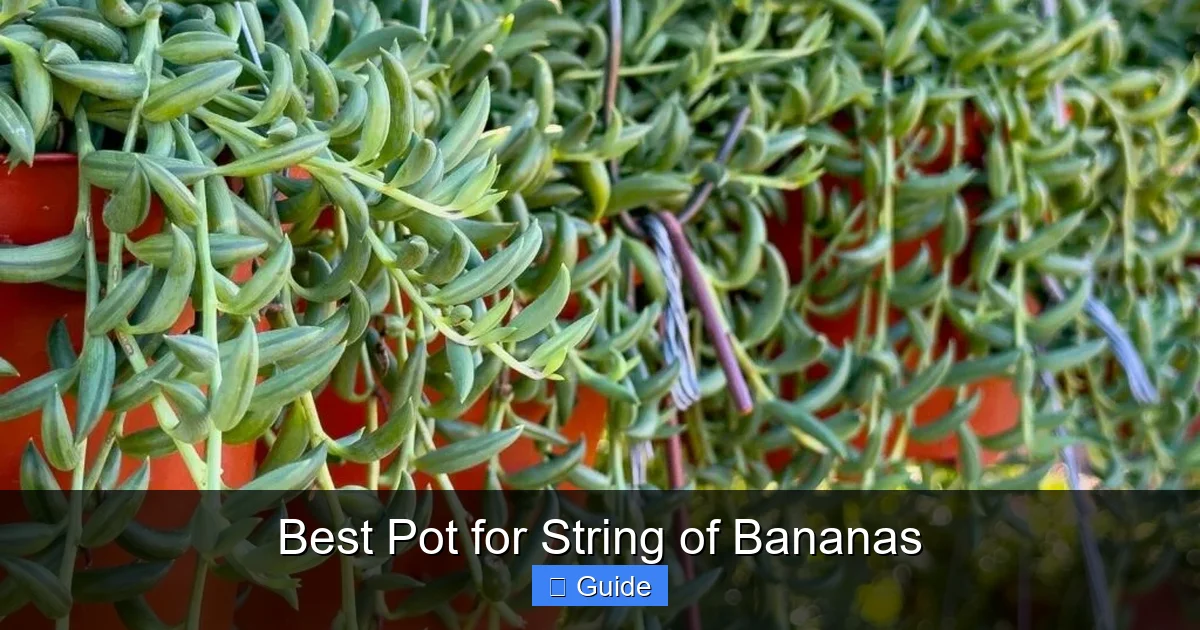
Visual guide about Best Pot for String of Bananas
Image source: positivebloom.com
Why Terracotta Works So Well
Terracotta pulls excess moisture away from the root zone. This dramatically reduces the risk of root rot. It also prevents salt buildup from fertilizer because the minerals leach out with the evaporating water. You will often see a white crust on the outside of old terracotta pots. That is fertilizer salts leaving the soil. Your roots thank you for it.
Another bonus: terracotta is heavy. A mature string of bananas with long trails can get surprisingly top-heavy. A lightweight plastic pot tips over. Terracotta stays put. The weight also provides stability if you have pets or kids who brush past your plants.
The Downsides to Consider
Terracotta dries out fast. In summer heat, you might water every three to four days. If you travel often or forget to check your plants, this can be a problem. The pots also break if dropped. And that white mineral crust? Some people hate the look. You can scrub it off, but it comes back.
New terracotta pots can wick water so aggressively that they dehydrate a freshly repotted plant. Always soak a new terracotta pot in water for an hour before adding soil. This saturates the clay pores so they do not steal moisture from your plant’s root ball during those critical first weeks.
Ceramic and Glazed Pots: Beauty with Caveats
Glazed ceramic pots are everywhere. They come in every color, pattern, and finish imaginable. They look stunning on a shelf. But the glaze seals the clay, eliminating the breathability that makes terracotta so great for succulents.
Making Glazed Pots Work
You can absolutely use a glazed pot as the best pot for string of bananas if you adjust your care. The soil will stay wet longer. You must wait longer between waterings. Use a chopstick or moisture meter to check the soil depth, not just the surface. The top inch might feel dry while the bottom is soaked.
Drainage holes are mandatory. Many decorative ceramic pots come without them. You can drill your own holes with a masonry bit and steady hands. Or use the pot as a cachepot. Keep the plant in a plastic nursery pot with drainage, then slip that into the pretty ceramic. Remove the inner pot to water, let it drain completely, then put it back. This is the safest approach for beginners.
Weight and Stability
Glazed ceramic is heavy like terracotta. Good for stability. Bad for hanging. If you want a hanging string of bananas, a heavy ceramic pot strains your ceiling hook and makes the whole setup dangerous. Save the heavy ceramics for shelves and plant stands.
Plastic Pots: Lightweight and Practical
Do not dismiss plastic. High-quality plastic pots have come a long way. They are lightweight, unbreakable, and inexpensive. For hanging planters, plastic is often the best pot for string of bananas simply because of weight savings.
The Moisture Retention Factor
Plastic does not breathe. At all. Water only leaves through the drainage holes and the soil surface. This means the soil stays wet significantly longer than in terracotta. For a forgetful waterer, this can be a feature, not a bug. For an overwaterer, it is a disaster waiting to happen.
If you choose plastic, you must be disciplined about checking soil moisture before watering. Do not water on a schedule. Water when the soil is dry. Lift the pot. A light pot means dry soil. A heavy pot means wait. This simple habit prevents 90% of succulent deaths.
Choosing Quality Plastic
Not all plastic pots are created equal. Thin, flimsy nursery pots crack in sunlight and degrade in a season. Look for thicker, UV-stabilized polypropylene pots. They last years. Some even have textured finishes that look like stone or concrete but weigh a fraction as much. These are excellent for hanging macrame planters where every ounce counts.
Concrete and Stone: Trendy but Tricky
Concrete planters are all over Instagram. They look modern, minimal, and expensive. But concrete is porous like terracotta, which means it breathes. However, it is also highly alkaline. Fresh concrete can leach lime into the soil, raising the pH to levels succulents hate.
Sealing and Seasoning Concrete Pots
If you fall for a concrete pot, seal the inside with a concrete sealer made for planters. Or let it sit out in the rain for a few weeks before planting. This weathers the surface and reduces alkalinity. Some people line concrete pots with plastic, but that defeats the breathability benefit.
Concrete is also extremely heavy. A large concrete bowl with wet soil and a mature plant can weigh 50 pounds or more. Great for a floor planter. Terrible for a shelf. Make sure your furniture can handle the weight before you commit.
Hanging Pots: Special Considerations for Trailing Plants
String of bananas is a trailing plant. It wants to hang. The best pot for string of bananas in a hanging setup balances weight, drainage, and aesthetics. This is where many people go wrong.
Weight Management
Wet soil is heavy. A 10-inch plastic pot with wet soil weighs 3-4 pounds. Add a macrame hanger and a mature plant, and you are asking a lot of a ceiling hook. Always anchor into a joist, not just drywall. Use a stud finder. If you cannot find a joist, use a toggle bolt rated for at least 50 pounds.
Lightweight pots are your friend here. Plastic, fiberglass, or thin metal. Avoid thick ceramic, concrete, or large terracotta for hanging. If you love the look of terracotta, look for terracotta-colored plastic or fiberglass. They mimic the aesthetic without the weight.
Drainage Without the Mess
Hanging pots drip. Water runs out the drainage holes onto your floor, your furniture, your cat. You have a few options. Use a pot with an attached saucer. Some hanging pots have a built-in reservoir that catches excess water. Or water in the sink or bathtub. Take the plant down, water thoroughly, let it drain for 15 minutes, then rehang. This is the cleanest method and lets you inspect the plant up close while you are at it.
Airflow Around the Pot
Hanging plants get better air circulation than shelf plants. This is great for preventing fungal issues. But it also means the soil dries faster, especially in terracotta. Check hanging plants more frequently in summer. The combination of heat, light, and airflow can dry a small pot in two days.
Pot Size: The Goldilocks Principle
Size is where good intentions go wrong. You want to give your plant room to grow, so you pick a big pot. The plant sits in a sea of soil. The roots cannot reach the bottom. The soil stays wet. Rot sets in. This is called overpotting, and it kills more succulents than underwatering.
How to Measure for the Right Size
Look at the root ball, not the foliage. Gently remove the plant from its current pot. The new pot should be only 1 to 2 inches wider in diameter than the root ball. For string of bananas, depth matters less than width. A pot 4 inches deep and 8 inches wide is better than a pot 8 inches deep and 4 inches wide.
If you are repotting a nursery plant in a 4-inch pot, move it to a 5 or 6-inch wide pot. Not an 8-inch. Not a 10-inch. The plant will fill that space quickly because succulents grow roots fast when they have the right conditions. You can always repot again in a year. It is better to repot often into slightly larger pots than to jump sizes.
When to Break the Rules
There is one exception. If you are creating a mixed succulent arrangement with multiple plants, you need a larger bowl to accommodate everyone. But even then, do not go huge. Pack the plants relatively close together. Their roots will mingle and share the soil moisture, reducing the risk of wet spots.
Soil and Pot: The Partnership That Matters
The best pot for string of bananas fails if you fill it with the wrong soil. Pot and soil work as a system. A terracotta pot with dense, peaty potting soil will still rot your plant. A plastic pot with gritty, fast-draining soil can work beautifully. The magic is in the match.
The Ideal Soil Mix
String of bananas needs a mix that drains in seconds, not minutes. Commercial cactus soil is a starting point, but most brands still hold too much water. I amend mine heavily. My go-to recipe: 2 parts cactus soil, 1 part perlite, 1 part pumice or coarse sand. This creates a mix that is mostly air pockets. Water rushes through. Roots get oxygen. Rot cannot take hold.
If you do not want to mix your own, look for “gritty mix” or “bonsai mix” from specialty succulent sellers. These are pre-blended for perfect drainage. They cost more but save you trial and error.
Top Dressing: Not Just for Looks
A layer of small rocks, pebbles, or crushed terracotta on top of the soil serves a real purpose. It prevents the perlite from floating to the surface when you water. It keeps the crown of the plant dry where the stems meet the soil. This is a prime rot zone. Top dressing also slows evaporation from the soil surface just enough to give you a more consistent drying cycle.
Avoid fine sand as top dressing. It compacts and seals the soil surface. Use material 1/4 inch or larger. Pebbles, lava rock, or decorative glass stones all work.
Repotting Your String of Bananas: Step by Step
Repotting is where you put your perfect pot to work. Spring is the ideal time. The plant is waking up and ready to grow new roots. Avoid repotting in winter dormancy unless it is an emergency.
Gather Your Supplies
You need: your new pot (cleaned and soaked if terracotta), your soil mix, a trowel or spoon, gloves (the sap can irritate skin), scissors for any dead roots, and a chopstick for settling soil. Have a bucket or tray to catch the mess.
The Process
Water the plant lightly two days before repotting. Moist soil holds the root ball together. Dry soil crumbles and damages roots. Soggy soil falls apart and makes a mess.
Turn the pot sideways. Gently squeeze or tap the sides to loosen the root ball. Slide the plant out. If it is stuck, run a knife around the inside edge. Do not yank the stems. They snap easily.
Inspect the roots. Healthy roots are white or light tan and firm. Black, mushy, or smelly roots are rot. Trim these away with clean scissors. If you cut a lot of roots, consider a smaller pot, not a larger one.
Place a coffee filter or piece of mesh over the drainage hole. This keeps soil in while letting water out. Do not use gravel or pot shards. They create a perched water table that actually worsens drainage.
Add enough soil to the bottom so the plant sits at the same depth it was before. The soil line should be about 1/2 inch below the pot rim. This leaves room for watering without overflow.
Center the plant. Fill around the sides with soil. Use the chopstick to poke soil into gaps. Tap the pot gently on the table to settle. Do not pack it down with your fingers. You want air pockets.
Wait three to five days before watering. This lets any damaged roots callous over. Watering too soon invites rot through the fresh cuts. After the wait, water thoroughly until it runs out the bottom.
Common Pot Problems and How to Fix Them
Even with the best pot for string of bananas, issues pop up. Here are the ones I see most often and how to handle them.
Soil Pulling Away from Pot Edges
This happens when peat-based soil dries out completely. It becomes hydrophobic. Water runs down the gap between soil and pot, out the drainage hole, and the root ball stays bone dry. The fix: bottom water. Set the pot in a tray of water for 20 minutes. The soil rehydrates from the bottom up. Going forward, do not let it get that dry.
White Crust on Terracotta
This is mineral buildup from tap water and fertilizer. It is harmless but ugly. Scrub with a wire brush and vinegar solution when the pot is empty. Or embrace the patina. It proves you are using terracotta correctly.
Mold on Soil Surface
White fuzzy mold means the surface stays too damp. Increase airflow. Remove the top 1/2 inch of soil and replace with fresh dry mix. Add more top dressing. Water less frequently. Make sure the pot is not sitting in a saucer of water.
Pot Tipping Over
Long trails make the plant top-heavy. Solutions: use a heavier pot (terracotta), add a layer of heavy rocks at the bottom of a lightweight pot before adding soil, or stake the plant with a decorative support. For hanging plants, make sure the hanger attaches to the pot at multiple points, not just one central hook.
Creative Pot Ideas for String of Bananas
Function first, but beauty matters too. Here are some creative approaches that work well for this plant.
Shallow Terracotta Bowls
These look like bonsai containers. Wide, low, breathable. Perfect for the shallow root system. The plant spills over the edges in a green waterfall. Group three bowls of graduated sizes for a stunning display.
Wall-Mounted Planters
Flat-backed planters that mount on the wall turn your string of bananas into living art. Look for ones with drainage holes and a reservoir tray. The trails grow downward, covering the planter body over time.
Macrame Hangers with Plastic Liners
Classic boho style. Use a lightweight plastic pot inside the macrame. The pot has drainage. The macrame catches drips. Easy to remove for watering. Choose a pot with a flared rim so it sits securely in the macrame net.
Repurposed Containers
Vintage enamel bowls, ceramic mixing bowls, concrete mixing tubs. Drill drainage holes. Ensure the material is non-toxic. Avoid metal that rusts or copper that leaches. Food-safe glazes are best. This gives you unique planters nobody else has.
Seasonal Pot Care Adjustments
Your pot does not change, but your care must change with the seasons.
Summer: The Drying Season
Heat and light drive evaporation. Terracotta pots may need water every 2-3 days. Check daily. Move pots to slightly shadier spots if they dry too fast. Mulch with extra top dressing to slow surface evaporation.
Winter: The Danger Zone
Growth slows. Light drops. Evaporation plummets. The same pot that needed water every 3 days in July might need it every 3 weeks in January. This is when overwatering kills. Cut watering frequency drastically. Let the soil dry completely, then wait a few more days. Do not fertilize.
Spring and Fall: Transition Times
Watch the plant, not the calendar. As days lengthen in spring, the plant wakes up. You will see new growth at the tips. That is your signal to increase watering gradually. In fall, as growth slows, taper off. The pot stays the same. Your attention adapts.
Budget-Friendly vs. Investment Pots
You do not need to spend a fortune. The best pot for string of bananas at any price point has drainage holes and suits your environment.
Under $10: Plastic Nursery Pots
Standard black nursery pots work beautifully. They have great drainage. They are lightweight. They come in every size. Slip them into a decorative cachepot if you want the look. Replace them when they crack after a few years. Cost: $1-3 each.
$10-30: Basic Terracotta
Standard terracotta from any garden center. Unglazed. One drainage hole. Soak before first use. These last decades if not dropped. The classic choice for a reason. Cost: $5-20 depending on size.
$30-100: Quality Ceramics and Hanging Systems
Hand-thrown pottery, designer hanging planters with integrated drainage, fiberglass composites. You pay for aesthetics, weight savings, and durability. Worth it for focal-point plants in your main living space.
Over $100: Statement Pieces
Large concrete bowls, artisan ceramics, custom metalwork. These are furniture as much as planters. Make sure you love them because moving a planted 100-pound concrete bowl is a two-person job.
Troubleshooting: Is It the Pot or the Care?
Sometimes you have the right pot but the plant still struggles. Here is how to tell the difference.
Signs the Pot Is the Problem
- Water sits on soil surface for more than 30 seconds after watering
- Pot has no drainage holes (or they are clogged)
- Pot is significantly wider than the root ball (overpotting)
- Pot material retains water against your climate (plastic in humid climate, terracotta in arid climate with infrequent watering)
- Pot is too deep, leaving wet soil below root zone
Signs the Care Is the Problem
- Watering on a schedule instead of checking soil
- Using dense potting soil without amendments
- Pot sitting in standing water in saucer
- Insufficient light (leads to slow water use)
- Fertilizing too often (salt buildup damages roots)
Fix the care first. It is free and immediate. If the plant still declines after a month of perfect care, then evaluate the pot.
Conclusion: Your Perfect Pot Awaits
Finding the best pot for string of bananas is not about chasing trends. It is about understanding what this quirky little succulent needs to thrive. Drainage holes are non-negotiable. Breathable materials like terracotta give you a safety margin. Shallow and wide beats deep and narrow. Size up gradually, not dramatically.
Match the pot to your habits. If you love to water, choose terracotta. If you forget to water, choose plastic. If you want a hanging display, prioritize weight. If you want a shelf centerpiece, prioritize beauty.
Most importantly, pay attention to your plant. It will tell you if it is happy. Firm, plump, bright green bananas mean you nailed it. Shriveled bananas mean it is thirsty. Yellow, mushy bananas mean it is drowning. Black stems at the soil line mean the pot or soil is holding too much water.
You have all the knowledge now. Go pick a pot. Get your hands dirty. Watch those trails grow. There is nothing quite like a healthy string of bananas spilling over the edge of a perfect pot, catching the morning light, doing exactly what it evolved to do. That is the joy of this hobby. Not the pot. The plant. The pot just helps it shine.
Frequently Asked Questions
Do string of bananas need deep pots?
No, string of bananas has a shallow, fibrous root system that spreads horizontally. Wide, shallow pots (4-6 inches deep) are ideal. Deep pots hold excess moisture below the root zone, increasing rot risk.
Can I use a regular potting soil in my string of bananas pot?
Regular potting soil retains too much water for succulents. Use a gritty cactus mix amended with 50% perlite, pumice, or coarse sand. Fast drainage is critical for preventing root rot in any pot.
Why is my string of bananas dying after repotting?
Common causes include: pot too large (overpotting), soil too dense, watering too soon after repotting (wait 3-5 days for root cuts to callous), or damaged roots during transplant. Check for mushy black roots.
Should I water string of bananas from the top or bottom?
Top watering is fine for pots with good drainage. Water until it flows from the holes. Bottom watering helps rehydrate hydrophobic soil that has pulled away from pot edges. Both methods work with proper drainage.
Can I grow string of bananas in a self-watering pot?
Self-watering pots keep soil consistently moist, which is the opposite of what string of bananas needs. These succulents require a dry-out period between waterings. Avoid self-watering systems for this plant.
What do I do if my terracotta pot develops white crust?
The white crust is mineral buildup from water and fertilizer. It is harmless. Scrub empty pots with a wire brush and vinegar solution. Or leave it as a natural patina. It indicates the pot is breathing correctly.