Anthurium Care Guide for Beginners
Anthuriums are stunning tropical houseplants known for their glossy heart-shaped leaves and long-lasting colorful blooms. This complete beginner guide covers everything you need to know about light, water, soil, humidity, and troubleshooting common problems. Follow these simple care tips and your anthurium will thrive and bloom beautifully for years to come.
Key Takeaways
- Bright indirect light is essential: Anthuriums need 6-8 hours of filtered sunlight daily to bloom well, but direct sun will scorch their leaves.
- Water when the top inch of soil feels dry: These plants prefer consistently moist but never soggy soil. Overwatering is the number one killer of anthuriums.
- High humidity keeps leaves glossy: Aim for 60-80% humidity. Use a humidifier, pebble tray, or group plants together to boost moisture levels.
- Well-draining aroid mix prevents root rot: Use orchid bark, perlite, and peat moss for a chunky, airy soil that mimics their natural epiphytic habitat.
- Feed monthly during growing season: A balanced liquid fertilizer at half strength every 4-6 weeks supports continuous flowering and healthy growth.
- Repot every 2-3 years in spring: Fresh soil and a slightly larger pot give roots room to expand and prevent nutrient depletion.
- Watch for pests and yellow leaves: Spider mites, mealybugs, and scale are common. Yellow leaves usually signal watering issues or low humidity.
Quick Answers to Common Questions
How often should I water my anthurium?
Water when the top inch of soil feels dry to the touch. This usually means once or twice a week in summer and every 10-14 days in winter, but always check the soil first rather than following a fixed schedule.
Why are my anthurium leaves turning yellow?
Yellow leaves usually indicate overwatering, underwatering, low humidity, or natural aging of lower leaves. Check soil moisture and drainage first, then assess humidity levels and recent care changes.
Can anthuriums grow in low light?
Anthuriums survive in low light but will not bloom well and may become leggy. They need bright indirect light for 6-8 hours daily to produce flowers. A grow light can supplement insufficient natural light.
What is the best fertilizer for anthurium blooms?
Use a balanced liquid fertilizer diluted to half strength monthly during spring through fall. For more flowers, switch to a higher phosphorus formula (like 15-30-15) during bud formation periods.
How do I increase humidity for my anthurium?
Use a humidifier near the plant, set the pot on a pebble tray with water, group plants together, or place in a naturally humid room like a bathroom. Aim for 60-80% humidity for best results.
📑 Table of Contents
- Welcome to Your Anthurium Journey
- Understanding Your Anthurium
- Light Requirements That Work
- Watering Without Guesswork
- The Perfect Soil Mix
- Humidity and Temperature
- Fertilizing for Flowers
- Repotting Made Simple
- Pruning and Maintenance
- Troubleshooting Common Problems
- Pest Prevention and Treatment
- Propagating Your Anthurium
- Seasonal Care Adjustments
- Designing With Anthuriums
- Advanced Tips for Enthusiasts
- Conclusion
Welcome to Your Anthurium Journey
So you brought home an anthurium. Maybe it caught your eye at the garden center with those waxy, heart-shaped flowers in shades of red, pink, or white. Or perhaps a friend gifted you one, and now you are wondering how to keep it alive. Good news. You picked one of the most rewarding houseplants around. Anthuriums are tougher than they look. With a little know-how, they will bloom for months at a time, sometimes even year-round.
I remember my first anthurium. It was a deep red variety sitting on my kitchen counter. I treated it like a succulent at first. Big mistake. The leaves yellowed. The flowers dropped. I nearly gave up. Then I learned what these tropical beauties actually want. They come from rainforests in Central and South America. They grow on trees, not in dirt. That changes everything about how we care for them. Once I mimicked their natural home, my plant exploded with new growth. Yours will too.
Understanding Your Anthurium
What Exactly Is an Anthurium
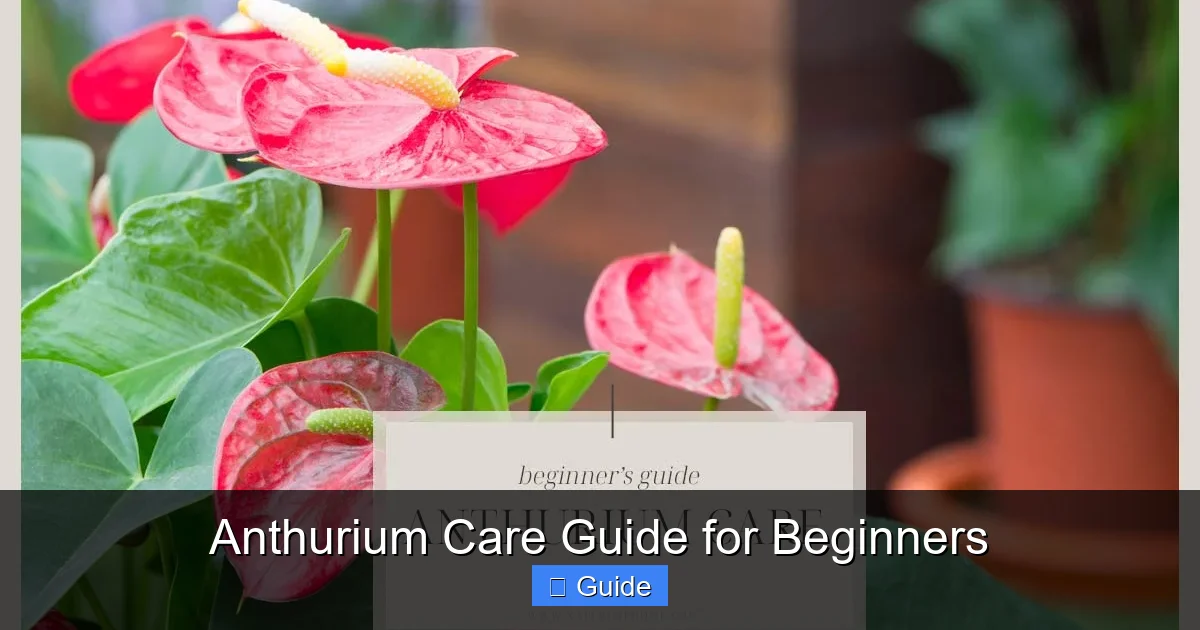
Anthurium is a large genus of about 1,000 species. The ones we grow as houseplants are usually Anthurium andraeanum or Anthurium scherzerianum. People call them flamingo flower, laceleaf, or painter’s palette. Those colorful heart-shaped things? They are not flowers. They are modified leaves called spathes. The actual flowers are tiny and line the spadix, that finger-like spike in the center. The spathe can last eight weeks or more. That is why anthuriums are so popular. They give you color for months, not days.
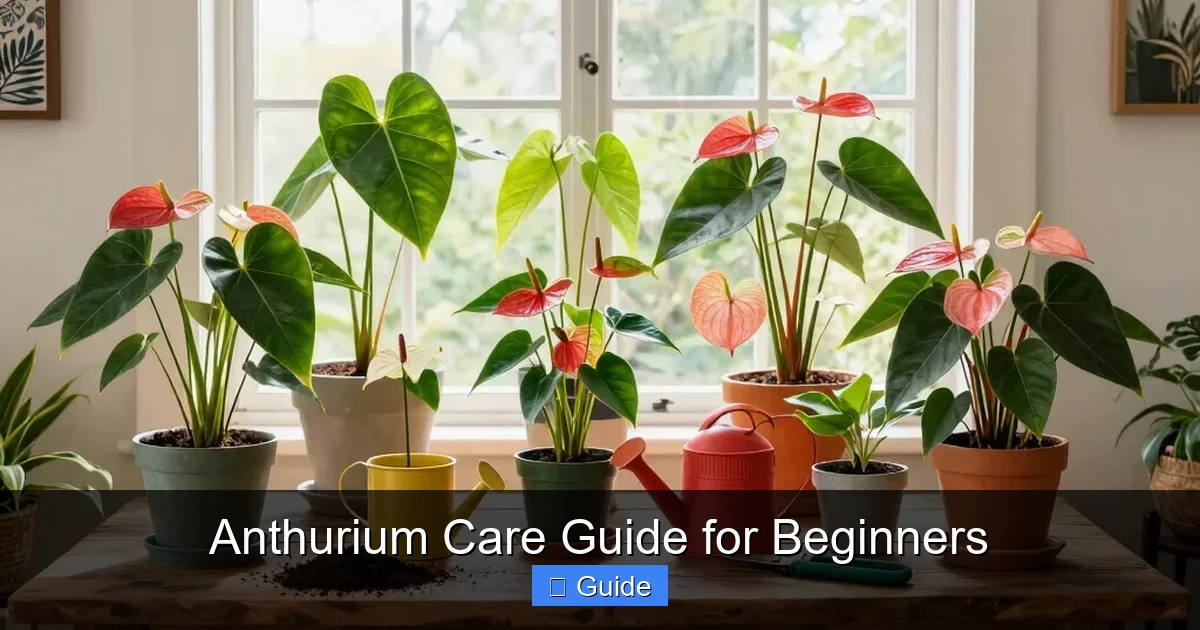
Visual guide about Anthurium Care Guide for Beginners
Image source: gardeningdream.com
Natural Habitat Clues
In the wild, anthuriums are epiphytes. They cling to tree trunks and branches. Their roots grab bark and absorb moisture from humid air. Rain washes over them, then they dry out fast. They get dappled light through the canopy. Never full sun. Never standing water. This tells us exactly what they need indoors. Chunky soil. High humidity. Bright filtered light. Good airflow. When you replicate these conditions, your anthurium feels at home.
Popular Varieties for Beginners
The classic red Anthurium andraeanum is the easiest to find and grow. Pink and white varieties need the same care. Anthurium scherzerianum has a curly spadix and slightly smaller leaves. It tolerates lower light a bit better. For something different, try Anthurium clarinervium with its velvet leaves and striking white veins. It grows for foliage, not flowers. All of these follow the same basic care rules. Pick the one that makes you smile.
Light Requirements That Work
Finding the Sweet Spot
Light is the number one factor for blooming. Anthuriums need bright indirect light. Think of a spot near an east-facing window. Morning sun is gentle and perfect. A few feet back from a south or west window works too. Sheer curtains diffuse harsh afternoon rays. If you can read a book comfortably without turning on a lamp, the light is probably right. Too little light means lots of leaves but no flowers. Too much light means bleached or brown patches on leaves.
Signs Your Light Is Wrong
Watch your plant. It will tell you. Leggy stems stretching toward the window mean not enough light. Small new leaves mean not enough light. No flowers after six months mean not enough light. Brown crispy edges or faded color mean too much direct sun. Yellowing leaves can mean either, so check the location first. Rotate the pot a quarter turn each week. This keeps growth even and prevents leaning.
Artificial Light Options
No good windows? No problem. Anthuriums do well under grow lights. LED full-spectrum lights work great. Keep the light 12-18 inches above the plant. Run it 12-14 hours a day. A simple timer makes this effortless. I have seen anthuriums bloom beautifully in windowless offices with just a desk grow lamp. Do not be afraid to supplement or replace natural light entirely.
Watering Without Guesswork
The Finger Test Method
Forget schedules. Water when the top inch of soil feels dry. Stick your finger in. If it comes out clean, water. If soil sticks to your finger, wait. This simple habit prevents both underwatering and overwatering. In summer, you might water twice a week. In winter, maybe once every ten days. It depends on your home. The plant decides. Not the calendar.
How to Water Properly
Take the plant to the sink. Water slowly until it runs out the drainage holes. Let it drain completely. Never let it sit in a saucer of water. That is a root rot invitation. Use room temperature water. Cold water shocks tropical roots. If your tap water is heavily chlorinated, let it sit overnight. Or use filtered water. Rainwater is gold if you can collect it.
Common Watering Mistakes
Overwatering kills more anthuriums than anything else. Yellow leaves, mushy stems, and a sour smell mean trouble. Check roots. Healthy roots are white and firm. Rotting roots are brown and mushy. Underwatering shows as crispy leaf edges, drooping leaves, and slow growth. The fix for both is the same. Fix the soil. Fix the routine. Your plant can recover if caught early.
The Perfect Soil Mix
Why Regular Potting Soil Fails
Standard potting mix holds too much water. It compacts over time. Anthurium roots need air. In nature, they grab bark and breathe. Dense soil suffocates them. You will see root rot, then leaf yellowing, then plant death. Do not use garden soil. Do not use straight peat moss. Do not use moisture-control mixes with water-retaining crystals. Your anthurium will hate all of them.
DIY Aroid Mix Recipe
Make your own mix. It is cheaper and better. Combine two parts orchid bark, one part perlite, one part peat moss or coco coir, and one part charcoal. The bark creates air pockets. Perlite improves drainage. Peat holds some moisture. Charcoal keeps things fresh. Mix it in a bucket. Wet it slightly before potting. This blend mimics the forest floor perfectly. Your roots will explore every corner.
Store-Bought Alternatives
Short on time? Look for orchid mix or aroid mix at garden centers. Check the ingredients. You want chunky pieces. Bark. Perlite. Maybe coconut husk. Avoid anything that looks like fine dirt. Some brands sell “anthurium soil” but it is often just marketing. Read the bag. When in doubt, add extra perlite and bark to any mix. Extra drainage never hurts.
Humidity and Temperature
Why Humidity Matters
Anthuriums come from places with 80% humidity. Most homes sit around 30-40%. That gap causes crispy leaf tips, brown edges, and poor flowering. New leaves may emerge deformed or stuck. High humidity keeps leaves glossy and helps the plant breathe. It also discourages spider mites. Those pests love dry air. Boosting humidity is one of the best things you can do.
Easy Ways to Increase Humidity
A humidifier is the gold standard. Run it near your plants. Aim for 60-70%. A pebble tray works too. Fill a tray with pebbles. Add water to just below the top of the pebbles. Set the pot on top. As water evaporates, humidity rises around the plant. Grouping plants creates a microclimate. They transpire together. Misting helps briefly but does not last. Do it in the morning so leaves dry by night. Wet leaves at night invite fungus.
Temperature Range
Keep temperatures between 65-85°F (18-29°C). Anthuriums hate cold drafts. Keep them away from AC vents, exterior doors, and drafty windows in winter. They also hate hot dry air from heating vents. Consistency is key. A sudden drop below 60°F can cause leaf drop. Steady warmth mimics the tropics. If you are comfortable in a t-shirt, your anthurium is probably comfortable too.
Fertilizing for Flowers
What to Feed
Use a balanced liquid fertilizer. Something like 20-20-20 or 10-10-10 works fine. Or choose one higher in phosphorus like 15-30-15 to encourage blooms. Dilute to half strength. Full strength burns roots. Organic options like fish emulsion or seaweed extract work well too. They are gentler and feed soil microbes. Whatever you pick, less is more.
When to Feed
Fertilize during active growth. Spring through early fall. Once a month is plenty. Some people feed weakly weekly. That means quarter strength every week. Either way works. Stop in late fall and winter. The plant rests. Feeding dormant plants causes salt buildup and weak growth. Flush the soil with plain water every few months. Run water through for a minute. This prevents fertilizer salt accumulation.
Signs of Over-Fertilizing
Brown leaf tips. White crust on soil surface. Stunted new growth. Roots that look burned. If you see these, stop feeding. Flush the soil thoroughly. Wait a month before resuming at half the previous strength. Anthuriums are light feeders. They grow in nutrient-poor tree debris in nature. They do not need much.
Repotting Made Simple
When to Repot
Every two to three years. Spring is best. The plant is waking up and ready to grow. Signs it is time: roots circling the bottom, water running straight through without absorbing, soil breaking down into mush, or the plant looking too big for its pot. Do not repot a newly bought plant immediately. Let it adjust for a few weeks first. Do not repot a blooming plant unless absolutely necessary. Wait until flowers fade.
Choosing the Right Pot
Go up one size only. Two inches wider max. Anthuriums like being slightly root-bound. A huge pot holds too much wet soil. Terracotta breathes but dries fast. Plastic retains moisture longer. Glazed ceramic is a good middle ground. Whatever you choose, drainage holes are non-negotiable. No holes means no anthurium. Cover holes with a coffee filter or mesh. This keeps soil in but lets water out.
Step-by-Step Repotting
Water the plant a day before. This reduces stress. Gently remove from the old pot. Loosen the root ball. Shake off old soil. Trim any dead or mushy roots. Place a layer of fresh mix in the new pot. Set the plant at the same depth as before. Fill around roots with new mix. Tap the pot to settle. Do not pack it down. Water thoroughly. Keep in lower light for a week. Skip fertilizer for a month. The plant will settle in and thank you.
Pruning and Maintenance
Removing Spent Flowers
When a spathe fades and turns green or brown, cut it off. Use clean scissors. Cut at the base of the stem. This redirects energy to new growth and new blooms. Do not pull. You might damage the crown. Regular deadheading keeps the plant looking tidy and encourages more flowers. Some varieties bloom sequentially on the same stem. Check before cutting. If you see a tiny new spathe forming behind the old one, leave the stem.
Leaf Cleaning
Dust blocks light. Wipe leaves with a damp cloth monthly. Support the leaf from underneath. Wipe gently from base to tip. This also lets you inspect for pests. Shiny leaves photosynthesize better. Do not use leaf shine products. They clog pores. Plain water works best. For a deeper clean, shower the plant with lukewarm water. Let it drain fully before returning to its spot.
Managing Aerial Roots
You may see roots growing above soil. These are aerial roots. They are normal. In nature, they anchor to trees and absorb moisture. Do not cut them. You can tuck them into the soil if they bother you. Or mist them occasionally. They help the plant. If they get unruly, guide them toward a moss pole. Anthuriums can climb if given support.
Troubleshooting Common Problems
Yellow Leaves
One yellow leaf at the bottom is normal aging. Many yellow leaves mean something is wrong. Overwatering is the usual suspect. Check soil moisture. Check drainage. Check roots. Underwatering causes yellowing too, but leaves crisp first. Low humidity, nutrient deficiency, or cold drafts can also yellow leaves. Fix the cause. The yellow leaf will not turn green again. Remove it. New growth will be healthy.
Brown Leaf Tips
Crispy brown tips almost always mean low humidity. Increase humidity. Trim the brown tips with scissors. Cut at an angle to mimic natural leaf shape. Do not cut into green tissue. Fertilizer burn causes brown tips too. Flush the soil. Tap water with fluoride or chlorine can cause it. Switch to filtered water. Brown edges spreading inward suggest root issues. Check the roots.
No Flowers
An anthurium with no flowers is usually a light issue. Move it brighter. Ensure 6-8 hours of indirect light. Check fertilizer. Too much nitrogen grows leaves, not flowers. Switch to a bloom booster formula. Check pot size. Very root-bound plants may refuse to bloom. Repot if needed. Age matters too. Young plants may take a year to mature. Patience pays off.
Drooping Leaves
Droop usually means thirst. Water thoroughly. Leaves should perk up in a few hours. If they stay droopy after watering, check roots. Root rot prevents water uptake. The plant wilts despite wet soil. This is confusing. Feel the soil. If wet and plant droops, it is likely root rot. Unpot and inspect. Trim rot. Repot in fresh mix. Go easy on water during recovery.
Pest Prevention and Treatment
Common Anthurium Pests
Spider mites love dry air. Look for fine webbing and stippled leaves. Mealybugs look like cotton tufts in leaf joints. Scale appears as small brown bumps on stems and leaves. Thrips cause silvery patches and distorted new growth. Fungus gnats fly around wet soil. Aphids cluster on new growth. Inspect weekly. Catch them early. A strong spray of water knocks many off. Insecticidal soap or neem oil handles the rest.
Natural Treatment Methods
Neem oil works on most pests. Mix per label. Spray weekly for three weeks. Cover all surfaces, especially leaf undersides. Insecticidal soap is gentler. Good for spider mites and aphids. Rubbing alcohol on a cotton swab removes mealybugs and scale individually. Sticky traps catch fungus gnats and thrips. Let soil dry more between waterings to discourage gnats. Beneficial nematodes in soil eat gnat larvae.
Prevention Is Easier Than Cure
Quarantine new plants for two weeks. Inspect before buying. Keep leaves clean. Maintain good airflow. Avoid overwatering. Healthy plants resist pests better. Stress invites infestation. A happy anthurium in good light with proper water and humidity rarely gets bugs. Make prevention part of your routine. It takes five minutes a week.
Propagating Your Anthurium
Division Method
The easiest way to get more plants is division. Do it during spring repotting. Gently separate the root ball into sections. Each section needs roots and at least two leaves. Pot each in fresh mix. Water well. Keep humid and warm. They establish fast. This is how nurseries produce most anthuriums. You get instant mature plants.
Stem Cuttings
Some anthuriums grow tall stems with nodes. You can cut a section with a node and aerial root. Plant in sphagnum moss or perlite. Keep very humid. A plastic bag over the pot creates a mini greenhouse. Roots form in weeks. This works best for climbing varieties like Anthurium clarinervium. Upright flowering types rarely have suitable stems.
Seed Growing
Growing from seed is slow but fun. You need fresh seeds from pollinated flowers. Sow on damp sphagnum. Keep warm and humid. Germination takes weeks. Seedlings take years to bloom. You get genetic variation. Each seedling is unique. This is for patient hobbyists. Most beginners should stick with division.
Seasonal Care Adjustments
Spring Wake-Up
Days lengthen. Growth accelerates. Increase watering frequency. Resume monthly fertilizing. Check for repotting needs. Watch for new growth. This is the best time for propagation. Spring energy fuels fast recovery. Enjoy the first flower spikes emerging.
Summer Vigilance
Heat and light peak. Water more often. Humidity may drop with AC. Run humidifier. Check for pests weekly. They multiply fast in heat. Move plant back from intense west windows. Morning sun only. Summer is prime blooming season. Deadhead spent flowers promptly.
Fall Transition
Growth slows. Reduce fertilizing by October. Water less as light decreases. Bring outdoor plants in before nights hit 55°F. Check thoroughly for hitchhiking pests. Clean leaves. Prepare for lower light months. A fall repot is okay if roots are crowded.
Winter Rest
Stop fertilizing. Water sparingly. Soil stays wet longer in cool, low-light conditions. Keep away from heat vents. Maintain humidity. Heaters dry air fast. Expect fewer or no flowers. That is normal. Do not force it. The plant is storing energy. Late winter is planning time. Dream of spring blooms.
Designing With Anthuriums
Solo Statement
A single anthurium in a beautiful pot makes a bold statement. Choose a pot that complements the spathe color. White pot for red blooms. Terracotta for pink. Matte black for white. Place on a plant stand at eye level. The glossy leaves and waxy flowers draw the eye. It becomes living art.
Group Displays
Anthuriums play well with others. Pair with ferns for texture contrast. Philodendrons share similar care. Pothos trails nicely at the base. Calatheas add pattern. Group plants with similar needs. They create humidity together. Vary heights. Use stands, shelves, and hanging planters. A cluster becomes a mini jungle.
Office and Low-Light Spaces
With a grow light, anthuriums thrive in offices. They purify air. NASA studies list them for removing formaldehyde, ammonia, and xylene. A small plant on a desk brightens the workday. Choose a compact variety. Keep a watering can nearby. Colleagues will ask for cuttings. Share the joy.
Advanced Tips for Enthusiasts
Encouraging Larger Blooms
Consistent care produces the best flowers. But a few tricks help. Slightly restrict pot size. Mild root stress can trigger heavier blooming. Use a fertilizer with extra phosphorus during bud formation. Ensure no night light pollution. Plants need dark nights to flower. Keep temperatures steady. Fluctuations abort buds. Patience. The second and third bloom cycles are often more impressive than the first.
Mounting Epiphytically
For a natural look, mount your anthurium on wood. Use cork bark or a tree fern slab. Wrap roots in sphagnum moss. Secure with fishing line or wire. Hang in bright shade. Mist daily. This mimics nature perfectly. Mounted plants need more frequent watering but get amazing airflow. Roots stay healthy. It is a stunning display method.
Collecting Rare Varieties
Once you master the basics, the collector bug bites. Velvet-leaf anthuriums like crystallinum, magnificum, and warocqueanum are prized. They need higher humidity and more airflow. Prices vary wildly. Join plant groups. Trade cuttings. Learn each species’ quirks. The anthurium world is vast. There is always a new leaf shape to fall for.
Conclusion
You now know everything needed to grow spectacular anthuriums. Bright indirect light. Water when the top inch is dry. Chunky well-draining mix. High humidity. Monthly feeding in season. Repot every few years. Watch for pests. Remove spent flowers. Adjust with seasons. It sounds like a lot. But it becomes routine. Five minutes a week. That is all it takes.
My first struggling anthurium now sits in my living room, three feet wide, blooming constantly. It has survived moves, neglect, and my early mistakes. These plants want to live. They want to bloom. Give them what they evolved for, and they reward you endlessly. Start today. Check your light. Feel your soil. Maybe mist those leaves. Your anthurium journey begins now. And trust me. It is a beautiful ride.
Frequently Asked Questions
Why is my anthurium not flowering?
Lack of flowers is usually due to insufficient light. Move your plant to a brighter spot with 6-8 hours of indirect sunlight daily. Also ensure you are using a fertilizer with adequate phosphorus and that the plant is not severely root-bound.
Can I put my anthurium outside in summer?
Yes, anthuriums enjoy summer outdoors in a shaded location protected from direct sun, wind, and rain. Bring them inside when night temperatures drop below 60°F. Acclimate gradually over 7-10 days to prevent shock.
Are anthuriums toxic to pets?
Yes, anthuriums contain calcium oxalate crystals that are toxic to cats, dogs, and humans if ingested. They cause oral irritation, drooling, and swelling. Keep plants out of reach of curious pets and children.
How do I know when to repot my anthurium?
Repot every 2-3 years in spring, or when you see roots circling the drainage holes, water runs straight through without absorbing, or the plant looks top-heavy and unstable in its current pot.
What causes brown tips on anthurium leaves?
Brown leaf tips typically indicate low humidity, though fertilizer burn, fluoride in tap water, or inconsistent watering can also cause them. Increase humidity and trim brown tips with clean scissors at an angle.
Can anthuriums be grown in water permanently?
Anthuriums can root in water but do not thrive long-term without soil nutrients. They eventually need a chunky aroid mix for sustained health. Water propagation works for starting cuttings, but transfer to soil once roots are 2-3 inches long.