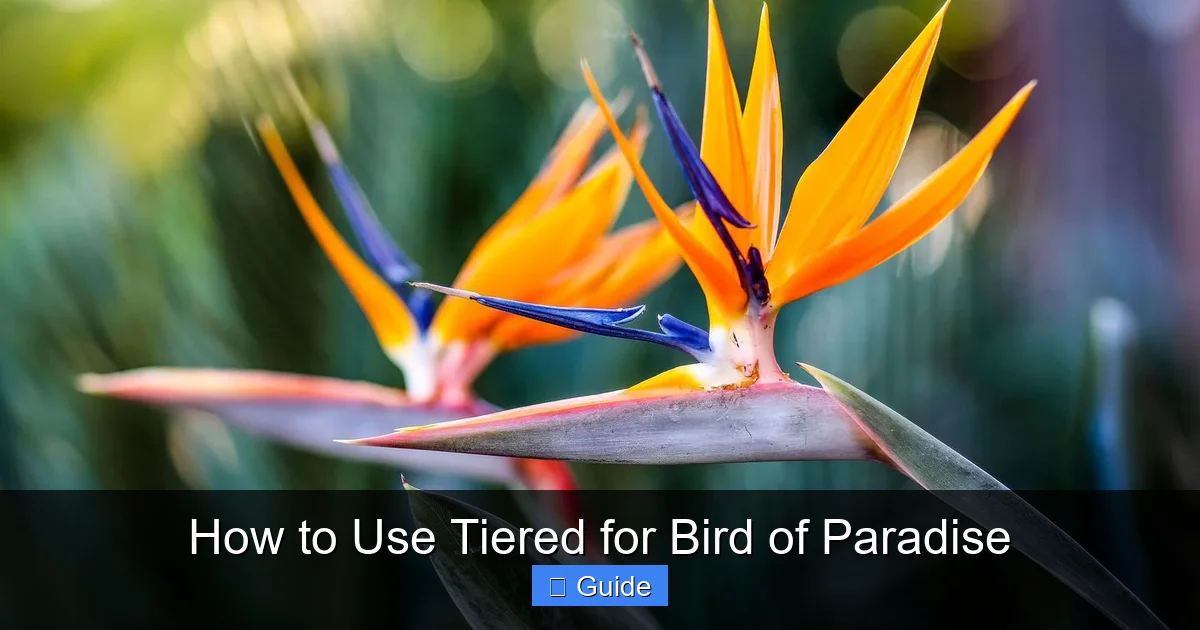
How to Use Tiered for Bird of Paradise
Discover the complete guide to using tiered planters for Bird of Paradise plants. This article covers everything from choosing the right tiered system to planting, watering, and ongoing care. You will learn how to create a stunning vertical display that helps your tropical plants thrive.
If you love the bold, tropical look of Bird of Paradise plants but lack horizontal space, you are in the right place. Using a tiered planter system is a game changer. It lets you grow these stunning plants vertically. You can create a lush, layered jungle vibe even on a small balcony or patio. This guide walks you through every step. We cover picking the right gear, planting, and long-term care. Let us dive in and get your vertical garden growing.
Bird of Paradise, or Strelitzia, is famous for its large, paddle shaped leaves and exotic flowers. In nature, these plants spread wide. They need room for their thick, fleshy roots. A tiered planter solves the space issue. It stacks pots vertically. This uses air space instead of floor space. But success takes a bit of know how. You must manage light, water, and soil across different levels. Do not worry. We make it simple.
Key Takeaways
- Choose the right tiered planter: Select a sturdy system with good drainage and enough space for large root systems.
- Position for maximum light: Place tiers where each plant gets at least six hours of bright, indirect sunlight daily.
- Use well-draining soil mix: Combine potting soil with perlite and orchid bark to prevent root rot in tiered setups.
- Water carefully from top to bottom: Allow water to cascade through tiers but check each level for proper moisture.
- Fertilize regularly during growing season: Apply balanced fertilizer monthly from spring through fall for best blooms.
- Monitor for pests on all levels: Check upper and lower tiers weekly for spider mites, scale, and mealybugs.
- Repot every two to three years: Refresh soil and divide crowded plants to maintain health in confined tiered spaces.
Quick Answers to Common Questions
Can Bird of Paradise grow in tiered planters indoors?
Yes, Bird of Paradise grows well in tiered planters indoors if you provide bright light from a south facing window or supplement with full spectrum LED grow lights for twelve to fourteen hours daily.
How often should I water Bird of Paradise in a tiered system?
Water when the top two inches of soil feel dry. Top tiers may need water every one to two days in summer while bottom tiers may need water only twice a week. Always check each pot individually.
What size pots do I need for tiered Bird of Paradise?
Start with ten inch pots for young plants and move up to eighteen to twenty four inch wide pots for mature plants. Ensure each pot is at least sixteen inches deep for the thick root system.
Do Bird of Paradise plants bloom in tiered planters?
Yes, they bloom well in tiered planters if they receive at least six hours of bright light daily, consistent moisture, and regular fertilizing during the growing season. Mature plants bloom best.
How do I prevent my tiered planter from tipping over?
Use a wide based stand made of heavy steel or solid wood. Place largest heaviest pots on the bottom tier. Anchor the stand to a wall with straps or bolt wall mounted units into studs.
📑 Table of Contents
- Understanding Tiered Planters for Tropical Plants
- Choosing the Right Location and Light
- Selecting and Preparing Containers
- Creating the Perfect Soil Mix
- Planting and Arranging Your Tiered Display
- Watering Techniques for Tiered Systems
- Fertilizing for Growth and Blooms
- Pruning and Maintenance
- Pest and Disease Management
- Seasonal Care Adjustments
- Troubleshooting Common Tiered Issues
- Design Ideas for Stunning Displays
- Long Term Success Strategies
Understanding Tiered Planters for Tropical Plants
A tiered planter is a structure that holds multiple pots at different heights. Think of it like a plant shelf unit. Some are freestanding metal frames. Others are stacked pots that lock together. There are also wall mounted pocket systems. For Bird of Paradise, you need a strong option. These plants get heavy. A mature plant in a large pot can weigh fifty pounds or more. Flimsy plastic shelves will buckle. Look for powder coated steel or solid wood frames. They must handle the weight.
Types of Tiered Systems
Freestanding tiered stands are the most popular. They look like tall plant stands with three to five shelves. Each shelf holds a standard nursery pot. This design offers great airflow. Air moves freely around each plant. That reduces fungal issues. It also makes rotating plants easy. You just spin the pot on the shelf. Wall mounted tiered planters save even more floor space. They attach to a fence or exterior wall. These are great for balconies. But you must ensure the wall can hold the wet weight. Stackable modular pots are another choice. These pots click together vertically. They share a central watering column. Water flows down from the top. This is very water efficient. However, the bottom pots can get soggy. You must watch drainage closely.
Why Tiered Works for Bird of Paradise
Bird of Paradise loves bright light. In a tiered setup, you can stagger the heights. This prevents upper plants from shading lower ones. You create a staircase of light exposure. The plant also has large leaves that catch wind. A tiered stand with a wide base resists tipping. The vertical arrangement shows off the plant architecture beautifully. You see the dramatic leaf fans at eye level and above. It turns a collection into a living sculpture.
Choosing the Right Location and Light
Light is the single biggest factor for flowering. Bird of Paradise needs bright light to bloom. Without enough light, you get lovely foliage but no flowers. A tiered system lets you optimize light for each pot. But you must place the whole unit correctly first.
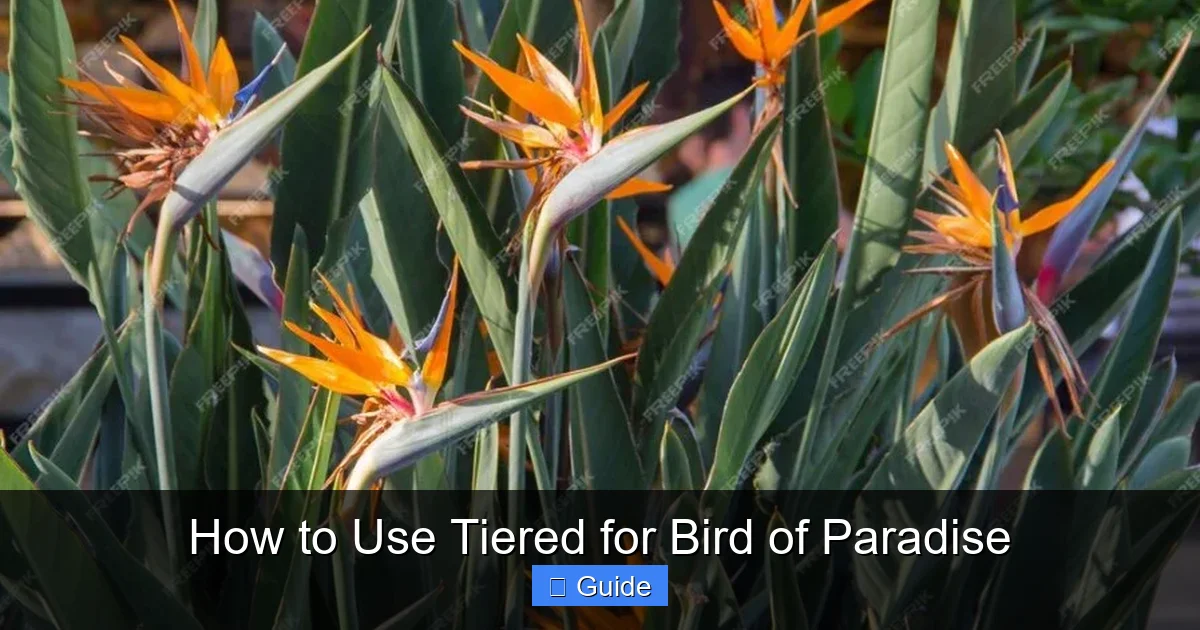
Visual guide about How to Use Tiered for Bird of Paradise
Image source: livelyroot.com
Outdoor Placement Strategies
If you live in zones 10 to 12, you can grow outdoors year round. Place your tiered stand where it gets morning sun and afternoon shade. East facing spots are ideal. The gentle morning sun fuels growth. The harsh afternoon rays will not scorch the leaves. If you only have a west facing wall, use a shade cloth. Hang it above the top tier during peak summer heat. Rotate the whole stand weekly. This ensures even light on all sides of every plant. Uneven light makes plants lean. They grow toward the sun. Rotation keeps them straight and balanced.
Indoor Placement Strategies
Indoors, you need the brightest window you have. South facing is best. West facing works too. Place the tiered unit right against the glass. The top tier plants will be closest to the light source. That is good. They are usually the largest. The bottom tier gets less light. Put younger, smaller plants there. They tolerate lower light better. Supplement with grow lights if needed. LED grow lights are cool and efficient. Hang a full spectrum panel above the top tier. Run it for twelve to fourteen hours daily. This mimics tropical day length. It encourages blooming even in winter.
Managing Light Across Tiers
Shadows are the enemy in tiered gardening. The top shelf casts shade on the middle. The middle shades the bottom. Space your shelves at least eighteen inches apart vertically. This gap reduces shading. Use reflective surfaces behind the stand. A white wall or foil backed board bounces light back into the lower canopy. Paint the shelf surfaces white or silver. Dark shelves absorb light. Light shelves reflect it up into the plant undersides. This boosts photosynthesis on lower leaves.
Selecting and Preparing Containers
The pot matters as much as the stand. Bird of Paradise has thick, tuberous roots. They need depth and width. They also hate sitting in water. Drainage is non negotiable.
Pot Size Guidelines
Start young plants in ten inch pots. Move to fourteen inch pots at two years. Mature plants need eighteen to twenty four inch wide pots. Depth should be at least sixteen inches. In a tiered system, weight adds up. Five twenty four inch pots full of wet soil are heavy. Consider lightweight pots. Fiberglass or resin pots look like stone but weigh a fraction. Fabric grow bags are another light option. They air prune roots. This prevents circling roots. But they dry out faster. You must water more often.
Drainage Essentials
Every pot needs multiple drainage holes. One hole clogs easily. Drill extra holes if needed. Cover holes with mesh screen. This keeps soil in but lets water out. Add a layer of coarse gravel or clay pebbles at the bottom. Two inches deep. This creates a water reservoir. Roots stay above the saturated zone. In stackable systems, the bottom pot collects runoff. Empty that catch tray daily. Never let pots sit in standing water. Root rot kills Bird of Paradise fast.
Saucer and Catch Tray Management
Use deep saucers under each pot on shelf stands. They protect the shelf below from water damage. Choose saucers with wheels if pots are heavy. You can slide them out to empty water. For wall mounted systems, use drip irrigation tubing. Run it to a drain or collection bucket. This keeps your wall dry. Wet walls grow mold. Mold damages structures and hurts plant health.
Creating the Perfect Soil Mix
Standard bagged potting soil is too dense. It holds too much water. Bird of Paradise needs a chunky, airy mix. Think orchid mix meets tropical soil. You want rapid drainage but good moisture retention.
DIY Tropical Blend Recipe
Mix two parts high quality potting soil. Add one part perlite. Add one part orchid bark. Add half part horticultural charcoal. Add half part worm castings. The perlite creates air pockets. The bark mimics forest floor. Charcoal filters impurities. Worm castings feed microbes. This mix drains in seconds. Yet it holds moisture around the bark chunks. Roots get oxygen and water simultaneously. That is the sweet spot.
Filling Tiered Pots Correctly
Fill pots to two inches below the rim. Leave space for watering. Do not pack soil down. Tap the pot sides to settle it. Roots need loose soil to penetrate. Plant at the same depth as the nursery pot. The crown must stay above soil. Burying the crown causes rot. Water thoroughly after planting. Let it drain completely. Top off with more mix if it settles.
Mulching for Moisture Control
Apply two inches of mulch on top. Use coconut coir chips or pine bark nuggets. Mulch slows evaporation. Top tiers dry fastest. They get more air movement and heat. Mulch is critical there. It also prevents soil crusting. Crusted soil repels water. Water runs down the sides. Mulch keeps the surface permeable.
Planting and Arranging Your Tiered Display
Now comes the fun part. Arranging plants for beauty and health. Think about mature sizes. Think about water needs. Think about visual impact.
Size Graduation Strategy
Put the largest, tallest plants on the bottom tier. They anchor the display. They are most stable low down. Medium plants go in the middle. Small or young plants go on top. This creates a pyramid shape. It is visually pleasing. It also puts heavy pots low. The center of gravity stays down. The stand will not tip in wind. If all plants are similar size, stagger them. Place one slightly forward, next slightly back. This breaks up the wall of leaves. Light penetrates deeper.
Companion Planting in Tiers
You can mix other tropicals in the same tiered unit. Good companions share light and water needs. Try Philodendron, Monstera, or Alocasia. They love the same conditions. Avoid succulents or cacti. They need dry soil. Bird of Paradise likes consistent moisture. Mixing them means someone suffers. Ferns work well on lower, shadier tiers. They add texture. Their fine fronds contrast with the bold Bird of Paradise leaves.
Spacing for Airflow
Do not crowd pots together. Leave three inches between pots on the same shelf. Air must circulate. Stagnant air breeds spider mites and fungal spots. Good airflow dries leaf surfaces fast. Dry leaves stay healthy. If shelves are narrow, offset pots front to back. This creates diagonal gaps. Air flows through diagonals better than straight lines.
Watering Techniques for Tiered Systems
Watering is where tiered gardening gets tricky. Gravity pulls water down. Top pots dry fast. Bottom pots stay wet. You must manage this gradient.
Top Down Watering Method
Water the top tier first. Use a long spout watering can. Soak the soil until water runs out the bottom. Move to the next tier down. Repeat. The runoff from above waters the tier below partially. Check the bottom tier last. It may not need full watering. Feel the soil two inches down. If moist, skip watering that pot. This prevents overwatering the lower levels.
Drip Irrigation Setup
For larger setups, install drip irrigation. Run a main line up the back of the stand. Branch off to each pot with micro tubing. Use adjustable drippers. Set top tiers to higher flow. Set bottom tiers to lower flow. Add a timer. Water early morning. This reduces evaporation. It also lets leaves dry before night. Wet leaves at night invite disease. A timer ensures consistency. Consistency is key for tropical plants.
Monitoring Moisture Levels
Use a moisture meter. Check each pot weekly. Probe at root depth, not just surface. Top tier reads dry? Water. Bottom tier reads wet? Hold off. Adjust dripper flows monthly. Seasons change. Light changes. Plant size changes. Your watering must adapt. Keep a simple log. Note date, tier, and reading. Patterns emerge. You learn your system.
Fertilizing for Growth and Blooms
Bird of Paradise is a heavy feeder. In pots, nutrients wash out fast. Tiered pots leach even faster due to frequent watering. You must replace nutrients regularly.
Fertilizer Types and Timing
Use a balanced liquid fertilizer. 10-10-10 or 20-20-20 works. Dilute to half strength. Apply every two weeks in spring and summer. Monthly in fall. Stop in winter. Plants rest in low light. Excess fertilizer burns roots. It also causes salt buildup. Salt crust on soil means flush the pot. Run water through for five minutes. Let drain. Repeat monthly.
Slow Release Option
Mix slow release granules into soil at planting. Osmocote 14-14-14 lasts four to six months. Top dress with more in early spring. Scratch into top inch. Water in well. This provides steady baseline nutrition. Supplement with liquid during peak growth. The combo works best. You get constant feed plus boost when needed.
Micronutrient Attention
Bird of Paradise needs magnesium and iron. Yellow leaves with green veins mean iron deficiency. Yellow edges on older leaves mean magnesium deficiency. Use a micronutrient spray monthly. Chelated iron and Epsom salts work. One tablespoon Epsom salts per gallon. Spray leaves until dripping. Do this early morning. Leaves absorb nutrients directly. It fixes deficiencies fast.
Pruning and Maintenance
Regular grooming keeps tiered plants looking sharp. It also prevents disease. Dead leaves harbor pests. They block light. They look messy.
Leaf Removal Technique
Remove leaves that are fully brown or yellow. Cut at the base of the petiole. Use clean, sharp pruners. Disinfect between plants. Rubbing alcohol works. Do not tear leaves. Tearing damages the crown. The crown is the growing point. Damage there stops new growth. Remove spent flower stalks too. Cut them to the base. This redirects energy to new leaves and flowers.
Cleaning Large Leaves
Dust blocks light. Wipe leaves monthly. Use a damp microfiber cloth. Support the leaf from below. Wipe from center to edge. Top and bottom. Clean leaves photosynthesize better. They also breathe better. Stomata on leaf undersides exchange gas. Dust clogs them. Clean plants grow faster.
Rotating for Symmetry
Rotate each pot a quarter turn weekly. This ensures even light on all sides. Plants grow toward light. Without rotation, you get lopsided plants. One side full, one side bare. In tiered systems, rotation is easy. Just spin the pot on the shelf. Takes seconds. Makes a huge difference over months.
Pest and Disease Management
Tiered plants share air space. Pests spread fast. One infested plant infects neighbors in days. Vigilance is your best tool.
Common Pests to Watch
Spider mites love dry, warm conditions. Top tiers are their favorite. Look for fine webbing and stippled leaves. Mealybugs hide in leaf axils. They look like white cotton. Scale insects attach to stems. They look like brown bumps. Aphids cluster on new growth. They are green or black. Check weekly. Use a flashlight. Look under leaves. Check stem junctions. Early catch means easy control.
Organic Control Methods
Spray neem oil every two weeks preventatively. Mix one teaspoon neem oil, half teaspoon mild soap, one quart water. Spray all surfaces. Do this in evening. Neem burns leaves in sun. For active infestations, spray weekly for three weeks. Insecticidal soap works on soft bodies. Horticultural oil smothers scale. Rotate products. Pests develop resistance. Always test spray one leaf first. Wait twenty four hours. No damage? Spray the rest.
Fungal Prevention
Good airflow prevents most fungus. But humidity helps too. Bird of Paradise likes fifty to sixty percent humidity. Indoors, use a humidifier. Group plants to raise local humidity. But do not crowd them. Space allows air flow. Water at soil level. Keep leaves dry. Wet leaves plus high humidity equals fungal spores. If you see brown spots with yellow halos, remove affected leaves. Improve airflow. Apply copper fungicide if spreading.
Seasonal Care Adjustments
Your tiered garden changes with seasons. Adapt care to match. This keeps plants thriving year round.
Spring Wake Up
As days lengthen, increase watering. Resume fertilizing. Check for root bound plants. Spring is repotting time. Move up one pot size. Refresh soil mix. Divide if crowded. Bird of Paradise divides easily. Separate pups with roots attached. Pot them up. They fill tiers fast. Spring is also time to move indoor plants out. Harden them off. Two weeks of increasing outdoor time. Start in full shade. End in morning sun.
Summer Peak Growth
Water daily in heat. Top tiers may need twice daily. Mulch thickly. Fertilize biweekly. Watch for pests. They explode in heat. Provide afternoon shade if leaves scorch. Scorch looks like bleached patches. Stake tall flower spikes. Wind snaps them. Use bamboo stakes and soft ties. Harvest flowers for arrangements. Cutting stimulates more blooms.
Fall Transition
Reduce fertilizing. Stop by November. Water less as growth slows. Clean up debris. Remove all dead leaves. Check for pests before moving indoors. Treat if found. You do not want hitchhikers inside. Move plants in before first frost. Even a light nip damages tropical leaves.
Winter Rest
Water sparingly. Only when soil is dry two inches down. No fertilizer. Provide maximum light. Supplement with grow lights. Maintain humidity. Heaters dry air. Humidifier runs daily. Check for spider mites weekly. They love dry indoor air. Wipe leaves monthly. Rotate still. Plants lean toward winter sun.
Troubleshooting Common Tiered Issues
Even with great care, issues arise. Here are fixes for the most common tiered Bird of Paradise problems.
Top Tier Drying Too Fast
Top pots get most heat and wind. They dry in hours. Solution: Use larger pots on top. More soil holds more water. Add water retaining crystals to top tier mix. Hydrogel polymers absorb hundreds of times their weight. They release water slowly. Double mulch top tier. Three inches instead of two. Install drip irrigation with higher flow on top.
Bottom Tier Staying Soggy
Runoff collects at bottom. Plus less light means less uptake. Solution: Elevate bottom pots on pot feet. This improves drainage airflow. Use extra perlite in bottom mix. Thirty percent perlite. Check saucers daily. Empty them. Reduce dripper flow on bottom. Skip watering bottom if soil feels moist.
Plants Leaning Toward Light
Indoor plants lean hard. Rotation helps but may not be enough. Solution: Add supplemental side lighting. Vertical LED bars on stand sides. Or rotate the whole stand one hundred eighty degrees weekly. Not just pots. The whole unit. This equalizes light direction over time.
Stand Wobbling or Tipping
Heavy pots plus wind equals danger. Solution: Anchor freestanding stands. Use earthquake straps to wall. Or add weight to base. Sandbags on bottom shelf. Widen base with plywood platform. For wall mounts, use heavy duty lag bolts. Into studs, not just drywall. Check brackets monthly. Tighten bolts.
Design Ideas for Stunning Displays
Function meets beauty. Your tiered Bird of Paradise can be a design statement. Here are ideas to inspire.
Monochromatic Green Wall
Use identical pots. Same size. Same color. Matte black or terracotta. Plant only Bird of Paradise. Uniform height. Uniform foliage. The repetition is modern and bold. It reads as one large installation. Great for contemporary spaces.
Graduated Jungle
Mix pot sizes and styles. Large ceramic on bottom. Medium concrete in middle. Small glazed on top. Mix Bird of Paradise with other tropicals. Varying leaf shapes. Varying greens. It looks collected over time. Organic. Lush. Like a slice of rainforest.
Color Coordinated Blooms
Choose pots that echo flower colors. Orange pots for orange flowers. Blue accents for blue flower sheaths. White pots make green leaves pop. Coordinate with outdoor cushions. Or front door color. It ties the garden to the home.
Lighting for Drama
Add uplights at base of stand. Shine up through foliage. Shadows dance on wall. Add fairy lights woven through upper tiers. Evening magic. Solar spotlights on top tier plants. They glow like sculptures. Your garden becomes night art.
Long Term Success Strategies
Tiered Bird of Paradise gardening is a long game. These plants live decades. Plan for the future.
Repotting Cycle
Repot every two years for young plants. Every three years for mature. Spring only. Go up two inches in pot diameter. Do not overpot. Too much soil stays wet. Roots rot. If plant is max pot size, root prune. Remove plant. Shave two inches off root ball bottom and sides. Refresh soil. Return to same pot. This controls size. It rejuvenates the plant.
Division and Propagation
Mature plants form clumps. Divide in spring. Each division needs three to four leaves and roots. Pot divisions immediately. They fill new tiers. Or gift them. Or sell them. Bird of Paradise divisions establish fast. They flower in two to three years. Much faster than seeds.
Replacing the Stand
Metal stands rust eventually. Wood rots. Plan to replace every five to seven years. Or buy quality once. Powder coated aluminum lasts twenty years. Stainless steel lasts forever. Teak wood lasts decades. Spend more upfront. Save long term. Your plants deserve a stable home.
Record Keeping
Keep a garden journal. Note planting dates. Fertilizer dates. Repotting dates. Pest treatments. Flower counts. Photos each season. You see patterns. You learn what works. You become a better grower. Share records with fellow gardeners. Community knowledge grows everyone.
Growing Bird of Paradise in tiered planters is deeply rewarding. You maximize space. You create beauty. You nurture spectacular plants. Follow this guide. Adapt to your conditions. Observe closely. Respond quickly. Your vertical tropical paradise awaits. Start with one tier. Add as you learn. Soon you will have a tower of orange and blue blooms. A living masterpiece. Happy growing.
Frequently Asked Questions
What is the best soil mix for Bird of Paradise in tiered planters?
A well draining mix of two parts potting soil, one part perlite, one part orchid bark, half part horticultural charcoal, and half part worm castings provides ideal aeration and moisture retention for tiered containers.
Can I use a drip irrigation system for tiered Bird of Paradise planters?
Yes, drip irrigation works excellently for tiered systems. Use adjustable emitters with higher flow rates on upper tiers and lower rates on bottom tiers to account for gravity fed water distribution.
How do I fertilize Bird of Paradise in a vertical garden setup?
Apply half strength balanced liquid fertilizer every two weeks during spring and summer. Top dress with slow release granules in early spring. Supplement with monthly foliar sprays of chelated iron and magnesium.
What pests commonly affect tiered Bird of Paradise plants?
Spider mites, mealybugs, scale insects, and aphids are the most common pests. Check all tier levels weekly, especially leaf undersides and stem junctions. Treat with neem oil or insecticidal soap at first sign.
When should I repot Bird of Paradise in tiered containers?
Repot young plants every two years and mature plants every three years in spring. Move up two inches in pot diameter or root prune and refresh soil if the plant has reached your maximum container size.
How much light does Bird of Paradise need in a tiered arrangement?
Bird of Paradise needs a minimum of six hours of bright indirect light daily to bloom. Position tiered units near south or east facing windows indoors, or in morning sun with afternoon shade outdoors. Rotate plants weekly for even growth.