Will Deer Eat Coral Bell Plants
Coral bells (Heuchera) are generally deer-resistant due to their fuzzy leaves and bitter taste, but hungry deer may still nibble them during food shortages. This guide covers deer feeding habits, protection methods, and companion planting strategies to keep your coral bells safe.
If you have ever planted a beautiful garden only to find it munched down to stubs overnight, you know the frustration of dealing with deer. These graceful creatures can destroy months of work in a single evening. One question that comes up often among shade garden enthusiasts is will deer eat coral bell plants? The short answer is usually no, but there are important exceptions every gardener should understand.
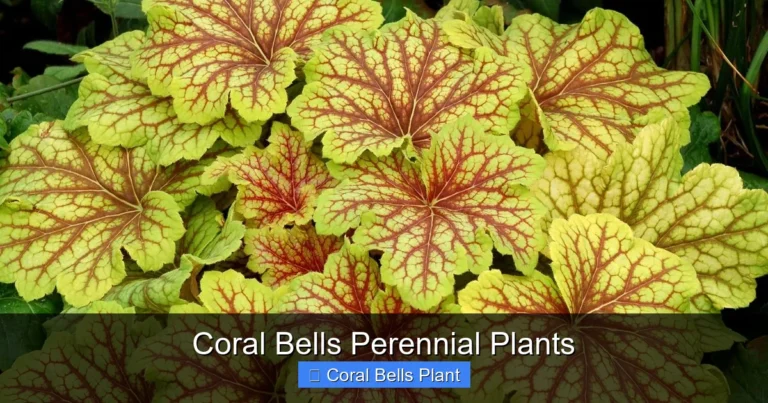
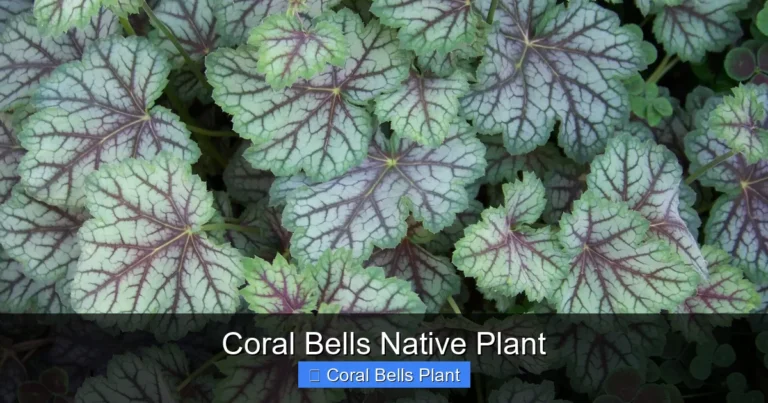
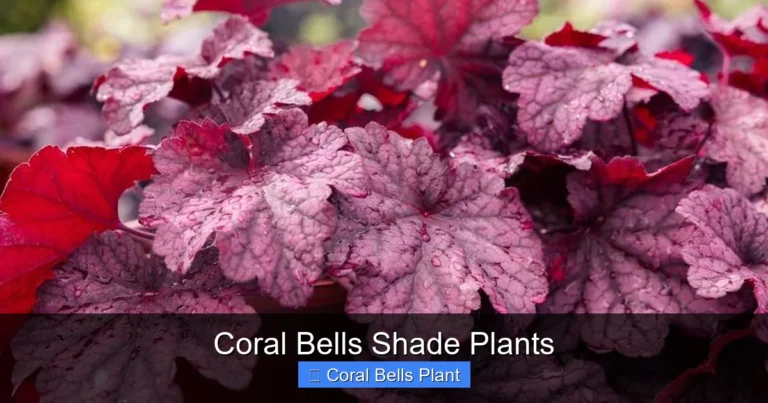
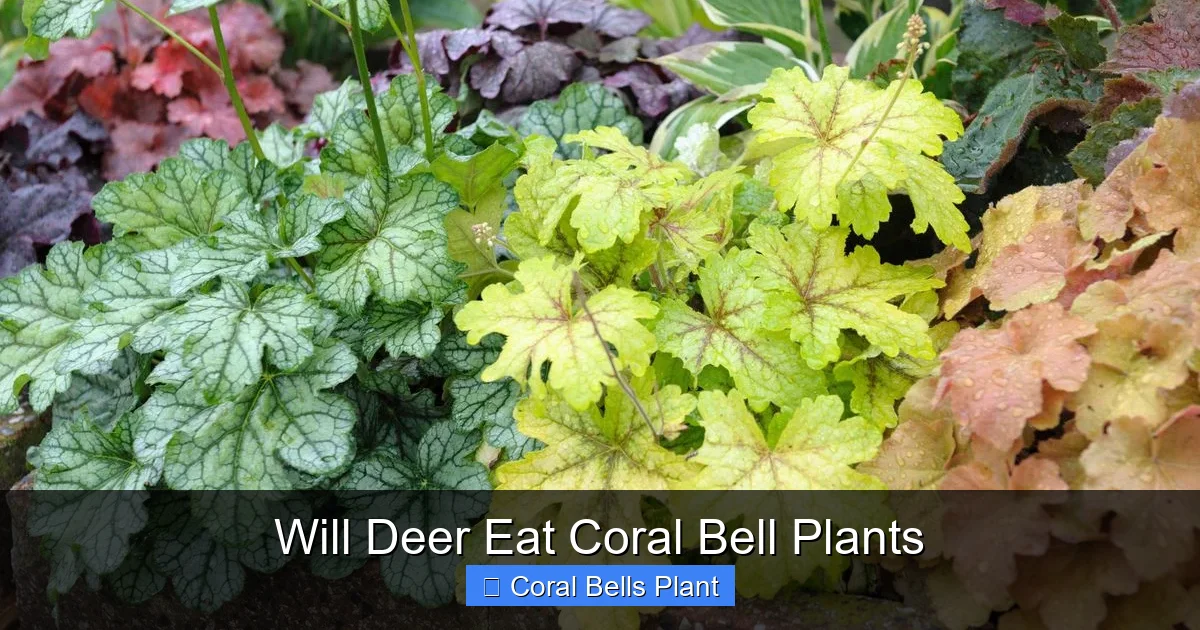
Coral bells, botanically known as Heuchera, have become incredibly popular in recent years. Their stunning foliage colors ranging from deep purple to bright lime green, combined with delicate flower spikes, make them a staple in shade gardens across the country. But before you invest in a collection of these beauties, you need to know the real story about deer resistance. Let us dive into everything you need to know about protecting your coral bells from hungry visitors.
Key Takeaways
- Coral bells are deer-resistant, not deer-proof: Their fuzzy texture and bitter compounds deter most deer, but desperate animals may still browse them.
- Deer pressure varies by season and region: Winter and early spring bring the highest risk when natural food sources are scarce.
- Young plants are most vulnerable: Newly planted coral bells with tender growth attract more deer attention than established specimens.
- Multiple deterrent strategies work best: Combine physical barriers, repellents, and companion planting for maximum protection.
- Some Heuchera varieties resist deer better: Dark-leaved and heavily textured cultivars tend to be less appealing to browsing deer.
- Regional deer populations affect risk levels: Areas with high deer density require more aggressive protection measures.
- Consistent monitoring prevents major damage: Early detection of browsing allows quick intervention before plants are destroyed.
Quick Answers to Common Questions
Are coral bells completely deer proof?
No plant is completely deer proof. Coral bells are deer resistant due to fuzzy leaves and bitter taste, but desperate deer will eat them during food shortages.
When are coral bells most at risk from deer?
Late winter through early spring poses the highest risk when natural food is scarce. Newly planted coral bells with tender growth are also highly vulnerable.
Which coral bell varieties resist deer best?
Dark-leaved varieties like ‘Obsidian,’ ‘Palace Purple,’ and ‘Black Pearl’ plus heavily textured villosa hybrids like ‘Caramel’ and ‘Citronelle’ show the best deer resistance.
What is the most effective way to protect coral bells from deer?
Physical barriers like fencing or individual plant cages provide 100% protection. For larger areas, combine repellent rotation with companion planting and strategic placement.
Can coral bells recover from deer damage?
Yes, established coral bells are resilient and can regrow from the crown even after losing most foliage. Recovery is fastest when damage occurs in early spring.
📑 Table of Contents
- Understanding Deer Resistance in Coral Bells
- Regional and Seasonal Factors Affecting Deer Browse
- Proven Protection Strategies for Coral Bells
- Choosing the Most Deer-Resistant Coral Bell Varieties
- Companion Planting for a Deer-Resistant Shade Garden
- Recovery and Care After Deer Damage
- Common Myths About Deer and Coral Bells
- Building Your Deer Defense Plan
- Conclusion
Understanding Deer Resistance in Coral Bells
When garden centers label plants as “deer resistant,” it often creates false confidence. The term does not mean deer will never eat the plant. It means deer prefer not to eat it when other options are available. Coral bells fall into this category. They possess several natural characteristics that make them unappealing to deer under normal circumstances.
Why Deer Typically Avoid Coral Bells
Nature equipped coral bells with several defense mechanisms. The leaves have a slightly fuzzy or hairy texture that deer find unpleasant. Think about how you would feel eating a mouthful of velvet fabric. That tactile experience discourages browsing. Additionally, Heuchera leaves contain tannins and other compounds that create a bitter, astringent taste. Deer have sensitive palates and will choose sweeter, more tender plants when given the choice.
The mature foliage of coral bells also becomes somewhat leathery and tough as the season progresses. Deer prefer soft, succulent new growth. By mid-summer, established coral bell plants present a texture challenge that most deer will bypass for easier pickings like hostas, daylilies, or your prize roses.
When Deer Might Eat Coral Bells Anyway
Understanding will deer eat coral bell plants requires acknowledging the “desperation factor.” During harsh winters, early springs before green-up, or drought periods when native browse is scarce, deer become far less selective. A starving deer will eat almost anything green, including plants they normally avoid. This is especially true in areas with overpopulated deer herds where competition for food is intense.
Young, newly planted coral bells are at highest risk. Their leaves are tender, lacking the tough texture and full chemical defenses of mature plants. If you plant coral bells in fall, they may be the only green thing showing above snow in late winter, making them targets. Spring-planted specimens with fresh, soft growth also face higher browsing pressure.
Regional and Seasonal Factors Affecting Deer Browse
Your location dramatically influences whether deer will bother your coral bells. Understanding local deer pressure helps you plan appropriate protection.
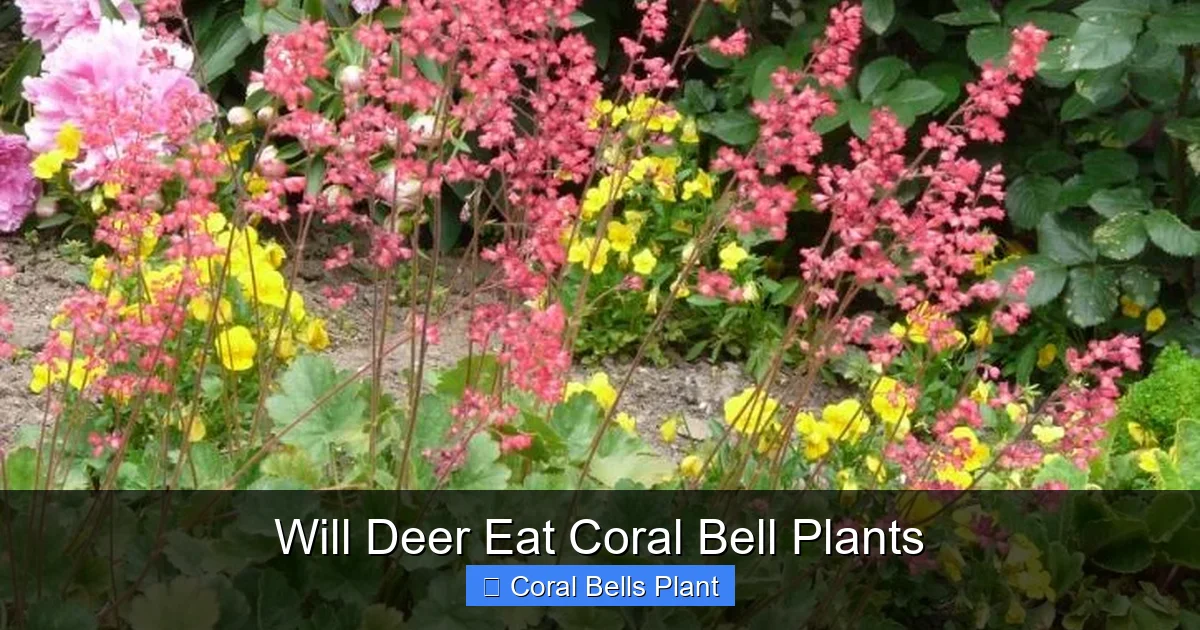
Visual guide about Will Deer Eat Coral Bell Plants
Image source: thefunoutdoors.com
High Pressure vs Low Pressure Areas
In suburban areas bordering woodlands or parks, deer populations often exceed carrying capacity. These deer lose fear of humans and browse aggressively. In such locations, even strongly deer-resistant plants get sampled regularly. Rural areas with hunting pressure may have warier deer that stick to cover and avoid gardens near homes. However, rural gardens far from human activity can see devastating browse.
Check with your local extension office or garden center about deer pressure in your specific area. They often have localized knowledge about which “resistant” plants actually get eaten nearby. Neighboring gardeners are also excellent resources. If your next-door neighbor’s coral bells get hammered every year, yours likely will too.
Seasonal Browse Patterns
Deer feeding habits shift dramatically through the year. Late winter through early spring represents peak danger for coral bells. Natural food sources are depleted, and pregnant does need nutrition. The first flush of spring growth on perennials is like candy to deer. By late spring, when forests green up, browse pressure on gardens often drops significantly.
Summer brings a second risk period during droughts. When native plants go dormant or become tough, irrigated garden plants stay succulent and attractive. Fall sees increased browsing as deer build fat reserves for winter. They may sample many plants they ignored all summer. Understanding these cycles helps you time protective measures for maximum effectiveness.
Proven Protection Strategies for Coral Bells
Since no plant is completely deer-proof, smart gardeners use layered defenses. Combining multiple approaches gives the best results.
Physical Barriers That Work
Fencing remains the only 100% effective deer barrier. For coral bells, you have several options. Individual plant cages made from welded wire or hardware cloth protect new plantings during their vulnerable first year. Make cages at least three feet tall and anchor them securely. Deer can push over lightweight cages.
For larger beds, consider temporary electric fencing. Modern solar chargers make this easy to install and move. A single strand at 30 inches with peanut butter flags trains deer to avoid the area. Remove it when pressure drops. Permanent eight-foot woven wire fencing solves the problem forever but costs more.
Netting draped over plants works for short periods but can damage foliage and flowers. Use hoops to keep netting off leaves. Remove promptly after the danger period to avoid trapping beneficial insects or creating a maintenance headache.
Repellent Rotation Prevents Habituation
Deer adapt quickly to single repellents. The key is rotation. Use three different products with different modes of action. Rotate every two to three weeks. Effective categories include:
- Putrescent egg solids: Smell like rotting meat, trigger fear response
- Capsaicin-based: Hot pepper creates burning sensation
- Predator urine: Coyote or bobcat urine signals danger
- Blood meal or bone meal: Smell signals predator presence
- Essential oil blends: Garlic, clove, cinnamon oils mask plant scent
Apply repellents before damage occurs. Treat new growth immediately after rain. Focus on the most vulnerable plants first. Remember that repellents reduce browsing but rarely eliminate it completely under high pressure.
Strategic Plant Placement Reduces Risk
Where you plant coral bells matters. Deer prefer to feed where they feel safe. Plant coral bells close to your house, near busy walkways, or under motion-activated lights. Avoid planting them along property edges bordering woods or fields. Deer travel corridors and bedding areas create predictable browse zones.
Interplant coral bells with strongly aromatic herbs like lavender, Russian sage, or catmint. The scent confusion makes it harder for deer to locate preferred plants. Dense plantings also make individual plants harder to target. A mass of coral bells mixed with ferns and hellebores creates a texture barrier deer dislike pushing through.
Choosing the Most Deer-Resistant Coral Bell Varieties
Not all Heuchera are created equal when it comes to deer resistance. Breeders have developed hundreds of cultivars with varying leaf textures, colors, and chemical profiles.
Dark-Leaved and Ruffled Varieties Lead the Pack
Generally, darker foliage correlates with higher tannin content and tougher texture. Cultivars like ‘Palace Purple,’ ‘Obsidian,’ ‘Black Pearl,’ and ‘Plum Pudding’ consistently rank high for deer resistance. Their thick, leathery, deeply colored leaves seem particularly unappealing.
Heavily ruffled or textured varieties also deter browsing. ‘Caramel’ with its fuzzy, peachy leaves, ‘Citronelle’ with lime-green ruffled foliage, and the villosa hybrids like ‘Brownies’ and ‘Mocha’ have substantial leaf substance. The villosa species naturally grows in rocky, exposed conditions and evolved tough foliage.
Varieties to Use With Caution in High-Pressure Areas
Some of the most beautiful coral bells have thinner, more delicate leaves. The ‘City’ series, many of the ‘Primo’ collection, and light-colored varieties like ‘Lime Rickey’ or ‘Electra’ may attract more attention. Their softer texture and lighter pigmentation suggest lower defensive compounds. This does not mean you cannot grow them. Just site them in your most protected locations and apply repellents faithfully.
New introductions lack long-term deer resistance data. If you want to try the latest cultivars, treat them as experimental. Plant a few in protected spots and monitor before investing heavily.
Companion Planting for a Deer-Resistant Shade Garden
Building an entire garden of deer-resistant plants creates a synergistic effect. Deer are less likely to linger in areas where nothing tastes good. Design your shade beds with layers of unpalatable plants.
Top Tier Deer-Resistant Shade Companions
Combine coral bells with these proven performers:
- Hellebores (Lenten Rose): Toxic compounds make them virtually deer-proof. Evergreen foliage provides winter structure.
- Ferns: Most ferns contain silica and compounds deer avoid. Japanese painted fern, autumn fern, and Christmas fern thrive in similar conditions.
- Brunnera (Siberian Bugloss): Rough, hairy leaves deter browsing. ‘Jack Frost’ and ‘Looking Glass’ add silver highlights.
- Lungwort (Pulmonaria): Spotted foliage and rough texture. Early spring flowers support pollinators.
- Epimedium (Barrenwort): Tough, leathery leaves. ‘Sulphureum’ and ‘Frohnleiten’ spread slowly as groundcover.
- Japanese Forest Grass (Hakonechloa): Graceful arching blades deer ignore. ‘Aureola’ brightens shade.
- Solomon’s Seal (Polygonatum): Arching stems with dangling flowers. Colonizes slowly.
Creating Texture and Scent Barriers
Deer navigate by scent and prefer smooth textures. Mix plants with fuzzy, rough, spiny, or highly aromatic foliage. Lamb’s ears (Stachys), lavender, Russian sage, catmint, and ornamental onions (Allium) create scent confusion. Interplant these throughout the border, not just at edges.
Consider the vertical layer too. Deer browse at specific heights. Low groundcovers like wild ginger (Asarum), foamflower (Tiarella), and barrenwort protect the soil level. Mid-height coral bells, hellebores, and ferns fill the one to two-foot zone. Taller accents like goat’s beard (Aruncus), bugbane (Actaea), and shieldleaf (Astilboides) create a ceiling deer must push through.
Recovery and Care After Deer Damage
Even with precautions, deer may sample your coral bells. Knowing how to respond minimizes long-term harm.
Assessing the Damage
Deer lack upper incisors, so they tear foliage rather than making clean cuts. Look for ragged leaf edges and stems torn at varying heights. Rabbit damage shows clean, angled cuts at forty-five degrees. Deer browse higher, typically eighteen inches to four feet up. If only a few leaves are torn, the plant will recover easily. If the crown is damaged or most foliage removed, recovery takes longer.
Immediate Care Steps
Remove damaged leaves cleanly at the base using sharp scissors. Jagged tears invite disease. Apply a balanced, slow-release fertilizer to support regrowth. Water deeply if soil is dry. Avoid high-nitrogen fertilizers that push soft, attractive new growth. A light application of compost around the crown improves soil health without forcing tender shoots.
Reapply repellent immediately after damage. Deer often return to the same feeding spots. Consider temporary caging for severely damaged plants until they recover. Mark damaged plants with flags so you remember to give them extra attention next season.
Long-Term Recovery Expectations
Coral bells are remarkably resilient. Established plants with healthy root systems can lose seventy-five percent of foliage and recover fully within a season. The crown stores energy for regrowth. Plants damaged in early spring often look normal by midsummer. Fall damage may not show recovery until the following spring.
Young plants with small crowns are less resilient. If a first-year plant gets hammered, consider replacing it in a better-protected location. The cost of a new plant is less than the frustration of nursing a struggling one for years.
Common Myths About Deer and Coral Bells
Misinformation leads to wasted money and disappointment. Let us clear up the most persistent myths.
Myth: “Deer Never Eat Coral Bells”
We have covered this, but it bears repeating. No plant is deer-proof. Gardeners in high-pressure areas who believe this myth skip protection and lose plants. Always assume some risk exists.
Myth: “Human Hair or Soap Keeps Deer Away”
These home remedies work briefly, if at all. Deer habituate within days. Irish Spring soap shavings might work for a week in low-pressure areas. Human hair loses scent quickly. Do not rely on them as primary protection.
Myth: “Planting Daffodils Around Coral Bells Protects Them”
Daffodils are toxic and deer avoid them. But deer simply walk around the daffodil ring to reach desirable plants. Companion planting works through density and scent confusion, not magic force fields.
Myth: “Once Established, Coral Bells Are Safe Forever”
Established plants resist better, but severe winters or population spikes change everything. Maintain some level of protection permanently in high-pressure areas. Complacency leads to losses.
Building Your Deer Defense Plan
Creating a comprehensive strategy takes the guesswork out of garden protection. Follow these steps to develop your personalized plan.
Step One: Assess Your Pressure Level
Spend a week observing. Look for tracks, droppings, browse lines on neighbors about their experiences. Check for browse on known deer favorites like hostas, tulips, and arborvitae. High pressure means daily sightings and heavy browse on favorites. Medium pressure means occasional sightings and light browse. Low pressure means rare sightings and minimal damage.
Step Two: Map Vulnerable Zones
Walk your property at dawn and dusk when deer are active. Note travel corridors, bedding areas, and feeding zones. Map your garden beds. Identify which coral bells are in high-risk locations. Prioritize protection for those plants.
Step Three: Choose Your Defense Layers
Select at least three complementary strategies. For example: permanent fencing for the vegetable garden, temporary caging for new coral bells, repellent rotation for established beds, and strategic companion planting throughout. Write down your plan with timing for each action.
Step Four: Implement Before Damage Occurs
Apply repellents before spring growth emerges. Install cages at planting time. Plant companions simultaneously with coral bells. Reactive protection always lags behind damage. A calendar reminder system helps you stay ahead.
Step Five: Monitor and Adjust
Walk your gardens weekly during growing season. Note any browse immediately. Adjust tactics based on what you observe. If deer breach one defense, add another layer. Flexibility beats rigidity every time.
Conclusion
So, will deer eat coral bell plants? The honest answer is yes, they might, especially when hungry enough. But coral bells remain one of your best choices for shade gardens in deer country. Their natural defenses, combined with smart gardening practices, give you a fighting chance at enjoying their spectacular foliage year after year.
Remember that gardening with deer is a marathon, not a sprint. What works this year may need adjustment next year. Deer populations fluctuate. Weather patterns change. New plants enter the market. Stay observant, stay flexible, and do not take browse personally. The deer are just trying to survive.
With the layered approach outlined here—selecting resistant varieties, using physical barriers strategically, rotating repellents, designing with companion plants, and monitoring consistently—you can grow stunning coral bells even in areas with significant deer pressure. Your shade garden can be a sanctuary for you, not a salad bar for them.
Start with one or two strategies this season. Add more next year. Celebrate the victories, learn from the losses, and keep planting. The joy of seeing those ruffled leaves unfurl in spring, painted in shades no artist could improve upon, makes every bit of effort worthwhile.
Frequently Asked Questions
Do deer eat coral bells in winter?
Deer may browse coral bells in winter when snow covers other food sources. Evergreen foliage remains visible above snow, making them targets during harsh winters. Temporary caging protects plants during this vulnerable period.
Will coffee grounds keep deer away from coral bells?
Coffee grounds may provide minimal, short-term deterrence due to scent, but deer habituate quickly. They are not reliable as a primary deer deterrent for coral bells or any garden plants.
Are there any coral bells that deer absolutely will not eat?
No coral bell variety is guaranteed deer-proof. However, thick-leaved, dark-pigmented cultivars like ‘Obsidian,’ ‘Black Pearl,’ and villosa hybrids consistently show the highest resistance across different regions.
How often should I apply deer repellent on coral bells?
Apply repellent every two to three weeks during active growing season, and immediately after rain. Rotate between three different repellent types to prevent deer from becoming accustomed to any single product.
Can I plant coral bells near hostas if I have deer?
Planting coral bells near hostas increases risk since hostas are deer favorites. Deer drawn to hostas will sample nearby plants. Separate them or protect the entire bed with fencing or consistent repellent application.
Do deer eat coral bell flowers?
Deer occasionally nibble the delicate flower spikes of coral bells, though they prefer the foliage of other plants. The flowers are less bitter than leaves but still not a preferred food source compared to many garden perennials.