Buy Coral Bell Plants
Buy coral bell plants from trusted nurseries to enjoy vivid foliage and easy maintenance. Choose the right variety for your climate and follow simple care steps for year‑round color.
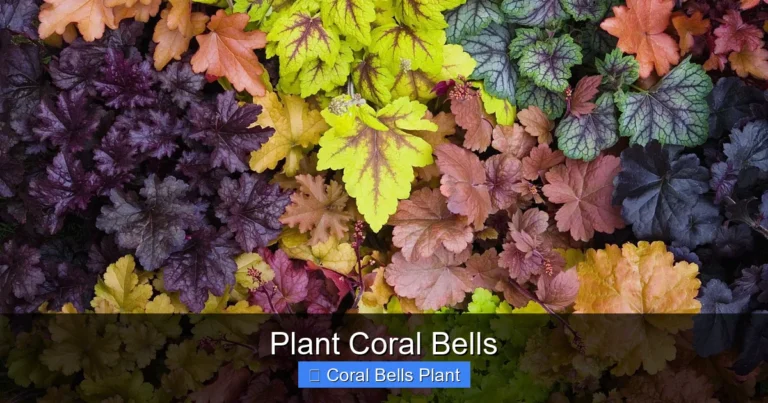
Coral bells are a favorite for many gardeners. They bring bright color to shady spots. The leaves come in many shades. You can find deep purple, bright lime, warm caramel, and near black. These plants are easy to grow. They need little care once established. Many people decide to buy coral bell plants for their gardens.
When you decide to buy coral bell plants you join a large community of fans. The plants are also known as Heuchera. They are native to North America. They grow well in many climates. They tolerate cold winters and hot summers. This makes them a versatile choice.
This guide will help you learn why to buy coral bell plants. It will show you the best varieties. It will explain where to buy coral bell plants. It will teach you how to pick healthy specimens. It will give you planting and care steps. It will also cover common problems. Read on to become a coral bell expert.
Key Takeaways
- Variety matters: Different coral bell types offer unique leaf colors and sizes.
- Source quality: Purchase from reputable growers to ensure healthy plants.
- Shade tolerant: Most coral bells thrive in partial to full shade.
- Well‑drained soil: Good drainage prevents root rot.
- Regular watering: Keep soil evenly moist but not soggy.
- Seasonal care: Mulch in winter and divide clumps every few years.
- Pest watch: Inspect leaves often for aphids and slugs.
Quick Answers to Common Questions
What is the best time to buy coral bell plants?
Spring is ideal because nurseries have fresh stock and plants establish before summer heat.
Can coral bells grow in full sun?
They prefer partial shade; full sun may cause leaf scorch in hot climates.
How often should I divide coral bells?
Divide clumps every three to four years to maintain vigor.
Do coral bells attract pollinators?
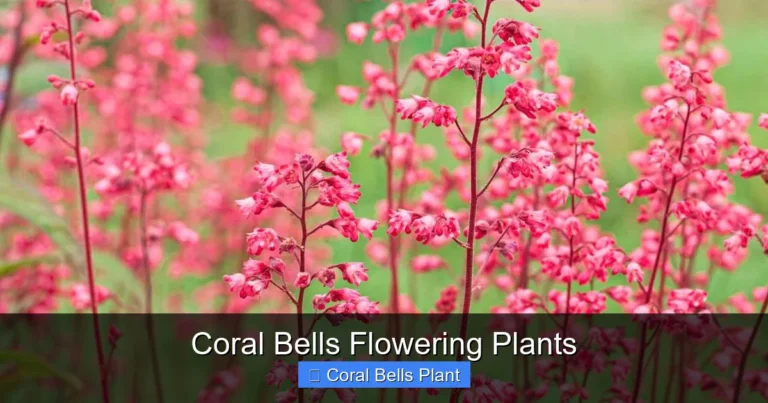
Their small flowers attract bees and hummingbirds in late spring.
Are coral bells deer resistant?
Yes, deer usually avoid them because of their bitter foliage.
📑 Table of Contents
Why Buy Coral Bell Plants
Colorful Foliage All Season
Coral bells keep their color from spring to fall. The leaves do not fade quickly. They add interest when flowers are gone. You can enjoy red, purple, silver, and green tones. This long lasting display is a top reason to buy coral bell plants. The foliage stays vibrant even in heat. Garden visitors notice the bright leaves. You get a living palette that changes with light. This makes every garden bed look lively.
Low Maintenance Needs
These plants ask for little work. They need water during dry spells. They do not require heavy feeding. A light mulch each year is enough. This low care nature makes them perfect for busy gardeners. Many choose to buy coral bell plants for this reason. You spend less time on chores. You enjoy more time admiring the garden. The plants reward you with beauty for minimal effort.
Versatile Garden Uses
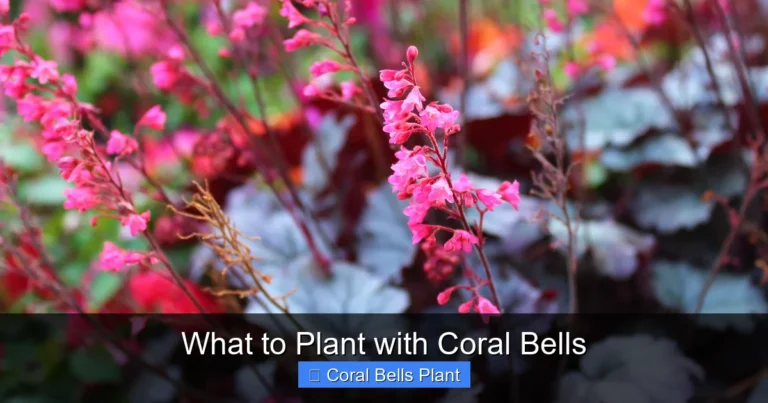
You can plant coral bells in borders. They work well in containers. They look great under trees. They also thrive in rock gardens. Their compact size fits small spaces. This versatility encourages people to buy coral bell plants for many designs. You can mix them with ferns or hostas. They also pair nicely with spring bulbs. The design options are almost endless.
Popular Varieties of Coral Bells
Heuchera Palace Purple
Palace Purple offers deep burgundy leaves. The color stays strong in sun and shade. It grows about twelve inches tall. It forms a neat mound. This variety is a top pick when you buy coral bell plants. The foliage holds its hue through summer. It adds drama to any shade garden. It also tolerates a range of soil types.
Heuchera Caramel
Caramel shows warm amber leaves. The hue shifts to orange in cool weather. It reaches ten inches high. It adds a sweet glow to shady beds. Gardeners often buy coral bell plants of this type for a cozy feel. The color deepens as temperatures drop. It creates a striking contrast with green foliage. It is also resistant to many common pests.
Heuchera Lime Rickey
Lime Rickey features bright chartreuse foliage. The color pops in dark corners. It stays compact at eight inches. It is ideal for edging paths. Many buyers select this when they buy coral bell plants. The bright leaves light up shady walkways. It also works well in mixed containers. The plant stays tidy without frequent pruning.
Heuchera Obsidian
Obsidian has near black leaves. The dark foliage creates drama. It grows about twelve inches tall. It pairs well with bright flowers. This striking variety is a favorite for those who buy coral bell plants. The deep color holds up in full sun. It also tolerates drought once established. It adds a modern touch to any garden design.
Where to Buy Coral Bell Plants
Local Nurseries
Visit a nearby nursery to see plants in person. You can check leaf color and health. Staff can answer questions about hardiness. Buying locally supports your community. It is a reliable way to buy coral bell plants. You can also ask for planting advice on the spot. The plants are acclimated to your region. This reduces transplant shock.
Online Retailers
Many websites sell coral bells. They often have a wider selection. Read reviews before you order. Look for sellers with good shipping policies. This option lets you buy coral bell plants from home. You can compare prices easily. Many online shops offer guarantees. You receive plants at your door ready to plant.
Garden Centers
Large garden centers carry popular varieties. They usually stock plants in spring. You can compare several types side by side. Prices are often competitive. This makes garden centers a solid place to buy coral bell plants. You can also pick up soil and mulch in one trip. Staff may offer seasonal care workshops.
Plant Swaps
Community plant swaps let gardeners trade divisions. You can get unique cultivars for free. It is a fun way to expand your collection. Swaps also build local gardening networks. Consider a swap when you plan to buy coral bell plants. You may discover rare varieties not sold commercially. It is a low cost way to diversify your garden.
How to Choose Healthy Plants
Check Leaves
Look for firm, vibrant leaves. Avoid plants with yellow or brown spots. Healthy leaves indicate good vigor. This step is crucial when you buy coral bell plants. The leaf texture should feel smooth. No signs of wilting or curling. Bright color means the plant received proper light. Choose the best looking specimen.
Inspect Roots
Gently remove the pot to view roots. Roots should be white and firm. Dark or mushy roots signal trouble. Choose plants with a strong root system. This ensures success after you buy coral bell plants. A healthy root ball holds soil well. It will establish quickly in your garden. Avoid plants with circling roots.
Look for Pests
Examine the undersides of leaves. Search for aphids, spider mites, or slugs. Early detection prevents spread. A clean plant is a safe investment when you buy coral bell plants. Use a magnifying glass if needed. Remove any visible insects by hand. Quarantine new plants for a week.
Ask About Hardiness
Confirm the plant’s zone rating. Match it to your local climate. A plant rated for your zone will survive winter. This knowledge guides you when you buy coral bell plants. Ask the seller for the USDA zone. Choose varieties that match your lowest temperature. This reduces risk of winter loss.
Planting and Care Guide
Site Selection
Pick a spot with dappled shade. Morning sun and afternoon shade works well. Avoid deep, dark shade. Too much sun can scorch leaves. Proper site choice helps when you buy coral bell plants. Observe the area for a few days. Note how light moves across the bed. Choose the most balanced location.
Soil Preparation
Amend soil with compost. Aim for a loose, well‑drained mix. A pH near neutral is best. Good soil sets the stage for healthy growth. Prepare the bed before you buy coral bell plants. Work organic matter into the top twelve inches. This improves moisture retention. It also adds nutrients slowly.
Planting Steps
Dig a hole twice the width of the root ball. Place the plant at the same depth as in the pot. Backfill with soil and firm gently. Water thoroughly after planting. Follow these steps each time you buy coral bell plants. Space plants twelve to eighteen inches apart. This allows air flow and future growth.
Watering Schedule
Water deeply once a week. Increase frequency during hot spells. Keep soil evenly moist. Do not let it dry out completely. Consistent moisture supports plants you buy coral bell plants. Use a soaker hose for efficiency. Mulch helps retain water longer. Check soil with your finger before watering.
Fertilizing Tips
Apply a balanced slow‑release fertilizer in spring. Avoid high nitrogen formulas. Too much nitrogen reduces leaf color. Light feeding keeps plants vibrant. Use this tip after you buy coral bell plants. Follow package rates carefully. Over fertilizing can cause weak growth. A single application per year is enough.
Mulching
Spread a two‑inch layer of shredded bark. Mulch conserves moisture. It also suppresses weeds. Refresh mulch each spring. This simple act benefits every plant you buy coral bell plants. Keep mulch away from the crown. This prevents rot at the base. Organic mulch breaks down and feeds soil.
Common Problems and Solutions
Leaf Scorch
Brown edges appear when sun is too intense. Move the plant to a shadier spot. Add a shade cloth if needed. Water more during heat waves. This fixes scorch on plants you buy coral bell plants. Trim damaged leaves to improve appearance. New growth will emerge healthy. Monitor light levels each season.
Root Rot
Soggy soil causes roots to decay. Ensure good drainage. Reduce watering if soil stays wet. Replant in raised beds if necessary. Prevent rot on every plant you buy coral bell plants. Add coarse sand to heavy clay. Check drainage after heavy rain. Healthy roots are white and firm.
Aphid Infestation
Small green insects cluster on new growth. Spray with insecticidal soap. Encourage ladybugs in the garden. Regular checks stop outbreaks. Protect the plants you buy coral bell plants. Rinse leaves with strong water jet. Apply neem oil for persistent cases. Keep garden clean of debris.
Fungal Diseases
Powdery mildew shows as white dust on leaves. Improve air circulation. Water at the base, not the foliage. Apply a fungicide if needed. Keep your collection healthy after you buy coral bell plants. Space plants for better airflow. Remove infected leaves promptly. Rotate crops each year if possible.
Growing coral bells rewards you with lasting color and texture. Follow the steps above for success. Whether you are a beginner or an experienced gardener, these tips will help. Enjoy the beauty of your new plants.
Frequently Asked Questions
What soil type do coral bells prefer?
Coral bells thrive in well‑drained, humus‑rich soil with a neutral pH.
How much water do coral bells need?
Keep the soil evenly moist; water deeply once a week, more in heat.
Can I grow coral bells in containers?
Yes, use a quality potting mix and ensure drainage holes.
When do coral bells bloom?
They produce delicate flower spikes in late spring to early summer.
How do I protect coral bells in winter?
Apply a thick mulch layer and avoid excessive wetness around crowns.
What fertilizer is best for coral bells?
A balanced slow‑release fertilizer applied in early spring works well.