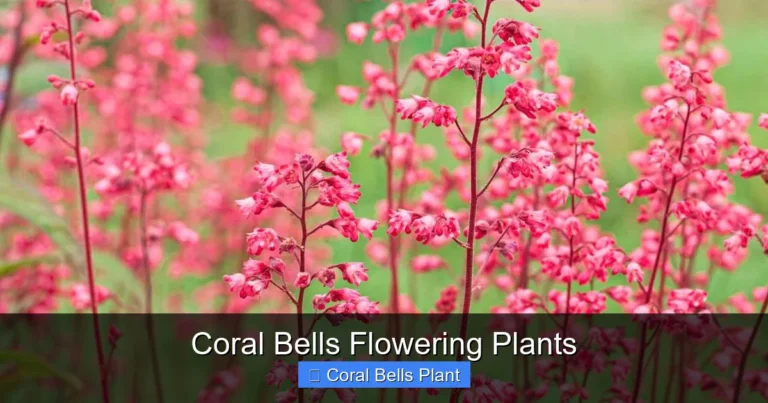
Care of Coral Bell Plants
Coral bells thrive in partial shade, well‑drained soil, and consistent moisture. Proper feeding and timely pruning keep the foliage bright and the plant healthy.
Welcome to the full guide on care of coral bell plants. These perennials are loved for their colorful leaves and delicate flowers. With a few simple steps you can enjoy them for many seasons.
First, understand the basic needs of the plant. Light, soil, water, and nutrients all work together. When you meet each need the plant rewards you with vibrant foliage.
In the sections below you will find clear tips for each part of care of coral bell plants. Follow them and your garden will shine.
Key Takeaways
- Light: Provide dappled shade or morning sun for best color.
- Soil: Use rich, loose, well‑drained soil with organic matter.
- Water: Keep soil evenly moist but never soggy.
- Fertilizer: Apply a balanced slow‑release feed in spring.
- Pruning: Remove spent leaves and flower stalks to encourage new growth.
- Pests: Watch for slugs, aphids, and fungal spots; treat early.
Quick Answers to Common Questions
How much sun do coral bells need?
Coral bells do best with morning sun and afternoon shade. Too much hot sun can burn the leaves.
What type of soil is best for coral bells?
A loose, well‑drained soil rich in organic matter works best. Aim for a slightly acidic to neutral pH.
How often should I water coral bells?
Water when the top inch of soil feels dry. Keep the soil evenly moist but not soggy.
When should I fertilize coral bells?
Apply a balanced slow‑release fertilizer in early spring when new growth starts.
How do I divide coral bells?
Divide clumps every three to four years in early spring. Replant divisions at the same depth and water well.
📑 Table of Contents
Care of Coral Bell Plants: Light Requirements
Choosing the Right Spot
In care of coral bell plants, light is the first factor. Pick a site with dappled shade or gentle morning sun. Avoid deep shade that slows growth.
Observe the area through the day. Note where shadows fall. Choose the spot that gives bright but filtered light.
Morning Sun Benefits
Morning sun warms the leaves without burning them. It boosts leaf color and flower production. A few hours of early light is ideal.
If your garden faces east, the plant will receive perfect morning rays. This leads to richer hues.
Avoiding Hot Afternoon Sun
Hot afternoon sun can scorch the foliage. Leaves may turn brown at the edges. Provide shade during the hottest hours.
Use a nearby taller plant or a shade cloth. This protects the coral bells from intense heat.
Signs of Too Much Light
Leaves may turn pale or develop brown edges. The plant may wilt in the afternoon. Move the plant to a shadier location if you see these signs.
Check the soil moisture as well. Excess light often dries the soil fast.
Signs of Too Little Light
Foliage may become leggy and lose color. Flowers may be few. Increase light gradually by moving the plant to a brighter spot.
Do not shock the plant with sudden full sun. Adjust over a week.
Adjusting Light Through Seasons
In spring the sun is gentle. The plant can tolerate more exposure. In summer provide extra shade.
In fall the light softens again. You can reduce shading as temperatures drop.
Care of Coral Bell Plants: Soil and Planting
Ideal Soil Texture
In care of coral bell plants, soil texture matters. Use a loose, well‑drained mix rich in organic matter. A blend of loam, compost, and coarse sand works well.
The soil should crumble easily in your hand. This ensures roots can spread.
Adding Organic Matter
Mix in compost or aged manure before planting. Organic matter improves fertility and moisture retention. It also feeds beneficial microbes.
Apply a two‑inch layer each year. This keeps the soil healthy.
Checking Drainage
Dig a test hole and fill with water. Good drainage empties within an hour. If water lingers, add perlite or grit.
Proper drainage prevents root rot. It also reduces fungal problems.
Planting Depth Guidelines
Set the crown at soil level. Do not bury the crown. Planting too deep can cause crown rot.
Gently firm the soil around the roots. Water well after planting.
Spacing for Air Flow
Space plants twelve to eighteen inches apart. Adequate spacing allows air to circulate. Good air flow reduces disease risk.
Crowded plants compete for nutrients. They also stay wet longer.
Container Soil Mix
For pots use a high‑quality potting mix with added compost. Ensure the container has drainage holes. A layer of gravel at the bottom helps excess water escape.
Water thoroughly after planting. Keep the mix evenly moist.
Care of Coral Bell Plants: Watering Guidelines
How to Test Soil Moisture
In care of coral bell plants, check moisture by feeling the top inch of soil. If it feels dry, it is time to water. A simple finger test works well.
Do not rely on a schedule alone. Weather changes affect soil dryness.
Frequency in Summer
During hot weeks water every two to three days. Keep the soil consistently moist. Avoid letting it dry out completely.
Morning watering reduces evaporation. It also lets foliage dry before night.
Frequency in Cool Weather
In spring and fall water less often. Once a week may be enough. Check soil before each watering.
Cool temperatures slow evaporation. Overwatering in cool weather causes root problems.
Best Watering Methods
Water at the base of the plant. Keep leaves dry to prevent fungal spots. A soaker hose or drip irrigation is ideal.
If using a watering can, aim the spout at the soil. Avoid splashing the foliage.
Using Mulch to Retain Moisture
Apply a two‑inch layer of shredded bark or straw. Mulch conserves moisture and moderates soil temperature. It also suppresses weeds.
Replenish mulch each spring. Keep it a few inches away from the crown.
Seasonal Watering Adjustments
Reduce watering in late fall as growth slows. In winter keep the soil just barely moist if the ground is not frozen. Mulch helps retain moisture.
Resume regular watering when new growth appears in spring.
Care of Coral Bell Plants: Fertilizing and Feeding
Selecting a Balanced Fertilizer
In care of coral bell plants, choose a balanced slow‑release fertilizer. An N‑P‑K ratio like 10‑10‑10 works well. Organic options such as compost tea also provide steady nutrition.
Read the label for application rates. Follow them to avoid burn.
Organic Feeding Options
Well‑rotted manure or worm castings enrich the soil naturally. They release nutrients slowly. They also improve soil structure.
Apply a thin layer around the base in early spring. Water it in gently.
Spring Feeding Schedule
Feed once in early spring when new leaves emerge. This fuels the first flush of growth. A single application is often enough.
If the soil is poor, a second light feed in midsummer can help. Do not fertilize after August.
Mid‑Season Light Feed
Use a diluted liquid fertilizer at half strength. Apply after a rain or watering. This gives a quick nutrient boost without risk of burn.
Observe the plant for brighter foliage. Stop feeding if leaves look overly lush.
Avoiding Fertilizer Burn
Never apply fertilizer to dry soil. Water first, then feed. Excess salts can damage roots.
If you see brown leaf edges, flush the soil with plenty of water. This removes excess salts.
Signs of Nutrient Deficiency
Yellowing older leaves may indicate nitrogen shortage. Purple tinges can signal phosphorus lack. Stunted growth often points to potassium need.
Test soil if symptoms persist. Adjust feeding based on results.
Care of Coral Bell Plants: Pruning and Maintenance
When to Prune in Spring
In care of coral bell plants, prune in early spring before new leaves emerge. Remove any dead or damaged foliage from winter. This clears the way for fresh growth.
Use clean, sharp tools. Disinfect blades between cuts to prevent disease spread.
Deadheading Spent Flowers
After flowering cut back spent flower stalks. This tidies the plant and may encourage a second bloom. Snip just above a healthy leaf node.
Regular deadheading keeps the plant looking neat. It also directs energy to foliage.
Removing Damaged Leaves
Throughout the season remove leaves that are brown, spotted, or torn. This improves air flow and reduces pest hiding places.
Dispose of removed material away from the garden. Do not compost diseased leaves.
Tools for Clean Cuts
Use bypass pruners for small stems. For thicker stalks a small hand saw works. Keep blades sharp for smooth cuts.
Clean tools with rubbing alcohol after each use. This limits pathogen transfer.
Dividing Overcrowded Clumps
Every three to four years divide crowded clumps in early spring. Lift the plant, separate roots, and replant divisions at the same depth. Water well after dividing.
Division rejuvenates the plant. It also gives you new plants for other spots.
Post‑Pruning Care
After pruning apply a light mulch layer. Water the plant to settle the soil. Monitor for new growth within a week.
Avoid heavy feeding immediately after pruning. Let the plant recover first.
Care of Coral Bell Plants: Common Pests and Problems
Identifying Slug Damage
In care of coral bell plants, slugs leave irregular holes in leaves. They feed at night and hide in damp mulch. Look for silvery trails on the soil.
Hand‑pick slugs after dark. Use beer traps or copper tape around the base for control.
Controlling Aphids Naturally
Aphids cluster on new growth and flower buds. They suck sap and excrete honeydew. A strong jet of water dislodges most of them.
If needed, spray insecticidal soap early in the morning. Repeat every few days until gone.
Preventing Fungal Leaf Spot
Wet foliage encourages fungus. Water at the base and improve air flow. Remove affected leaves promptly.
Apply a copper‑based fungicide if spots spread. Follow label directions carefully.
Managing Root Rot
Overwatering or poor drainage leads to root rot. Roots turn brown and mushy. The plant wilts despite wet soil.
Improve drainage and reduce watering. Repot in fresh, well‑drained mix if the plant is in a container.
Dealing with Powdery Mildew
Powdery mildew appears as white dust on leaves. It thrives in humid, shaded conditions. Increase spacing and avoid overhead watering.
Treat with a sulfur‑based spray at first sign. Repeat weekly until cleared.
Using Companion Plants for Pest Control
Plant herbs like mint or rosemary nearby. Their strong scent repels many insects. Marigolds also deter nematodes and aphids.
Companion planting adds beauty and reduces chemical use. Choose companions with similar light and water needs.
By following these steps you give your coral bells the best chance to thrive. Remember that care of coral bell plants is a simple routine of light, soil, water, food, and occasional pruning. Enjoy the colorful show they bring to your garden each year.
Frequently Asked Questions
Can coral bells grow in full shade?
Coral bells tolerate full shade but may produce fewer flowers and less vibrant foliage. Partial shade is ideal for best color.
Are coral bells deer resistant?
Yes, coral bells are generally deer resistant because of their bitter taste. However, hungry deer may still nibble them.
Do coral bells need winter protection?
In cold zones mulch the crown with straw or leaves. This protects roots from freeze‑thaw cycles.
Can I grow coral bells in containers?
Absolutely. Use a pot with drainage holes and a quality potting mix. Keep the soil moist and fertilize lightly in spring.
Why are my coral bell leaves turning brown?
Brown edges often mean too much sun, underwatering, or fertilizer burn. Check light, water, and feeding practices.
How long do coral bells live?
With proper care coral bells can live for many years, often 5 to 10 years or more. Regular division helps maintain vigor.