Coral Bells Perennial Plant
Coral bells perennial plant offers stunning foliage and delicate blooms that thrive in shade to part‑sun gardens. With proper soil, watering, and seasonal care, these low‑maintenance perennials provide year‑round interest and attract pollinators.
Key Takeaways
- Versatile foliage: Coral bells perennial plant comes in a rainbow of leaf colors, from deep burgundy to bright chartreuse.
- Shade tolerant: Most varieties flourish in partial shade, making them ideal for woodland beds and north‑facing borders.
- Low maintenance: Once established, they require minimal watering and rarely need fertilizing.
- Seasonal interest: Evergreen or semi‑evergreen leaves keep the garden lively through winter.
- Pollinator friendly: Tiny bell‑shaped flowers attract bees and hummingbirds in late spring.
- Easy propagation: Division every 3‑4 years rejuvenates clumps and yields new plants.
- Design flexibility: Use them as groundcovers, container accents, or mixed‑border highlights.
Quick Answers to Common Questions
What is the best time to plant coral bells perennial plant?
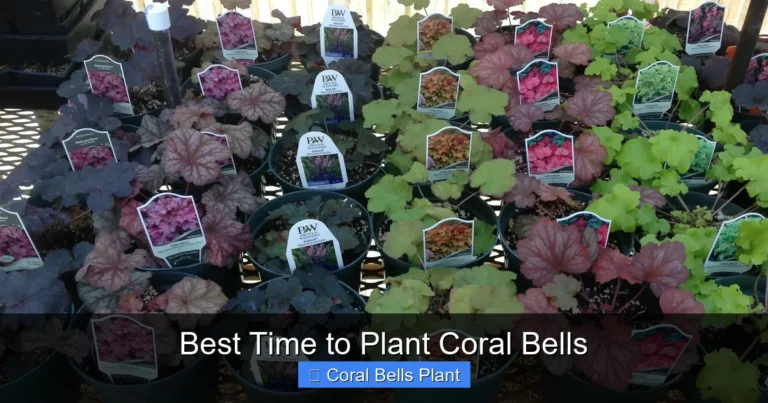
Early spring or early fall gives roots time to establish before extreme temperatures.
How often should I water established coral bells perennial plant?
Water deeply once a week during dry periods; reduce frequency in cooler months.
Can coral bells perennial plant grow in full sun?
Most prefer partial shade, but some sun‑tolerant hybrids handle up to four hours of morning sun if kept moist.
When should I divide my coral bells perennial plant clumps?
Divide every three to four years in early spring or early fall for best vigor.
What companion plants work well with coral bells perennial plant?
Hostas, ferns, astilbes, and shade‑loving annuals like impatiens create beautiful, low‑maintenance pairings.
📑 Table of Contents
Introduction
If you love a garden that looks lively even in the cooler months, the coral bells perennial plant should be on your radar. These hardy perennials bring a splash of color with their ruffled leaves and delicate flower spikes. They ask for little more than a well‑drained spot and a bit of shade, yet they reward you with months of visual interest. In this guide we’ll walk through everything you need to know—from picking the right cultivar to keeping the clumps healthy year after year.
Whether you’re a seasoned gardener or just starting out, you’ll find practical tips that make growing coral bells perennial plant a breeze. We’ll cover soil preparation, watering schedules, seasonal chores, and how to tackle common pests. By the end, you’ll feel confident adding these versatile plants to any garden design.
What Are Coral Bells?
Botanical background
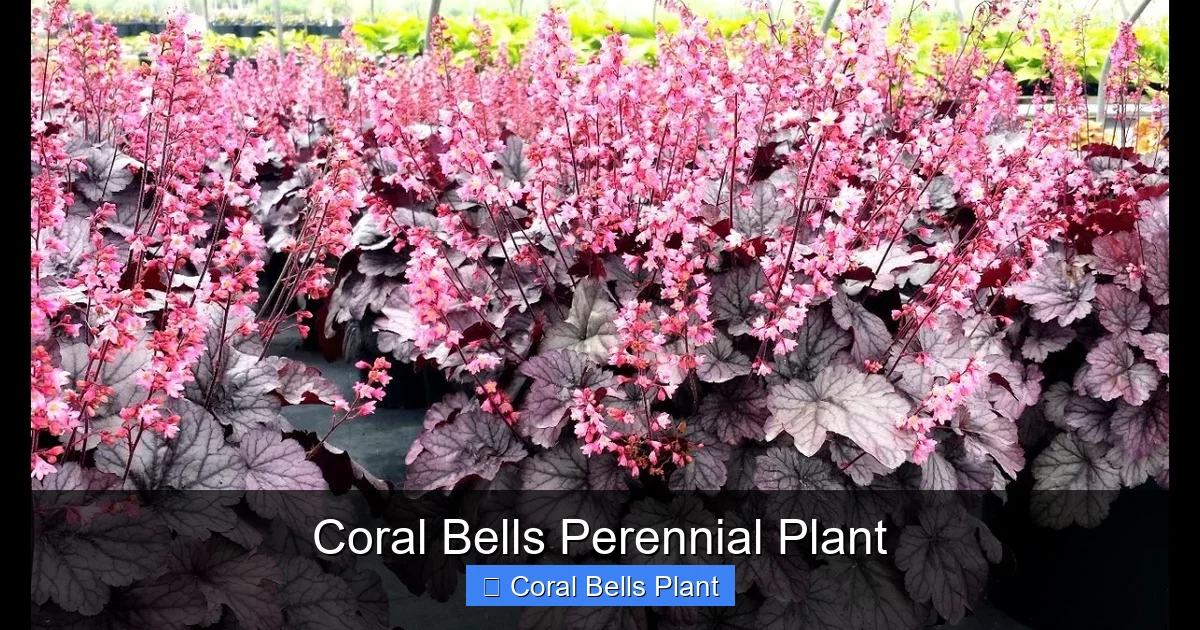
Coral bells belong to the genus Heuchera, a group of about 50 species native to North America. The common name comes from the tiny, bell‑shaped flowers that dangle from slender stems in late spring. While the blooms are charming, most gardeners grow coral bells perennial plant for their spectacular foliage.
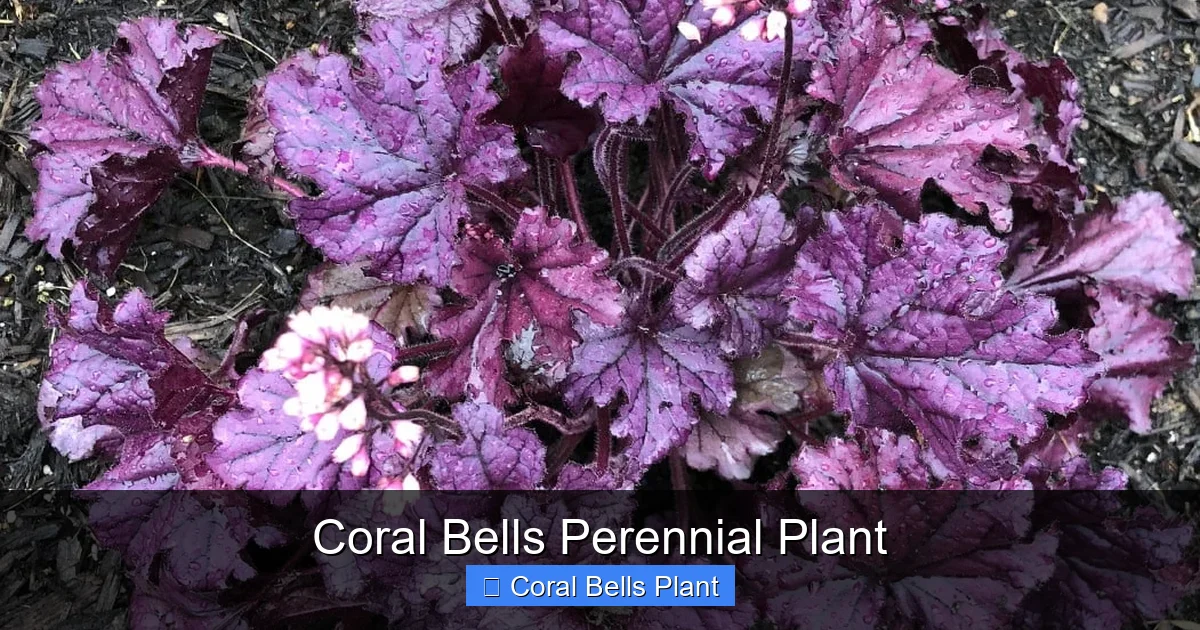
Visual guide about Coral Bells Perennial Plant
Image source: i5.walmartimages.com
Foliage variety
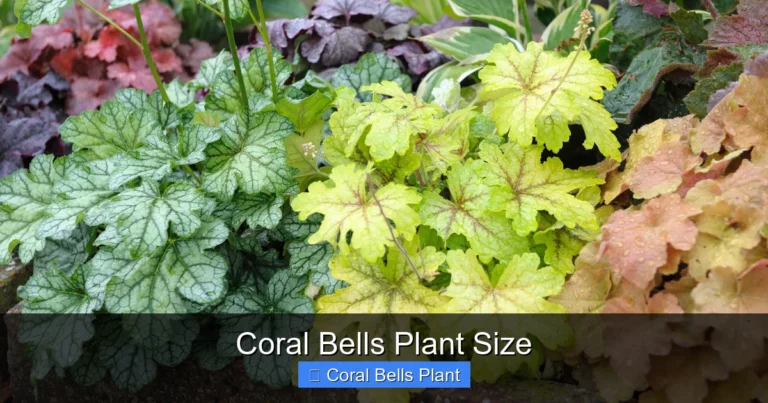
Leaves range from deep purple and chocolate brown to lime green, silver, and even near‑black. Some cultivars display striking veining or ruffled edges. This diversity lets you create color echoes throughout the garden without relying on flowers alone.
Growth habit
Most coral bells perennial plant form compact mounds 12‑18 inches tall and wide. They spread slowly by short rhizomes, making them excellent groundcovers or edging plants. In mild climates the foliage stays evergreen; in colder zones it may die back but returns vigorously in spring.
Choosing the Right Variety
Color palette considerations
Pick a hue that complements your existing planting scheme. Dark‑leaf types like ‘Palace Purple’ add drama against light‑colored stones, while chartreuse selections such as ‘Lime Rickey’ brighten shady corners. Mixing several shades creates a tapestry effect that looks intentional.
Sun tolerance
Although coral bells perennial plant prefer dappled shade, some newer hybrids tolerate more sun if kept moist. Varieties labeled “sun‑tolerant” can handle up to four hours of direct morning light. Always check the plant tag for specific exposure recommendations.
Size and form
Compact cultivars stay under 12 inches, perfect for containers or tight borders. Larger forms reach 24 inches and work well as focal points in mixed beds. Choose a size that matches the space you have available.
Hardiness zones
Most coral bells perennial plant thrive in USDA zones 4‑9. In zone 3 they may need winter mulch, while zone 10 gardeners should provide afternoon shade and consistent moisture to prevent leaf scorch.
Planting and Soil Requirements
Ideal soil texture
A loose, humus‑rich loam with good drainage is the gold standard. Heavy clay can be amended with compost and coarse sand to improve aeration. Sandy soils benefit from added organic matter to retain moisture.
pH preferences
Coral bells perennial plant prefer slightly acidic to neutral pH, roughly 6.0‑7.0. A simple soil test kit will tell you if you need to add elemental sulfur or lime.
Planting depth and spacing
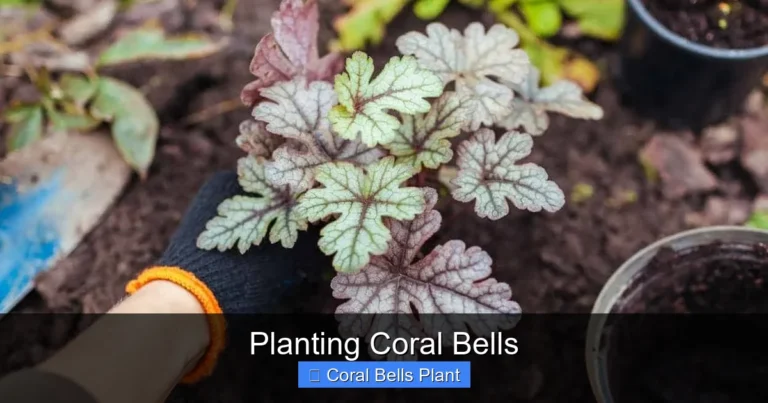
Set the crown at soil level—burying it too deep invites rot. Space plants 12‑18 inches apart to allow air circulation and future division. Water thoroughly after planting to settle the soil around roots.
Container growing tips
Use a high‑quality potting mix with perlite or vermiculite. Choose a pot at least 12 inches wide with drainage holes. Feed container specimens with a slow‑release fertilizer in early spring.
Watering, Feeding, and Mulching
Watering schedule
Newly planted coral bells perennial plant need consistent moisture for the first six weeks. After establishment, water deeply once a week during dry spells. Avoid overhead watering late in the day to reduce fungal risk.
Fertilizer needs
These perennials are light feeders. A balanced, slow‑release 10‑10‑10 applied in early spring is usually sufficient. Over‑fertilizing encourages lush foliage at the expense of flower production.
Mulch benefits
A 2‑inch layer of shredded bark or leaf mold conserves moisture, suppresses weeds, and slowly adds organic matter. Keep mulch a few inches away from the crown to prevent rot.
Seasonal adjustments
In hot summer months increase watering frequency. In winter, reduce watering but don’t let the root ball dry out completely, especially in containers.
Seasonal Care and Pruning
Spring cleanup
Remove any dead or damaged leaves as new growth emerges. This improves air flow and showcases fresh foliage. Lightly loosen the soil surface to incorporate any winter mulch.
Deadheading flowers
Snip spent flower stems back to the base after blooming. This tidies the plant and can encourage a second, smaller flush of blooms in some cultivars.
Division timing
Divide clumps every three to four years in early spring or early fall. Dig up the whole plant, separate healthy sections with a sharp knife, and replant at the same depth. Division rejuvenates vigor and yields free plants.
Winter protection
In zones 4‑5 apply a 3‑inch mulch blanket after the ground freezes. In milder zones, a light layer of straw is enough. Avoid heavy, wet mulches that can smother the crown.
Common Pests, Diseases, and Troubleshooting
Leaf spot and rust
Fungal leaf spots appear as brown lesions with yellow halos. Improve air circulation, water at the base, and remove affected foliage. Copper‑based fungicides can be used as a last resort.
Root rot
Overwatering or poorly drained soil leads to mushy roots. Ensure proper drainage and let the top inch of soil dry between waterings. If rot is detected, trim affected roots and replant in fresh medium.
Slugs and snails
These nocturnal feeders love the tender leaves. Hand‑pick at dusk, set beer traps, or apply iron phosphate bait around the plants.
Deer and rabbit browsing
While not a favorite, hungry wildlife may nibble. Use repellent sprays or physical barriers like chicken wire cages for young plants.
Nutrient deficiencies
Yellowing between leaf veins often signals iron chlorosis in alkaline soils. Apply chelated iron or acidify the soil with elemental sulfur.
Design Ideas and Companion Planting
Shade garden tapestry
Combine coral bells perennial plant with hostas, ferns, and astilbes for a layered texture. The contrasting leaf shapes create visual depth without relying on flowers.
Container arrangements
Pair a bold‑leaf cultivar with trailing ivy and a splash of annual color like impatiens. The perennial provides structure year‑round while annuals change with the seasons.
Border edging
Plant a row of low‑growing varieties along a pathway. Their neat mounds define the edge and soften hard lines.
Rock garden accents
Tuck a few specimens into crevices between stones. The foliage spills over rocks, adding a naturalistic feel.
Pollinator pockets
Group several coral bells perennial plant near a bee‑friendly herb garden. The early summer flowers supply nectar when many other perennials are still budding.
Conclusion
Growing coral bells perennial plant is a rewarding way to add lasting color and texture to any garden. With a little attention to soil, moisture, and seasonal chores, these resilient perennials will thrive for years, offering fresh foliage each spring and delicate blooms that beckon pollinators. Whether you tuck them into a shady border, showcase them in a container, or let them naturalize in a woodland setting, their versatility makes them a staple for gardeners of all skill levels. Start with a few favorite cultivars, follow the care guidelines above, and watch your garden transform into a year‑round showcase of foliage brilliance.
Frequently Asked Questions
Are coral bells perennial plant deer resistant?
They are moderately deer resistant; hungry deer may browse young foliage, so repellents or barriers help in high‑pressure areas.
Do coral bells perennial plant need fertilizer every year?
A single application of balanced slow‑release fertilizer in early spring is usually enough; over‑fertilizing can reduce flowering.
Can I grow coral bells perennial plant indoors?
They can be grown as houseplants in bright, indirect light with consistent moisture, but they thrive best outdoors.
What causes brown leaf edges on coral bells perennial plant?
Brown edges often indicate underwatering, low humidity, or salt buildup from fertilizer; adjust watering and flush soil if needed.
How do I propagate coral bells perennial plant from seed?
Sow fresh seed in a moist seed‑starting mix, keep at 65‑70°F, and expect germination in 2‑4 weeks; however, division is faster and true to type.
Will coral bells perennial plant survive a hard freeze?
In zones 4‑9 they survive freezing temperatures; apply mulch in colder zones to protect the crown.