What Does a Coral Bell Plant Look Like
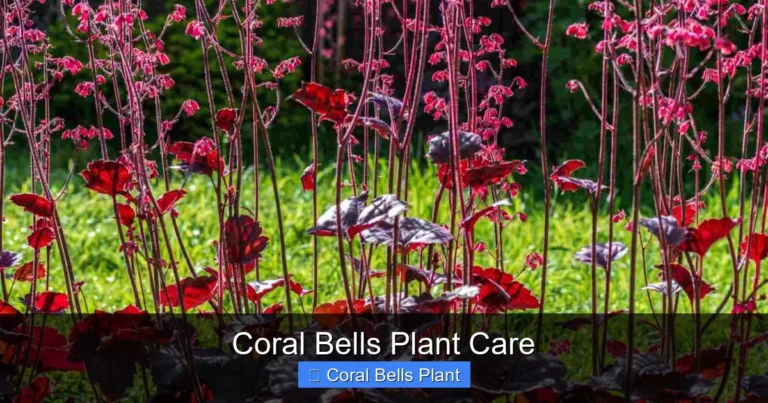
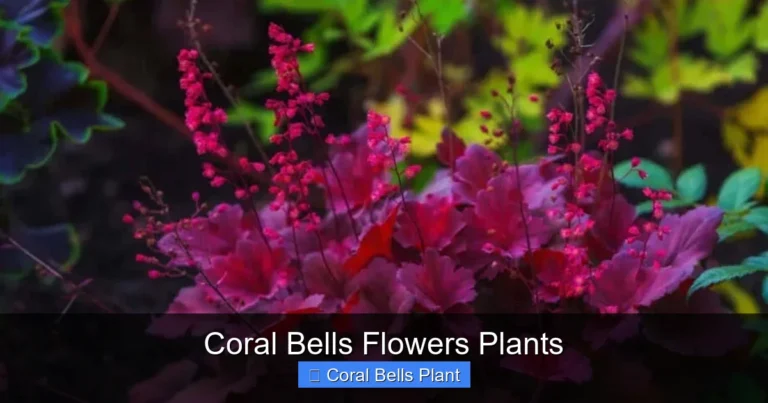
Coral bells (Heuchera) are stunning perennials prized for their colorful, ruffled foliage in shades of purple, lime, caramel, and near-black. Delicate bell-shaped flowers rise on wiry stems above the mound in late spring to summer, attracting hummingbirds and pollinators to shade gardens.
If you have ever wandered through a shade garden and spotted a plant with ruffled, jewel-toned leaves that seem to glow from within, chances are you were looking at a coral bell. These remarkable perennials have exploded in popularity over the past two decades, and for good reason. They bring reliable color to shady spots where flowers often struggle, and their foliage looks gorgeous from early spring until hard frost—and often well into winter.
But what does a coral bell plant look like, really? The answer is wonderfully complex because this genus offers an incredible range of colors, textures, and forms. Whether you are a seasoned gardener looking to expand your collection or a beginner trying to identify a mystery plant in your new yard, this guide will walk you through every visual detail of these shade-loving superstars.
Key Takeaways
- Foliage is the main attraction: Coral bells are grown primarily for their vibrant, lobed leaves that provide year-round color in shades from chartreuse to deep purple.
- Flowers are delicate and airy: Small bell-shaped blooms appear on tall, wiry stems in late spring through summer, typically in white, pink, or coral red.
- Mounding habit creates texture: Plants form neat, rounded clumps 8-18 inches tall and wide, perfect for borders, containers, and ground cover.
- Seasonal color changes: Many varieties shift hues with temperature changes, deepening in cool weather and brightening in heat.
- Evergreen in mild climates: Foliage persists through winter in zones 4-9, providing structure when other perennials die back.
- Huge variety selection: Hundreds of cultivars exist with distinct leaf shapes, veining patterns, and color combinations for every garden style.
- Shade-tolerant superstars: These plants thrive in partial to full shade, making them ideal for difficult low-light garden spots.
Quick Answers to Common Questions
What colors do coral bell leaves come in?
Coral bell foliage ranges from near-black and deep purple through burgundy, red, coral, caramel, amber, peach, chartreuse, lime, gold, silver, and pewter. Many varieties feature contrasting veins or seasonal color shifts.
How tall do coral bells grow?
The foliage mound typically reaches 8-18 inches tall and 12-24 inches wide. Flower stems rise higher, reaching 18-36 inches above the leaves during bloom season.
Do coral bells stay green all winter?
In zones 6-9, coral bells are essentially evergreen. In colder zones (4-5), foliage dies back but the crown survives underground and re-emerges in spring.
What do coral bell flowers look like?
Tiny bell-shaped flowers (1/4-1/2 inch) dangle from leafless, wiry stems in shades of white, pink, coral, or red. They bloom late spring through early summer and attract hummingbirds.
Can coral bells grow in full sun?
In cool climates (zones 4-6), many varieties tolerate full sun with consistent moisture. In warm climates (zones 7-9), afternoon shade is essential to prevent leaf scorch and color fading.
📑 Table of Contents
- The Signature Foliage: Where the Magic Happens
- Those Delicate Flowers: The Actual “Coral Bells”
- Plant Habit and Growth Pattern
- Popular Varieties and Their Distinctive Looks
- How Coral Bells Change Through the Seasons
- Identifying Coral Bells in the Garden
- Designing with Coral Bells: Visual Combinations
- Growing Conditions That Affect Appearance
- Common Problems That Change the Look
- Propagation: Making More of a Good Look
- Conclusion: A Plant for Every Shade Garden
The Signature Foliage: Where the Magic Happens
When gardeners talk about coral bells, they are almost always talking about the leaves. The botanical name Heuchera honors Johann Heinrich von Heucher, an 18th-century German physician and botanist, but the common name “coral bells” actually comes from the flowers. Ironically, most modern varieties are bred for foliage so spectacular that the blooms become a delightful bonus rather than the main event.
Leaf Shape and Texture
Coral bell leaves are typically rounded or heart-shaped with lobed edges that range from gently scalloped to deeply cut and ruffled. Think of a maple leaf that has been softened and given a more ornamental silhouette. Most varieties measure 3 to 5 inches across, though some miniature types stay under 2 inches and giant cultivars can reach 8 inches or more.
The texture is where things get really interesting. Many cultivars feature a subtle metallic sheen or a velvety matte finish. Some leaves are heavily veined with contrasting colors—dark purple veins on silver leaves, or burgundy veins on chartreuse backgrounds. Others display a frosted overlay that catches light beautifully. Run your fingers across a mature leaf and you will often feel a slight leathery thickness, a sign of the plant’s drought tolerance once established.
The Incredible Color Palette
This is where coral bells truly shine. Breeders have developed an astonishing spectrum of foliage colors:
- Deep purples and near-blacks: Varieties like ‘Obsidian,’ ‘Black Pearl,’ and ‘Forever Purple’ hold their dark saturation all season.
- Rich reds and burgundies: ‘Fire Alarm,’ ‘Red Lightning,’ and ‘Wild Rose’ bring warm drama to shade beds.
- Caramels, ambers, and peaches: The ‘Caramel’ series and ‘Georgia Peach’ offer sophisticated warm neutrals that blend with everything.
- Chartreuse, lime, and gold: ‘Lime Rickey,’ ‘Electra,’ and ‘Citronelle’ light up dark corners like living lanterns.
- Silvers and pewters: ‘Silver Scrolls,’ ‘Steel City,’ and ‘Appletini’ add cool elegance and reflect light.
- Variegated and patterned: Many cultivars combine multiple colors with dramatic veining, marbling, or contrasting edges.
What makes this even more fascinating is that many varieties change color with the seasons. A plant that emerges bright coral in spring may deepen to rich burgundy by summer, then shift to plum with silver overlay in fall. Cool temperatures often intensify colors, while heat can bring out brighter tones. This chameleon-like quality means your garden looks different every month.
Seasonal Foliage Changes
In spring, new growth emerges with the most intense, clean colors of the year. The leaves are often smaller and more vividly colored than mature foliage. As summer progresses, colors may mellow or deepen depending on the variety and sun exposure. Fall brings a second flush of brilliance for many cultivars, with cooler nights triggering anthocyanin production—the same pigments that make maples turn red.
In zones 6 and warmer, coral bells are essentially evergreen. The foliage may look a bit tired by late winter, but fresh growth emerges early from the crown. In colder zones (4-5), plants may die back to the ground but return reliably from the root system. Either way, you get months more visual interest than most flowering perennials provide.
Those Delicate Flowers: The Actual “Coral Bells”
While the foliage steals the show, the flowers are charming in their own right and the reason for the common name. Understanding what the blooms look like helps with identification and lets you appreciate the full picture.
Flower Structure and Appearance
True to their name, the individual flowers are tiny bells—typically 1/4 to 1/2 inch long—dangling from slender, wiry stems that rise well above the foliage mound. Each bell has five fused petals forming a tube that flares slightly at the mouth. The overall effect is airy and delicate, like a cloud of tiny lanterns floating above the leaves.
Flower colors range from pure white through soft pink to coral red and deeper rose. Some varieties have greenish-white or cream blooms. The color often corresponds loosely to the foliage—darker-leaved types tend toward pink or red flowers, while chartreuse and silver varieties often carry white or pale pink bells. But there are plenty of exceptions, and breeders have created striking combinations like dark purple leaves with pure white flowers.
Bloom Time and Duration
Most coral bells bloom from late spring through early summer, typically May to July depending on your zone and the specific variety. Some rebloom sporadically through summer, especially if deadheaded. The flower stems can reach 18 to 36 inches tall, creating a strong vertical element that contrasts beautifully with the low, mounding foliage.
Individual flowers last several days, but the overall bloom period extends for weeks because buds open sequentially along the stem. After pollination, small seed capsules form, but most gardeners remove the spent stems to keep the plant looking tidy and redirect energy to foliage production.
Pollinator Appeal
Those dainty bells are powerhouses for wildlife. Hummingbirds adore them—the tubular shape is perfectly adapted for their long beaks. Native bees, butterflies, and other beneficial insects also visit regularly. If you want to support pollinators in a shade garden, coral bells are one of your best options. The wiry stems sway in the breeze, making the flowers easy for hovering hummingbirds to access.
Plant Habit and Growth Pattern
Understanding the overall form helps you place coral bells effectively in your garden design. These are not sprawling or aggressive plants—they are neat, well-behaved clumpers that play nicely with neighbors.
Mounding Form
Coral bells grow as dense, rounded mounds from a central crown. The leaves radiate outward and slightly upward, creating a dome shape that typically reaches 8 to 18 inches tall and 12 to 24 inches wide at maturity. Miniature varieties like ‘Petite Pearl Fairy’ stay under 6 inches, while robust types like ‘Villosa’ cultivars can spread to 2 feet or more over time.
The crown sits at or just below soil level, with fibrous roots extending outward. This growth habit makes them excellent for edging paths, lining shady borders, or massing as ground cover. They do not run or spread aggressively—any increase in size comes from the crown slowly expanding, not from underground runners.
Basal Rosette Structure
Botanically speaking, coral bells produce a basal rosette—meaning all leaves emerge from the base of the plant rather than along upright stems. This is why they maintain such a tidy, compact appearance. The flower stems (technically called scapes) are leafless and rise directly from the crown, separate from the foliage.
This basal habit also explains why coral bells are so easy to divide. Every few years, the crown develops multiple growing points that can be separated and replanted. It’s a great way to multiply your plants or rejuvenate older specimens that have become woody in the center.
Root System
The roots are fibrous and relatively shallow, typically extending 6-12 inches deep. This makes coral bells well-suited for planting under trees where deeper-rooted perennials would compete with tree roots. However, it also means they appreciate consistent moisture and benefit from a layer of mulch to keep roots cool and moist.
Popular Varieties and Their Distinctive Looks
With hundreds of named cultivars on the market, it helps to know the major “families” of coral bells. Most modern varieties derive from a few key species, each contributing distinct characteristics.
The Villosa Hybrids: Heat and Humidity Champions
Derived from Heuchera villosa, a species native to the southeastern U.S., these varieties have larger, more angular leaves with a fuzzy or hairy texture. They handle heat and humidity far better than other types, making them essential for southern gardens. ‘Caramel,’ ‘Citronelle,’ ‘Mocha,’ and ‘Bronze Wave’ are standout examples. The leaves often have a maple-like shape with pronounced lobes and a soft, almost velvety feel.
The Americana/Sanguinea Hybrids: Classic Color Range
Crosses between H. americana (alumroot) and H. sanguinea (the original “coral bells” with showy red flowers) produced the first wave of fancy-leaved varieties. These tend to have more rounded, ruffled leaves with incredible color intensity. The ‘Palace Purple’ cultivar, a 1991 Perennial Plant of the Year, came from this lineage and started the whole foliage craze. Modern examples include the ‘Forever’ series, ‘Primo’ series, and ‘Dolce’ series.
The Micrantha Hybrids: Ruffles and Frills
Heuchera micrantha contributes extremely ruffled, deeply lobed leaves with a crisp texture. Varieties like ‘Marmalade,’ ‘Peach Flambe,’ and ‘Plum Pudding’ show this heritage. The leaves often look like they have been crimped with pinking shears, adding wonderful textural contrast to smoother-leaved shade plants like hostas.
Species Types for Naturalistic Plantings
Don’t overlook the straight species! Heuchera sanguinea has green leaves and the brightest coral-red flowers of the genus—true to the common name. Heuchera americana offers green leaves with silver veining and a more subtle charm. Heuchera villosa itself has large, hairy green leaves and white flowers in late summer. These species types blend beautifully in woodland gardens and native plantings.
How Coral Bells Change Through the Seasons
One of the joys of growing coral bells is watching them transform throughout the year. Few perennials offer this much seasonal dynamism.
Spring Awakening
As soil warms, fresh leaves push from the crown in a tight cluster, then unfurl like tiny umbrellas. Spring foliage is often the most intensely colored of the year—bright chartreuse, vivid coral, deepest purple. The new leaves have a clean, pristine quality without any weather damage. This is also when you might see the first flower stems emerging, promising the coming bloom show.
Summer Maturity
By early summer, the mound has reached full size. Flower stems are at their peak, swaying above the foliage. In hot climates, some varieties may experience color fading or “melting” if they get too much afternoon sun—chartreuse types can bleach to yellow, dark purples may develop a greenish cast. This is why afternoon shade is crucial in warmer zones. The foliage remains attractive through summer heat if moisture is adequate.
Fall Transformation
Cooler nights trigger spectacular changes. Many varieties develop richer, deeper tones—coral becomes burgundy, lime deepens to gold, silver takes on pink undertones. The veining often becomes more pronounced. Fall is arguably the most beautiful season for coral bells in many gardens. Flowering has usually finished, but the foliage carries the show magnificently.
Winter Presence
In zones 6-9, coral bells remain essentially evergreen. The leaves may lie flatter against the ground during hard freezes but perk up again during thaws. Some varieties develop beautiful winter colors—plum, bronze, silver-frosted—that persist until spring growth pushes them aside. In colder zones, the foliage dies back but the crown survives insulated by snow and mulch.
Identifying Coral Bells in the Garden
If you are trying to identify whether a plant in your garden is a coral bell, here are the key features to check:
Leaf Checklist
- Basal rosette growth (all leaves from base)
- Rounded to heart-shaped with lobed edges
- Long petioles (leaf stems) attaching to central crown
- Often ruffled, scalloped, or deeply cut margins
- Distinctive veining, often contrasting color
- Leathery or slightly fuzzy texture
- Colors beyond simple green—purple, red, silver, chartreuse, caramel
Flower Checklist
- Tiny bell-shaped flowers (1/4-1/2 inch)
- Dangling from leafless, wiry stems
- Stems rise well above foliage (18-36 inches)
- Colors: white, pink, coral, red
- Bloom late spring to early summer
- Attract hummingbirds
Growth Habit Checklist
- Dense, rounded mound
- 8-18 inches tall, 12-24 inches wide
- Clump-forming, not spreading by runners
- Crown at soil level
- Fibrous root system
Common Look-Alikes
Several plants resemble coral bells at first glance. Tiarella (foamflower) has similar leaves but they are more deeply lobed, often with a distinct dark center blotch, and the flowers form foamy spikes rather than dangling bells. Heucherella (foamy bells) is a hybrid between Heuchera and Tiarella, combining traits of both. Saxifraga species can look similar but usually have more succulent leaves. Bergenia has much larger, thicker leaves and different flowers. When in doubt, check for the combination of basal rosette, lobed ruffled leaves, and wiry stems with dangling bells.
Designing with Coral Bells: Visual Combinations
Understanding what coral bells look like helps you pair them effectively. Their mounding habit and incredible color range make them versatile design tools.
Foliage Contrasts
Pair dark purple varieties like ‘Obsidian’ with chartreuse hostas or golden Japanese forest grass (Hakonechloa) for high drama. Silver-leaved types like ‘Silver Scrolls’ glow next to deep green ferns. Caramel and amber varieties bridge warm and cool color schemes beautifully. The ruffled texture contrasts wonderfully with smooth, broad hosta leaves or strappy carex grasses.
Container Combinations
Coral bells are container superstars. Their shallow roots thrive in pots, and the mounding habit spills gracefully over edges. Try a “thriller-filler-spiller” combo with a tall fern or carex in center, coral bells as filler, and creeping jenny or lamium spilling over the rim. Single-variety pots make stunning specimens—imagine a large glazed pot filled entirely with ‘Lime Rickey’ glowing on a shaded patio.
Mass Plantings and Ground Cover
Space plants 12-18 inches apart for a continuous carpet of color. A mass of ‘Caramel’ under a grove of birches creates a living tapestry. Mix two or three complementary varieties for a subtle tapestry effect—perhaps ‘Plum Pudding,’ ‘Marmalade,’ and ‘Peach Flambe’ together. The effect is like a Persian rug woven from living plants.
Seasonal Succession
Plant early bulbs (snowdrops, crocus, species tulips) among coral bells. The bulbs bloom before coral bells hit their stride, then the expanding foliage hides the ripening bulb leaves. Add late-season interest with Japanese anemones or toad lilies (Tricyrtis) that bloom as coral bell flowers fade.
Growing Conditions That Affect Appearance
The way a coral bell looks in your garden depends heavily on where you plant it. Understanding these factors helps you get the best show.
Light Exposure
This is the single biggest factor. In cool climates (zones 4-6), many varieties tolerate full sun if moisture is consistent—the colors often intensify. In warm climates (zones 7-9), afternoon shade is essential to prevent leaf scorch and color bleaching. Chartreuse and yellow varieties need more shade to maintain their bright color; dark purple types can handle more sun. Morning sun with afternoon shade is the sweet spot for most gardens.
Soil and Moisture
Rich, well-drained soil with consistent moisture produces the lushest, largest leaves with the most intense color. Dry, lean soil leads to smaller, tougher leaves and slower growth. Heavy clay can cause crown rot, especially in winter. Amend planting holes with compost, and mulch annually with shredded leaves or bark to maintain moisture and soil quality.
Climate and Hardiness
Most coral bells are hardy in zones 4-9, but specific varieties have different tolerances. Villosa hybrids handle heat and humidity best. Northern-adapted varieties like ‘Palace Purple’ and the ‘Northern Exposure’ series handle extreme cold better. In zone 3, heavy winter mulch is essential. In zone 10, they may struggle with insufficient winter chill.
Common Problems That Change the Look
Even well-grown coral bells can develop issues that alter their appearance. Knowing these helps you diagnose and fix problems quickly.
Crown Rot
The number one killer. The crown turns mushy and black, leaves yellow and collapse. Usually caused by planting too deep, heavy wet soil, or excessive winter moisture. Plant with crown slightly above soil level, ensure excellent drainage, and avoid piling mulch against the crown.
Sun Scorch
Bleached, crispy patches on leaves, especially on the side facing afternoon sun. Chartreuse and yellow varieties show this first. Move to shadier spot or provide temporary shade cloth during heat waves.
Frost Heaving
In cold climates, freeze-thaw cycles can push the shallow crown out of the ground, exposing roots. The plant looks lifted, with roots visible. Press back gently in spring and mulch heavily after ground freezes.
Leaf Scorch and Tatter
Wind, hail, or physical damage tears the ruffled edges. Not fatal, but unsightly. Remove damaged leaves at base; new growth will replace them. Site in sheltered spots if possible.
Pests: Vine Weevils and Foliar Nematodes
Vine weevil adults notch leaf edges at night; larvae eat roots. Foliar nematodes cause angular brown patches between veins. Both are manageable with beneficial nematodes or targeted treatments.
Propagation: Making More of a Good Look
Once you fall for a particular variety’s appearance, you will want more. Fortunately, coral bells are easy to multiply.
Division
Every 3-4 years in spring or fall, dig the clump and pull or cut apart the crown into sections, each with roots and several growing points. Replant immediately at the same depth. This rejuvenates older plants that develop woody centers and gives you free plants.
Seed
Species types come relatively true from seed, but hybrids produce variable offspring—often interesting but not identical to the parent. Sow fresh seed on the surface of moist seed-starting mix; light aids germination. Expect flowering in year two.
Leaf Cuttings
Advanced but rewarding. Remove a leaf with a short piece of petiole, dip in rooting hormone, and place in moist perlite. Cover with a humidity dome. New plantlets form at the base of the petiole in 4-8 weeks.
Conclusion: A Plant for Every Shade Garden
So what does a coral bell plant look like? It looks like a living jewel box, a textural masterpiece, a four-season performer that asks for little and gives abundantly. From the deepest, velvety near-black of ‘Obsidian’ to the electric lime of ‘Electra,’ from the soft caramel of its namesake to the frosted silver of ‘Appletini,’ there is a coral bell for every color scheme, every garden style, every shady nook that needs a lift.
The foliage is the star—ruffled, veined, color-shifting, evergreen in mild winters. The flowers are the bonus—dainty bells on wiry wands that call hummingbirds from across the neighborhood. The habit is the dream—neat mounds that never run, never flop, never demand staking or constant division.
Whether you tuck a single ‘Caramel’ into a container, line a woodland path with ‘Plum Pudding,’ or create a tapestry of ten varieties under a canopy of maples, coral bells deliver visual impact that few shade plants can match. They have transformed shade gardening from a challenge into an opportunity for year-round color.
Next time you visit a nursery in spring, run your fingers over those ruffled leaves. Notice the veining, the sheen, the incredible range. Pick a color that speaks to you—there is no wrong choice. Plant it where you will see it daily. And watch as it becomes, quite simply, one of the most satisfying plants in your garden.
Frequently Asked Questions
How do I identify a coral bell plant?
Look for a basal rosette of ruffled, lobed leaves in colors beyond green, rising from a central crown. Wiry, leafless stems carry tiny dangling bell flowers in late spring. The plant forms a neat mound 8-18 inches tall.
What is the difference between coral bells and foamflower?
Coral bells (Heuchera) have rounded, ruffled leaves and dangling bell flowers on wiry stems. Foamflower (Tiarella) has more deeply lobed leaves often with dark centers, and foamy spike-like flower clusters. Heucherella is a hybrid between the two.
Why are my coral bells losing their color?
Color fading usually indicates too much sun, especially afternoon sun in warm climates. Chartreuse and yellow varieties bleach first. Move to a shadier location or provide afternoon shade. Insufficient light can also dull dark varieties.
When should I cut back coral bells?
Remove spent flower stems after blooming to tidy the plant. In late winter or early spring, remove any tattered or winter-damaged leaves at the base before new growth emerges. Avoid cutting into the woody crown.
Do coral bells spread aggressively?
No, coral bells are clump-forming perennials that expand slowly from the crown. They do not run by rhizomes or stolons. Divide every 3-4 years to maintain vigor and prevent the center from becoming woody.
What plants pair well with coral bells?
Excellent companions include hostas, ferns, Japanese forest grass, astilbe, hellebores, lungwort (Pulmonaria), and shade-tolerant ornamental grasses. Contrast leaf shapes, textures, and colors for the best visual impact.