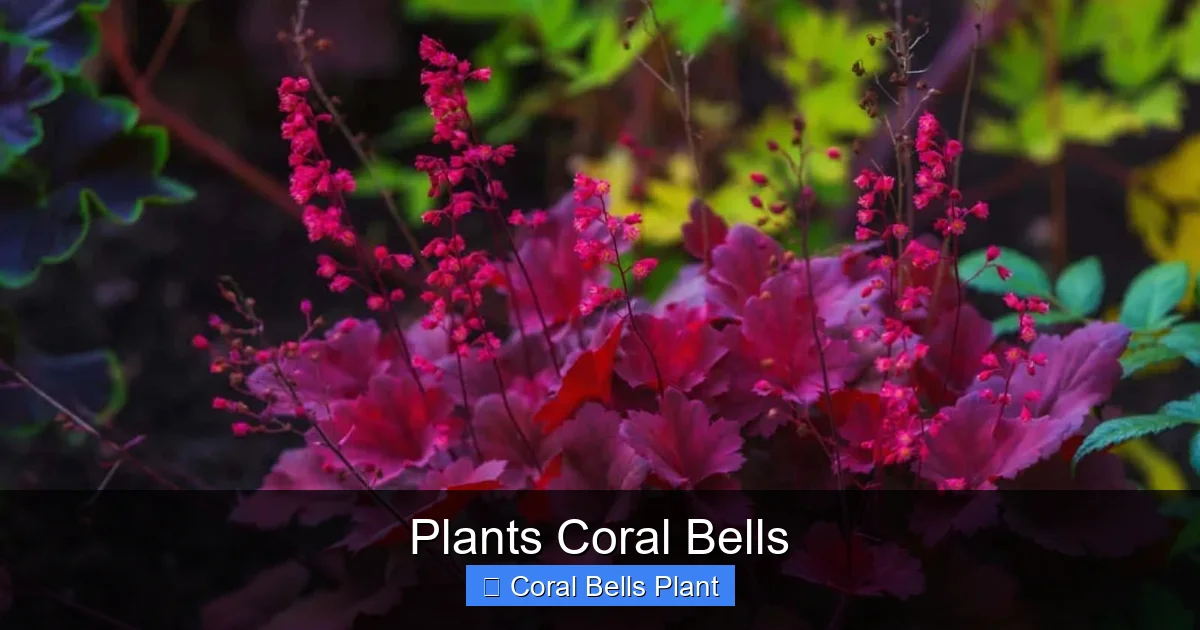
Plants Coral Bells
Plants coral bells (Heuchera) are versatile perennials prized for their colorful foliage and delicate bell-shaped flowers. These low-maintenance plants thrive in partial shade, offer year-round visual interest, and come in countless varieties to suit any garden style. Perfect for borders, containers, and woodland gardens.
If you have ever walked through a garden center in spring, you have probably seen them. Those mounds of ruffled leaves in colors that seem almost unreal. Deep purple. Bright lime. Caramel. Silver. Nearly black. They catch your eye immediately. These are plants coral bells, also known by their botanical name Heuchera. And they might just be the most useful perennial you are not growing yet.
I remember the first time I planted coral bells in my own garden. I had a shady spot under a maple tree where grass refused to grow. Hostas did okay, but they felt a bit predictable. A nursery worker handed me a pot labeled ‘Palace Purple’ and said, “Try this. It is tough as nails.” That plant is still there fifteen years later. It has survived drought, neglect, and two moves. That is the thing about plants coral bells. They look delicate. They are not.
Key Takeaways
- Diverse foliage colors: Plants coral bells offer leaves in shades of purple, silver, green, amber, and near-black for year-round garden interest
- Shade tolerant: These perennials thrive in partial to full shade, making them ideal for challenging garden spots
- Low maintenance: Once established, coral bells require minimal care beyond occasional watering and division
- Pollinator friendly: The delicate bell-shaped flowers attract hummingbirds, bees, and butterflies
- Versatile design uses: Perfect for borders, rock gardens, containers, and as ground cover
- Seasonal interest: Evergreen in mild climates, providing winter color when other plants are dormant
- Easy propagation: Divide mature clumps every 3-4 years to rejuvenate plants and create new ones
Quick Answers to Common Questions
How much sun can plants coral bells tolerate?
Most varieties prefer partial shade with morning sun and afternoon shade. Sun-tolerant cultivars like ‘Obsidian’ and ‘Peach Flambe’ can handle 4-6 hours of sun in cooler climates, but need afternoon shade in hot regions.
When is the best time to divide coral bells?
Early spring as new growth emerges is ideal. Early fall works too, at least 6 weeks before ground freeze. Divide every 3-4 years when the center becomes woody or flowering decreases.
Why are my coral bells leaves turning brown and crispy?
Leaf scorch usually indicates too much sun, insufficient water, or both. Move to a shadier location, increase watering, and apply mulch to retain soil moisture.
Do plants coral bells come back every year?
Yes, they are hardy perennials returning each spring in zones 4-9. Many are evergreen or semi-evergreen, providing winter foliage interest in milder climates.
Can I grow coral bells in containers?
Absolutely. Use a 12-inch pot with drainage holes, quality potting mix, and water more frequently than in-ground plants. They make excellent container specimens alone or in combinations.
📑 Table of Contents
- Understanding Plants Coral Bells
- Choosing the Right Variety for Your Garden
- Planting Plants Coral Bells Successfully
- Ongoing Care and Maintenance
- Common Problems and Solutions
- Designing with Plants Coral Bells
- Propagating Plants Coral Bells
- Regional Growing Guides
- Buying Guide: Selecting Healthy Plants
- Conclusion
Understanding Plants Coral Bells
What Are Coral Bells?
Plants coral bells belong to the genus Heuchera. They are native to North America. You can find wild species growing on rocky cliffs, in woodlands, and along stream banks from Canada to Mexico. The genus includes around 37 species. But the plants you buy at nurseries are almost always hybrids. Breeders have crossed different species for decades. They select for leaf color, leaf shape, flower size, and heat tolerance.
The common name comes from the flowers. Tiny bell-shaped blooms appear on tall wiry stems in late spring to early summer. They look like coral beads strung on a wire. Hence coral bells. The flowers are usually white, pink, or red. They are lovely. But let us be honest. Most gardeners grow plants coral bells for the foliage. The leaves form a basal mound. They can be rounded, lobed, ruffled, or deeply cut. The color range is staggering.
Why Gardeners Love Them
Plants coral bells check almost every box for a great garden plant. They are perennials, so they come back every year. They are evergreen or semi-evergreen in many climates. That means winter interest. They grow in shade. That solves a huge problem for many gardeners. They are deer resistant. They attract pollinators. They work in containers. They work in the ground. They play well with others. You can tuck them between hostas, ferns, and astilbes. They add a pop of color that lasts all season.
Another reason for their popularity is the sheer variety. There are hundreds of named cultivars. New ones appear every year. Breeders focus on foliage colors that hold up in heat and humidity. They also select for larger flowers and better vigor. If you visited a nursery ten years ago, you might have found ten varieties. Today you might find fifty. It can be overwhelming. But it also means there is a perfect coral bells for almost any situation.
Choosing the Right Variety for Your Garden
Classic Foliage Colors
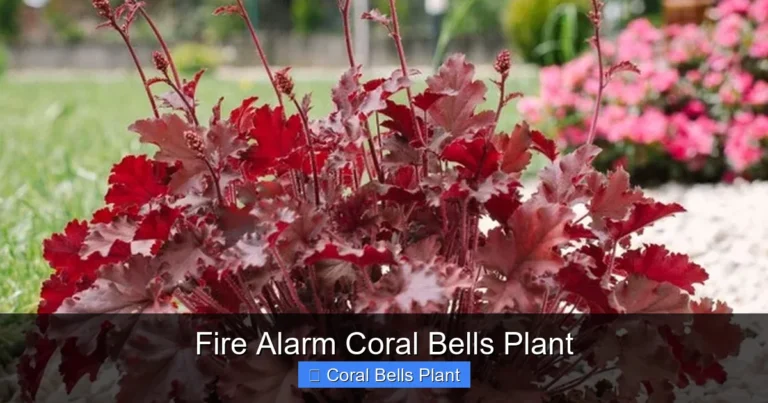
When shopping for plants coral bells, you will encounter several color categories. The purples and reds are the most traditional. ‘Palace Purple’ started the craze in the 1980s. It has large maple-shaped leaves in deep bronze-purple. ‘Obsidian’ is a newer introduction with nearly black glossy leaves. It holds its color exceptionally well in full sun. ‘Fire Alarm’ offers bright red new growth that matures to deep mahogany.
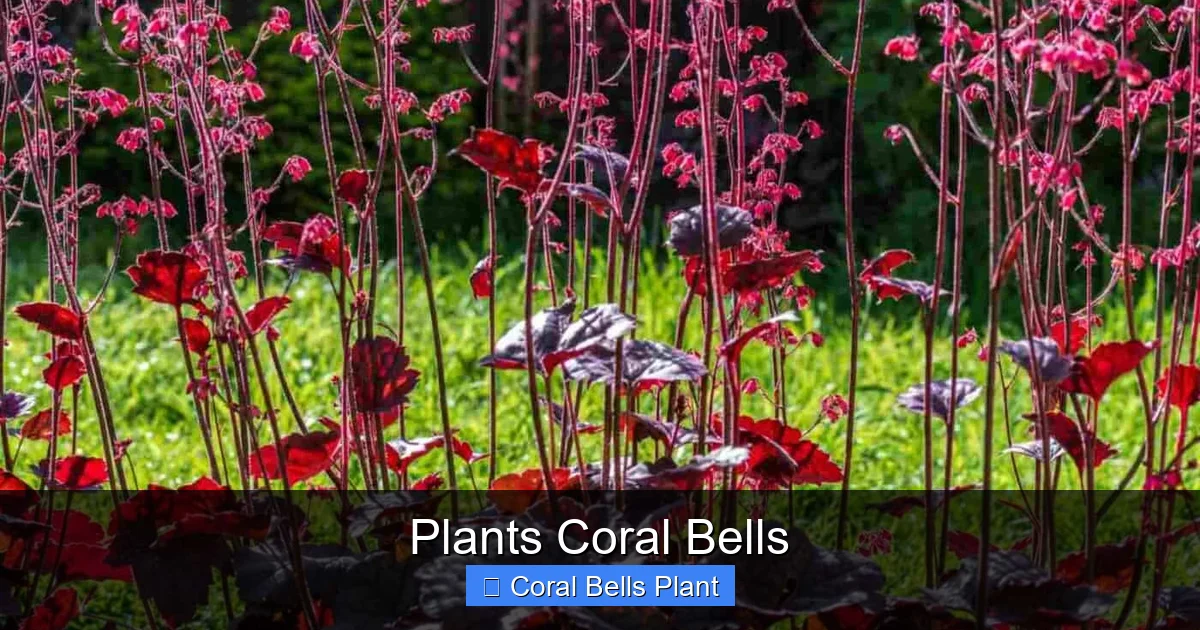
Visual guide about Plants Coral Bells
Image source: planetnatural.com
Silver and pewter varieties bring light to shady corners. ‘Silver Scrolls’ has metallic silver leaves with purple veins and undersides. ‘Looking Glass’ is almost mirror-like. These silvered varieties often have Heuchera americana in their parentage. That species brings heat and humidity tolerance. This matters if you garden in the Southeast or Midwest.
Amber, caramel, and orange tones are incredibly popular right now. ‘Caramel’ is a standout with large fuzzy leaves in warm peachy-orange. ‘Georgia Peach’ has huge leaves that start peach and age to rose-purple. ‘Marmalade’ offers ruffled amber foliage with pink undersides. These warm tones pair beautifully with blue hostas and purple heucheras.
Lime and chartreuse varieties act like spotlights in shade. ‘Lime Rickey’ has ruffled chartreuse leaves that glow. ‘Electric Lime’ is brighter and more vigorous. ‘Citronelle’ is a sport of ‘Caramel’ with yellow-green foliage. Use these sparingly. A little goes a long way. They draw the eye instantly.
Green Varieties and Species Types
Do not overlook the green varieties. They may sound boring. But they are often the toughest and most reliable. ‘Green Spice’ has green leaves with silver overlay and dark veins. It is a workhorse. The straight species Heuchera villosa deserves attention. It is native to the southeastern US. It handles heat and humidity better than almost any hybrid. The cultivar ‘Autumn Bride’ has large fuzzy green leaves and white flowers in fall. It is a pollinator magnet.
Heuchera sanguinea is the classic coral bells with showy red flowers. It is native to the Southwest. It prefers more sun and sharper drainage than the woodland types. ‘Snow Angel’ is a variegated form with green leaves splashed in cream. It is slower growing but stunning.
Matching Varieties to Conditions
Choosing the right plants coral bells for your specific conditions makes all the difference. If you have full shade, look for varieties with Heuchera americana or Heuchera villosa parentage. These handle deep shade beautifully. ‘Bronze Wave’ and ‘Purple Petticoats’ are excellent choices.
If you have morning sun and afternoon shade, you can grow almost any variety. This is the sweet spot. The foliage colors will be most vibrant. The plants will flower well. They will not scorch.
If you have more sun, perhaps four to six hours, you need sun-tolerant varieties. Look for ‘Obsidian,’ ‘Midnight Rose,’ ‘Southern Comfort,’ and ‘Peach Flambe.’ These have been bred to resist leaf scorch. They still prefer some afternoon shade in hot climates. In the Pacific Northwest or coastal California, they can handle full sun all day.
If you garden in the Deep South, humidity is the enemy. Fungal diseases love warm wet conditions. Choose varieties bred for the South. The ‘Southern Comfort’ series. ‘Georgia Peach.’ ‘Caramel.’ ‘Mocha.’ These have villosa genetics. They resist the meltdown that kills many coral bells in August.
Planting Plants Coral Bells Successfully
When to Plant
Spring and fall are the best times to plant coral bells. In spring, wait until the soil has warmed and danger of hard frost has passed. The plants will establish roots before summer heat. In fall, plant at least six weeks before your ground freezes. This gives roots time to anchor before winter. Fall planting often yields better results because the soil is warm but the air is cool. The plants focus energy on roots rather than top growth.
Avoid planting in the heat of summer. If you must plant in summer, provide shade cloth for the first two weeks. Water daily if it does not rain. Mulch heavily. Expect some leaf scorch. The plants will recover once temperatures drop.
Site Selection and Soil Preparation
Plants coral bells want well-drained soil. This is non-negotiable. They will rot in heavy clay that stays wet. If you have clay, amend it generously with compost, pine bark fines, or expanded shale. Raised beds work beautifully. So do slopes. The crown of the plant, where leaves meet roots, must stay slightly above soil level. Burying the crown leads to crown rot.
Test your soil pH if you are unsure. Coral bells prefer slightly acidic to neutral soil, around 6.0 to 7.0. They tolerate slightly alkaline conditions. But in very alkaline soil, you may see chlorosis. Yellowing leaves with green veins. This is iron deficiency. You can correct it with chelated iron or sulfur to lower pH.
Dig a hole twice as wide as the root ball. No deeper. Loosen the soil at the bottom. Mix in a handful of compost. Do not add fertilizer to the planting hole. It can burn tender roots. Wait until the plant shows new growth.
Spacing and Planting Technique
Space plants coral bells according to their mature width. Most varieties need 12 to 18 inches between plants. Larger cultivars like ‘Bronze Wave’ need 24 inches. Check the plant tag. It is tempting to plant closer for instant impact. But crowded plants develop fungal issues. Air circulation prevents disease.
Remove the plant from its pot. Gently loosen the roots if they are circling. Place the plant in the hole. The crown should sit slightly above the surrounding soil. Backfill with your amended soil. Firm gently with your hands. Do not stomp. Water thoroughly to settle soil and eliminate air pockets. Apply two inches of mulch. Keep mulch away from the crown. Shredded leaves, pine straw, or bark mulch all work well.
Container Planting
Plants coral bells are fantastic in containers. Choose a pot at least 12 inches wide and deep. Ensure drainage holes. Use a high-quality potting mix. Not garden soil. Garden soil compacts in pots. Add perlite or pumice for extra drainage. Plant at the same depth as in the nursery pot. Water well.
Container plants need more frequent watering. Check daily in hot weather. Fertilize monthly with a balanced liquid fertilizer at half strength. Or use slow-release fertilizer at planting time. In winter, move pots to a protected spot. An unheated garage works in cold climates. Or sink the pot in the ground. The roots are more exposed in containers.
Ongoing Care and Maintenance
Watering Needs
Newly planted coral bells need consistent moisture. Water deeply two to three times per week for the first month. Then reduce to once a week. Established plants are surprisingly drought tolerant. Their thick roots store water. But they look best with regular moisture. Aim for one inch of water per week from rain or irrigation.
Water at the base of the plant. Avoid wetting the foliage. Wet leaves encourage fungal diseases. Drip irrigation or soaker hoses are ideal. If you must use overhead sprinklers, water early in the day so leaves dry quickly.
In containers, the soil dries faster. Check by sticking your finger two inches into the soil. If it feels dry, water until it runs out the drainage holes. In summer heat, daily watering may be necessary.
Fertilizing Schedule
Plants coral bells are light feeders. Too much fertilizer produces lush soft growth that attracts pests and diseases. In spring, apply a balanced slow-release fertilizer. Something like 10-10-10 or 14-14-14. Follow package rates. Or top-dress with an inch of compost. That is often all they need.
If your soil is poor, you can apply a second light feeding in early summer. Do not fertilize after July. Late fertilization encourages tender growth that will not harden off before winter. This leads to winter damage.
Mulching Benefits
Maintain a two-inch layer of organic mulch year-round. Mulch conserves moisture. It suppresses weeds. It moderates soil temperature. It slowly breaks down and improves soil structure. Shredded leaves are my favorite. They are free if you have trees. They break down quickly. Pine straw works well in acidic soils. Bark mulch lasts longer.
Keep mulch pulled back from the crown. A mulch volcano around the base traps moisture against the stem. This causes rot. Leave a two-inch gap around each plant.
Deadheading and Pruning
Deadheading spent flower stems keeps plants tidy. It may encourage a light rebloom. Cut the stems back to the base of the foliage mound. Use clean scissors or pruners. Do this after the main flush of flowers fades, usually early summer.
In late winter or early spring, remove any tattered or winter-damaged leaves. Cut them at the base. This makes room for fresh growth. It also removes overwintering fungal spores. If the whole plant looks rough, you can shear it back to three inches. It will regrow quickly in spring.
Every three to four years, the center of the clump may become woody and die out. This is the signal to divide. Spring is the best time. Dig up the entire clump. Pull or cut apart the vigorous outer sections. Discard the woody center. Replant the divisions immediately. Water well. You will get multiple new plants for free.
Common Problems and Solutions
Fungal Diseases
The biggest threat to plants coral bells is fungal disease. Heuchera rust is the most common. It appears as small orange or brown pustules on the undersides of leaves. The upper surface shows yellow spots. It thrives in humid conditions with poor air circulation. Remove affected leaves immediately. Do not compost them. Improve spacing. Water at the base. Apply a copper-based fungicide if severe.
Powdery mildew shows as white powdery coating on leaves. It also loves humidity. The same cultural controls apply. Some varieties are more resistant. ‘Caramel,’ ‘Mocha,’ and villosa hybrids show good resistance.
Crown rot and root rot occur in poorly drained soil. The plant wilts even when soil is wet. The crown turns brown and mushy. Prevention is the only cure. Plant in well-drained soil. Do not overwater. Do not bury the crown. If a plant has crown rot, remove it. Do not replant coral bells in that spot for a year.
Pest Issues
Plants coral bells are remarkably pest resistant. Deer and rabbits usually ignore them. The leaves contain tannins that taste bitter. But a few insects can cause trouble.
Black vine weevil larvae feed on roots. Adults notch leaf edges at night. You rarely see the adults. Beneficial nematodes applied to soil in spring control larvae. Sticky traps catch adults.
Foliar nematodes cause angular brown spots between leaf veins. They spread by water splash. Remove affected leaves. Avoid overhead watering. There is no chemical control for home gardeners.
Mealybugs sometimes hide in leaf axils. They look like tiny cotton balls. Wipe them off with alcohol on a cotton swab. Or spray with insecticidal soap.
Environmental Stress
Leaf scorch appears as brown crispy edges. It happens in too much sun, too little water, or both. Move the plant to a shadier spot. Increase watering. Mulch heavily. The plant will recover.
Frost heave pushes plants out of the ground in winter. The crown and roots are exposed. This kills plants. Prevent it by mulching heavily after the ground freezes. If you see heaved plants in spring, gently press them back into the soil. Water well.
Winter burn shows as brown papery leaves in early spring. It happens when frozen ground prevents water uptake but sun and wind dry the leaves. Anti-desiccant sprays help in exposed sites. Or cover plants with evergreen boughs after the ground freezes.
Designing with Plants Coral Bells
Companion Planting Ideas
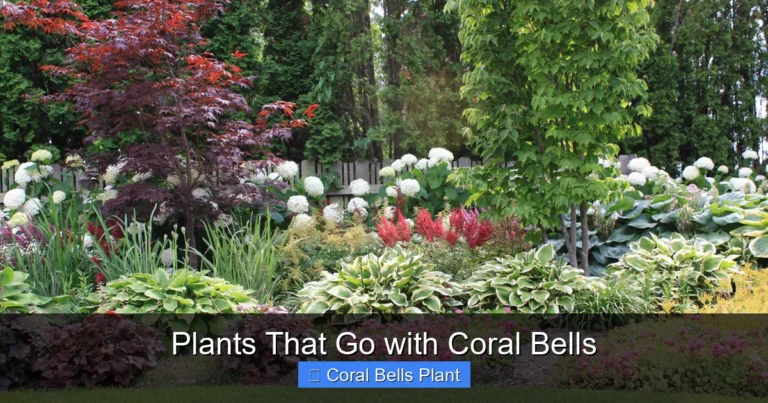
Plants coral bells play well with many shade lovers. Hostas are classic partners. The bold hosta leaves contrast beautifully with ruffled heuchera foliage. Blue hostas like ‘Halcyon’ make purple heucheras pop. Gold hostas like ‘Sum and Substance’ glow next to dark varieties.
Ferns add texture. Japanese painted fern has silver fronds that echo silver heucheras. Autumn fern offers coppery new growth. Maidenhair fern provides delicate contrast.
Astilbes bring feathery plumes in summer. Their pink, red, or white flowers rise above heuchera mounds. They like the same conditions. Moist shade.
Hellebores bloom in late winter. Their evergreen leaves persist all year. They are perfect companions. Both are deer resistant.
For spring bulbs, plant coral bells over daffodils or snowdrops. The heuchera foliage hides the dying bulb foliage. It is a perfect succession.
Container Combinations
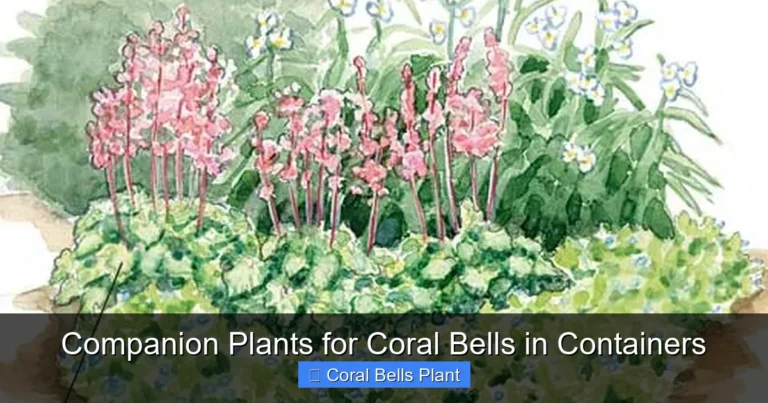
In containers, use the thriller-filler-spiller formula. A tall thriller like a small Japanese maple or ornamental grass. Coral bells as filler. A trailing spiller like creeping jenny or ivy. Choose colors that harmonize. A purple heuchera with chartreuse creeping jenny and a burgundy grass is striking.
For a shade container, try ‘Silver Scrolls’ heuchera, ‘Jack Frost’ brunnera, and white impatiens. The silver theme unifies it.
For a sun container in cooler climates, ‘Peach Flambe’ heuchera, purple fountain grass, and orange calibrachoa. Hot colors for hot spots.
Landscape Uses
Plants coral bells excel as edging plants. Plant them along a path or border. The mounding habit stays neat. The foliage color defines the edge all season.
Use them in rock gardens. Their native habitat is rocky slopes. They look natural tucked between stones. Choose smaller varieties like ‘Petite Pearl Fairy’ or species types.
Mass plant them for ground cover. Space them 12 inches apart. They will knit together in two years. A sea of ‘Caramel’ or ‘Obsidian’ is breathtaking.
They work in woodland gardens. Plant them along a winding path. Mix varieties for a tapestry effect. Let them self-sow. The seedlings will not come true from hybrids. But you may get interesting variations.
Seasonal Interest Strategies
Plan for year-round color. In spring, the new growth emerges in intense colors. Many varieties show their brightest hues on new leaves. ‘Marmalade’ is electric orange in April. By July it is amber.
Summer brings flowers. The wands of bells sway above the mound. Cut some for bouquets. They last a week in a vase.
Fall often brings a second flush of color. Cooler temperatures intensify pigments. ‘Georgia Peach’ turns deep rose. ‘Midnight Rose’ shows more pink spotting.
Winter is when evergreen varieties shine. In mild climates, they stay colorful all winter. In cold climates, they may flatten under snow. But they bounce back early.
Propagating Plants Coral Bells
Division
Division is the easiest and most reliable propagation method. It rejuvenates old plants. It gives you free plants. Do it in early spring as new growth emerges. Or in early fall. Dig up the clump. Shake off excess soil. You will see the woody center and vigorous outer crowns. Pull them apart with your hands. Or cut with a sharp knife. Each division needs roots and at least a few leaves. Replant immediately. Water well. Keep shaded for a week if the weather is warm.
Divide every three to four years. Or when the center dies out. Or when flowering decreases. Or when the plant outgrows its space. Division solves all these problems.
Seed Propagation
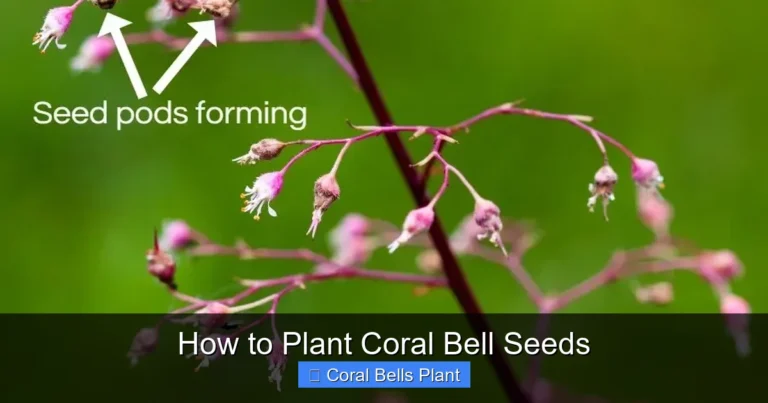
Growing plants coral bells from seed is fun but unpredictable. Hybrid varieties do not come true from seed. The seedlings will vary. Some may be gorgeous. Some may be muddy green. If you want to experiment, collect seed pods when they turn brown. Sow immediately on the surface of moist seed starting mix. Do not cover. They need light to germinate. Keep at 65 to 70 degrees. Germination takes two to eight weeks.
Species types like Heuchera villosa or Heuchera sanguinea come truer from seed. But even they show variation. Seed-grown plants take two to three years to reach flowering size.
Leaf Cuttings
Some gardeners propagate from leaf cuttings. Take a healthy leaf with a short piece of petiole. Dip in rooting hormone. Stick in moist perlite or sand. Cover with a plastic bag. Place in bright indirect light. Roots may form in four to six weeks. A tiny plantlet will emerge at the base. This works better with some varieties than others. It is less reliable than division.
Tissue Culture
Commercial nurseries use tissue culture to produce thousands of identical plants. This is how new cultivars reach the market quickly. It requires a sterile lab. Not practical for home gardeners. But it is worth knowing that the plant you buy is a clone. Every ‘Caramel’ is genetically identical to the original sport discovered in France.
Regional Growing Guides
Northeast and Midwest
In these regions, plants coral bells are rock solid. Cold winters are not a problem. Most varieties are hardy to zone 4. Some to zone 3. The main challenge is winter wet. Heavy clay soils hold water. Amend well. Mulch after the ground freezes to prevent heave. Spring comes late. Be patient. The plants will emerge when soil warms.
Summer humidity can trigger rust. Space plants well. Choose resistant varieties. ‘Autumn Bride’ thrives here. So do the villosa hybrids.
Southeast
Heat and humidity are the enemies. Many coral bells melt out in July and August. The leaves turn to mush. The solution is variety selection. Stick with Heuchera villosa hybrids. ‘Caramel,’ ‘Mocha,’ ‘Georgia Peach,’ ‘Citronelle,’ ‘Brownies.’ These handle the South. Plant in bright shade. Morning sun only. Ensure excellent drainage. Raised beds help. Mulch with pine straw. It is acidic and resists compaction.
Fungal diseases are a constant battle. Water at the base. Use drip irrigation. Remove affected leaves promptly. Consider preventive copper sprays in wet springs.
Pacific Northwest
This is coral bells heaven. Cool summers. Mild winters. Ample rainfall. Acidic soils. Plants coral bells grow larger and more vigorous here than anywhere else. You can grow almost any variety. Even the finicky ones. Full sun is fine near the coast. Inland, provide afternoon shade.
The main issue is slugs and snails. They love the tender new growth. Use iron phosphate bait. Or beer traps. Or copper tape around pots. Check at night with a flashlight. Handpick.
Southwest and Mountain West
Dry air. Intense sun. Alkaline soils. These are challenging conditions. Choose xeric varieties. Heuchera sanguinea and its hybrids. ‘Snow Angel.’ ‘Firefly.’ Plant in afternoon shade. Amend soil with compost and sulfur to lower pH. Mulch with gravel or crushed rock. It reflects heat and improves drainage.
Water deeply but infrequently. Once established, these plants are very drought tolerant. Winter cold is not usually an issue. But freeze-thaw cycles can heave plants. Mulch heavily.
Container Growing in Extreme Climates
If your in-ground conditions are difficult, grow plants coral bells in containers. You control the soil. You can move them. In hot climates, move to full shade in summer. In cold climates, move to an unheated garage in winter. This expands your options dramatically.
Buying Guide: Selecting Healthy Plants
At the Nursery
When shopping for plants coral bells, look beyond the pretty leaves. Check the crown. It should be firm, not mushy. Gently tug the plant. It should hold in the pot. If it pulls out with no roots, it was recently potted up. That is fine. But it needs more time before planting.
Inspect leaves for spots, holes, or yellowing. Check undersides for rust pustules. Look for insects. Aphids cluster on new growth. Mealybugs hide in leaf axils.
Read the label. It should list the cultivar name, hardiness zone, mature size, and light requirements. If the label just says “Heuchera mix,” you do not know what you are getting. Named cultivars are worth the extra dollar.
Buy from reputable nurseries. Big box stores sometimes carry mislabeled or stressed plants. Local independent nurseries often grow their own or source from quality wholesalers. They can also give you region-specific advice.
Mail Order
Mail order offers the widest selection. Specialty nurseries carry hundreds of varieties. Plants arrive bare root or in small pots. Order in spring or fall. Avoid summer shipping. Open the box immediately. Water if dry. Pot up or plant within a day. Mail order plants may look small. They catch up fast.
Read reviews. Look for nurseries with guarantees. Some replace plants that fail within a year. Keep your receipt and order confirmation.
Price Considerations
Plants coral bells range from $8 to $25 per pot. New introductions with plant patents cost more. Older varieties cost less. A gallon pot gives you a larger plant faster. A quart pot costs less but takes a year to catch up. For mass planting, buy smaller pots. For a specimen container, buy a larger one.
Consider the long-term value. A $15 plant that lives 15 years costs a dollar a year. And you can divide it. That is an incredible return on investment.
Conclusion
Plants coral bells have earned their place in the garden spotlight. They offer something rare. Year-round foliage color in shade. They ask for little. Well-drained soil. Some shade. Occasional water. In return, they give you mounds of ruffled leaves in colors that seem painted by a rainbow. They send up wands of delicate bells that dance in the breeze. They feed hummingbirds. They resist deer. They grow in pots, in rock gardens, along paths, under trees.
If you have never grown them, start with one. Pick a variety that speaks to you. ‘Caramel’ for warmth. ‘Obsidian’ for drama. ‘Lime Rickey’ for glow. Plant it in a spot where you will see it daily. Watch it through the seasons. See how the color shifts. Notice the pollinators visiting the flowers. Observe how it persists through winter.
Then you will understand. You will go back for more. You will tuck them into every shady corner. You will pot them up for the patio. You will divide them and share with friends. Plants coral bells are not just plants. They are garden companions. Reliable. Beautiful. Endlessly variable. They make you a better gardener simply by succeeding where other plants fail.
Your garden has a shady spot right now. Maybe under a tree. Maybe beside the house. Maybe in a pot on the porch. That spot is waiting for coral bells. Go find your perfect variety. Plant it this season. You will thank yourself next spring when those ruffled leaves unfurl in colors you did not know existed in nature.
Frequently Asked Questions
What soil conditions do plants coral bells prefer?
Plants coral bells thrive in well-drained, humus-rich soil with a pH of 6.0-7.0. They cannot tolerate heavy clay or waterlogged conditions which cause crown rot. Amend clay soils with compost, pine bark, or expanded shale to improve drainage.
Are coral bells deer resistant?
Yes, coral bells are highly deer resistant due to bitter-tasting tannins in their foliage. Rabbits also typically avoid them. This makes them excellent choices for gardens with heavy deer pressure.
How often should I water established coral bells?
Established plants need about 1 inch of water per week from rainfall or irrigation. They are moderately drought tolerant once established but perform best with consistent moisture. Water at the base to avoid wetting foliage.
What causes rust on coral bells and how do I treat it?
Heuchera rust appears as orange-brown pustules on leaf undersides with yellow spots above. It thrives in humid conditions with poor air circulation. Remove affected leaves, improve spacing, water at the base, and apply copper fungicide if severe.
Can coral bells grow in full shade?
Yes, many varieties tolerate full shade, especially those with Heuchera americana or villosa parentage. However, flowering may be reduced and foliage colors less intense. Varieties like ‘Bronze Wave’ and ‘Autumn Bride’ perform well in deep shade.
How do I prepare coral bells for winter?
After the ground freezes, apply 2-3 inches of mulch (shredded leaves or pine straw) keeping it away from crowns. Do not cut back foliage until early spring. In containers, move to an unheated garage or sink pots in the ground for root protection.