Companion Plants for Coral Bells in Containers
Companion plants for coral bells in containers add contrast, attract pollinators, and improve soil moisture. Choose shade‑loving foliage like hostas, ferns, and heucheras for a thriving pot display.
When you grow coral bells in pots, the right neighbors make all the difference. Companion plants for coral bells in containers can enhance color, improve soil health, and create a mini ecosystem that thrives on a balcony or patio. In this guide we explore the best partners, design ideas, and care tips so your container garden looks lush all season.
Coral bells, also known as Heuchera, love dappled shade and well‑drained soil. They bring vibrant foliage in shades of purple, lime, caramel, and silver. Because they stay relatively compact, they leave room for a variety of companions. Choosing companion plants for coral bells in containers means thinking about light, water, root space, and bloom time. The result is a container that feels like a miniature garden bed.
Key Takeaways
- Match light needs: Pair coral bells with plants that share similar shade tolerance.
- Vary foliage texture: Combine broad leaves with fine fronds for visual interest.
- Use complementary colors: Select blooms that echo or contrast coral bell hues.
- Consider root depth: Choose shallow‑rooted companions to avoid competition.
- Add pollinator magnets: Include nectar‑rich flowers to support bees and butterflies.
- Maintain consistent moisture: Group plants with similar watering requirements.
- Rotate seasonally: Swap annuals each year to keep containers fresh.
Quick Answers to Common Questions
What are the best shade‑loving companions for coral bells in containers?
Hostas, ferns, heucherella, and lungwort all thrive in the same dappled light and moist soil as coral bells.
Can I grow herbs with coral bells in the same pot?
Yes, herbs like mint, thyme, and chives share similar moisture needs and help deter pests.
How do I prevent mint from taking over the container?
Plant mint in a buried pot or a separate pocket within the larger container to restrict its roots.
Which flowering plants bloom longest alongside coral bells?
Impatiens and astilbe provide extended bloom periods from early summer into fall.
Do companion plants for coral bells in containers need extra fertilizer?
A single slow‑release fertilizer at planting usually suffices; supplement with liquid feed monthly if growth slows.
📑 Table of Contents
Why Companion Planting Matters for Coral Bells in Containers
Shared Growing Conditions
Companion plants for coral bells in containers thrive when they share the same light and moisture preferences. Coral bells prefer partial shade and consistent moisture. Selecting partners that enjoy the same environment reduces stress and watering guesswork.
Soil Health Benefits
Some companions, like legumes, fix nitrogen and enrich the potting mix. Others, such as deep‑rooted perennials, help break up compacted soil. This natural soil improvement supports coral bells without extra fertilizers.
Pest and Disease Management
Diverse plantings confuse pests. Aromatic herbs like mint or thyme can deter aphids and spider mites that sometimes target coral bells. This biological control keeps containers healthier.
Top Foliage Companions for Coral Bells in Containers
Hostas
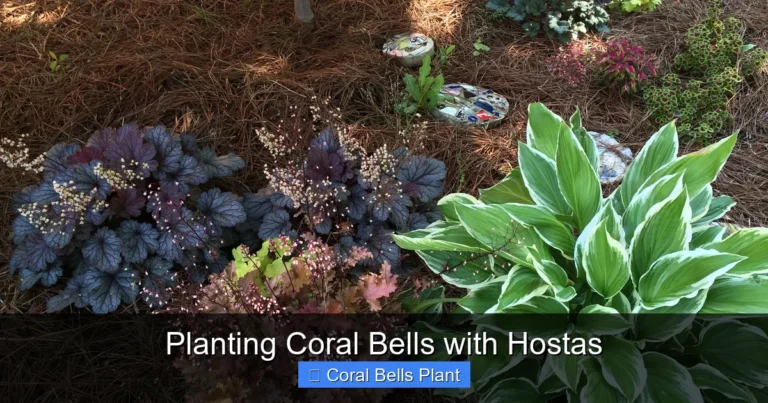
Hostas bring bold, broad leaves that contrast beautifully with the ruffled foliage of coral bells. Both love shade and moist, rich soil. Choose miniature hosta varieties for smaller pots.
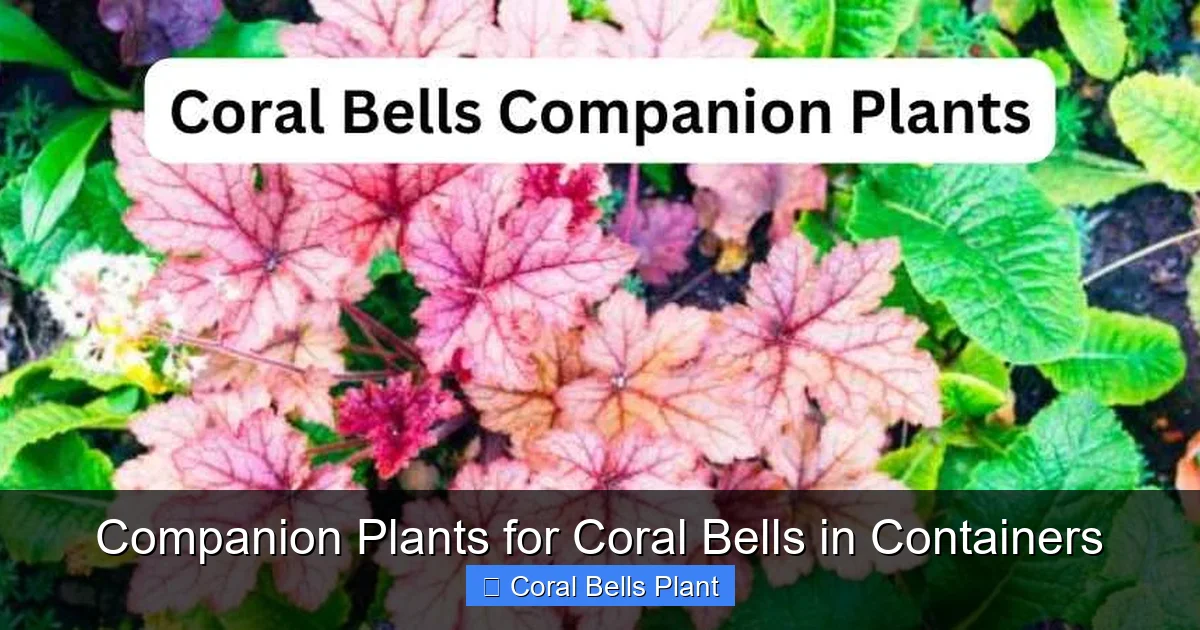
Visual guide about Companion Plants for Coral Bells in Containers
Image source: botanicvista.com
Ferns
Ferns add delicate, feathery texture. Japanese painted fern and maidenhair fern thrive in the same dappled light. Their airy fronds highlight the coral bells’ colorful leaves.
Heucherella
Heucherella, a hybrid of Heuchera and Tiarella, offers similar care needs but different leaf patterns. Mixing several Heucherella cultivars creates a tapestry of color while keeping maintenance simple.
Lungwort (Pulmonaria)
Lungwort provides early spring flowers and spotted foliage. It tolerates shade and moist soil, making it a reliable companion plants for coral bells in containers.
Flowering Companions That Shine With Coral Bells
Astilbe
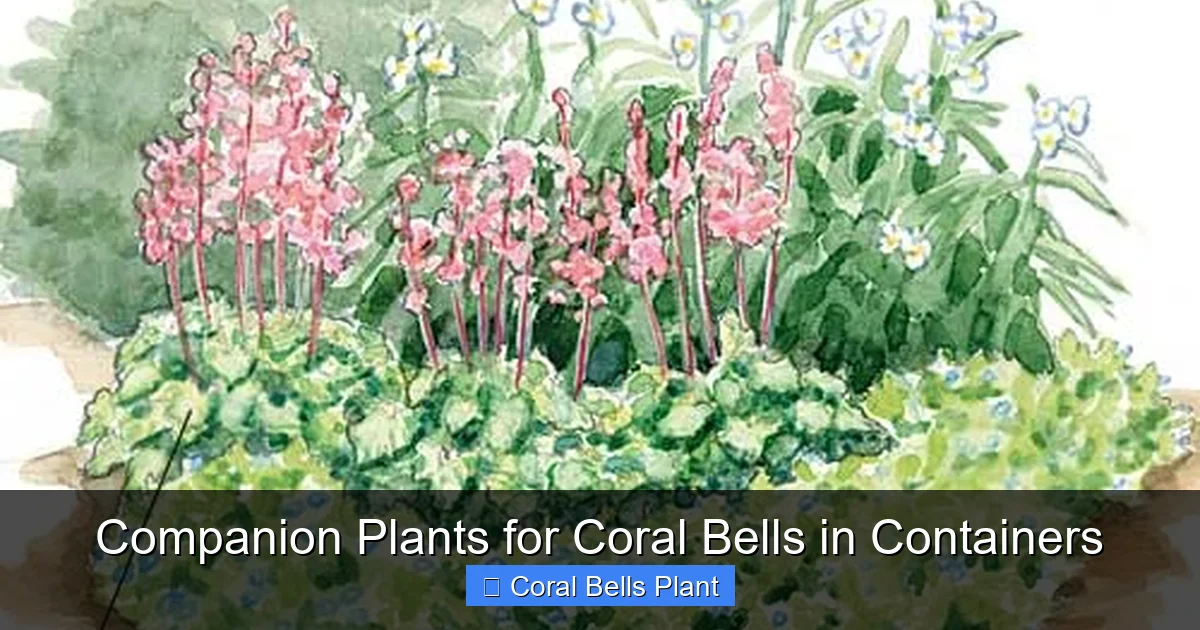
Astilbe’s plume‑like blooms rise above coral bells in early summer. They love shade and consistent moisture, matching coral bells perfectly. The soft pink or white flowers add vertical interest.
Bleeding Heart (Dicentra)
Bleeding heart’s heart‑shaped flowers dangle gracefully. It prefers cool, shaded spots and well‑drained soil. Pair it with coral bells for a romantic, woodland feel.
Columbine (Aquilegia)
Columbine brings nodding, spurred flowers in many colors. It tolerates partial shade and attracts hummingbirds. Its airy habit complements the dense foliage of coral bells.
Impatiens
For continuous color, add shade‑tolerant impatiens. They bloom all season, fill gaps, and require the same watering schedule as coral bells. Choose compact varieties to avoid overcrowding.
Herbs and Edibles That Work Well
Mint
Mint’s strong scent repels many insects. Plant it in a separate pocket or a buried pot to control its spread. Its shallow roots coexist peacefully with coral bells.
Thyme
Creeping thyme forms a low mat that conserves soil moisture. It tolerates light shade and adds tiny pink flowers in summer. Thyme also attracts beneficial insects.
Chives
Chives produce edible purple blossoms that draw pollinators. Their upright habit adds height without shading coral bells. They thrive in the same moist, well‑drained mix.
Lettuce and Spinach
Cool‑season greens grow quickly and can be harvested before coral bells reach full size. They appreciate the same shade and moisture, making them excellent short‑term companions.
Design Tips for Stunning Container Combos
Layer Heights
Place taller plants like astilbe or bleeding heart toward the center or back. Surround them with medium‑height coral bells and low‑growing thyme or lettuce at the edges. This creates depth and ensures every plant gets light.
Color Echoes
Pick companion blooms that echo the coral bells’ leaf color. For example, pair purple‑leafed coral bells with pink astilbe or lavender chive flowers. Repeating hues ties the container together.
Texture Contrast
Mix bold hosta leaves, fine fern fronds, and the ruffled edges of coral bells. Texture contrast keeps the eye moving and prevents a flat appearance.
Seasonal Succession
Plan for early, mid, and late season interest. Start with lungwort and columbine in spring, transition to astilbe and impatiens in summer, and finish with ornamental kale or pansies in fall. This keeps the container lively year‑round.
Container Size and Drainage
Use a pot at least 14 inches wide and deep. Ensure ample drainage holes. Add a layer of gravel or broken pottery at the bottom, then fill with a high‑quality potting mix enriched with compost.
Care and Maintenance for Mixed Containers
Watering Routine
Check soil moisture daily in hot weather. Water when the top inch feels dry. Because companion plants for coral bells in containers share similar needs, a single watering schedule works for the whole pot.
Fertilizing Strategy
Apply a balanced, slow‑release fertilizer at planting time. Supplement with a liquid feed every four weeks during active growth. Avoid high‑nitrogen formulas that encourage leafy growth at the expense of flowers.
Deadheading and Pruning
Remove spent blooms on astilbe, columbine, and impatiens to encourage rebloom. Trim back any aggressive herbs like mint to keep them in check. Lightly prune coral bells after flowering to maintain shape.
Pest Monitoring
Inspect leaves weekly for aphids, slugs, or spider mites. Hand‑pick pests or spray with insecticidal soap. The diverse planting often reduces outbreak severity.
Winter Care
In cold climates, move containers to a protected spot or insulate with burlap. Many companions are hardy, but tender annuals like impatiens will need replacement in spring.
By selecting the right companion plants for coral bells in containers, you create a resilient, beautiful display that thrives with minimal effort. Experiment with different combos, observe how they interact, and enjoy a container garden that feels like a tiny, thriving woodland.
Frequently Asked Questions
Can I use annuals as companion plants for coral bells in containers?
Absolutely. Annuals like impatiens, begonias, and coleus add seasonal color and share the same shade and water requirements.
What container size is ideal for a mixed planting with coral bells?
A pot at least 14 inches wide and deep gives enough root space for coral bells and several companions.
How often should I water a container with coral bells and companions?
Water when the top inch of soil feels dry; in summer this may be daily, while cooler weather reduces frequency.
Will companion plants compete with coral bells for nutrients?
Choosing shallow‑rooted, low‑nutrient‑demand plants minimizes competition; a balanced fertilizer supports all residents.
Can I overwinter the container outdoors in a cold climate?
Move the pot to a sheltered location, insulate with burlap, and mulch the soil surface; hardy perennials will survive, but tender annuals need replacement.
What design principle helps the container look cohesive?
Repeating a color from coral bells in the companion flowers or foliage creates visual harmony throughout the pot.