Coral Bell Plant Height
Coral bells (Heuchera) typically reach 8-18 inches tall with flower spikes extending up to 3 feet. Plant height varies significantly by variety, growing conditions, and care practices.
If you’ve ever wandered through a garden center and spotted those gorgeous ruffled leaves in shades of purple, caramel, lime green, and near-black, you’ve met coral bells. These shade-loving perennials have exploded in popularity over the last couple of decades, and for good reason. They bring incredible foliage color to shady spots where flowers often struggle.
But here’s the thing that catches many gardeners off guard: coral bell plant height isn’t a one-size-fits-all number. You might buy a plant labeled as “12 inches tall” only to find it stretching to 18 inches in your garden, or staying a compact 8 inches. The variation can be surprising. Understanding what drives these differences helps you pick the right variety for your space and manage expectations.
Key Takeaways
- Average height range: Most coral bell plants grow 8-18 inches tall at the foliage mound
- Flower spikes add height: Blooming stems can reach 2-3 feet above the foliage
- Variety matters most: Different cultivars range from tiny 4-inch dwarfs to large 24-inch specimens
- Growing conditions affect size: Light, soil, water, and climate all influence final height
- Age increases height: Mature plants (3+ years) are typically larger than young plants
- Pruning controls height: Removing flower stalks keeps plants compact
- Design with height in mind: Use taller varieties as focal points, shorter ones for borders
Quick Answers to Common Questions
What is the average height of a coral bell plant?
The average coral bell plant reaches 8-18 inches tall at the foliage mound, with flower spikes adding another 12-24 inches during bloom season.
Do coral bells get taller every year?
Coral bells increase in size for their first 3-4 years until reaching mature dimensions, then maintain that size unless divided or conditions change.
Can I keep coral bells short by pruning?
Removing flower spikes keeps plants visually shorter, but foliage mound height is determined by variety and growing conditions, not pruning.
Why are my coral bells taller than the plant tag said?
Plants grown in deeper shade stretch toward light, becoming taller and looser than the same variety grown in brighter conditions.
Which coral bell variety stays the shortest?
‘Petite Pearl Fairy’ and the ‘Little Cutie’ series are among the shortest, staying 4-8 inches tall at maturity.
📑 Table of Contents
- Understanding Coral Bell Plant Height Basics
- Factors That Influence Coral Bell Plant Height
- Popular Coral Bell Varieties and Their Heights
- How to Manage Coral Bell Plant Height in Your Garden
- Common Height-Related Issues and Solutions
- Designing with Coral Bells: Height Considerations
- Coral Bell Plant Height Through the Seasons
- Advanced Tips for Height Optimization
- Measuring and Tracking Coral Bell Plant Height
- Coral Bell Plant Height in Different Garden Styles
- Troubleshooting Height Problems: Quick Reference
- Conclusion
Understanding Coral Bell Plant Height Basics
Let’s start with the fundamentals. When we talk about coral bell plant height, we’re really discussing two separate measurements that often get lumped together.
Foliage Mound Height vs. Flower Spike Height
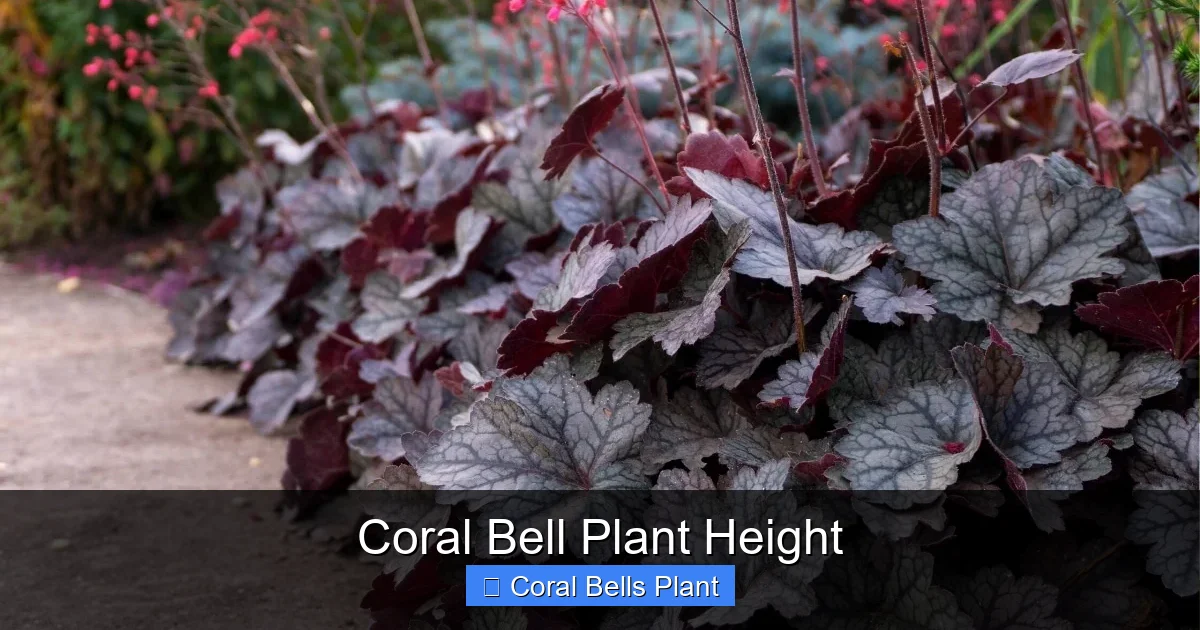
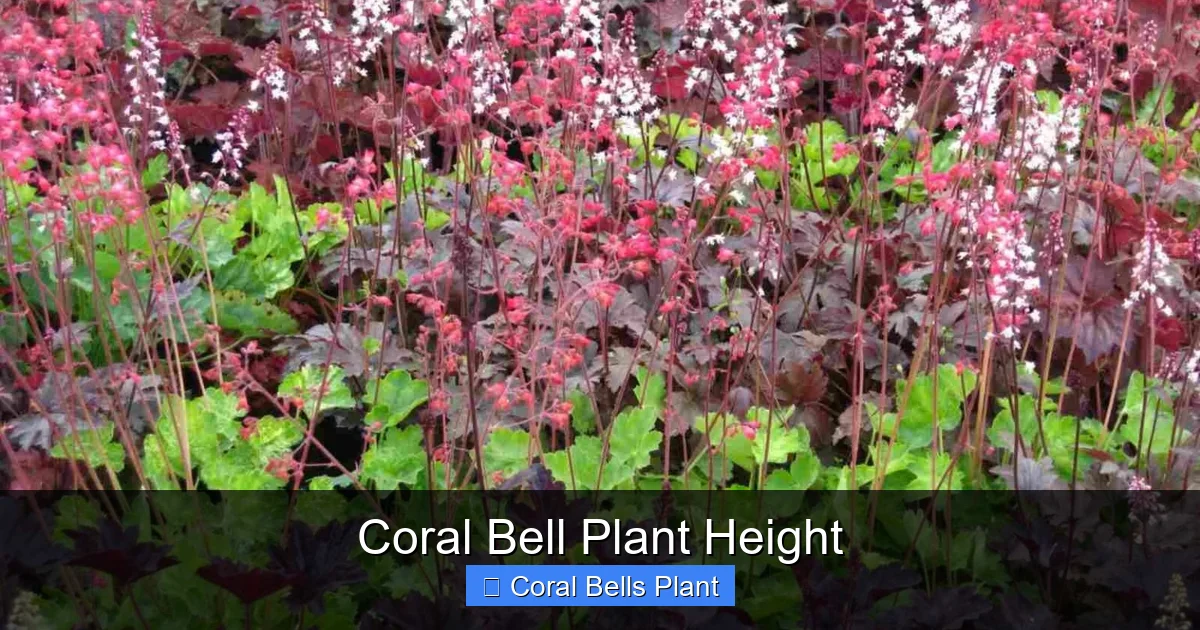
The foliage mound is the main event. This is the clump of colorful leaves that makes coral bells so desirable. Most varieties form a neat, rounded mound that sits low to the ground. The typical range for this foliage mound is 8 to 18 inches tall. Some dwarf varieties stay as short as 4-6 inches. Larger cultivars can push 20-24 inches.
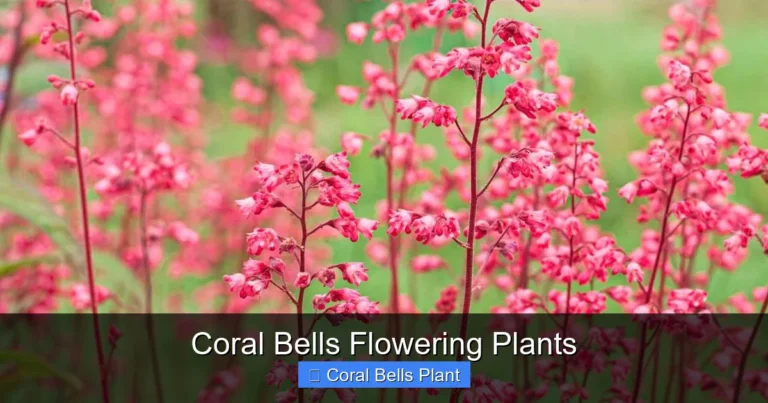
Then come the flower spikes. In late spring to early summer, coral bells send up delicate stems topped with tiny bell-shaped flowers. These spikes can add another 12 to 24 inches above the foliage. So a plant with a 12-inch mound might suddenly stand 30 inches tall when in bloom. The flowers themselves are small and airy, creating a see-through veil rather than a solid block of color.
Why Height Measurements Vary
You’ll notice plant tags often give a range rather than a single number. A tag might say “Height: 12-18 inches.” This isn’t the nursery being vague. It’s because coral bell plant height responds dynamically to growing conditions. The same variety grown in full shade in Minnesota might reach 10 inches. That same variety in partial sun in Georgia could hit 16 inches.
Age plays a role too. A first-year plant from a 4-inch pot will be significantly smaller than a three-year-old established clump. Most coral bells take about three years to reach their mature size. They follow the classic perennial pattern: sleep, creep, leap. Year one they establish roots. Year two they expand modestly. Year three they hit their stride.
Factors That Influence Coral Bell Plant Height
Now let’s dig into what actually controls how tall your coral bells grow. This is where you gain control over the outcome.
Visual guide about Coral Bell Plant Height
Image source: planetnatural.com
Light Exposure: The Biggest Factor
Light is the single most influential factor on coral bell plant height. These plants evolved as woodland understory dwellers. They’re adapted to dappled shade. But modern breeding has produced varieties with different light tolerances.
In deep shade, coral bells stretch. They reach for available light, producing longer leaf stems (petioles) and a looser, taller mound. You might gain 3-5 inches of height compared to the same plant in brighter conditions. The trade-off? Often less intense foliage color and fewer flowers.
In partial sun (morning sun, afternoon shade), plants stay more compact. The foliage mound is tighter, denser, and often more colorful. Many of the darker-leaved varieties (purples, near-blacks) actually need some direct sun to develop their richest pigmentation. But too much hot afternoon sun, especially in southern climates, scorches the leaves.
Full sun is possible in cooler northern zones with consistent moisture. In these conditions, coral bell plant height is often at its minimum. The plants form tight, low mounds. But the stress of intense light can shorten plant lifespan.
Soil Quality and Depth
Coral bells have relatively shallow root systems. They spread horizontally more than vertically. But soil depth still matters. In shallow, rocky soil, plants stay smaller. They simply can’t access enough water and nutrients to support larger growth.
Rich, deep, well-draining soil produces the largest specimens. Organic matter is key. Compost, leaf mold, or well-rotted manure worked into the planting area feeds the plant steadily and holds moisture without waterlogging. A 2-3 inch layer of organic mulch maintains soil conditions year-round.
Heavy clay soil restricts growth unless amended. The roots struggle to penetrate, and winter wetness leads to crown rot. Sandy soil drains too fast, leaving plants drought-stressed and stunted. Both extremes reduce coral bell plant height.
Water Availability
Consistent moisture grows bigger plants. Coral bells don’t want soggy soil, but they also don’t want to dry out completely. The large, thin leaves transpire heavily. During hot spells, daily watering may be needed for peak size.
Drought-stressed plants enter survival mode. They stop growing, leaves may crisp at the edges, and the plant conserves energy. A single severe dry spell can set back growth for weeks. Mulch is your best friend here. It reduces evaporation dramatically.
Overwatering is equally damaging. Crown rot is the number one killer of coral bells. The crown (where stems meet roots) must stay slightly above soil level. Planting too deep or mulching against the crown traps moisture and invites fungal pathogens.
Climate and Hardiness Zone
Coral bells are hardy in USDA zones 4-9, but performance varies across this range. In cooler zones (4-6), the growing season is shorter. Plants may not reach maximum potential height before frost. However, they often live longer and maintain better form.
In warmer zones (7-9), the long growing season allows maximum size. But heat and humidity stress plants. Many varieties go semi-dormant in midsummer heat, then flush new growth in fall. This can create a taller, looser habit than the same variety grown in a cooler climate.
Winter conditions matter too. Reliable snow cover insulates crowns. In zones with freeze-thaw cycles and no snow, plants may heave out of the ground. This damages roots and sets back spring growth, reducing that year’s height.
Fertilization Practices
Coral bells are light feeders. Too much nitrogen produces lush, tall, floppy growth with weak stems and poor color. The foliage becomes large but limp. Disease resistance drops.
A single application of slow-release balanced fertilizer in early spring is plenty. Or top-dress with an inch of compost. That’s it. No monthly feeding. No high-nitrogen lawn fertilizer nearby. Excess fertility increases coral bell plant height but reduces plant quality and longevity.
Popular Coral Bell Varieties and Their Heights
With hundreds of named cultivars on the market, choosing can feel overwhelming. Breeders have selected for every imaginable foliage color, pattern, and plant size. Here’s a breakdown by height category to simplify your search.
Dwarf Varieties (Under 8 Inches Foliage Height)
These tiny treasures are perfect for rock gardens, fairy gardens, container edges, and the very front of borders. They form tight, dense mounds that rarely exceed 6-8 inches tall even at maturity.
‘Petite Pearl Fairy’ reaches just 4-6 inches tall with a 10-inch spread. The leaves are small, rounded, and deep purple with silver overlay. Flower spikes top out at 10-12 inches. It’s one of the most compact cultivars available.
‘Little Cutie’ series includes several varieties like ‘Blondie’ (caramel leaves), ‘Coco’ (chocolate leaves), and ‘Peppermint’ (green with silver veins). All stay 6-8 inches tall with 12-inch spreads. They’re bred specifically for container culture.
‘Pinot Gris’ forms a 6-inch mound of amber-gold leaves with a metallic sheen. The compact habit makes it ideal for trough gardens and small spaces. Flower spikes reach 14 inches.
Compact Varieties (8-12 Inches Foliage Height)
This is the sweet spot for many gardeners. These varieties are substantial enough to make an impact but won’t overwhelm neighboring plants. They work beautifully in groups of three or five.
‘Palace Purple’ is the classic that started the modern coral bell craze. It forms a 10-12 inch mound of maple-shaped leaves in deep bronze-purple. The white flower spikes reach 20-24 inches. It’s tough, reliable, and widely available.
‘Caramel’ offers stunning apricot-orange foliage that shifts through seasons. The mound reaches 10-12 inches tall and 14-18 inches wide. It handles more sun than many varieties. Pink flower spikes reach 18 inches.
‘Lime Rickey’ brings electric chartreuse to shady spots. The ruffled leaves form a 10-inch mound. It’s one of the best lime varieties for holding color without scorching. White flowers on 16-inch stems.
‘Berry Smoothie’ features large, rose-pink leaves that mature to burgundy. The mound reaches 12 inches tall and 20 inches wide. It’s a vigorous grower that fills space quickly. Pink flower spikes reach 22 inches.
Medium Varieties (12-18 Inches Foliage Height)
These make stronger visual statements. They’re excellent as specimen plants or in smaller groupings. Their size commands attention in the shade garden.
‘Obsidian’ is widely considered the best near-black variety. The glossy, rounded leaves hold their color all season. The mound reaches 12-14 inches tall and 16-20 inches wide. It’s notably sun-tolerant. Cream flowers on 24-inch spikes.
‘Midnight Rose’ offers black leaves splashed with hot pink spots. The pattern is most vivid in spring and fall. Summer heat fades the pink somewhat. The mound reaches 14 inches tall. It’s a showstopper in containers.
‘Electric Plum’ features purple-black leaves with contrasting electric-pink veins. The color intensifies in cooler weather. Mound height reaches 16 inches. It’s a newer introduction with excellent vigor.
‘Forever Purple’ lives up to its name with rich purple leaves that don’t fade to green. The ruffled foliage forms a 14-16 inch mound. It’s one of the most color-stable purples available. Purple-pink flowers on 20-inch stems.
Large Varieties (18-24 Inches Foliage Height)
These are the giants of the coral bell world. They function almost like small shrubs in the garden. Give them space to shine.
‘Big Top Bronze’ forms a massive 20-24 inch mound of metallic bronze leaves. The spread can reach 28 inches. It’s a commanding presence. White flowers on 30-inch spikes. This variety needs room.
‘Mega Caramel’ is exactly what it sounds like: a supersized version of ‘Caramel’. The mound reaches 18-20 inches tall and 24-28 inches wide. The foliage color is identical, just on a grander scale.
‘Southern Comfort’ offers huge cinnamon-peach leaves that can reach 8 inches across. The mound builds to 20 inches tall and 26 inches wide. It’s heat and humidity tolerant, bred for southern gardens.
‘Villosa’ hybrids (like ‘Autumn Bride’, ‘Bronze Wave’, ‘Purpurea’) are naturally large species types. They form 18-24 inch mounds with larger, hairier leaves than typical hybrids. They’re exceptionally tough and long-lived.
How to Manage Coral Bell Plant Height in Your Garden
You’re not stuck with whatever height your plants naturally achieve. Several techniques let you influence coral bell plant height to suit your design.
Strategic Variety Selection
The easiest control happens before you buy. Match the variety’s mature size to your space. Read labels carefully. Check multiple sources. A variety listed as 12 inches in a cool-climate catalog might reach 16 inches in your warmer garden.
When in doubt, choose a variety rated slightly shorter than your maximum desired height. You can always let it grow larger. But you can’t easily make a genetically large variety stay small without constant intervention.
Consider the spread too. A 12-inch tall variety with a 24-inch spread needs different spacing than a 12-inch tall, 12-inch wide variety. Height and width usually correlate, but not always.
Light Manipulation
Since light is the primary height driver, you can use it intentionally. Want shorter, tighter plants? Give them more morning sun. Want taller, airier plants for a woodland look? Plant in deeper shade.
This works best with varieties rated for a range of light conditions. Don’t put a full-shade-only variety in sun hoping to dwarf it. You’ll likely kill it. But a sun-tolerant variety like ‘Obsidian’ or ‘Caramel’ will respond predictably to light changes.
Seasonal light changes matter too. A spot that’s full shade in summer might get spring sun before trees leaf out. This early light boost can increase spring growth and overall coral bell plant height for the season.
Division and Reset
Coral bells benefit from division every 3-4 years. The center of old clumps becomes woody and dies out. The plant becomes a ring of growth rather than a mound. Division rejuvenates the plant and resets its size.
Divide in early spring or early fall. Dig the entire clump. Pull or cut apart into sections, each with healthy roots and several growth points. Replant the best sections at proper depth (crown slightly above soil level). Discard the woody center.
Newly divided plants will be smaller for a season while they re-establish. This gives you a temporary height reduction. By year two, they’ll be back to variety-typical size but with better form and vigor.
Flower Spike Removal
If you grow coral bells primarily for foliage (as many gardeners do), removing flower spikes keeps plants lower and tidier. It also redirects energy into leaf production rather than seed set.
Snip spikes at the base as soon as they appear, or let them bloom for a few weeks then remove them. This doesn’t reduce the foliage mound height, but it eliminates the 12-24 inches of flower spike height. The plant looks more compact overall.
Some varieties have particularly attractive flowers worth keeping. ‘Autumn Bride’ has showy white spikes. ‘Green Spice’ has pink flowers that complement its silver-veined green leaves. But for dark-leaved varieties, the flowers often clash with the foliage.
Container Culture for Size Control
Growing coral bells in containers naturally restricts their size. The limited root zone limits top growth. A variety that reaches 18 inches in the ground might stay 12 inches in a pot.
This is a great way to use larger varieties in small spaces. Just remember containers need more frequent watering and fertilizing. The restricted soil volume dries faster and depletes nutrients quicker.
Choose a pot at least 12 inches wide and deep for a single plant. Use high-quality potting mix with added compost. Water when the top inch feels dry. Feed with half-strength liquid fertilizer monthly during active growth.
Common Height-Related Issues and Solutions
Sometimes coral bell plant height doesn’t match expectations. Here are the most common scenarios and how to address them.
Plants Taller Than Expected
Your 12-inch variety is pushing 18 inches. The mound is loose, stems are elongated, leaves are larger but thinner. This is classic shade stretch.
Solution: If possible, increase light exposure. Limb up nearby trees. Remove a shrub blocking morning sun. Transplant to a brighter spot in early fall. If relocation isn’t possible, accept the taller habit. The plant is healthy, just adapting.
Excess nitrogen can also cause this. If you’ve been heavy-handed with fertilizer, stop. Water deeply to leach excess nutrients. The next flush of growth will be more compact.
Plants Shorter Than Expected
Your 18-inch variety is stuck at 8 inches after two years. The mound is tight but small. Leaves may be smaller than typical.
Causes and fixes:
- Poor soil: Amend with compost, top-dress annually
- Root competition: Nearby trees stealing water/nutrients. Consider container culture or root barrier
- Too much sun: In hot climates, intense light stunts growth. Move to more shade
- Crown planted too deep: Gently excavate to expose crown. Replant higher if needed
- Variety mislabeling: It happens. The plant may simply be a different, smaller cultivar
Uneven Height Within a Grouping
You planted five of the same variety. Three are 14 inches. Two are 9 inches. This drives perfectionist gardeners crazy.
Usually microclimate differences: One spot gets an extra hour of sun. Another has better soil drainage. A third is over a tree root. The plants are responding to their exact location.
Options: Accept the natural variation (it looks more organic). Transplant the outliers to match conditions. Or stake and tie the taller ones temporarily while you address the root cause.
Center Die-Out Creating Hollow Mounds
After 3-4 years, the center of the clump turns brown and woody. New growth forms a ring around the dead center. The plant appears taller at the edges, hollow in the middle.
This is normal aging. The solution is division (covered earlier). Don’t try to fill the center with soil or mulch. That promotes crown rot. Divide and replant the healthy outer sections.
Winter Heaving Exposing Roots
In freeze-thaw climates, the crown gets pushed up out of the soil. Roots are exposed. The plant sits higher but is actually compromised.
Fix: In late fall, apply 3-4 inches of loose mulch (straw, shredded leaves, evergreen boughs) over the crown after the ground freezes. This prevents heaving. In spring, gently press heaved plants back into soil and water well. Add soil around exposed roots if needed.
Designing with Coral Bells: Height Considerations
Understanding coral bell plant height transforms them from pretty plants into design tools. Here’s how to use their vertical dimension effectively.
Front-of-Border Placement
Dwarf and compact varieties (under 12 inches) excel at the very front of shaded borders. They create a colorful skirt that hides the bare legs of taller plants behind them.
Plant them in drifts of odd numbers (3, 5, 7) for natural effect. Space at their mature spread width. For a 12-inch spread variety, plant 12 inches apart on center. They’ll knit together into a continuous carpet.
Mix foliage colors within the drift for tapestry effect. Combine ‘Caramel’, ‘Lime Rickey’, and ‘Obsidian’ in a repeating pattern. The similar heights create cohesion while the colors provide excitement.
Mid-Border Accents
Medium varieties (12-18 inches) work as punctuation marks in the middle layer. They’re tall enough to be seen behind front-edge plants but won’t tower over them.
Use them as specimen plants at intervals along a border. A single ‘Midnight Rose’ or ‘Electric Plum’ draws the eye. The height makes the intricate foliage pattern visible from a distance.
Pair with plants of contrasting texture. The ruffled coral bell leaves look stunning next to the strappy leaves of Japanese forest grass (Hakonechloa) or the delicate fronds of Japanese painted fern.
Container Combinations
Coral bells are container superstars. Their mounded habit fills a pot beautifully. Height variety lets you create layered compositions.
Thriller-filler-spiller formula: Use a tall shade annual like coleus or fuchsia as the thriller (center or back). Coral bells as the filler (middle layer). A trailing plant like creeping jenny or ivy as the spiller (edges).
Choose coral bell height based on container size. In a 14-inch pot, a compact 10-inch variety is perfect. In a 24-inch urn, a medium 16-inch variety balances the scale.
Remember container plants read as taller than in-ground plants because the pot adds elevation. A 12-inch plant in a 12-inch pot presents 24 inches of visual height.
Rock Garden and Slope Planting
On slopes and in rock gardens, coral bell plant height interacts with topography. Plants at the top of a slope appear shorter (viewed from above). Plants at the bottom appear taller (viewed from below).
Use this intentionally. Place taller varieties lower on the slope where they won’t block views. Put dwarf varieties at the top where they’ll be appreciated up close.
Rock garden crevices naturally restrict root zones, reducing height. This lets you use slightly larger varieties in tight spaces. The excellent drainage also promotes compact, healthy growth.
Woodland Garden Integration
In a naturalistic woodland garden, coral bells shine as understory plants. Their height range (mostly under 2 feet) fits perfectly beneath small trees and large shrubs.
Let them self-seed (some varieties do) for a naturalized look. The seedlings will vary in height and color, creating a spontaneous tapestry. Thin as needed to prevent overcrowding.
Combine with native woodlanders: foamflower (Tiarella), wild ginger (Asarum), Solomon’s seal (Polygonatum), and native ferns. The coral bells add foliage color the natives lack.
Seasonal Height Changes in Design
Remember that coral bell plant height shifts dramatically during bloom. A border that looks perfectly proportioned in April may have a 3-foot veil of flower spikes by June.
Design for both states. If you want the flowers, ensure taller companions behind them won’t be hidden. If you don’t want the flowers, plan to deadhead or choose varieties with less prominent spikes.
Some designers actually plan for the flower spike height. They place coral bells where the airy spikes will catch backlight at dawn or dusk, creating a glowing haze above the foliage mound.
Coral Bell Plant Height Through the Seasons
Height isn’t static. A coral bell plant moves through distinct phases each year. Understanding this cycle prevents panic and informs maintenance timing.
Early Spring: The Low Point
As snow melts and soil thaws, coral bells look their smallest. The previous year’s leaves may be tattered, brown, or flattened. The crown sits low. New growth hasn’t emerged.
This is normal. Don’t judge plant health or size now. Wait for the first flush of new leaves. That usually coincides with spring bulb bloom (daffodils, tulips).
Early spring is the ideal time to clean up old foliage. Gently pull away dead leaves. Be careful not to damage the crown or emerging buds. This cleanup reveals the true plant base and prevents disease.
Late Spring: Rapid Expansion
Once temperatures stabilize, growth accelerates. New leaves unfurl daily. The mound visibly expands. This is when coral bell plant height increases most rapidly.
Flower spikes initiate inside the crown. You’ll see them elongating before buds open. This vertical surge adds the dramatic height increase. Bloom typically lasts 3-4 weeks.
During this phase, ensure consistent moisture. The plant is investing heavily in both foliage and flowers. Drought now reduces both current height and next year’s potential.
Summer: Maintenance Phase
After flowering, the plant settles. The foliage mound reaches its maximum diameter. Height stabilizes. In hot climates, growth may pause entirely during peak heat.
This is the evaluation period. The plant shows its true mature size for the year. Take notes. Photograph. This data guides future placement and variety selection.
Remove spent flower spikes now if you haven’t already. Cut at the base. This tidies the appearance and prevents unwanted seedlings (though seedlings can be delightful surprises).
Fall: Second Flush and Color Intensification
Cooler temperatures trigger renewed growth in many varieties. A fresh crop of leaves often emerges, smaller but intensely colored. The mound may gain an inch or two.
This fall foliage is often the most vivid of the year. Reds deepen. Purples darken. Silvers brighten. The plant prepares for winter by storing energy in the crown and roots.
Don’t fertilize in fall. You don’t want tender new growth heading into winter. Do maintain moisture until ground freezes. Well-hydrated plants survive winter better.
Winter: Dormant Structure
In mild climates, coral bells stay evergreen. The mound persists all winter, though growth stops. In cold climates, leaves may die back to the crown or persist in a flattened, frozen state.
Don’t cut back in fall. The leaves protect the crown. Wait until early spring. The winter silhouette can be quite attractive, especially with frost or light snow on the ruffled leaves.
Advanced Tips for Height Optimization
For gardeners who want to push the envelope, here are some advanced techniques for managing coral bell plant height.
Growth Regulator Use (Not Recommended for Home Gardeners)
Commercial growers sometimes use plant growth regulators (PGRs) to keep coral bells compact for retail sale. These chemicals (like paclobutrazol or uniconazole) inhibit stem elongation.
Home gardeners should avoid PGRs. They’re not labeled for residential use on ornamentals. The timing and dosage are precise. Misapplication causes persistent stunting, distorted leaves, or delayed flowering.
If you buy a plant that seems unnaturally short and tight, it may have been treated. It will likely stretch to its genetic potential within a season in your garden. This is normal, not a problem.
Root Restriction Techniques
Intentionally restricting roots limits top growth. This happens naturally in containers. You can mimic it in-ground.
Bottomless pot method: Sink a large nursery pot (bottom removed) into the soil. Plant the coral bell inside. The pot wall restricts horizontal root spread, which limits top growth. The plant stays smaller but healthier than a fully pot-bound container plant.
Root barrier fabric: Line the planting hole with permeable landscape fabric. This allows water and some root penetration but creates a defined root zone. Used for aggressive spreaders, it also works for size control.
These techniques reduce coral bell plant height by 20-30% compared to unrestricted plants. Use sparingly. They increase watering and feeding demands.
Pinching for Density Over Height
Early in the season, you can pinch the growing tips of emerging leaves. This encourages branching from lower nodes, creating a denser, slightly shorter mound.
Do this when new leaves are 2-3 inches tall. Pinch off the top half-inch. The plant responds with multiple new growing points. The result is a fuller plant with more leaves per square inch.
This works best on vigorous varieties. Don’t pinch slow growers or newly divided plants. They need all the leaf surface they can get.
Companion Planting for Visual Height Balance
Sometimes the best height management is optical illusion. Surround a taller coral bell with even taller companions. It suddenly looks appropriately scaled.
Conversely, plant a short variety among even lower groundcovers. It becomes a focal point rather than a lost speck.
Good tall companions for shade: Japanese anemone (3-4 ft), bugbane (Actaea, 4-6 ft), goat’s beard (Aruncus, 4-6 ft), Solomon’s seal (2-3 ft).
Good short companions: creeping phlox (4-6 in), foamflower (6-12 in), wild ginger (4-6 in), European ginger (3-4 in), moss phlox (3-4 in).
Measuring and Tracking Coral Bell Plant Height
If you’re serious about understanding how your plants perform, start tracking. It’s simple and revealing.
What to Measure
Record two heights annually (late spring, after full leaf-out but before flower spikes):
- Foliage mound height: from soil level to tallest leaf tip
- Foliage mound width: maximum diameter
Also note flower spike height when in bloom. Measure from soil to tip of highest open flower.
When to Measure
Late spring (typically May in most zones) is the standard. The spring flush is complete. Summer heat hasn’t caused stress changes. Fall flush hasn’t started.
Measure at the same time each year for consistency. Morning is best. Plants are fully turgid (hydrated). Afternoon heat can cause slight wilting, reducing apparent height.
What to Record
Create a simple garden journal entry for each variety:
- Variety name and source
- Planting date and location
- Annual height/width measurements
- Light conditions (hours of direct sun, time of day)
- Soil amendments and fertilization
- Watering regime
- Weather notes (drought, excessive rain, unusual temperatures)
- Division dates
- Observations (color quality, disease, pest issues)
After 3-4 years, patterns emerge. You’ll know exactly how each variety performs in your specific conditions. This beats any catalog description.
Coral Bell Plant Height in Different Garden Styles
The height characteristics of coral bells make them versatile across design styles. Here’s how they fit.
Formal Shade Gardens
In formal designs, uniformity is key. Choose a single variety in a single height range. Plant in precise geometric patterns: rows, grids, symmetrical groupings.
Compact varieties (10-12 inches) work best. They’re easier to keep uniform. ‘Palace Purple’, ‘Caramel’, and ‘Obsidian’ are reliable for consistent height.
Clip flower spikes immediately for clean lines. Mulch with uniform material (shredded bark, cocoa hulls) for tidy appearance. The low, even height creates a carpet effect.
Cottage Gardens
Cottage style embraces variety and abundance. Mix multiple coral bell varieties of different heights. Let them intermingle with self-seeded annuals and biennials.
The height variation adds charm. A 6-inch ‘Petite Pearl Fairy’ nestled against an 18-inch ‘Southern Comfort’ creates delightful contrast. Flower spikes are welcome. They add to the airy, romantic feel.
Allow self-seeding. The seedlings create happy accidents. Thin only where overcrowding threatens plant health.
Modern Minimalist Gardens
Modern designs use plants architecturally. Coral bells provide strong foliage texture and color. Height is used deliberately.
Mass a single variety in large blocks. The uniform height creates a textural plane. ‘Obsidian’ or ‘Forever Purple’ in a 20-plant drift reads as a dark, ruffled carpet.
Pair with equally architectural plants: black mondo grass (Ophiopogon planiscapus ‘Nigrescens’), Japanese forest grass, or carefully pruned boxwood spheres. The coral bell height (12-16 inches) bridges groundcovers and shrubs.
Woodland and Naturalistic Gardens
Here, coral bells should look like they belong. Use species types and villosa hybrids. Their larger, looser habit (18-24 inches) mimics native understory plants.
Plant in irregular drifts following land contours. Vary spacing. Let height vary naturally with microclimate. The goal is ecological plausibility, not uniformity.
Include the straight species Heuchera americana, H. villosa, H. richardsonii if native to your region. They support specialist pollinators and fit the height profile perfectly.
Troubleshooting Height Problems: Quick Reference
Here’s a rapid diagnostic guide for common coral bell plant height issues.
Problem: Plant keeps getting taller and leggier each year
Likely cause: Increasing shade as surrounding plants mature. Fix: Prune overhead branches. Transplant to brighter location. Divide and reset.
Problem: Plant stays tiny, leaves are small and pale
Likely cause: Nutrient deficiency, root competition, or crown planted too deep. Fix: Soil test. Amend with compost. Check planting depth. Consider container culture.
Problem: Sudden height collapse mid-season
Likely cause: Crown rot (fungal) or vine weevil larvae eating roots. Fix: Inspect crown for mushiness. Check roots for white C-shaped grubs. Improve drainage. Treat pests.
Problem: Flower spikes flop over, making plant look messy
Likely cause: Too much shade (weak stems) or too much nitrogen. Fix: Increase light. Reduce fertilizer. Stake spikes or remove them.
Problem: New growth only at edges, center dead
Likely cause: Age-related center die-out. Fix: Divide in spring or fall. Replant healthy sections. Discard woody center.
Conclusion
Coral bell plant height is a dance between genetics and environment. The variety sets the potential. Your garden conditions determine the expression. Light, soil, water, climate, and age all choreograph the final performance.
The beauty is in the flexibility. You can choose a 6-inch dwarf for a rock garden crevice. You can select a 24-inch giant for a woodland focal point. You can nudge a medium variety taller with shade or shorter with sun. You can divide to reset, deadhead to tidy, containerize to restrict.
Most importantly, you can observe. Track your plants. Note their responses. Build your own database of how each variety behaves in your unique garden. That knowledge is worth more than any catalog description.
Coral bells reward attention. They’re not plant-and-forget. But a little understanding of their height habits transforms them from pretty foliage plants into design elements you can place with confidence. Whether you’re edging a path with ‘Lime Rickey’ or anchoring a shade border with ‘Big Top Bronze’, you now know what to expect and how to guide the outcome.
Happy planting. May your mounds be perfectly proportioned and your flower spikes gloriously airy.
Frequently Asked Questions
How tall do coral bells get when flowering?
Coral bell flower spikes typically reach 2-3 feet total height from the ground. The foliage mound stays at its usual 8-18 inches while the airy flower stems extend well above it.
Do different coral bell varieties have different heights?
Yes, variety is the primary determinant of height. Dwarf varieties stay 4-8 inches, compact types reach 8-12 inches, medium varieties grow 12-18 inches, and large cultivars can reach 18-24 inches at the foliage mound.
Will coral bells grow taller in shade or sun?
Coral bells grow taller in shade as they stretch toward available light. In partial sun, they stay more compact and dense. However, too much direct sun can scorch leaves, especially in hot climates.
How long does it take coral bells to reach full height?
Most coral bells take 3 years to reach their mature size. First-year plants are small, second-year plants expand moderately, and third-year plants achieve full genetic potential.
Can I cut back coral bells to control their height?
You can remove flower spikes to reduce visual height, but cutting back foliage damages the plant. The crown grows from the center, and removing leaves reduces photosynthetic capacity. Division every 3-4 years is the proper way to rejuvenate and reset size.
Why is my coral bell plant not growing taller?
Stunted growth usually indicates poor soil, root competition from trees, improper planting depth (crown buried), insufficient water, or a naturally dwarf variety. Check growing conditions and variety label.