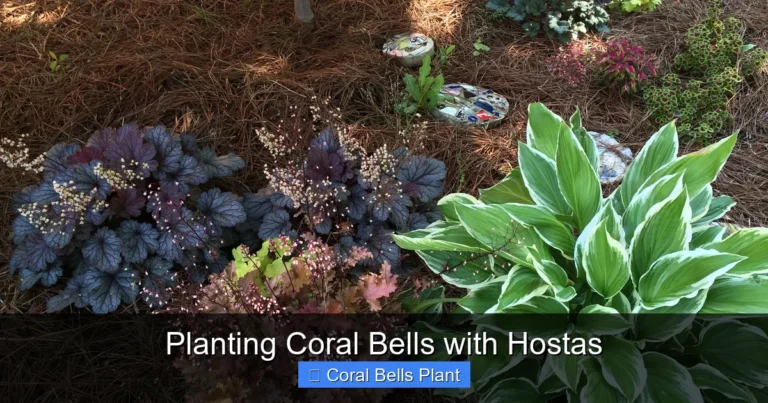
How Far Apart Should I Plant Hostas from Coral Bells
Plant hostas and coral bells 18 to 24 inches apart to give each perennial enough room to reach its mature size without crowding. Proper spacing ensures good air flow, reduces disease risk, and lets both plants show off their best foliage and flowers.
If you have ever stood in a nursery holding a hosta in one hand and a coral bell in the other, you have probably asked yourself how far apart should I plant hostas from coral bells. It is a common question because both plants love shade, both offer stunning foliage, and both can live for decades when treated right. Getting the spacing right from day one saves you years of transplanting, dividing, and fighting fungal diseases.
I have designed shade borders for small city yards and sprawling woodland gardens. In every case, the success of the planting comes down to three things: knowing the mature size of each variety, respecting the root zone, and giving air room to move. This guide walks you through every factor so you can space your hostas and coral bells with confidence.
Key Takeaways
- Standard spacing is 18 to 24 inches: This distance works for most hosta and coral bell varieties when planted next to each other.
- Measure from center to center: Always space plants based on the center of each root ball, not the edge of the foliage.
- Consider mature width: Large hostas need 30 to 36 inches of space, while dwarf types can sit closer at 12 inches.
- Air flow prevents disease: Crowded plants trap moisture and invite fungal problems like crown rot and leaf spot.
- Soil prep matters as much as spacing: Amend planting holes with compost so both perennials establish strong root systems quickly.
- Water deeply after planting: A thorough soak settles soil around roots and reduces transplant shock for both species.
- Mulch helps maintain moisture: Apply two inches of shredded bark or leaf mold, keeping it away from plant crowns.
Quick Answers to Common Questions
What is the minimum distance between a hosta and a coral bell?
For miniature hostas and small coral bells, 12 inches on center is the minimum. For standard varieties, 18 inches is the practical minimum.
Can I plant hostas and coral bells closer if I plan to divide often?
You can, but it creates extra work and stresses plants. It is better to space correctly and divide on a normal four to six year cycle.
Do hostas and coral bells compete for nutrients?
They have different root depths and nutrient uptake patterns. With proper soil prep and spacing, competition is minimal.
Should I stagger hostas and coral bells in a zigzag pattern?
Yes. Staggering creates a more natural look and improves air flow compared to straight rows.
What if my coral bells get buried by hosta leaves?
Gently pull hosta leaves away from the heuchera crown. If it happens every year, the hosta is too large for the spacing. Plan to move or divide the hosta.
📑 Table of Contents
- Understand the Growth Habits of Each Plant
- General Spacing Guidelines for Mixed Plantings
- Soil Preparation and Planting Technique
- Design Strategies for Beautiful Combinations
- Maintenance Practices That Protect Your Spacing Investment
- Common Mistakes and How to Avoid Them
- Special Situations: Containers, Slopes, and Dry Shade
- Seasonal Care Calendar
- Choosing the Right Varieties for Your Space
- Troubleshooting Spacing Problems
- Long-Term Vision: The Mature Shade Garden
- Conclusion
Understand the Growth Habits of Each Plant
Hosta Basics
Hostas are herbaceous perennials grown mainly for their leaves. They emerge in spring as tight cones, unfurl into broad mounds, and send up flower scapes in summer. The leaf clump expands slowly each year from a central crown. Some varieties stay tiny at six inches wide. Others, like ‘Empress Wu’ or ‘Sum and Substance’, can spread five feet or more. Most garden hostas fall in the 18 to 36 inch range at maturity.
Roots are fleshy and fibrous. They spread horizontally just below the soil surface. A mature hosta can have a root zone that extends a few inches beyond the leaf drip line. This means the plant underground is often wider than the plant above ground.
Coral Bell Basics
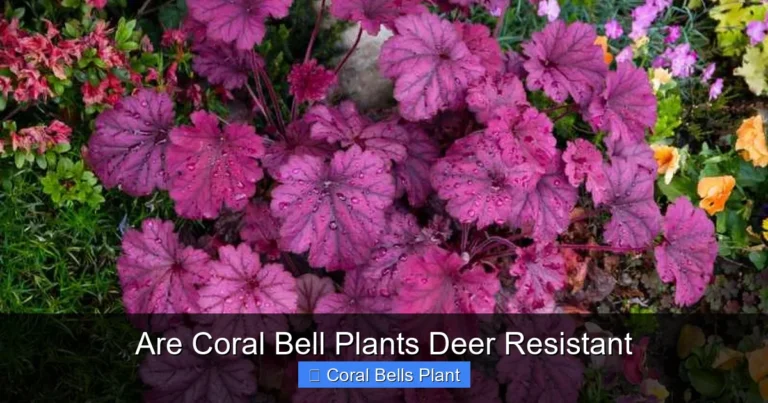
Coral bells (Heuchera) are also herbaceous perennials prized for foliage. They form low, rounded mounds of lobed leaves in colors from lime green to deep purple, silver, caramel, and near-black. Flower spikes rise above the foliage in late spring to early summer. Most cultivars reach 12 to 18 inches wide and 8 to 14 inches tall. A few vigorous types like ‘Palace Purple’ can hit 24 inches across.
Heuchera roots are finer and more fibrous than hosta roots. They also stay closer to the surface. The crown sits right at soil level, which makes it vulnerable to rot if buried or mulched too heavily. Good drainage is non-negotiable.
Why Growth Habit Dictates Spacing
When you ask how far apart should I plant hostas from coral bells, you are really asking how to let two different root systems and two different canopy shapes coexist. Hostas spread wide and low. Coral bells stay tighter but need excellent drainage at the crown. If they touch, the hosta’s broad leaves can shade the heuchera crown, trap moisture, and cause rot. If they are too far apart, you lose the lush, woven look that makes shade gardens magical.
General Spacing Guidelines for Mixed Plantings
The 18 to 24 Inch Rule
For the vast majority of pairings, space the center of the hosta crown 18 to 24 inches from the center of the coral bell crown. This assumes a medium hosta (24 to 30 inches wide at maturity) and a standard coral bell (14 to 18 inches wide). At this distance, the foliage will eventually intermingle without smothering.

Visual guide about How Far Apart Should I Plant Hostas from Coral Bells
Image source: i.ytimg.com
Measure from crown center to crown center. Do not measure from leaf tip to leaf tip. The plants you buy in pots are juveniles. Their current foliage span is a fraction of their mature width. Trust the label, not the pot.
Adjust for Variety Size
Check the plant tag or catalog description for mature spread. Then do simple math. Add the mature radius of the hosta to the mature radius of the coral bell. That sum is your minimum center-to-center distance.
Example: A hosta listed at 30 inches wide has a 15 inch radius. A coral bell listed at 16 inches wide has an 8 inch radius. 15 plus 8 equals 23 inches. Plant them 23 inches apart on center. Round up to 24 inches for easy measuring.
Dwarf and Miniature Hostas
If you are planting miniature hostas like ‘Blue Mouse Ears’ or ‘Pandora’s Box’, the math changes. These stay six to ten inches wide. Their radius is three to five inches. Paired with a standard coral bell (eight inch radius), the center distance drops to 11 to 13 inches. You can plant them 12 inches apart and still have healthy air flow.
Giant Hostas
Giant hostas like ‘Empress Wu’, ‘Victory’, or ‘Dream Weaver’ need 30 to 36 inches of radius. Add a coral bell radius of eight inches and you get 38 to 44 inches on center. In practice, give giant hostas their own zone. Plant coral bells at the outer edge of the hosta’s future drip line, not right next to the crown.
Soil Preparation and Planting Technique
Amend the Whole Bed, Not Just the Hole
Hostas and coral bells both love rich, moisture-retentive, well-drained soil. Digging a perfect hole in poor soil creates a “bathtub effect” where water collects around the roots. Instead, amend the entire planting area. Spread two to three inches of compost, leaf mold, or aged manure over the bed. Work it in to a depth of ten to twelve inches. This gives both species a uniform root zone to explore.
Planting Depth Is Critical
Hostas are forgiving. Plant them with the crown at or slightly below soil level. Coral bells are not forgiving. The crown must sit exactly at soil level. If buried, the crown rots. If planted too high, the roots dry out. When planting side by side, level the soil so both crowns sit correctly. You may need to mound soil slightly under the hosta to match the heuchera crown height.
Water In Thoroughly
After backfilling, water each plant with a slow, deep soak. Use a hose on a trickle or a watering can. Apply at least one gallon per plant. This collapses air pockets and ensures root-to-soil contact. For the first six weeks, check soil moisture every two days. Water when the top inch feels dry. Consistent moisture during establishment is the single biggest factor in long-term success.
Mulch Correctly
Apply two inches of shredded hardwood bark, pine fines, or leaf mold. Keep mulch two inches away from the hosta crown and three inches away from the coral bell crown. Mulch touching the heuchera crown is a primary cause of winter rot. Replenish mulch annually in spring after the soil warms.
Design Strategies for Beautiful Combinations
Foliage Contrast
The magic of pairing hostas and coral bells lies in leaf contrast. Hostas offer broad, smooth, often glaucous leaves. Coral bells offer ruffled, lobed, highly colored leaves. Pair a blue hosta like ‘Halcyon’ with a purple heuchera like ‘Obsidian’. Pair a gold hosta like ‘Sun Power’ with a lime green heuchera like ‘Lime Rickey’. Pair a variegated hosta like ‘Patriot’ with a silver heuchera like ‘Silver Scrolls’. The color play carries the bed all season.
Height Layering
Hostas are generally taller than coral bells. Use this. Plant hostas toward the back or center of a border. Plant coral bells in front or at the edges. This creates a tiered effect. The hosta foliage arches over the heuchera mounds, giving a sense of depth. If the bed is viewed from all sides, place hostas in the middle and ring them with coral bells.
Bloom Sequence
Hostas bloom in early to mid summer. Coral bells bloom in late spring to early summer. The flowers are different shapes. Hosta scapes are tall and bell-like. Heuchera spikes are airy and wiry. They rarely clash. In fact, the heuchera flowers often finish just as hosta scapes emerge. You get two waves of bloom without extra work.
Repeating Patterns
In larger beds, repeat the same hosta-heuchera pairing three or five times. Rhythm pleases the eye. For example, alternate ‘June’ hosta with ‘Caramel’ heuchera along a path. The repetition draws the visitor forward. Space each pair using the center-to-center method described earlier. Keep the rhythm consistent.
Maintenance Practices That Protect Your Spacing Investment
Division Timing
Hostas benefit from division every four to six years. Coral bells benefit from division every three to four years. Divide in early spring as noses emerge, or in early fall at least six weeks before ground freeze. When you divide, you reset the spacing clock. Replant divisions at the same center-to-center distances. Discard woody centers. Keep only vigorous outer sections.
Deadheading and Cleanup
Remove spent hosta scapes after bloom to tidy the clump. Remove heuchera flower stems when they fade. In late fall, cut hosta foliage to the ground after hard frost. Leave heuchera foliage in place over winter. The semi-evergreen leaves protect the crown. In early spring, remove any tattered heuchera leaves before new growth starts.
Monitoring for Crowding
Walk your beds every June. Look for overlapping foliage that stays wet past mid-morning. Look for thinning centers in heuchera clumps. Look for hosta leaves yellowing at the base. These are signs the spacing is too tight. Plan to divide or transplant the offending plant in the next appropriate season. Catching crowding early prevents disease.
Feeding for Vigor
Apply a balanced slow-release fertilizer (10-10-10 or similar) in early spring when hosta noses appear. Scatter granules around the drip line, not on the crown. Water in. Top-dress with an inch of compost in fall. Healthy plants fill their allotted space beautifully. Stressed plants either stall or become susceptible to pests.
Common Mistakes and How to Avoid Them
Planting Too Close for Instant Impact
It is tempting to space plants tightly so the bed looks full the first year. Resist this. A bed planted at mature spacing looks sparse for one season. A bed planted too tight looks great for one season then declines. Use annuals like impatiens or begonias to fill gaps the first year. They will shade the soil, suppress weeds, and give you color while perennials establish.
Ignoring Root Competition from Trees
Shade gardens often sit under trees. Tree roots steal water and nutrients. If you plant hostas and coral bells too close to a tree trunk, they will struggle regardless of spacing. Stay at least three feet from large tree trunks. Use a root barrier or plant in raised beds if tree roots are dense. Extra spacing between perennials helps each plant claim its share of resources.
Mulch Volcanoes
Piling mulch against crowns kills coral bells and weakens hostas. Always pull mulch back. Teach anyone who helps in your garden the “donut rule”: mulch like a donut, not a volcano. The center of the donut is the plant crown. The ring is the mulch.
Forgetting Winter Heaving
In freeze-thaw climates, coral bells can heave out of the ground. Their shallow roots push the crown up. Check beds in late winter. If you see exposed roots, gently press the plant back down and add a light mulch cover. Hostas rarely heave because their crowns sit lower. Proper spacing gives you room to work around plants without stepping on neighbors.
Special Situations: Containers, Slopes, and Dry Shade
Container Combinations
You can grow hostas and coral bells together in pots. Choose a container at least 18 inches wide and 14 inches deep. Use a high-quality potting mix with added perlite. Plant one hosta and one coral bell per 18 inch pot. Space them opposite each other, crowns six inches from the pot edge. Water daily in summer. Fertilize monthly with liquid feed. Overwinter pots in an unheated garage or bury them in the ground.
Sloping Ground
On a slope, plant across the contour, not up and down. Create a small terrace or berm for each plant. Space centers 18 to 24 inches as usual, but stagger rows so plants are not directly uphill from each other. This slows runoff and gives each root zone a fair catch at rainwater. Mulch heavily to prevent erosion.
Dry Shade
Under mature maples or oaks, soil is bone dry. Standard spacing still applies, but you must irrigate. Install soaker hoses or drip lines at planting. Run them weekly for one hour during dry spells. Choose drought-tolerant hostas like ‘Guacamole’ or ‘Royal Standard’. Choose heuchera villosa hybrids like ‘Autumn Bride’ or ‘Brownies’. They handle dry shade better than most.
High Humidity Climates
In the Southeast or Pacific Northwest, fungal pressure is high. Increase spacing by two to four inches. Prioritize morning sun to dry foliage fast. Avoid overhead irrigation. Use drip only. Select disease-resistant varieties. ‘Patriot’ hosta and ‘Caramel’ heuchera show good resistance in trials.
Seasonal Care Calendar
Early Spring (March to April)
Remove winter mulch from crowns. Apply slow-release fertilizer. Divide crowded clumps. Plant new purchases. Water in well. Mulch after soil warms.
Late Spring (May to June)
Watch for heuchera bloom. Deadhead if desired. Monitor for slugs on hostas. Use iron phosphate bait if needed. Check soil moisture weekly.
Summer (July to August)
Hostas bloom. Remove scapes after. Water deeply during drought. Scout for foliar nematodes (angular yellow stripes between veins). Remove affected leaves. Do not compost diseased foliage.
Fall (September to October)
Divide if needed. Plant new divisions. Apply compost top-dressing. Leave heuchera foliage. Cut hosta foliage after hard frost. Mulch new plantings heavily.
Winter (November to February)
Check for heaving after freeze-thaw cycles. Press plants down gently. Brush heavy snow off hosta crowns to prevent breakage. Plan next year’s additions.
Choosing the Right Varieties for Your Space
Small Space Combos (Under 3 Feet Wide)
- Hosta ‘Blue Mouse Ears’ (8 inches wide) + Heuchera ‘Cherry Cola’ (10 inches wide) = 9 inch centers
- Hosta ‘Pandora’s Box’ (10 inches wide) + Heuchera ‘Lime Rickey’ (12 inches wide) = 11 inch centers
- Hosta ‘Mini Skirt’ (12 inches wide) + Heuchera ‘Obsidian’ (14 inches wide) = 13 inch centers
Medium Space Combos (3 to 6 Feet Wide)
- Hosta ‘June’ (24 inches wide) + Heuchera ‘Caramel’ (16 inches wide) = 20 inch centers
- Hosta ‘Halcyon’ (24 inches wide) + Heuchera ‘Palace Purple’ (18 inches wide) = 21 inch centers
- Hosta ‘Patriot’ (30 inches wide) + Heuchera ‘Silver Scrolls’ (16 inches wide) = 23 inch centers
Large Space Combos (Over 6 Feet Wide)
- Hosta ‘Sum and Substance’ (48 inches wide) + Heuchera ‘Autumn Bride’ (24 inches wide) = 36 inch centers
- Hosta ‘Empress Wu’ (60 inches wide) + Heuchera ‘Villosa’ (24 inches wide) = 42 inch centers
- Hosta ‘Victory’ (48 inches wide) + Heuchera ‘Brownies’ (20 inches wide) = 34 inch centers
Use these combos as starting points. Always verify mature width on the specific tag or breeder website. Breeders sometimes update size estimates.
Troubleshooting Spacing Problems
Hostas Swallowing Coral Bells
If your hosta leaves completely cover the heuchera by July, the hosta is too large for the spacing or the heuchera is too small. Solutions: move the heuchera in spring to a sunnier edge. Or divide the hosta and remove half the clump. Or replace the hosta with a smaller variety next season. Do not shear hosta leaves mid-season. It weakens the plant.
Coral Bells Dying Out in the Center
Woody, dead centers mean the heuchera needs division. Dig the clump in early spring. Pull apart vigorous outer rosettes. Discard the woody center. Replant rosettes at proper spacing. Water well. They will fill in fast.
Slug Damage on Both Plants
Slugs love hostas and will eat heuchera flowers. Tight spacing creates slug highways. Increase air flow by thinning nearby plants. Use copper tape around beds. Apply iron phosphate bait early. Beer traps work but need daily maintenance.
Deer Browsing
Deer eat hostas like candy. They sometimes nibble heuchera flowers. If deer are regular visitors, spray repellent weekly from emergence through bloom. Or plant deer-resistant companions like ferns, brunnera, or lungwort between the hostas and heucheras. Spacing stays the same. The buffer plants absorb browsing pressure.
Long-Term Vision: The Mature Shade Garden
When you plant with correct spacing, you are designing for year five, not year one. In year one, you see mulch and small plants. In year three, foliage touches at the edges. In year five, you have a living tapestry. The hostas form broad skirts. The coral bells form jeweled mounds at their feet. Weeds cannot gain a foothold. Soil stays cool and moist. Beneficial insects overwinter in the leaf litter. The garden becomes a stable ecosystem.
That stability starts with a tape measure and a plant tag. Every time you ask how far apart should I plant hostas from coral bells, you are really asking how to build a garden that outlives the trend of the season. The answer is simple: respect the mature plant. Give it the room it earned through millions of years of evolution. Then step back and watch it fill that room with beauty.
Conclusion
Spacing hostas and coral bells is not a guess. It is a calculation based on mature width, root habit, and air flow needs. The baseline is 18 to 24 inches on center for standard varieties. Adjust up for giants. Adjust down for miniatures. Prepare the whole bed, not just the hole. Plant crowns at the right depth. Mulch like a donut. Water like you mean it. Divide on schedule. Monitor for crowding. Choose varieties that contrast and complement.
Do these things and your shade border will be the kind people stop to photograph. The kind that looks better every decade. The kind that makes you smile when you pull into the driveway. All because you took ten minutes with a tape measure on planting day. That is the power of proper spacing. Now go plant something beautiful.
Frequently Asked Questions
How far apart should I plant hostas from coral bells in a container?
In an 18 inch pot, place one hosta and one coral bell opposite each other with crowns six inches from the pot rim. This gives each plant roughly nine inches of radius to develop.
Can I plant hostas and coral bells under a large maple tree?
Yes, but stay three feet from the trunk. Use drip irrigation. Choose drought-tolerant varieties like Hosta ‘Guacamole’ and Heuchera ‘Autumn Bride’. Space at standard distances but monitor water closely.
What happens if I plant them too close together?
Crowding reduces air flow, traps moisture, and leads to crown rot, leaf spot, and slug infestations. The coral bells usually decline first because their crowns sit at soil level.
Do I need to fertilize hostas and coral bells differently?
No. A balanced slow-release fertilizer in early spring works for both. Top-dress with compost in fall. Avoid high-nitrogen lawn fertilizers which promote soft growth prone to disease.
When is the best time to move a coral bell that is too close to a hosta?
Early spring as new growth emerges, or early fall six weeks before ground freeze. Water well before and after moving. Replant at the correct depth.
Will hostas eventually choke out coral bells?
Large hostas can shade out coral bells over time. If the heuchera loses vigor and color, the hosta is winning. Divide the hosta or relocate the heuchera to a brighter spot.