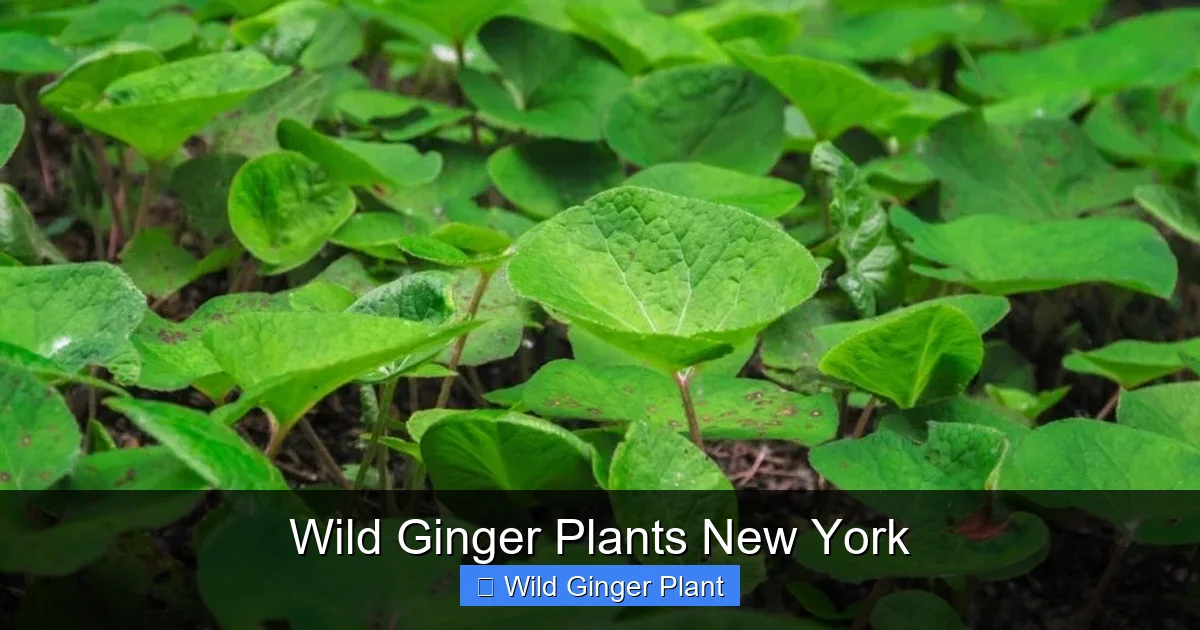
Wild Ginger Plants New York
Wild ginger plants in New York are native woodland perennials with heart-shaped leaves and unique jug-shaped flowers. Asarum canadense thrives in shady, moist forests across the state and makes an excellent ground cover for native shade gardens.
Key Takeaways
- Native Species: Asarum canadense is the primary wild ginger species found throughout New York state woodlands.
- Shade Loving: These plants require deep to partial shade and consistently moist, rich soil to thrive.
- Distinctive Flowers: The unusual jug-shaped flowers bloom at ground level in early spring, often hidden beneath leaf litter.
- Not Culinary Ginger: Despite the name and aromatic roots, wild ginger is not related to culinary ginger (Zingiber officinale).
- Excellent Ground Cover: Wild ginger forms dense colonies that suppress weeds and prevent erosion in shade gardens.
- Conservation Matters: Never harvest from the wild; purchase from native plant nurseries to protect natural populations.
- Pollinator Support: The flowers attract early spring pollinators like flies and beetles with their unique scent.
Quick Answers to Common Questions
Is wild ginger related to the ginger I buy at the grocery store?
No, wild ginger (Asarum canadense) is not related to culinary ginger (Zingiber officinale). They belong to completely different plant families. Wild ginger gets its name because its roots smell similar to culinary ginger.
Can I eat wild ginger from my New York garden?
You should not eat wild ginger. It contains aristolochic acid, which can damage kidneys and is carcinogenic. The FDA advises against consuming plants containing this compound. Use store-bought culinary ginger instead.
When is the best time to plant wild ginger in New York?
Early spring is the best time to plant wild ginger in New York. Early fall also works well. Avoid planting during summer heat or when the ground is frozen.
How fast does wild ginger spread in a garden?
Wild ginger spreads slowly at first, forming a dense colony over 3-5 years. It spreads by shallow rhizomes. Once established, it creates an excellent weed-suppressing ground cover about 6-8 inches tall.
Where can I buy native wild ginger plants in New York?
Purchase from native plant nurseries like Amanda’s Garden (Dansville), Catskill Native Nursery (Kerhonkson), or Native Plant Nursery (Saratoga Springs). Many county Soil and Water Conservation Districts also hold spring native plant sales.
📑 Table of Contents
- Getting to Know Wild Ginger Plants in New York
- How to Identify Wild Ginger in New York Woodlands
- Where Wild Ginger Grows in New York State
- Growing Wild Ginger in Your New York Garden
- The Ecology and Wildlife Value of Wild Ginger
- Conservation and Ethical Considerations
- Historical Uses and Modern Perspectives
- Troubleshooting Common Wild Ginger Problems
- Designing with Wild Ginger: Garden Plans and Ideas
- Conclusion: Embracing Wild Ginger in New York
Getting to Know Wild Ginger Plants in New York
If you have ever walked through a New York woodland in early spring, you might have missed one of the most fascinating native plants growing right at your feet. Wild ginger plants in New York are easy to overlook. They hug the forest floor. Their flowers hide under dead leaves. But once you know what to look for, you will spot them everywhere.
These plants are not the ginger you buy at the grocery store. That ginger comes from a tropical plant called Zingiber officinale. Our native wild ginger belongs to a completely different family. It is Asarum canadense. It grows in rich, moist woods from Canada down to the southern Appalachians. In New York, it is common in almost every county. You will find it in the Adirondacks. You will find it in the Catskills. You will find it in the Hudson Valley. You will even find it in wooded parks in New York City.
This guide will teach you everything you need to know. We will cover identification. We will cover where they grow. We will cover how to grow them in your own garden. We will also talk about why they matter for the ecosystem. Let us dig in.
How to Identify Wild Ginger in New York Woodlands
The Leaves Are the First Clue
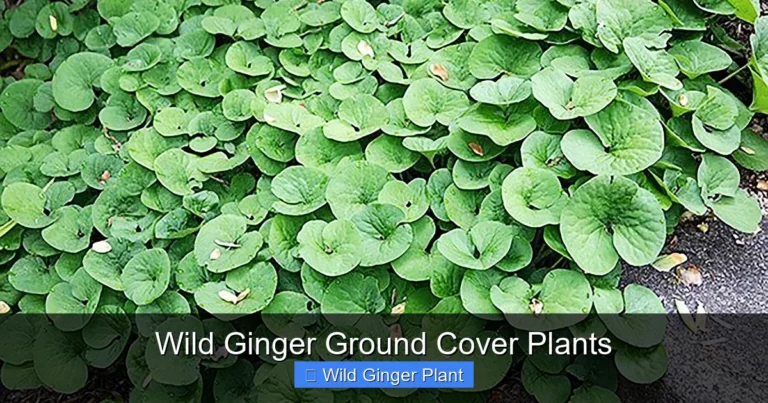
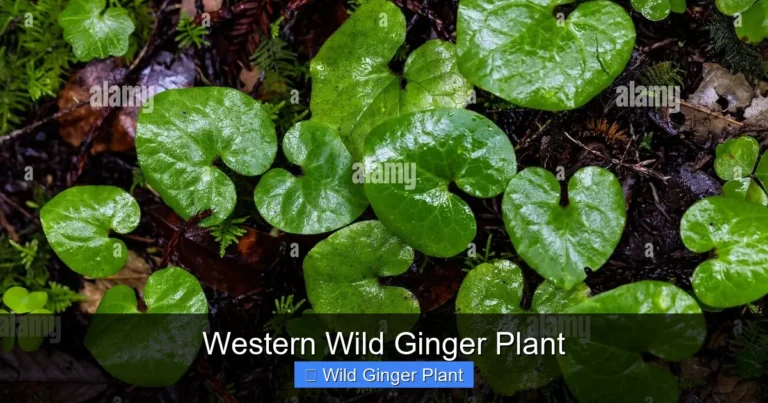
Wild ginger leaves are distinctive. They are heart-shaped. They are also kidney-shaped. Botanists call them reniform. They grow in pairs. Each plant usually produces two leaves per year. The leaves are soft. They feel almost velvety. They have fine white hairs on the surface. The leaves can grow up to six inches wide. They are a deep, rich green. In spring, they emerge tightly folded. They look like little green umbrellas pushing through the leaf litter.
The Hidden Flowers
This is the most exciting part. Wild ginger flowers are weird. They are wonderful. They bloom in April and May. You have to get down on your knees to see them. The flowers sit right at ground level. They are often buried under last year’s leaves.
The flower has no petals. It has three sepals. They are fused into a cup or jug shape. This is why the genus name is Asarum. It comes from a Greek word for “cup.” The color is a deep reddish-brown. Some people say it looks like a tiny jug. Others say it looks like a tiny bell. The inside is often lighter. The flower smells musty. It smells a bit like fungus. This smell attracts the pollinators.
The Root System
Wild ginger spreads by rhizomes. These are underground stems. They grow horizontally just below the soil surface. The rhizomes are thick. They are aromatic. If you scratch them, they smell strongly of ginger. This is where the common name comes from. The rhizomes are shallow. This makes the plant easy to transplant. It also makes it easy to damage by foot traffic.
Look-Alikes to Avoid
There are a few plants that might confuse a beginner. Canada violet has heart-shaped leaves too. But violet leaves have toothed edges. Wild ginger leaf edges are smooth. Violet flowers are obvious and purple or white. Wild ginger flowers are hidden and brown.
Coltsfoot leaves can look similar. But coltsfoot leaves are thicker. They are leathery. They have a white woolly underside. Coltsfoot also flowers very early with bright yellow dandelion-like blooms. Wild ginger flowers are brown and ground-hugging.
European ginger (Asarum europaeum) is sometimes planted in gardens. It has shinier leaves. It is evergreen. Our native wild ginger is deciduous. The leaves die back in winter.
Where Wild Ginger Grows in New York State
Preferred Habitat Conditions
Wild ginger plants in New York are picky about their home. They need three things. They need shade. They need moisture. They need rich soil.
Deep shade is best. They grow under mature deciduous trees. Maples are great. Beeches are great. Basswoods are great. Oaks work too. The canopy should be closed. This keeps the soil cool. It keeps the soil moist. It prevents invasive plants from taking over.
Soil moisture must be consistent. They do not like to dry out. They do not like standing water either. Think of a sponge that is damp but not dripping. That is perfect. The soil should be high in organic matter. Years of decaying leaves create the perfect humus. The pH should be neutral to slightly acidic. Somewhere between 5.5 and 7.0 is ideal.
Regional Distribution Across New York
You can find wild ginger in almost every region of the state. Let us break it down.
The Adirondacks and Tug Hill
This is prime territory. The forests here are mature. The soil is rich. The climate is cool and moist. You will find huge colonies on north-facing slopes. You will find them along stream banks. They grow with trilliums. They grow with bloodroot. They grow with Dutchman’s breeches.
The Catskills
Similar to the Adirondacks. The mixed hardwood forests are perfect. Look in the deep ravines. Look in the coves. The Esopus Creek watershed has great populations. The Neversink watershed does too.
The Hudson Valley
Here you find them on the Palisades. You find them in the Hudson Highlands. The limestone soils in some areas make them very happy. They grow on the steep, rocky slopes facing north or east.
The Finger Lakes Region
The gorges are famous for wildflowers. Wild ginger is abundant there. Watkins Glen. Fillmore Glen. Taughannock Falls. The microclimates in the gorges are perfect. Cool. Moist. Shady.
Western New York and the Allegheny Plateau
Old growth remnants in places like Zoar Valley host great populations. The deep ravines protect them. The rich glacial soils feed them.
Long Island and New York City
They are rarer here. Development destroyed much habitat. But they persist. Look in the Harbor Hill moraine forests. Look in the old growth patches in Alley Pond Park. Look in the Greenbelt on Staten Island. They are hanging on.
Indicator Species and Plant Communities
Wild ginger is an indicator of high-quality woods. If you see it, the woods are healthy. It grows in “rich mesic forests.” This is a technical term. It means moist, rich woods. The community usually includes sugar maple. It includes basswood. It includes white ash. It includes bitternut hickory.
The spring ephemeral crew hangs out with wild ginger. Trilliums. Bloodroot. Spring beauty. Trout lily. Dutchman’s breeches. Squirrel corn. Blue cohosh. Black cohosh. Maidenhair fern. Christmas fern. If you see these together, you are in a special place.
Growing Wild Ginger in Your New York Garden
Why Choose Wild Ginger for Your Shade Garden
If you have a shady yard, wild ginger is a superstar. It is one of the best native ground covers. It forms a dense mat. Weeds cannot get through. It holds soil on slopes. It looks good all season. The leaves stay clean and green until frost. It requires zero mowing. It requires zero fertilizer. It requires zero pesticides. It is deer resistant. Rabbits leave it alone. It supports native insects. It is basically the perfect plant.
Site Selection in the Home Landscape
Mimic the forest. That is the rule. Find the shadiest spot. The north side of the house. The north side of a fence. Under mature trees. Under large shrubs. Morning sun is okay. Afternoon sun will fry them. The soil must stay moist. If you have a low spot that stays damp, perfect. If you have a rain garden edge, perfect. If your soil is sandy or heavy clay, amend it. Add lots of compost. Add leaf mold. Make it spongy.
Planting Techniques for Success
Spring is the best time to plant. Early fall works too. Do not plant in summer heat. Do not plant in frozen ground.
Prepare the bed. Remove grass. Remove weeds. Loosen the soil six inches deep. Mix in compost. Space plants twelve to eighteen inches apart. They will fill in. Plant at the same depth they were in the pot. The rhizome should be just below the surface. Water well. Mulch with shredded leaves. Not wood chips. Wood chips rob nitrogen. Shredded leaves mimic the forest floor.
Care and Maintenance Through the Seasons
Spring: Watch them emerge. Enjoy the flowers. Get on your knees. Look for them. Weed gently. The rhizomes are shallow.
Summer: Water during drought. They will go dormant if too dry. They will come back. But they look better with steady moisture. Mulch helps.
Fall: Leave the leaves. Do not rake them out. The leaves are their winter blanket. The leaves are their fertilizer. The leaves are their weed barrier.
Winter: Do nothing. They are sleeping. The rhizomes are safe underground.
Propagation Methods
Division is easy. Do it in early spring. Dig up a clump. Tease the rhizomes apart. Each piece needs a growing tip. Replant immediately. Water well.
Seed is harder. The seeds have elaiosomes. Ants disperse them. This is called myrmecochory. If you collect seed, sow it fresh. Do not let it dry out. It needs cold stratification. It can take two years to germinate. Division is faster.
Companion Plants for a Woodland Garden
Plant them with friends. Ferns are great. Maidenhair fern. Christmas fern. Lady fern. Spring ephemerals are great. Virginia bluebells. Trilliums. Bloodroot. They bloom early. Then the wild ginger covers the fading foliage. Later bloomers work too. White wood aster. Zigzag goldenrod. Wild geranium. Foamflower. Create layers. Ground layer is wild ginger. Mid layer is ferns and geraniums. Tall layer is cohosh or bugbane.
The Ecology and Wildlife Value of Wild Ginger
A Unique Pollination Story
Wild ginger flowers are sneaky. They do not offer nectar. They do not offer much pollen. They trick their pollinators. The flowers smell like fungus. They look like fungus. They are at ground level. Where fungus grows. Small flies and beetles crawl in. They think they are laying eggs on fungus. They get covered in pollen. They crawl out. They crawl into another flower. Pollination happens. It is a deception. But it works.
Ants are important too. Not for pollination. For seed dispersal. The seeds have a fatty attachment. An elaiosome. Ants love it. They carry seeds to their nest. They eat the elaiosome. They discard the seed. The seed germinates in the rich ant nest trash pile. This is a mutualism. Both benefit.
Food Web Connections
Deer do not eat wild ginger. The leaves contain aromatic compounds. They taste bad. They might be toxic in large amounts. This is why it survives heavy deer browse. When deer eat everything else, wild ginger remains.
Some insects do eat it. The pipevine swallowtail caterpillar eats Aristolochia. That is a different plant. But some moth caterpillars feed on Asarum. The leaves host various herbivores. These feed birds. The dense cover protects small mammals. Shrews. Voles. Salamanders hide under the leaves. The rhizomes feed mice and chipmunks sometimes.
Soil Health and Erosion Control
The shallow rhizome mat is amazing soil armor. Rain hits the leaves. Not the soil. Water infiltrates slowly. The rhizomes bind the soil particles. On slopes, this prevents washouts. The decaying leaves add organic matter. This feeds soil microbes. This feeds fungi. This creates the forest soil food web. Wild ginger is an ecosystem engineer.
Conservation and Ethical Considerations
Threats to Wild Populations
Wild ginger faces several threats in New York. Habitat loss is number one. Development fragments forests. Logging opens the canopy. Invasive species are huge. Garlic mustard is the worst. It releases chemicals that kill soil fungi. Wild ginger needs those fungi. Japanese stiltgrass smothers seedlings. Earthworms are a hidden threat. Non-native worms eat the leaf litter. They destroy the duff layer. Wild ginger needs that duff.
Over-collection is a real problem. People dig plants for gardens. People dig roots for herbal use. This destroys colonies. Recovery is slow. A colony takes decades to form.
Legal Status and Protection
In New York, Asarum canadense is not listed as endangered or threatened statewide. It is ranked S5. That means secure. But local populations can be vulnerable. On state land, collecting is prohibited without a permit. On private land, you need landowner permission. Always. Never collect from parks. Never collect from preserves. Never collect from roadsides. It is illegal. It is unethical.
How to Source Plants Responsibly
Buy from native plant nurseries. Look for “nursery propagated” labels. Not “nursery grown.” That often means dug from the wild. Good nurseries in New York include: Amanda’s Garden in Dansville. Catskill Native Nursery in Kerhonkson. Native Plant Nursery in Saratoga Springs. Project Native in the Berkshires (close to NY border). Many Soil and Water Conservation Districts hold spring plant sales. These are great sources.
Citizen Science and Monitoring
You can help. Join iNaturalist. Photograph wild ginger. Upload observations. Note the date. Note the location (obscure rare ones). Note the phenology. Are they flowering? Are they fruiting? This data helps scientists track populations. It helps track climate change impacts. Flowering times are shifting earlier. Your observations matter.
Historical Uses and Modern Perspectives
Indigenous Knowledge and Traditional Uses
Native peoples across the Northeast used wild ginger. The Haudenosaunee (Iroquois) used it. The Lenape used it. The Algonquin used it. They used the rhizomes. They used them for flavoring. They used them for medicine. They treated colds. They treated fevers. They treated stomach aches. They treated coughs. They made poultices for wounds. The leaves were used too. They were applied to headaches. The knowledge is deep. It is specific. It deserves respect.
Early European Settler Adoption
European settlers learned from Indigenous people. They used it as a ginger substitute. They candied the roots. They made syrup. They used it in cooking. They brought the knowledge back to Europe. European ginger (Asarum europaeum) was already known there. The American species was a new discovery.
Modern Safety Concerns
Here is the important part. Wild ginger contains aristolochic acid. This compound is nephrotoxic. It damages kidneys. It is carcinogenic. The FDA warns against consuming plants with aristolochic acid. The concentration varies. It might be low in Asarum canadense. But it is present. Do not eat wild ginger. Do not make tea. Do not make tinctures. Do not candy the roots. The risk is not worth it. Use culinary ginger instead. It is safe. It is cheap. It is available everywhere.
Ornamental Value Today
Today, we value wild ginger for beauty. We value it for ecology. We value it for the shade garden. This is the best use. Plant it. Enjoy it. Watch the ants. Watch the flies. Watch the leaves unfurl. Let it be a piece of the forest in your yard.
Troubleshooting Common Wild Ginger Problems
Leaf Scorch and Sun Damage
Brown edges? Crispy leaves? Too much sun. Move them. Or plant a shrub to cast more shade. Water deeply. Mulch heavily. They might recover next spring.
Drought Dormancy
Leaves wilting in July? Soil bone dry? They are going dormant early. This is a survival tactic. Water them. Slowly. Deeply. Do not flood them. They may perk up. If not, wait for next year. Established plants survive this fine.
Slug and Snail Damage
Holes in leaves? Slime trails? Slugs love the tender spring leaves. Beer traps work. Copper tape works. Diatomaceous earth works. Hand picking at night works. Encourage toads. Encourage snakes. They eat slugs.
Invasive Plant Competition
Garlic mustard taking over? Pull it. Pull it before it seeds. Pull it every year. Stiltgrass? Weed whack it before it seeds. Do not pull it. Pulling disturbs soil. That helps it spread. Mulch thickly. Plant densely. Wild ginger will win if you help it.
Poor Spread
Not spreading after three years? Check soil. Is it too dry? Too sandy? Too compacted? Too acidic? Do a soil test. Amend accordingly. Add fungal inoculant. Mycorrhizal fungi help. Be patient. Some clones are slow.
Designing with Wild Ginger: Garden Plans and Ideas
The Shady Foundation Bed
North side of the house. Ten feet wide. Three feet deep. Plant wild ginger eighteen inches apart in a grid. Forty plants. Edge with native sedges. Carex plantaginea. Carex platyphylla. Add a few ferns in the back. Polystichum acrostichoides. Add spring bulbs. Not tulips. Species tulips. Or scilla. Or chionodoxa. They bloom before the ginger leaves expand.
The Woodland Path Border
Line a stepping stone path. Plant wild ginger on both sides. Let it spill over the stones. It softens the edges. It smells good when brushed. Mix with foamflower. Tiarella cordifolia. The leaves contrast. The foamflower blooms pink or white. The ginger blooms brown. Different seasons. Different textures.
The Rain Garden Transition Zone
Rain gardens have zones. Wet zone. Mesic zone. Dry zone. Wild ginger goes in the mesic zone. The edge. Not the ponding area. Not the dry berm. Plant with swamp milkweed in the wet zone. Plant with little bluestem on the dry berm. The ginger connects them.
The Slope Stabilizer
Steep shady bank. Hard to mow. Dangerous to mow. Plant wild ginger plugs. Twelve inches apart. Stagger rows. Mulch with jute netting. Pin it down. Water until established. In three years, you have a green carpet. No mowing. No erosion.
The Container Woodland
No ground? Big pot. Eighteen inches wide. Twelve inches deep. Good potting mix. Add compost. One wild ginger. One fern. One foamflower. Place on shady porch. Water daily in summer. Overwinter in garage. Or sink pot in ground. Or insulate heavily. It works.
Conclusion: Embracing Wild Ginger in New York
Wild ginger plants in New York are a treasure. They are a piece of the ancient forest. They are a survivor. They are a teacher. They teach us about patience. They teach us about community. They teach us about the hidden world at ground level.
Whether you find them on a hike in the Adirondacks. Whether you plant them in your Brooklyn backyard. Whether you watch ants carry their seeds. You are participating in something old. Something important. Something beautiful.
Next spring, go outside. Get on your knees. Push aside the leaves. Find that little brown jug. Smell the rhizome. Thank the plant. Then stand up. Look around. The forest is full of wonders. Wild ginger is just the beginning.
If you garden, plant it. If you hike, protect it. If you teach, share it. New York needs more wild ginger. Our woods need it. Our gardens need it. Our children need to know it. Let us make that happen. One rhizome at a time.
Frequently Asked Questions
What is the scientific name for wild ginger in New York?
The scientific name for wild ginger in New York is Asarum canadense. It belongs to the birthwort family (Aristolochiaceae) and is native to eastern North America.
Does wild ginger grow in all parts of New York State?
Yes, wild ginger grows in nearly every county of New York State. It thrives in the Adirondacks, Catskills, Hudson Valley, Finger Lakes region, Western New York, and even persists in pockets of Long Island and NYC.
What kind of soil does wild ginger prefer?
Wild ginger prefers rich, moist, well-drained soil with high organic matter content. The ideal pH range is neutral to slightly acidic (5.5-7.0). It thrives in the humus-rich soil found in mature deciduous forests.
How do I identify wild ginger flowers?
Wild ginger flowers are unique jug-shaped blooms that sit at ground level, often hidden under leaf litter. They have three fused reddish-brown sepals, no petals, and bloom in April-May with a musty, fungal scent.
Is wild ginger deer resistant?
Yes, wild ginger is highly deer resistant. The aromatic compounds in the leaves make them unpalatable to deer, which is why wild ginger often persists in forests with heavy deer browse pressure.
Can wild ginger be grown in containers?
Yes, wild ginger can grow in containers. Use a pot at least 12 inches deep and 18 inches wide with rich, moisture-retentive potting mix. Keep it in full shade and water consistently. Overwinter in an unheated garage or sink the pot in the ground.