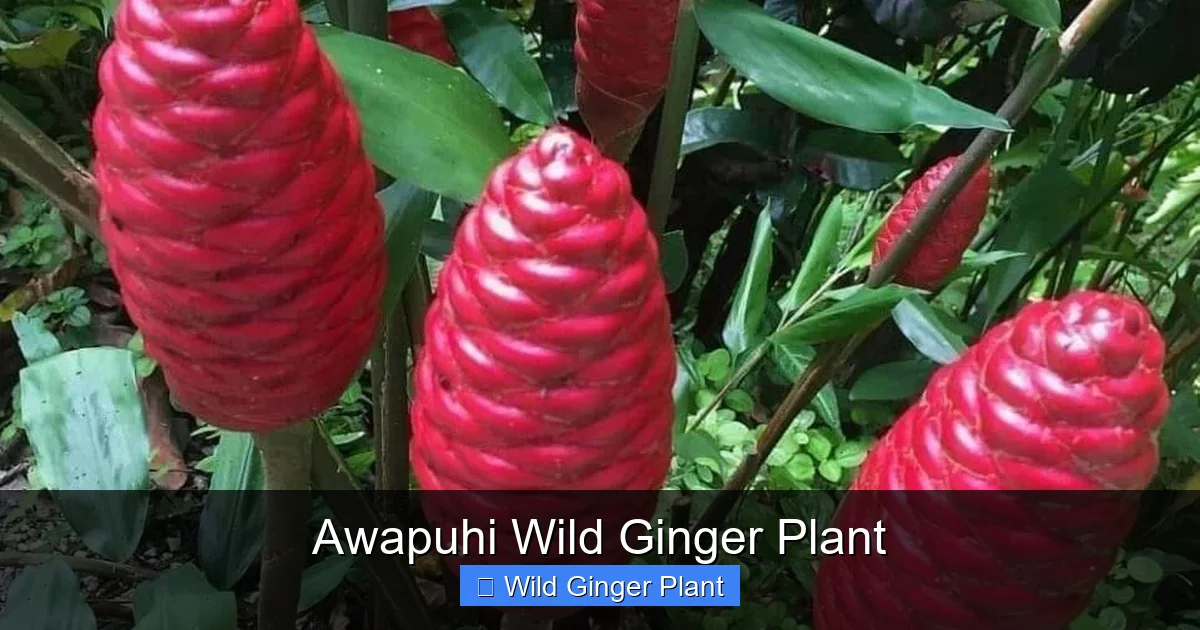
Awapuhi Wild Ginger Plant
The awapuhi wild ginger plant is a stunning tropical perennial known for its fragrant flowers and versatile rhizomes. Native to Polynesia and widely cultivated in Hawaii, this plant offers both ornamental beauty and practical uses in hair care, skin treatments, and traditional medicine.
Key Takeaways
- Tropical origins: The awapuhi wild ginger plant hails from Polynesia and thrives in warm, humid climates with partial shade.
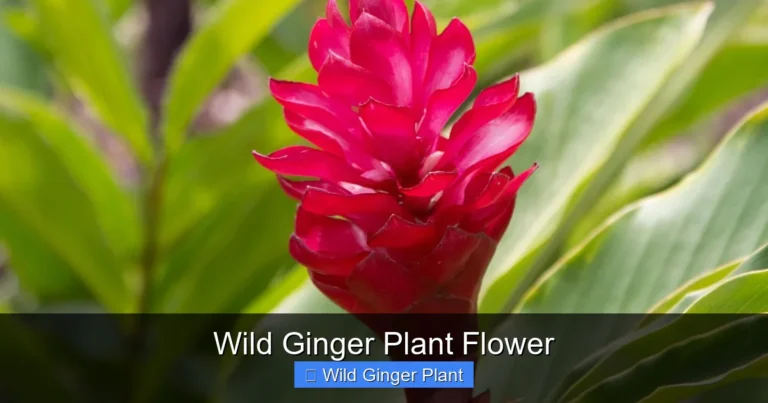
- Distinctive flowers: It produces pinecone-shaped bracts that turn red and release a sweet, gingery fragrance when mature.
- Hair care superstar: The clear gel from flower bracts is a prized ingredient in natural shampoos and conditioners for hydration and shine.
- Easy propagation: This plant spreads through rhizomes and can be divided in spring for new plants.
- Medicinal heritage: Traditional healers used the rhizomes and leaves for headaches, toothaches, and digestive issues.
- Container friendly: The awapuhi wild ginger plant grows well in large pots, making it accessible to gardeners in cooler zones.
- Seasonal dormancy: In winter, the plant dies back to the ground and re-emerges in spring with fresh growth.
Quick Answers to Common Questions
What is the awapuhi wild ginger plant used for?
The awapuhi wild ginger plant is used for natural hair care, skin treatments, traditional medicine, and ornamental gardening. The flower gel serves as shampoo and conditioner.
Can awapuhi wild ginger plant grow indoors?
Yes, the awapuhi wild ginger plant grows well indoors with bright indirect light, high humidity, and a large container. Bathrooms with windows are ideal locations.
How do you harvest awapuhi wild ginger plant gel?
Wait for flower bracts to turn fully red, then squeeze them over a clean bowl to collect the clear, fragrant gel. Use fresh or freeze for later use.
Is awapuhi wild ginger plant the same as culinary ginger?
No, the awapuhi wild ginger plant (Zingiber zerumbet) is a different species from culinary ginger (Zingiber officinale). Its rhizomes are bitter and used medicinally, not for cooking.
When does awapuhi wild ginger plant bloom?
The awapuhi wild ginger plant blooms in mid to late summer, typically July through September, producing green pinecone-shaped bracts that mature to bright red.
📑 Table of Contents
- Meet the Awapuhi Wild Ginger Plant
- What Is the Awapuhi Wild Ginger Plant?
- History and Cultural Significance
- Growing the Awapuhi Wild Ginger Plant
- Care Through the Seasons
- Harvesting and Using the Awapuhi Wild Ginger Plant
- Common Varieties and Relatives
- Troubleshooting Common Problems
- Designing with Awapuhi Wild Ginger Plant
- Sustainability and Ethical Considerations
- Frequently Asked Questions About Growing
- Conclusion
Meet the Awapuhi Wild Ginger Plant
Have you ever seen a plant that looks like it belongs in a tropical paradise? The awapuhi wild ginger plant fits that description perfectly. This gorgeous perennial goes by several names. You might know it as shampoo ginger, pinecone ginger, or its scientific name Zingiber zerumbet. Whatever you call it, this plant brings a slice of the tropics to any garden.
I first encountered the awapuhi wild ginger plant during a trip to Hawaii. The scent stopped me in my tracks. Sweet, spicy, and unmistakably gingery. The flowers looked like little red pinecones perched on tall stalks. Locals told me they squeeze the gel from those bracts right into their hair. Natural shampoo straight from the plant. How cool is that?
This guide covers everything you need to know about growing, using, and loving the awapuhi wild ginger plant. Whether you live in a tropical zone or want to try container growing, you will find practical tips here. Let us dive in.
What Is the Awapuhi Wild Ginger Plant?
Botanical Profile
The awapuhi wild ginger plant belongs to the Zingiberaceae family. That makes it a cousin to culinary ginger, turmeric, and cardamom. But do not confuse it with the ginger root you buy at the grocery store. This plant serves different purposes.
It grows as a herbaceous perennial. Each year, leafy stalks shoot up from underground rhizomes. These stalks reach three to seven feet tall. The leaves are long, lance-shaped, and a rich green. They alternate along the stem, creating a lush, tropical look.
Then come the flowers. They emerge on separate, leafless stalks. At first, the bracts are green and shaped like a pinecone. As they mature, they turn a brilliant red. Inside each bract pocket, small yellowish-white flowers bloom. But the real magic happens inside those bracts. They fill with a clear, fragrant gel.
Native Range and Natural Habitat
The awapuhi wild ginger plant originated in tropical Asia and Polynesia. Polynesian voyagers carried it across the Pacific. It naturalized in Hawaii, where it grows wild in wet valleys and along streams. You will also find it in Fiji, Samoa, Tonga, and other Pacific islands.
In its native habitat, this plant prefers the understory of tropical forests. It gets dappled sunlight. The soil stays moist but drains well. Humidity remains high year-round. Temperatures rarely drop below sixty degrees Fahrenheit.
Common Names and Their Meanings
Names tell stories. “Awapuhi” comes from Hawaiian. “Awa” means bitter. “Puhi” means to blow or swell. Together, they reference the plant’s bitter rhizomes and the swollen flower bracts.
“Shampoo ginger” describes the most famous use. The gel from mature bracts works as a natural cleanser. “Pinecone ginger” refers to the distinctive flower shape. “Bitter ginger” hints at the rhizome flavor. Each name captures a different facet of this remarkable plant.
History and Cultural Significance
Polynesian Voyaging Plant
The awapuhi wild ginger plant traveled with Polynesian navigators. These master wayfinders carried essential plants in their canoes. They called these “canoe plants.” The awapuhi wild ginger plant earned its spot for good reason. It provided medicine, hygiene, and ceremony.
When settlers reached new islands, they planted awapuhi near their homes. It marked habitation sites. Today, stands of awapuhi in Hawaiian forests often indicate ancient village locations. The plant became part of the landscape and the culture.
Traditional Hawaiian Uses
Hawaiians valued every part of the awapuhi wild ginger plant. The rhizomes treated headaches, toothaches, and stomach troubles. Healers pounded fresh rhizomes into a paste. They applied it to bruises and sprains. The leaves wrapped foods for cooking in underground ovens.
The flower gel served as shampoo and conditioner. Women gathered the red bracts, squeezed the gel into bowls, and washed their hair in streams. The result? Soft, shiny, fragrant locks. This practice continues today. Many Hawaiian families still harvest awapuhi for personal use.
Ceremonial and Spiritual Roles
The awapuhi wild ginger plant appears in hula and chant. Its fragrance evokes the gods. Dancers wear leis made from the leaves and flowers. The plant represents Laka, goddess of hula and forest growth. Offering awapuhi honors her.
In traditional medicine, kahuna lapaau (healers) used awapuhi in purification rituals. The bitter rhizome cleared negative energy. The sweet flower gel brought sweetness back. This balance reflects Hawaiian concepts of health.
Growing the Awapuhi Wild Ginger Plant
Climate and Hardiness Zones
The awapuhi wild ginger plant thrives in USDA zones nine through eleven. In these zones, it grows as a perennial outdoors year-round. Zone nine gardeners may see dieback during rare freezes. The rhizomes survive underground and resprout in spring.
If you live in zone eight or colder, you have options. Grow the awapuhi wild ginger plant in containers. Bring pots indoors before frost. Or dig rhizomes in fall, store them cool and dry, and replant in spring. Many temperate gardeners succeed with this method.
Light Requirements
Think dappled shade. The awapuhi wild ginger plant evolved under forest canopies. It wants bright, filtered light. Morning sun with afternoon shade works well. Deep shade reduces flowering. Full sun in hot climates scorches the leaves.
Indoors, place your plant near an east-facing window. Or use sheer curtains to filter south or west light. Rotate the pot weekly for even growth. Supplemental grow lights help during short winter days.
Soil Preferences
Rich, loose, well-draining soil makes the awapuhi wild ginger plant happy. Think forest floor. Lots of organic matter. A mix of compost, leaf mold, and coarse sand or perlite works great. The pH should be slightly acidic, around 5.5 to 6.5.
Avoid heavy clay. It holds too much water and suffocates rhizomes. If your soil is clay-heavy, amend generously with compost. Raised beds solve drainage issues. Containers need high-quality potting mix with added perlite.
Watering Needs
Consistent moisture is key. The awapuhi wild ginger plant hates drying out. But it also hates sitting in stagnant water. Water when the top inch of soil feels dry. In hot weather, this might mean daily watering. In cooler periods, every few days.
Mulch heavily with straw, wood chips, or leaves. Mulch retains moisture, suppresses weeds, and feeds the soil as it breaks down. Keep mulch a few inches away from stems to prevent rot.
Fertilizing Schedule
Feed your awapuhi wild ginger plant during active growth. Spring through early fall. Use a balanced organic fertilizer. Fish emulsion, seaweed extract, or compost tea work well. Apply every two to three weeks.
Alternatively, top-dress with compost monthly. The plant responds beautifully to steady, gentle nutrition. Stop fertilizing in late fall. Let the plant prepare for dormancy.
Planting and Propagation
Starting from Rhizomes
The easiest way to grow awapuhi wild ginger plant is from rhizome divisions. Source healthy rhizomes from a reputable nursery or a gardening friend. Look for firm pieces with visible growth buds. Each piece should be at least three inches long.
Plant in spring after frost danger passes. Dig a shallow trench three inches deep. Lay rhizomes horizontally with buds facing up. Space them twelve to eighteen inches apart. Cover with soil. Water thoroughly. Mulch.
Shoots appear in two to four weeks. Keep soil consistently moist. Do not fertilize until plants reach six inches tall.
Container Growing
Choose a large pot. At least eighteen inches wide and deep. The awapuhi wild ginger plant develops extensive rhizomes. It needs room. Ensure drainage holes. Fill with rich potting mix amended with perlite and compost.
Plant one rhizome division per pot. Water well. Place in bright, indirect light. Container plants need more frequent watering and fertilizing. Nutrients leach out faster. Repot every two to three years in spring.
Division and Sharing
Mature clumps benefit from division every three to four years. Spring is the best time. Dig up the entire clump. Gently separate rhizomes by hand. Each division needs roots and at least one growth bud. Replant immediately. Share extras with friends.
Care Through the Seasons
Spring Awakening
As temperatures warm, the awapuhi wild ginger plant emerges. New shoots push through the soil. This is the time to divide crowded clumps. Apply a generous layer of compost around existing plants. Begin regular watering and fertilizing.
Watch for slugs and snails. They love tender new growth. Hand-pick at night or use organic baits. Diatomaceous earth around plants helps too.
Summer Glory
Summer brings peak growth. Stalks reach full height. Leaves unfurl into a tropical canopy. Flower stalks appear in mid to late summer. The pinecone bracts form green, then slowly redden.
Keep up with watering. Hot winds increase evaporation. Mist foliage on scorching days to boost humidity. Continue fertilizing every two to three weeks. Remove any yellowing leaves at the base.
Fall Transition
As days shorten, flowering finishes. The awapuhi wild ginger plant starts storing energy in rhizomes. Reduce fertilizing. Stop by early fall. Water less frequently but do not let soil dry completely.
In zones nine and ten, plants may stay green through winter. In cooler areas, foliage yellows and dies back. This is normal. Cut dead stalks to ground level after first frost. Mulch heavily to protect rhizomes.
Winter Dormancy
The awapuhi wild ginger plant rests in winter. In tropical zones, growth slows but continues. In subtropical areas, the plant goes fully dormant. Rhizomes survive underground.
Container plants in cold climates need a cool, dark rest. A garage or basement at forty to fifty degrees works. Water sparingly, just enough to keep rhizomes from shriveling. Bring back into light and warmth in early spring.
Harvesting and Using the Awapuhi Wild Ginger Plant
Collecting Flower Gel
The star product of the awapuhi wild ginger plant is the flower gel. Wait until bracts turn fully red. They feel heavy and slightly soft. Squeeze a bract. Clear, fragrant gel should flow easily.
Collect gel by squeezing bracts into a clean bowl. Or cut the entire flower stalk and press bracts over a strainer. One stalk yields two to four tablespoons of gel. Use fresh or freeze in ice cube trays for later.
Hair Care Applications
The awapuhi wild ginger plant gel is a hair care superstar. It cleanses gently without stripping. It conditions deeply. It adds shine. It soothes scalp irritation. The natural saponins create a light lather.
For a simple shampoo, massage fresh gel into wet hair and scalp. Leave for three to five minutes. Rinse thoroughly. Follow with a diluted apple cider vinegar rinse for extra shine. Your hair will smell amazing.
As a leave-in conditioner, dilute gel with equal parts water. Spray on damp hair. Focus on ends. Style as usual. The gel defines curls, tames frizz, and protects from humidity.
Skin Care Uses
The gel from awapuhi wild ginger plant benefits skin too. It hydrates, cools, and calms. Apply fresh gel to sunburns, insect bites, or minor irritations. It reduces redness and itching.
Mix gel with aloe vera for an after-sun spray. Add a few drops of lavender essential oil. Keep refrigerated. Use within a week. The antioxidants in awapuhi help repair UV damage.
Rhizome Uses
The rhizomes of awapuhi wild ginger plant are bitter. Not culinary ginger. But they have medicinal value. Traditional preparations include teas, poultices, and tinctures.
For a digestive tea, simmer one teaspoon dried, grated rhizome in a cup of water for ten minutes. Strain. Add honey. Drink after meals. This eases bloating and nausea.
A poultice of fresh, crushed rhizome reduces swelling from sprains and bruises. Apply to affected area. Cover with cloth. Leave for thirty minutes. Repeat twice daily.
Always consult a healthcare provider before using herbal remedies. Especially if pregnant, nursing, or taking medications.
Culinary Experiments
While not a culinary star, the awapuhi wild ginger plant offers creative possibilities. Young leaf shoots are edible. Steam them like asparagus. They have a mild, gingery flavor.
Flower bracts make a stunning garnish. The gel adds fragrance to tropical drinks. Freeze gel in ice cubes for cocktails. Infuse simple syrup with a few bracts for a unique sweetener.
Wrap fish or rice in awapuhi leaves for steaming. The leaves impart subtle aroma. Remove before eating. This technique comes from traditional Hawaiian cooking.
Common Varieties and Relatives
Zingiber zerumbet ‘Darceyi’
This cultivar features variegated leaves. Green with creamy white stripes. The foliage alone makes it a stunner. Flowers and gel match the species. It grows slightly slower. Same care requirements.
Variegated plants need a bit more light to maintain color. But still avoid harsh afternoon sun. They make spectacular container specimens.
Zingiber zerumbet ‘Alba’
A rare white-flowered form. The bracts stay greenish-white instead of turning red. The gel is equally fragrant and effective. Very ornamental. Harder to find but worth seeking.
Related Gingers for Your Garden
If you love the awapuhi wild ginger plant, explore its cousins. Culinary ginger (Zingiber officinale) grows easily in pots. Turmeric (Curcuma longa) offers vibrant orange rhizomes and beautiful flowers. Shell ginger (Alpinia zerumbet) has stunning variegated foliage and fragrant shell-like blooms.
Hidden ginger (Curcuma petiolata) produces pink flower cones before leaves emerge. Butterfly ginger (Hedychium coronarium) bears intensely fragrant white flowers. All share similar care needs.
Troubleshooting Common Problems
Pests
The awapuhi wild ginger plant resists most pests. But a few troublemakers appear.
Spider mites attack in dry, hot conditions. Look for fine webbing and stippled leaves. Increase humidity. Spray with neem oil or insecticidal soap. Repeat weekly until controlled.
Mealybugs hide in leaf axils and rhizome crevices. They look like tiny cotton balls. Dab with alcohol on a cotton swab. For heavy infestations, use systemic insecticide or discard plant.
Root knot nematodes damage rhizomes. They cause galls and stunted growth. Solarize soil before planting. Rotate crops. Add beneficial nematodes.
Diseases
Fungal issues arise from excess moisture and poor air circulation.
Rhizome rot is the biggest threat. Rhizomes turn mushy and foul-smelling. Caused by waterlogged soil. Prevention is everything. Ensure drainage. Do not overwater. Remove affected plants immediately.
Leaf spot appears as brown lesions with yellow halos. Remove infected leaves. Improve air flow. Avoid overhead watering. Copper fungicide helps severe cases.
Bacterial wilt causes sudden yellowing and collapse. No cure. Remove and destroy plant. Do not replant ginger family in that spot for three years.
Environmental Stress
Leaf scorch means too much sun or not enough water. Move to shadier spot. Increase watering. Trim badly damaged leaves.
Yellowing lower leaves often indicate nitrogen deficiency. Fertilize with fish emulsion. But check for overwatering first. Soggy soil prevents nutrient uptake.
No flowers? The plant may be too young. The awapuhi wild ginger plant typically blooms in its second or third year. Insufficient light also reduces flowering. Ensure bright, filtered light.
Designing with Awapuhi Wild Ginger Plant
Tropical Garden Beds
Plant awapuhi wild ginger plant in groups of three or five. Space eighteen inches apart. They create a lush, tropical backdrop. Pair with ferns, calatheas, and philodendrons. Add heliconias or bird of paradise for height contrast.
Underplant with shade-loving ground covers. Peperomias, fittonias, or tropical mosses. The awapuhi wild ginger plant stalks rise above a carpet of texture.
Water Features and Bog Gardens
The awapuhi wild ginger plant loves moisture. Plant near ponds, streams, or rain gardens. Not in standing water, but at the edge where soil stays damp. The reflection of red bracts in water is magical.
Combine with cannas, iris, and papyrus. Create a layered waterside planting. The awapuhi wild ginger plant provides mid-height structure.
Container Combinations
Large pots showcase the awapuhi wild ginger plant beautifully. Use as a thriller in the “thriller, filler, spiller” design. Surround with trailing pothos or ivy. Add colorful impatiens or begonias for filler.
On a patio, group three pots of different heights. All planted with awapuhi wild ginger plant. The repetition creates rhythm. The fragrance greets visitors.
Indoor Jungle Vibe
Bring the tropics inside. A mature awapuhi wild ginger plant in a decorative pot becomes living sculpture. Place in a bright bathroom. The humidity suits it perfectly.
Pair with monstera, bird’s nest fern, and pothos. Create a green corner. The awapuhi wild ginger plant adds vertical interest and seasonal flowers.
Sustainability and Ethical Considerations
Responsible Sourcing
Buy awapuhi wild ginger plant from ethical nurseries. Avoid wild-harvested plants. Over-collection threatens natural populations. Reputable growers propagate from cultivated stock.
Ask about propagation methods. Tissue culture and division are sustainable. Seed-grown plants take longer but preserve genetic diversity.
Invasive Potential
In ideal climates, the awapuhi wild ginger plant can spread aggressively. It naturalizes in Hawaii and parts of Florida. Gardeners in zone ten and eleven should monitor spread. Remove unwanted shoots promptly. Do not dump garden waste in natural areas.
Container growing eliminates this risk. Deadhead flowers before seeds form. Though this plant spreads mainly by rhizomes, not seeds.
Supporting Indigenous Knowledge
The awapuhi wild ginger plant carries cultural heritage. When you grow it, honor that legacy. Learn traditional uses from authentic sources. Support Native Hawaiian-owned businesses that sell awapuhi products.
Share the plant and its stories. Teach children about canoe plants. Connect with the deeper meaning beyond ornamentation.
Frequently Asked Questions About Growing
How fast does awapuhi wild ginger plant grow?
Expect three to four feet of growth in the first season from a rhizome division. Full height and flowering usually happen in year two or three. Container plants grow slower.
Can I grow awapuhi wild ginger plant from seed?
Yes, but it is slow and unpredictable. Seeds need fresh harvest and specific conditions. Division is far easier and preserves cultivar traits. Most gardeners never bother with seeds.
Why is my awapuhi wild ginger plant not flowering?
Common reasons: too much shade, too young, insufficient nutrients, or dry stress. Ensure bright filtered light. Fertilize regularly. Water consistently. Be patient with young plants.
Is awapuhi wild ginger plant toxic to pets?
The ASPCA lists Zingiber zerumbet as non-toxic to dogs, cats, and horses. But large amounts of any plant material can cause digestive upset. Monitor pets. The bitter rhizomes discourage chewing.
Can I grow awapuhi wild ginger plant hydroponically?
Yes, with care. Use a media-based system like expanded clay pebbles. Provide strong support for tall stalks. Maintain high humidity. Nutrient solution should be balanced for flowering plants.
How do I overwinter awapuhi wild ginger plant in zone seven?
Dig rhizomes after first frost kills foliage. Clean off soil. Dry in shade for a few days. Store in peat moss or vermiculite in a cardboard box. Keep at forty to fifty degrees. Check monthly for mold. Replant in spring.
Conclusion
The awapuhi wild ginger plant gives so much. Beauty. Fragrance. Utility. History. It connects us to Polynesian navigators who carried it across oceans. It connects us to Hawaiian culture that cherishes it still. And it connects us to the simple joy of growing something extraordinary.
Whether you harvest gel for hair care, brew rhizome tea for digestion, or simply admire the red pinecone flowers swaying in a tropical breeze, this plant enriches your life. It asks for so little. Moisture. Shade. Rich soil. In return, it offers abundance.
Start with one rhizome. Plant it in spring. Watch it emerge. Tend it through seasons. Share divisions with friends. Tell the stories. The awapuhi wild ginger plant becomes more than a garden specimen. It becomes a living link to ancient wisdom and natural generosity.
Your tropical paradise awaits. The awapuhi wild ginger plant is ready when you are.
Frequently Asked Questions
What growing zones are best for awapuhi wild ginger plant?
The awapuhi wild ginger plant thrives in USDA zones 9 through 11 as a perennial. In cooler zones, grow it in containers and bring indoors before frost, or dig and store rhizomes over winter.
How much sun does awapuhi wild ginger plant need?
The awapuhi wild ginger plant prefers bright, filtered light or dappled shade. Morning sun with afternoon shade is ideal. Full sun in hot climates can scorch the leaves and reduce flowering.
How often should I water awapuhi wild ginger plant?
Keep soil consistently moist but not waterlogged. Water when the top inch of soil feels dry. In hot weather, this may mean daily watering. Mulch heavily to retain moisture between waterings.
Can I eat the rhizomes of awapuhi wild ginger plant?
The rhizomes are very bitter and not used as a culinary spice like common ginger. They have traditional medicinal uses for digestive issues and inflammation, but consult a healthcare provider before consuming.
How do I propagate awapuhi wild ginger plant?
Divide rhizomes in spring when new growth emerges. Each division needs roots and at least one growth bud. Plant horizontally three inches deep, buds up, spaced 12 to 18 inches apart.
Why are the leaves on my awapuhi wild ginger plant turning yellow?
Yellowing leaves often indicate overwatering, poor drainage, or nitrogen deficiency. Check soil moisture and drainage first. If soil is soggy, reduce watering. If drainage is good, apply a balanced organic fertilizer.