Wild Ginger Plants for Seal
Wild ginger (Asarum canadense) is a native North American groundcover prized for its heart-shaped leaves and unique bell-shaped flowers. This comprehensive guide covers everything from identification and cultivation to traditional uses for wound sealing and where to find healthy plants for your shade garden.
Have you ever walked through a spring woodland and noticed those low-growing plants with heart-shaped leaves hugging the forest floor? Chances are you’ve met wild ginger. This charming native plant has been a favorite of gardeners, herbalists, and nature lovers for generations. Today we’re diving deep into everything you need to know about wild ginger plants for seal healing traditions, garden cultivation, and sustainable harvesting.
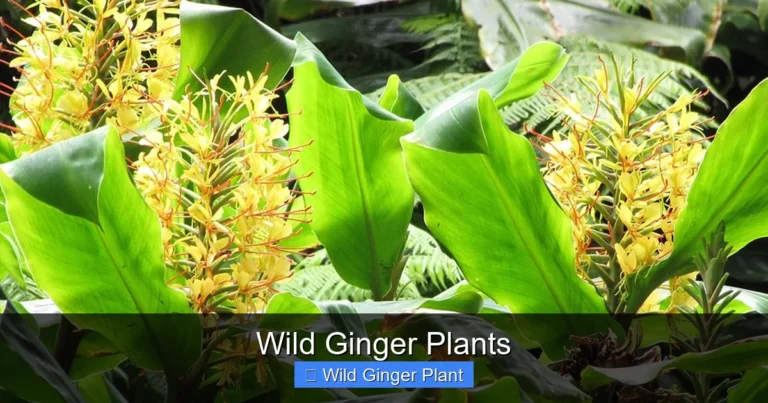
Wild ginger isn’t related to the spicy root in your kitchen cabinet. That’s culinary ginger (Zingiber officinale), a tropical plant from Southeast Asia. Our North American wild ginger belongs to the birthwort family (Aristolochiaceae) and goes by the scientific name Asarum canadense. It earned its common name because the rhizomes smell and taste somewhat like commercial ginger, though milder and earthier. The “for seal” part of our topic refers to traditional uses where the plant helped seal wounds and promote healing.
Key Takeaways
- Native Groundcover: Wild ginger thrives in shaded woodland areas across eastern North America and makes an excellent low-maintenance garden plant.
- Distinctive Features: Heart-shaped leaves and hidden jug-shaped flowers make identification easy once you know what to look for.
- Traditional Medicine: Indigenous peoples used the rhizomes for wound sealing, digestive issues, and respiratory ailments for centuries.
- Easy Cultivation: Plant in rich, moist soil with dappled shade for best results; spreads slowly via rhizomes to form dense colonies.
- Wildlife Value: Provides early-season nectar for pollinators and serves as a host plant for pipevine swallowtail butterflies.
- Sustainable Harvesting: Only harvest from abundant populations, leaving plenty behind; consider growing your own for medicinal use.
- Buying Tips: Purchase from reputable native plant nurseries to ensure you get true Asarum canadense, not European ginger or invasive substitutes.
Quick Answers to Common Questions
Is wild ginger related to culinary ginger?
No, wild ginger (Asarum canadense) is not related to culinary ginger (Zingiber officinale). They belong to completely different plant families. Wild ginger gets its name because the rhizomes have a similar spicy, ginger-like aroma and flavor, but they are distinct species with different chemical compositions.
Can I eat wild ginger safely?
Wild ginger contains aristolochic acid, which can damage kidneys and cause cancer with long-term use. Modern herbalists recommend external use only (such as wound poultices) and advise against internal consumption, especially for pregnant women. Consult a qualified herbalist before any medicinal use.
How fast does wild ginger spread in the garden?
Wild ginger spreads slowly, typically 6 to 12 inches per year under ideal conditions. It forms dense colonies over many years but is not considered aggressive or invasive. It’s easy to control by digging up unwanted rhizome extensions.
Where can I buy native wild ginger plants?
Purchase from reputable native plant nurseries that propagate ethically from seed or division. Avoid big-box stores that may sell European ginger (Asarum europaeum) instead. Many state native plant societies maintain lists of recommended nurseries.
What growing conditions does wild ginger need?
Wild ginger thrives in dappled to full shade with rich, moist, well-drained soil high in organic matter. It prefers slightly acidic to neutral pH (6.0-7.0) and consistent moisture. Mulch with shredded leaves to mimic natural forest conditions.
📑 Table of Contents
Getting to Know Wild Ginger
Botanical Profile and Classification
Wild ginger is a perennial herb that grows from shallow, branching rhizomes. Each rhizome segment produces a pair of leaves annually. The plant typically reaches 6 to 12 inches in height, forming dense mats over time. It’s hardy in USDA zones 4 through 8, making it suitable for much of the eastern United States and southeastern Canada.
The genus Asarum contains roughly 60 to 70 species worldwide, with several native to North America. Asarum canadense is the most widespread and commonly encountered. Other native species include Asarum caudatum (western wild ginger) found in the Pacific Northwest, and Asarum virginicum (Virginia wild ginger) in the southeastern states. Each has slightly different leaf shapes and flower characteristics, but they share the same basic growth habit and aromatic rhizomes.
Distinctive Identification Features
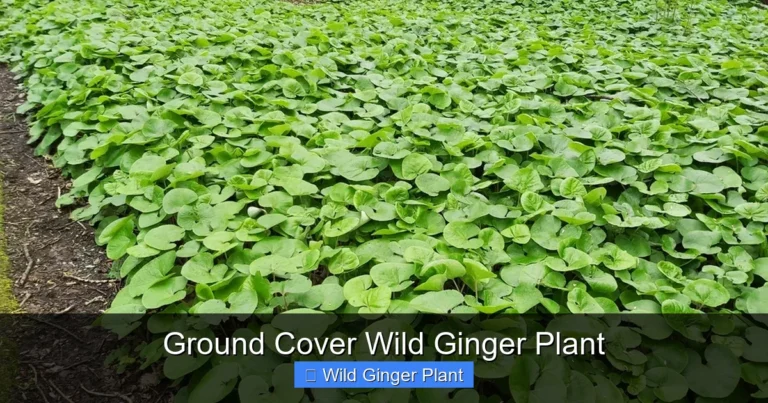
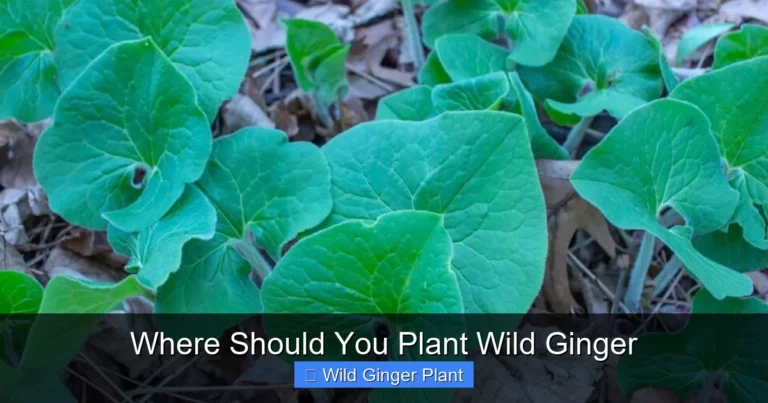
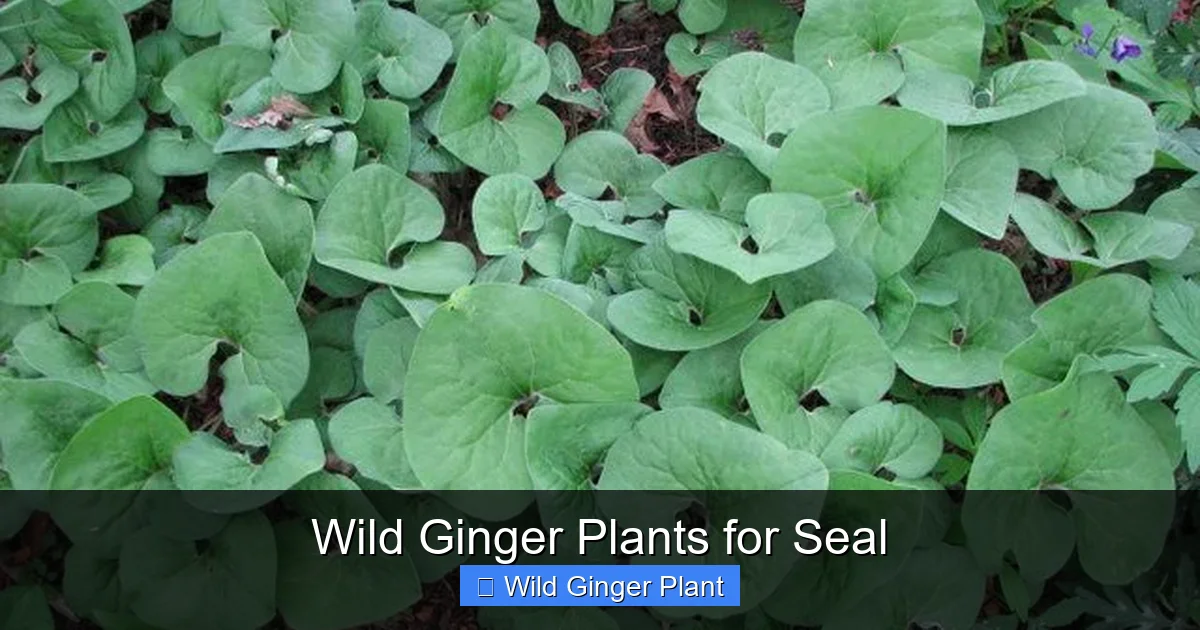
Learning to identify wild ginger confidently opens up a world of foraging and gardening possibilities. The leaves are the most obvious feature. They’re heart-shaped or kidney-shaped, 3 to 6 inches wide, with a deep cleft at the base where the leaf stem attaches. The surface feels soft and slightly fuzzy, especially when young. Leaf color ranges from light to medium green, sometimes with a subtle mottled pattern.
The flowers are where things get interesting. They bloom in early spring, usually April to May depending on your location. You’ll rarely see them unless you get down on your hands and knees and gently push the leaves aside. The flowers sit right at ground level, hidden beneath the leaf litter. Each flower is bell-shaped or jug-shaped, about an inch long, with three pointed sepals that curve backward. Color ranges from brownish-purple to reddish-brown, sometimes with a greenish tinge. They’re not showy, but they’re fascinating once you find them.
The rhizomes creep just below the soil surface, often visible where erosion has exposed them. They’re about the thickness of a pencil, segmented, and covered in fine roots. Break a piece and you’ll immediately notice the ginger-like aroma. That scent is your best confirmation that you’ve found the right plant.
Natural Habitat and Range
Wild ginger grows naturally in rich, deciduous forests across eastern North America. Its range extends from Manitoba and Quebec south to Georgia and Alabama, and west to the Great Plains. You’ll find it on north-facing slopes, in ravines, along stream banks, and in other moist, shaded locations with deep leaf litter.
The plant prefers calcareous (limestone-rich) soils but adapts to various soil types as long as they’re well-drained yet consistently moist. It thrives under maple, beech, basswood, and oak canopies where spring ephemerals get plenty of light before the trees leaf out fully. In the western part of its range, it’s more restricted to the coolest, moistest microhabitats.
Traditional Uses for Wound Sealing and Healing
Indigenous Knowledge and Applications
Native American tribes across wild ginger’s range recognized its medicinal value long before European contact. The Cherokee, Iroquois, Ojibwe, Menominee, and many other nations used the rhizomes for various ailments. One of the most notable applications was for wound care. The rhizomes were chewed or mashed into a poultice and applied to cuts, scrapes, and sores to help seal the wound and prevent infection.
The plant contains antimicrobial compounds including asarone, methyl eugenol, and various terpenoids. These constituents help explain its traditional use for sealing wounds. The rhizome material creates a protective barrier over the injury while the antimicrobial compounds work against bacteria. Some tribes also used wild ginger tea as a wash for wounds and skin infections.
Digestive and Respiratory Uses
Beyond wound sealing, wild ginger served as a digestive aid. The rhizomes were steeped into tea for stomachaches, indigestion, gas, and nausea. The warming, carminative properties resemble those of culinary ginger, though milder. Some traditions used it to stimulate appetite in convalescing individuals.
For respiratory issues, wild ginger tea or syrup helped with coughs, colds, and congestion. The expectorant action helps loosen mucus, while the antimicrobial compounds fight infection. The Menominee used it for “chest complaints,” and the Cherokee included it in formulas for tuberculosis and pneumonia.
Important Safety Considerations
Before you rush to harvest wild ginger for medicinal use, you need to know about safety concerns. The plant contains aristolochic acid, a compound found in many Aristolochiaceae members. Aristolochic acid is nephrotoxic (kidney-damaging) and carcinogenic with long-term or high-dose use. The concentration varies by species, population, and plant part.
Asarum canadense generally contains lower levels than some Asian Asarum species used in traditional Chinese medicine, but it’s still present. Modern herbalists typically recommend external use only (wound poultices, washes) and avoiding internal consumption, especially long-term. Pregnant women should avoid wild ginger entirely as it may stimulate uterine contractions.
If you’re interested in the medicinal aspects, consult a qualified clinical herbalist or naturopathic doctor. They can guide you on safe applications and appropriate alternatives for internal use. Many herbalists now substitute other warming, antimicrobial herbs for internal preparations while reserving wild ginger for topical wound sealing applications.
Growing Wild Ginger in Your Garden
Site Selection and Preparation
Success with wild ginger starts with choosing the right spot. Think about its natural habitat: dappled shade, rich soil, consistent moisture. The north or east side of a building, under deciduous trees, or in a woodland garden area works beautifully. Avoid full sun, which scorches the leaves, and deep, dark shade under evergreens, which limits growth.
Soil preparation makes a huge difference. Wild ginger loves soil rich in organic matter. If your soil is heavy clay or sandy, amend it generously with compost, leaf mold, or well-rotted manure. Aim for a slightly acidic to neutral pH (6.0 to 7.0). The soil should hold moisture but drain well. Standing water leads to rhizome rot.
Before planting, clear the area of aggressive weeds and grasses. Wild ginger spreads slowly and can’t compete with vigorous spreaders. A layer of cardboard or newspaper topped with compost and mulch works well for smothering existing vegetation without disturbing tree roots.
Planting Techniques and Timing
Spring and fall are both good planting times. Spring planting lets the plant establish before summer heat. Fall planting takes advantage of natural rainfall and cooler temperatures. Space plants 12 to 18 inches apart. They’ll fill in over several years.
Plant at the same depth they were growing in their pots. The rhizomes should sit just below the soil surface, barely covered. Water well after planting and apply a 2-inch layer of shredded leaves, pine needles, or wood chips as mulch. This mimics the natural leaf litter and helps retain moisture.
If you’re starting with bare-root divisions (common from mail-order nurseries), soak them in water for an hour before planting. Trim any damaged roots. Spread the rhizome horizontally in a shallow trench, cover lightly, and water thoroughly.
Ongoing Care and Maintenance
Once established, wild ginger is remarkably low-maintenance. The main task is keeping the soil consistently moist during dry spells. A soaker hose or drip irrigation works well. Don’t let the soil dry out completely, especially in the first two years.
Fertilizing isn’t usually necessary if you prepared the soil well. An annual top-dressing of compost or leaf mold in fall keeps the soil rich. Avoid synthetic fertilizers, which can burn the shallow rhizomes and encourage weak growth.
Weeding is easiest in early spring before the wild ginger leaves fully expand. Hand-pull weeds carefully to avoid disturbing the rhizomes. The dense foliage eventually suppresses most weeds on its own.
In fall, leave the leaves in place. They’ll decompose and feed the plant. If you prefer a tidier look, you can gently rake excess leaves off the crowns, but don’t remove them all. The plant depends on that natural mulch layer.
Propagation Methods
Wild ginger spreads naturally by rhizomes, but you can speed up the process. Division is the easiest method. In early spring or fall, dig up a clump and gently separate the rhizome segments. Each piece with a growing point (where leaves emerge) can become a new plant. Replant immediately.
Seed propagation is possible but slow. The seeds require cold stratification (a period of cold, moist conditions) and can take two years to germinate. They also need ants for dispersal in nature. The seeds have an elaiosome, a fleshy attachment that attracts ants. The ants carry seeds to their nests, eat the elaiosome, and discard the seed in their nutrient-rich midden piles, perfect for germination.
If you want to try seeds, collect them when the seed pods split open in summer. Sow immediately in pots or a prepared seed bed. Keep moist and protect from rodents. Patience is key.
Wild Ginger in the Ecosystem
Pollination Ecology
Those weird ground-level flowers have a fascinating pollination strategy. They’re not pollinated by bees or butterflies. Instead, they attract small flies, gnats, and beetles that normally feed on fungi and decaying matter. The flowers mimic the smell and appearance of fungal fruiting bodies. The insects crawl inside, get dusted with pollen, and carry it to the next flower.
This is called sapromyiophily (pollination by dung/carrion flies) or more specifically, myophily (fly pollination). The flowers produce no nectar. They’re essentially tricking the insects. It’s a clever strategy for a plant blooming before most pollinators are active.
After pollination, the flower develops into a fleshy capsule that splits open when ripe. The seeds have the elaiosomes mentioned earlier, attracting ants for dispersal. This mutualistic relationship benefits both parties: the ants get food, the plant gets its seeds planted in fertile soil.
Wildlife Value Beyond Pollinators
Wild ginger supports wildlife in several ways. The dense foliage provides cover for small mammals, amphibians, and ground-nesting birds. Chipmunks and mice sometimes eat the seeds. Deer occasionally browse the leaves, though it’s not a preferred food.
Most notably, wild ginger serves as a host plant for the pipevine swallowtail butterfly (Battus philenor). The caterpillars feed on the leaves, sequestering the plant’s toxic compounds for their own defense. If you’re lucky enough to have these beautiful butterflies in your area, planting wild ginger helps support their populations.
The early spring flowers provide critical pollen and nectar (or in this case, pollen and shelter) for early-emerging insects when few other resources are available. This makes wild ginger an important component of woodland ecosystem resilience.
Companion Plants for Woodland Gardens
Wild ginger plays well with many other native shade plants. Consider pairing it with:
- Ferns: Christmas fern, maidenhair fern, lady fern
- Spring ephemerals: Trillium, bloodroot, spring beauty, trout lily
- Groundcovers: Foamflower (Tiarella), wild strawberry, Canada anemone
- Perennials: Solomon’s seal, false Solomon’s seal, jack-in-the-pulpit
- Shrubs: Spicebush, witch hazel, pagoda dogwood
These combinations create layered, ecologically functional gardens that look beautiful throughout the seasons.
Harvesting and Processing
Sustainable Harvesting Practices
If you choose to harvest wild ginger from your own property or with permission, sustainability is crucial. Wild ginger grows slowly. A colony takes years to develop. Never harvest from small or isolated populations. Only harvest where the plant is abundant and spreading vigorously.
The general rule: take no more than 10% of a colony, and only from the expanding edges. Use a digging fork rather than a shovel to minimize disturbance. Gently loosen the soil and pull rhizome segments from the periphery. Leave the central, oldest portions intact. Replant any small pieces accidentally broken off.
Harvest in fall after the leaves die back, or early spring before new growth emerges. The rhizomes are most potent then. Wash thoroughly but gently. You can use them fresh or dry them for later use.
Drying and Storage
To dry wild ginger rhizomes, clean them well and cut into 1-inch pieces. Spread in a single layer on screens or dehydrator trays. Dry at low heat (95 to 115°F) until brittle. This usually takes 12 to 24 hours depending on humidity. Store in airtight glass jars in a cool, dark place. Properly dried rhizomes keep for about a year.
For fresh use, wrap cleaned rhizomes in a damp paper towel, place in a plastic bag, and refrigerate. They’ll keep for a week or two. You can also freeze them. Chop first, then freeze in ice cube trays with a little water for easy portioning.
Preparation Methods for Wound Sealing
For traditional wound sealing applications, fresh rhizome poultices are most common. Clean a piece of rhizome, then crush or chew it (the traditional method) to release the juices and create a paste. Apply directly to a clean wound and cover with a clean cloth or bandage. Change every few hours.
Alternatively, make a strong decoction by simmering dried rhizome pieces in water for 20 to 30 minutes. Strain and use the liquid as a wound wash. Some herbalists add a little honey for additional antimicrobial action and to help the liquid adhere to the wound.
An infused oil can be made by covering chopped fresh rhizomes with olive oil in a jar, letting it sit in a warm place for two weeks, then straining. This oil can be used directly on minor wounds or made into a salve with beeswax.
Finding and Buying Wild Ginger Plants
Reputable Native Plant Nurseries
The best way to get wild ginger for your garden is from a nursery specializing in native plants. These nurseries propagate plants ethically from seed or division, not by digging from the wild. Look for nurseries that:
- List the scientific name (Asarum canadense) clearly
- Specify the seed source or propagation method
- Offer bare-root or potted plants appropriate for your region
- Have good reviews from native plant gardeners
Many states have native plant societies that maintain lists of recommended nurseries. Your local extension office can also point you toward reputable sources.
What to Avoid When Purchasing
Be cautious of big-box garden centers selling “wild ginger” in spring. Often these are actually European ginger (Asarum europaeum), which has glossier, evergreen leaves and different growing requirements. It’s not invasive but doesn’t provide the same ecological benefits as our native species.
Avoid any seller marketing wild ginger as a culinary ginger substitute for heavy internal use. This suggests they don’t understand the safety concerns. Also avoid “wildcrafted” rhizomes unless the harvester can document sustainable practices. Wild collection for the nursery trade has depleted some populations.
Online marketplaces can be hit or miss. Read reviews carefully. Look for sellers who specialize in native woodland plants and provide detailed growing information. Good sellers want you to succeed.
Mail-Order Considerations
Mail-order is often the best option if you don’t have a local native plant nursery. Spring and fall are the main shipping seasons. Bare-root plants ship well when dormant. Potted plants can ship during the growing season but need immediate attention upon arrival.
When your plants arrive, open the box immediately. Check for damage. Bare-root plants should have moist (not soggy) packing material around the roots. If planting is delayed, store in the refrigerator for up to a week. Pot them up or heel them into a shaded garden bed if it’ll be longer.
Order early for the best selection. Popular native plants often sell out by mid-season. Many nurseries take pre-orders in winter for spring shipping.
Common Problems and Solutions
Pest and Disease Issues
Wild ginger is remarkably pest-resistant. Slugs and snails occasionally nibble the leaves, especially in wet springs. Beer traps, copper tape, or diatomaceous earth help. Encourage natural predators like ground beetles and toads by providing habitat.
Fungal leaf spots sometimes appear in very wet, humid conditions with poor air circulation. Improve spacing and avoid overhead watering. Remove severely affected leaves. The plant usually outgrows minor issues.
Rhizome rot occurs in poorly drained soil. Prevention through proper site selection and soil preparation is far easier than treatment. If you notice mushy, foul-smelling rhizomes, dig up the plant, cut away rotted portions, dust with sulfur or cinnamon, and replant in better-drained soil.
Growth and Spread Concerns
Some gardeners worry wild ginger will take over. It spreads slowly, typically 6 to 12 inches per year under good conditions. It’s not aggressive like some groundcovers. If it spreads where you don’t want it, simply dig up the advancing rhizomes and relocate or share them.
If your wild ginger isn’t spreading, check growing conditions. Too much sun, too little moisture, poor soil, or competition from tree roots can all slow growth. Address the limiting factor and be patient. This is a long-lived plant that plays the long game.
Leaf scorch (brown, crispy edges) indicates too much sun or not enough water. Move the plant or increase irrigation and mulch. The plant will usually recover next season if the rhizomes weren’t damaged.
Identification Confusion
Several plants resemble wild ginger at first glance. Hexastylis species (little brown jugs or heartleaf) have similar leaves but are evergreen, have different flowers, and lack the ginger scent. They’re also native and lovely, just different.
Canadian wild ginger (Asarum canadense) is sometimes confused with European ginger (Asarum europaeum). European ginger has thicker, glossier, evergreen leaves and smaller flowers. It’s not invasive but doesn’t support our native pipevine swallowtails.
Garlic mustard (Alliaria petiolata), an invasive biennial, has somewhat similar heart-shaped leaves when young. Crush a leaf. Garlic mustard smells strongly of garlic. Wild ginger smells like ginger. Garlic mustard also has toothed leaf edges; wild ginger edges are smooth.
Wild Ginger Through the Seasons
Spring Awakening
April brings the first signs of life. Tightly furled leaf pairs emerge from the rhizome tips, pushed up by stored energy. They unfurl quickly, revealing the soft, heart-shaped leaves. Within weeks, the patch transforms from bare soil to a carpet of green.
Flowering happens during this leaf expansion. Get down low and search under the leaves. The strange jug-shaped flowers are a reward for the curious observer. Take photos. Share with fellow plant nerds. This is wild ginger’s secret moment.
Early pollinators visit. Tiny flies and beetles do their ancient dance with the flowers. Ants begin patrolling, waiting for seeds. The woodland garden hums with quiet activity.
Summer Steadiness
Through summer, wild ginger does its quiet work. The leaves photosynthesize, feeding the rhizomes. The patch expands slowly underground. New rhizome segments form, each with a bud for next year’s leaves.
Seed pods develop where flowers were pollinated. They swell slowly, hidden beneath the canopy. By late summer, they split open, revealing seeds with their ant-attracting elaiosomes. Ants carry them away, planting the next generation.
During dry spells, the leaves may wilt slightly. Water deeply if this happens. A thick mulch layer reduces the need for supplemental watering.
Fall Transition
As days shorten and temperatures drop, the leaves yellow and collapse. This isn’t dying. It’s the plant withdrawing nutrients into the rhizomes for winter storage. The leaves become next year’s mulch and fertilizer.
Fall is an excellent planting and dividing time. The soil is warm, encouraging root growth before winter. Rainfall is usually reliable. Plants established now get a head start on spring.
If you harvest for medicine, fall is the traditional time. The rhizomes are at their peak potency after a season of photosynthesis.
Winter Rest
Above ground, nothing shows. The patch disappears under snow and leaf litter. Below ground, the rhizomes wait, full of stored starches and protective compounds. They’re hardy to well below zero Fahrenheit.
This is planning time. Dream about next year’s garden. Order plants. Prepare new beds. Read about native plant ecology. The cycle will begin again soon.
Conclusion
Wild ginger plants for seal healing traditions represent just one facet of this remarkable native plant. From its hidden flowers and ant-planted seeds to its role in woodland ecology and garden beauty, Asarum canadense offers endless fascination. Whether you’re a gardener seeking a tough, beautiful groundcover for shade, an herbalist interested in traditional wound care, or a nature lover wanting to support native ecosystems, wild ginger deserves a place in your world.
Growing wild ginger connects you to the natural history of your region. It supports pollinators, hosts butterflies, and creates habitat. It asks little and gives much. The slow spread teaches patience. The hidden flowers reward curiosity. The aromatic rhizomes link you to centuries of human-plant relationship.
If you decide to cultivate wild ginger, source your plants ethically. Prepare the site thoughtfully. Water faithfully the first year. Then step back and let the plant do what it’s done for millennia: carpet the forest floor with heart-shaped leaves, bloom secret flowers at ground level, and slowly, steadily, claim its place in the shade.
And if you ever need a wound sealed in a pinch, and you have an abundant patch you’ve nurtured yourself, you’ll know exactly what to do. That’s the kind of self-reliance and connection to place that makes gardening with native plants so deeply satisfying.
Frequently Asked Questions
What is the difference between wild ginger and European ginger?
Wild ginger (Asarum canadense) is native to eastern North America with deciduous, soft, matte leaves and a strong ginger scent. European ginger (Asarum europaeum) is native to Europe with evergreen, glossy, leathery leaves and a milder scent. Both make good groundcovers, but only native wild ginger supports local wildlife like pipevine swallowtail butterflies.
How do I identify wild ginger in the wild?
Look for heart-shaped or kidney-shaped leaves in pairs, growing low in rich, shaded woods. The leaves are soft and slightly fuzzy. In spring, gently lift leaves to find jug-shaped, brownish-purple flowers at ground level. Crush a leaf or rhizome to confirm the distinctive ginger aroma.
Can wild ginger grow in full sun?
No, wild ginger cannot tolerate full sun. The leaves will scorch and turn brown. It requires dappled shade to full shade, such as under deciduous trees or on the north side of buildings. Morning sun with afternoon shade may work in cooler climates with ample moisture.
When is the best time to plant wild ginger?
Spring and fall are both excellent planting times. Spring planting allows establishment before summer heat. Fall planting takes advantage of cool temperatures and reliable rainfall. Avoid planting during hot, dry summer weather unless you can provide consistent irrigation.
Does wild ginger attract pollinators to my garden?
Yes, wild ginger attracts early-season pollinators, particularly small flies, gnats, and beetles that are active in cool spring weather. The flowers mimic fungal odors to attract these insects. It also serves as a host plant for pipevine swallowtail butterfly caterpillars.
How do I make a wild ginger poultice for minor wounds?
Clean a fresh wild ginger rhizome thoroughly. Crush or chew it to create a paste, releasing the juices. Apply directly to a cleaned minor wound and cover with a clean bandage. Change every few hours. For a less intense option, simmer dried rhizome in water for 20 minutes, strain, and use as a wound wash.