Wild Ginger the Plant
Wild ginger the plant is a low‑growing, shade‑loving perennial native to North America. Its heart‑shaped leaves and hidden flowers make it a unique groundcover for woodland gardens.
Key Takeaways
- Native groundcover: Wild ginger the plant spreads slowly, forming a dense mat that suppresses weeds.
- Shade tolerant: It thrives in deep to partial shade, making it ideal for forest understories.
- Distinctive foliage: Heart‑shaped, glossy leaves are a key identification trait.
- Hidden flowers: Small, burgundy flowers sit at ground level, often missed by casual observers.
- Medicinal history: Indigenous peoples used the rhizome for digestive and respiratory ailments.
- Easy to propagate: Division of rhizomes in early spring yields new plants quickly.
- Conservation mindful: Harvest responsibly; many populations are sensitive to over‑collection.
Quick Answers to Common Questions
What is the scientific name of wild ginger the plant?
The most common North American species is Asarum canadense.
Can I eat the rhizome of wild ginger the plant?
It has a ginger‑like flavor but contains compounds that may be toxic in large amounts; use only under expert guidance.
How much shade does wild ginger the plant need?
It thrives in deep to partial shade and prefers cool, moist conditions.
When is the best time to divide wild ginger the plant?
Early spring, just as new growth begins, is ideal for division.
Is wild ginger the plant endangered?
It is not federally endangered, but some local populations are declining and may be protected by state laws.
📑 Table of Contents
Introduction
If you wander through a moist, deciduous forest in early spring, you may notice a low carpet of glossy, heart‑shaped leaves hugging the forest floor. That carpet is often wild ginger the plant, a modest yet fascinating native perennial. It does not look like the tropical ginger you find in a spice rack, but it shares a similar aromatic rhizome that has been valued for centuries.
In this guide we explore everything you need to know about wild ginger the plant. You will learn how to identify it, where it grows, how people have used it, and how you can cultivate it responsibly in your own shade garden. Whether you are a curious hiker, a native‑plant gardener, or a herbal enthusiast, this article offers practical tips and deeper insight.
What Is Wild Ginger the Plant?
Scientific background
Wild ginger the plant belongs to the genus Asarum in the family Aristolochiaceae. The most common North American species is Asarum canadense, often called Canadian wild ginger. Unlike true ginger (Zingiber officinale), it is not a tropical herb but a temperate woodland perennial.
Growth habit
The plant forms a slow‑spreading clump via underground rhizomes. Each rhizome sends up a pair of leaves each year. Over time the clumps merge, creating a continuous groundcover that can reach 12 to 18 inches across. The leaves are evergreen in mild climates but may die back in harsh winters.
Why the name “ginger”?
Early European settlers noticed the rhizome’s spicy, ginger‑like aroma when crushed. They adopted the common name “wild ginger” even though the plant is not related to culinary ginger. The scent comes from volatile oils such as asarone, which also give the rhizome its medicinal properties.
Habitat and Distribution
Native range
Wild ginger the plant is native to eastern North America, from southern Canada down to the Gulf Coast and west to the Great Plains. It prefers rich, moist, well‑drained soils found in deciduous and mixed forests.
Preferred microclimate
Look for it on north‑facing slopes, along stream banks, and in deep leaf litter. The plant thrives where the canopy filters most direct sunlight, keeping the soil cool and damp. It tolerates a pH range from slightly acidic to neutral.
Associated plant communities
Common companions include trillium, bloodroot, jack‑in‑the‑pulpit, and various ferns. These species share similar moisture and shade requirements, forming a diverse understory layer that supports pollinators and soil health.
Identification Features
Leaves
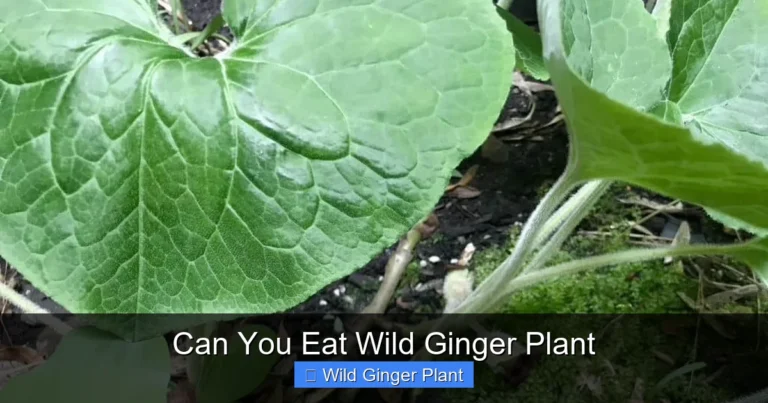
Each leaf is kidney‑ to heart‑shaped, 3 to 6 inches wide, with a smooth margin and a glossy, dark green surface. The leaf veins are prominent, giving a slightly quilted appearance. Leaves emerge in opposite pairs from the rhizome.
Flowers
Flowers are solitary, bell‑shaped, and usually hidden beneath the leaf litter. They are deep maroon to brownish‑purple, about 1 inch long, with three fused sepals forming a tube. Blooming occurs in early spring, often before the canopy fully leafs out.
Rhizome
The rhizome is thick, creeping, and aromatic. When broken, it releases a sweet, spicy scent reminiscent of true ginger. The interior is pale yellow to white. This rhizome is the part historically harvested for medicinal use.
Similar species
Two look‑alikes are Asarum caudatum (western wild ginger) and Hexastylis species (heartleaf). Western wild ginger has longer, tail‑like sepals, while heartleaf has more rounded leaves and lacks the strong ginger aroma.
Uses and Benefits
Traditional medicinal uses
Indigenous peoples used the rhizome as a tea for colds, coughs, and digestive upset. The aromatic oils act as a mild expectorant and carminative. Some tribes also applied a poultice of crushed rhizome to wounds for its antimicrobial properties.
Modern herbal applications
Today, herbalists sometimes include wild ginger the plant in formulas for nausea and indigestion. However, the presence of aristolochic acid in some Asarum species raises safety concerns. Use only under professional guidance and avoid long‑term internal use.
Culinary curiosity
The rhizome can be candied or used as a flavoring in small amounts, imparting a warm, peppery note. Because of potential toxicity, culinary use is rare and not recommended for regular consumption.
Ecological value
As a groundcover, wild ginger the plant stabilizes soil, reduces erosion, and provides habitat for beneficial insects. Its early flowers offer nectar to early‑season pollinators such as solitary bees and flies.
Ornamental appeal
Gardeners prize the plant for its lush foliage and ability to fill shady spots where few other ornamentals thrive. It pairs well with hostas, ferns, and native woodland wildflowers.
Cultivation and Care
Site selection
Choose a location with dappled to full shade and rich, humus‑rich soil. Amend heavy clay with compost and leaf mold to improve drainage. Avoid sites that dry out completely in summer.
Planting
Plant divisions in early spring or fall. Space rhizome pieces 12 inches apart, covering them with 1 to 2 inches of soil. Water thoroughly after planting and mulch with shredded leaves to retain moisture.
Watering
Keep the soil consistently moist during the first growing season. Established plants tolerate brief dry spells but perform best with regular moisture. A soaker hose or drip irrigation works well in woodland gardens.
Fertilizing
Wild ginger the plant rarely needs fertilizer. A light top‑dressing of compost in early spring supplies sufficient nutrients. Excess nitrogen can encourage weak, floppy growth.
Division and propagation
Divide clumps every 3 to 5 years to maintain vigor. Dig up the clump in early spring, separate rhizomes with a sharp knife, ensuring each piece has at least one bud. Replant immediately.
Pest and disease management
The plant is largely pest‑free. Slugs may nibble young leaves in wet springs; hand‑pick or use organic slug bait. Fungal leaf spots are rare but can appear in overly wet, poorly ventilated sites. Improve air flow by thinning neighboring plants.
Conservation and Ethical Harvesting
Population status
While not federally listed, some local populations of wild ginger the plant are declining due to habitat loss, invasive species, and over‑harvesting. State heritage programs monitor its status in several regions.
Guidelines for wild collection
If you must harvest from the wild, follow these rules: take no more than 10 percent of a clump, leave the majority of rhizomes intact, and never dig up entire plants. Obtain permission on private land and check regulations on public land.
Supporting conservation
Plant nursery‑grown specimens instead of wild‑collected ones. Participate in local native‑plant societies that conduct seed‑banking and habitat restoration. Your garden can become a refuge for this species.
Legal considerations
Some states classify wild ginger the plant as a “special concern” species, restricting commercial harvest. Always verify current laws before collecting or selling any plant material.
Conclusion
Wild ginger the plant offers a blend of beauty, history, and ecological function that few shade plants can match. Its glossy leaves create a living carpet, its hidden flowers surprise early pollinators, and its aromatic rhizome connects us to centuries of herbal tradition. By understanding its needs and respecting its wild populations, you can enjoy this native gem in your garden while helping preserve it for future generations. Happy planting!
Frequently Asked Questions
What type of soil does wild ginger the plant prefer?
It prefers rich, humus‑rich, well‑drained soil with a slightly acidic to neutral pH.
Does wild ginger the plant spread aggressively?
It spreads slowly via rhizomes, forming a dense mat over several years rather than invading rapidly.
Can wild ginger the plant be grown in containers?
Yes, use a deep pot with a high‑organic‑matter mix and keep it in a shaded, moist location.
What pollinators visit wild ginger the plant flowers?
Early‑season flies, beetles, and solitary bees are the primary pollinators of its hidden flowers.
How do I protect wild ginger the plant from slugs?
Hand‑pick slugs in the evening, apply organic slug bait, or create barriers with diatomaceous earth around the plants.
Are there any look‑alike plants that are toxic?
Heartleaf (Hexastylis) resembles wild ginger but lacks the strong ginger scent and is not used medicinally; always confirm identity before use.