Wild Ginger Plants for for Zone 5
Wild ginger plants for zone 5 thrive in shady, moist spots. Choose hardy varieties like Asarum canadense for reliable ground cover. Simple planting and mulching keep them healthy all year.
Key Takeaways
- Shade loving: Wild ginger plants for zone 5 prefer deep shade and consistent moisture.
- Hardy varieties: Asarum canadense and Asarum europaeum survive cold winters.
- Soil prep: Amend soil with organic matter for best root growth.
- Mulch matters: A thick mulch layer protects roots from freeze‑thaw cycles.
- Low maintenance: Once established, wild ginger plants for zone 5 need little care.
- Design flexibility: Use them as ground cover, border edging, or woodland garden filler.
- Pest resistance: Few insects bother these plants, making them easy to grow.
Quick Answers to Common Questions
What is the best time to plant wild ginger plants for zone 5?
Early spring or fall when soil is cool and moist.
Which wild ginger variety is most cold‑hardy for zone 5?
Asarum canadense is the most reliable for zone 5 winters.
How often should I water wild ginger plants for zone 5 in summer?
Water deeply once a week unless rainfall provides enough moisture.
Do wild ginger plants for zone 5 need fertilizer?
A light compost top‑dressing in spring is usually sufficient.
Can wild ginger plants for zone 5 grow in containers?
Yes, use a wide shallow pot with good potting mix and keep it in shade.
📑 Table of Contents
Understanding Wild Ginger and Zone 5
What Are Wild Ginger Plants for Zone 5
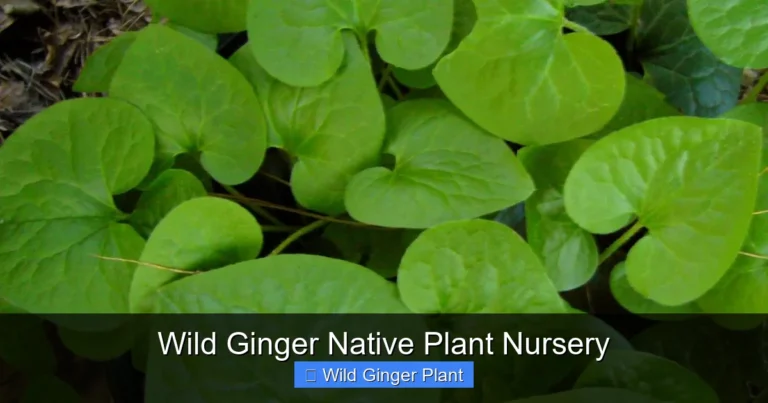
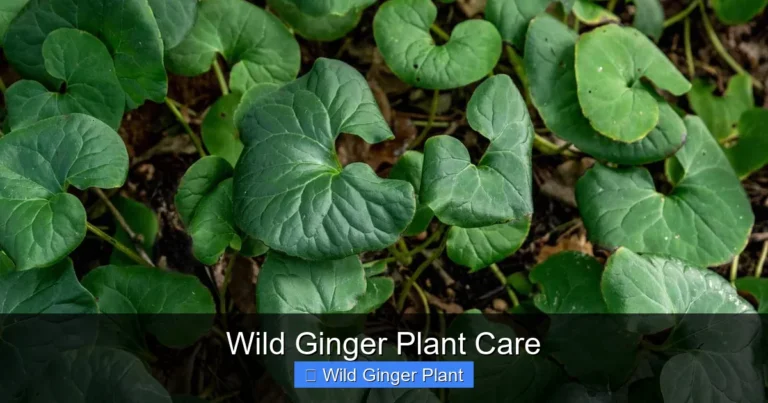
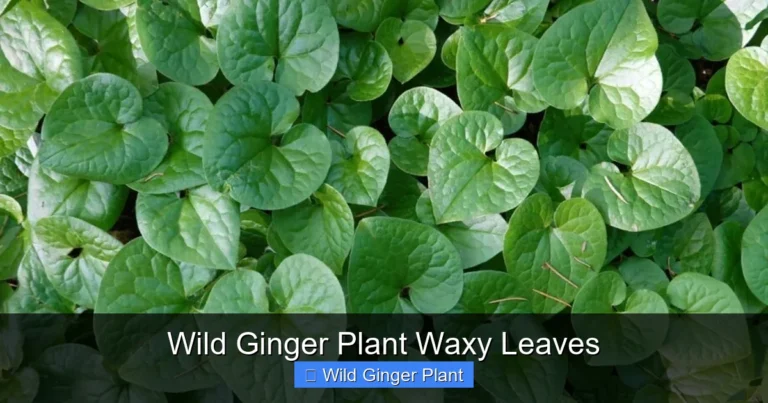
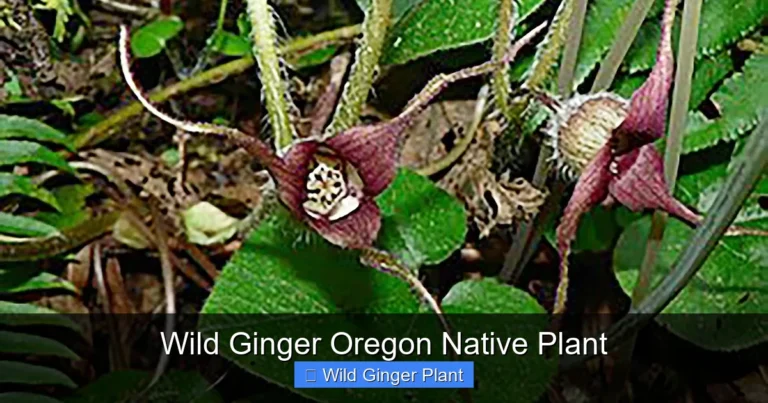
Wild ginger plants for zone 5 are native perennials that love shade. They grow low to the ground. Their heart‑shaped leaves form a dense mat. The flowers hide beneath the foliage. Gardeners value them for texture and scent.
Why Zone 5 Matters for Wild Ginger Plants for Zone 5
Zone 5 defines the average minimum temperature. It guides plant hardiness choices. Wild ginger plants for zone 5 are rated for this range. They tolerate frost and snow cover. The soil stays cool in summer. That matches their natural woodland home. Selecting zone‑appropriate plants reduces loss.
Basic Biology of Wild Ginger Plants for Zone 5
Wild ginger plants for zone 5 spread by creeping rhizomes. Each rhizome sends up new shoots. The leaves are evergreen in mild winters. In colder winters they die back. The plant re‑emerges from the rhizome in spring. Flowers are small, brownish, and pollinated by beetles. Seed production is low. Most spread is vegetative.
Choosing the Right Wild Ginger Variety for Zone 5
Asarum Canadense for Wild Ginger Plants for Zone 5
Asarum canadense is the North American native. It handles cold well. The leaves are broad and glossy. It forms a thick carpet quickly. It tolerates dry shade once established. It is the most common choice for zone 5. The rhizomes are sturdy. It spreads steadily each year.
Asarum Europaeum for Wild Ginger Plants for Zone 5
Asarum europaeum is the European counterpart. It also survives zone 5 winters. The leaves are slightly smaller. It offers a neat, tidy appearance. It is equally hardy in zone 5. It may stay evergreen longer. Gardeners like its uniform texture.
Asarum Caudatum for Wild Ginger Plants for Zone 5
Asarum caudatum comes from the West Coast. It prefers more moisture. In zone 5 it needs a sheltered site. Mulch heavily to keep roots warm. It adds a unique look to collections. The leaf tips are long and tail‑like.
Other Varieties for Wild Ginger Plants for Zone 5
Hybrid cultivars exist for special foliage colors. Some have silver‑veined leaves. Others have darker green tones. Test a small patch before large planting. All share the same shade and moisture needs.
Planting Wild Ginger in Zone 5 Gardens
Best Time to Plant Wild Ginger Plants for Zone 5
Plant wild ginger plants for zone 5 in early spring or fall. Cool soil encourages root growth. Avoid hot summer planting. The plants establish before extreme temperatures.
Site Selection for Wild Ginger Plants for Zone 5
Pick a site with dappled to full shade. Avoid hot afternoon sun. The soil should stay moist but not soggy. A north‑facing slope works well. Tree canopy provides natural shade.
Soil Preparation for Wild Ginger Plants for Zone 5
Loosen soil to twelve inches deep. Mix in compost or leaf mold. Aim for a pH between 5.5 and 6.5. Good drainage prevents rot. Heavy clay can be amended with sand and organic matter.
Step‑by‑Step Planting Guide for Wild Ginger Plants for Zone 5
Dig a hole twice the width of the rhizome. Place the rhizome horizontally. Cover with soil so the crown sits just below surface. Water thoroughly after planting. Add a two‑inch mulch layer. Keep the area moist for the first month.
Spacing and Layout for Wild Ginger Plants for Zone 5
Space each plant twelve to eighteen inches apart. Closer spacing yields faster ground cover. Wider spacing saves plants for larger areas. Arrange in drifts for a natural look. Use curves rather than straight lines.
Care and Maintenance Through the Seasons
Spring Care for Wild Ginger Plants for Zone 5
Remove dead leaves from the previous year. Lightly rake the surface. Apply a thin compost top‑dressing. This feeds the rhizomes. Watch for early slugs.
Summer Watering for Wild Ginger Plants for Zone 5
Water deeply once a week if rain is scarce. Soak the root zone. Avoid frequent shallow watering. Mulch reduces evaporation. Check soil moisture with a finger test.
Fall Mulching for Wild Ginger Plants for Zone 5
Add a three‑inch layer of shredded leaves or bark. This insulates rhizomes. It also suppresses weeds. Keep mulch away from the crown to prevent rot.
Winter Protection for Wild Ginger Plants for Zone 5
In zone 5 snow cover usually insulates well. If snow is scarce, add extra mulch. Avoid walking on frozen beds. The plants will stay dormant until spring.
Common Problems and Solutions
Slug and Snail Damage on Wild Ginger Plants for Zone 5
These pests love the tender leaves. Hand‑pick at night. Use copper tape around beds. Diatomaceous earth works as a barrier. Beer traps can reduce numbers.
Fungal Leaf Spot on Wild Ginger Plants for Zone 5
High humidity and poor airflow cause spots. Space plants for air movement. Remove affected leaves promptly. Apply a copper‑based fungicide if needed.
Root Rot in Wild Ginger Plants for Zone 5
Overwatering or heavy clay leads to rot. Ensure good drainage. Amend soil with grit. Reduce watering in cool weather.
Deer Browsing on Wild Ginger Plants for Zone 5
Deer rarely eat wild ginger. If they do, use repellent sprays. Fencing is a last resort.
Design Ideas Using Wild Ginger in Zone 5 Landscapes
Woodland Ground Cover with Wild Ginger Plants for Zone 5
Plant drifts beneath mature oaks. The foliage suppresses weeds. It adds a soft texture. The hidden flowers surprise visitors.
Border Edging with Wild Ginger Plants for Zone 5
Line the edge of a shaded border. The low height defines space. It transitions from lawn to planting bed.
Container Shade Gardens with Wild Ginger Plants for Zone 5
Choose a wide, shallow pot. Use a high‑quality potting mix. Place in a north‑facing patio. Water regularly. The plant stays compact.
Companion Planting with Wild Ginger Plants for Zone 5
Combine with native spring ephemerals. Trillium and bloodroot bloom early. Wild ginger plants for zone 5 fill the gap after they fade. This extends seasonal interest.
Conclusion
Growing wild ginger plants for zone 5 is rewarding. They bring year‑round greenery to shady spots. Choose a hardy variety. Prepare soil with organic matter. Mulch well for winter. Water during dry periods. Enjoy a low‑maintenance ground cover that thrives in cold climates. Your shade garden will thank you.
Frequently Asked Questions
Are wild ginger plants for zone 5 invasive?
They spread slowly by rhizomes and are not considered invasive in most gardens.
What soil pH do wild ginger plants for zone 5 prefer?
They thrive in slightly acidic soil with a pH between 5.5 and 6.5.
How do I propagate wild ginger plants for zone 5?
Divide rhizomes in early spring or fall and replant the sections.
Will wild ginger plants for zone 5 flower in deep shade?
Yes, they produce small hidden flowers even in deep shade.
What mulch works best for wild ginger plants for zone 5?
Shredded leaves, bark, or straw provide good insulation and moisture retention.
Can I grow wild ginger plants for zone 5 under evergreen trees?
Yes, as long as the site receives dappled light and the soil stays moist.