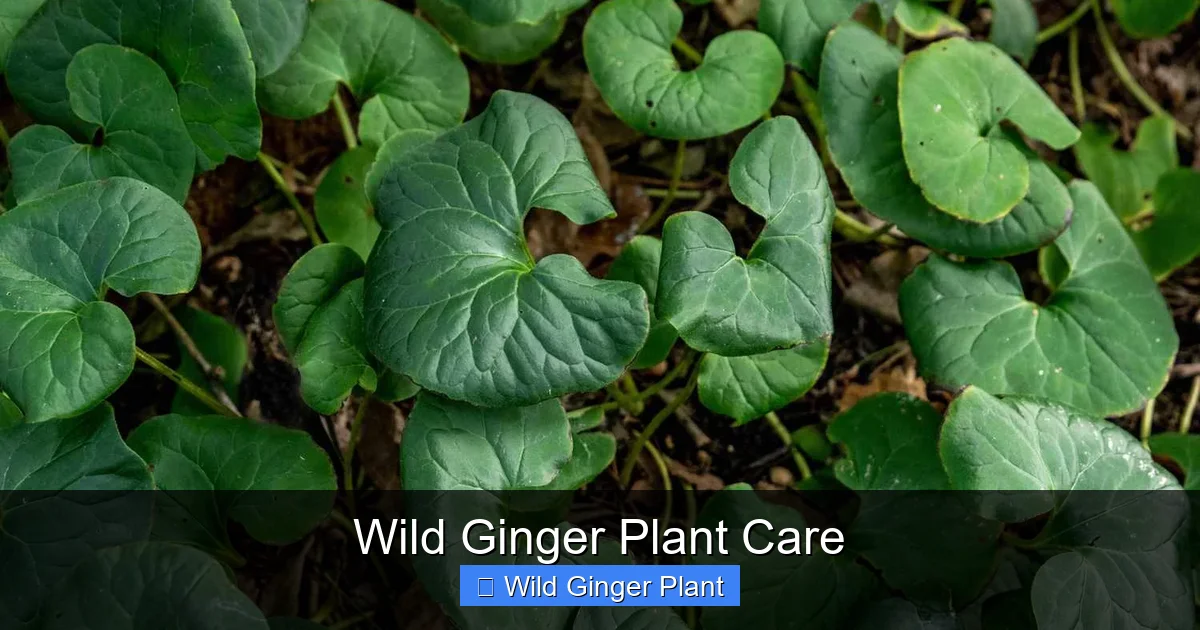
Wild Ginger Plant Care
Wild ginger (Asarum canadense) thrives in shady, moist woodland conditions and makes an excellent low-maintenance ground cover for native gardens. With proper site selection and minimal ongoing care, this hardy perennial spreads slowly to form dense, attractive mats of heart-shaped foliage.
If you have a shady corner of the garden where grass refuses to grow and hostas look tired, wild ginger might be the answer you’ve been searching for. This native North American perennial carpets forest floors from Canada down to the southeastern United States, and it brings that same lush, carefree beauty to home landscapes. Unlike the spicy root you buy at the grocery store, this plant isn’t grown for eating. Instead, gardeners prize it for those gorgeous heart-shaped leaves that stay fresh and green from spring through fall.
I first discovered wild ginger plant care when I moved into a house with a massive oak tree shading the entire backyard. Nothing grew there. Not grass. Not ferns. Not even the toughest hostas. A local nursery owner handed me a small pot of Asarum canadense and said, “Plant this. Water it. Walk away.” She wasn’t wrong. Three years later, that single plant has spread into a living carpet that suppresses weeds, holds soil on a slight slope, and looks spectacular with zero fuss. Let me share everything I’ve learned so you can achieve the same results.
Key Takeaways
- Shade is essential: Wild ginger plant care starts with a location that receives full to dappled shade, mimicking its native forest floor habitat.
- Moist, rich soil wins: Consistently damp, humus-rich soil with good drainage prevents root rot while supporting steady growth.
- Plant in spring or fall: Cool-season planting gives roots time to establish before summer heat or winter freeze.
- Water deeply, not frequently: Deep weekly watering encourages deep roots; mulch helps retain moisture between rainfalls.
- Divide every few years: Division in early spring rejuvenates clumps and provides free plants for expanding your shade garden.
- Pests rarely bother it: Deer, rabbits, and most insects leave wild ginger alone, making it a trouble-free choice.
- Flowers hide below leaves: Unique jug-shaped blooms appear in spring but often go unnoticed beneath the foliage canopy.
Quick Answers to Common Questions
How much shade does wild ginger need?
Wild ginger requires full to dappled shade. It thrives with less than two hours of direct sun daily and suffers in hot afternoon sun.
How often should I water wild ginger?
Water deeply once or twice weekly during dry periods. Established plants need weekly deep watering; new plantings need more frequent moisture.
When is the best time to divide wild ginger?
Early spring as new growth emerges or early fall. Spring divisions often flower the same year.
Is wild ginger deer resistant?
Yes, wild ginger is highly deer and rabbit resistant due to aromatic compounds in the foliage that mammals avoid.
Can wild ginger grow in containers?
Yes, use a wide shallow pot with rich, well-draining mix. Keep in full shade and water frequently since containers dry faster than ground soil.
📑 Table of Contents
Getting to Know Wild Ginger
What Exactly Is Wild Ginger?
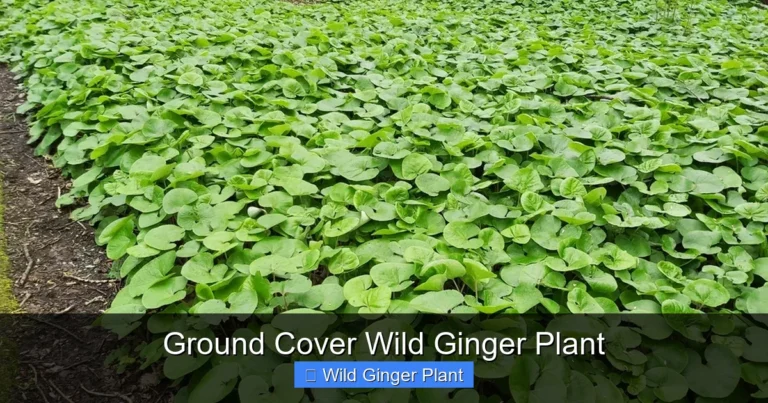
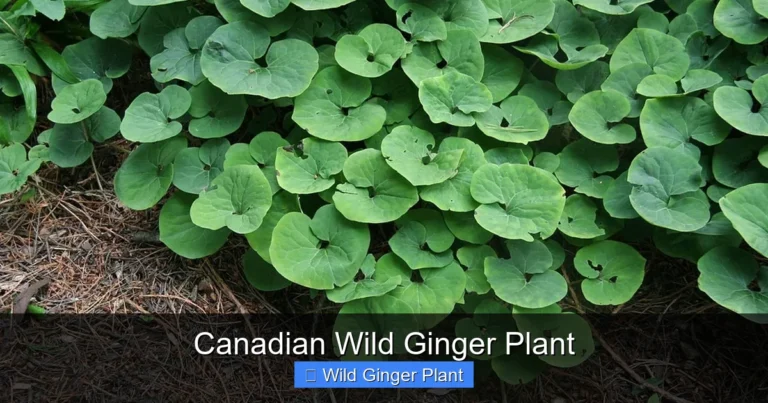
Wild ginger (Asarum canadense) belongs to the birthwort family, Aristolochiaceae. It has zero relation to culinary ginger (Zingiber officinale), though early settlers used the rhizomes as a ginger substitute. The plant grows natively in rich, deciduous woodlands across eastern North America. Each plant forms a low clump, typically six to twelve inches tall, spreading slowly by underground rhizomes to create colonies.
The leaves are the real showstopper. Each one is kidney- or heart-shaped, deeply notched at the base, and can reach six inches across. They emerge in spring with a soft, almost fuzzy texture that becomes leathery and glossy as they mature. The color is a rich, deep green that holds beautifully even in the hottest summer weather, provided the plant gets enough moisture.
Those Mysterious Flowers
Most people never see wild ginger flowers unless they go looking for them. The blooms appear in early to mid-spring, usually April or May depending on your zone. Each flower sits right at ground level, hidden beneath the leaf litter and foliage. Shaped like a tiny jug or bell, they’re a deep burgundy-brown with three pointed tips flaring outward.
Why so secretive? These flowers are pollinated by ground-dwelling insects like beetles and flies that crawl around in leaf litter. The dark color and low position mimic fungal growth, attracting these specific pollinators. After pollination, the plant produces a fleshy capsule that splits open to reveal seeds with elaiosomes. These fatty attachments attract ants, which carry the seeds to their nests, effectively planting them in nutrient-rich waste piles. It’s a brilliant dispersal strategy.
Hardiness and Growth Habit
Wild ginger thrives in USDA zones 4 through 8, with some sources saying zone 3 with good snow cover. It’s a slow but steady spreader. A single plant might expand six to twelve inches per year under ideal conditions. This isn’t an aggressive thug like some ground covers. It plays well with others and won’t swallow your prized perennials. The rhizomes grow just below the soil surface, making division easy when you want to share or expand.
Choosing the Perfect Spot
Light Requirements: Deep Shade to Dappled Sun
Successful wild ginger plant care begins with honest assessment of your light conditions. This plant evolved on forest floors where direct sun rarely penetrates. Full shade, meaning less than two hours of direct sun daily, is ideal. Dappled shade under deciduous trees works beautifully. Morning sun with afternoon shade is tolerable in cooler climates. But hot afternoon sun, especially in zones 7 and 8, will scorch the leaves and stress the plant.
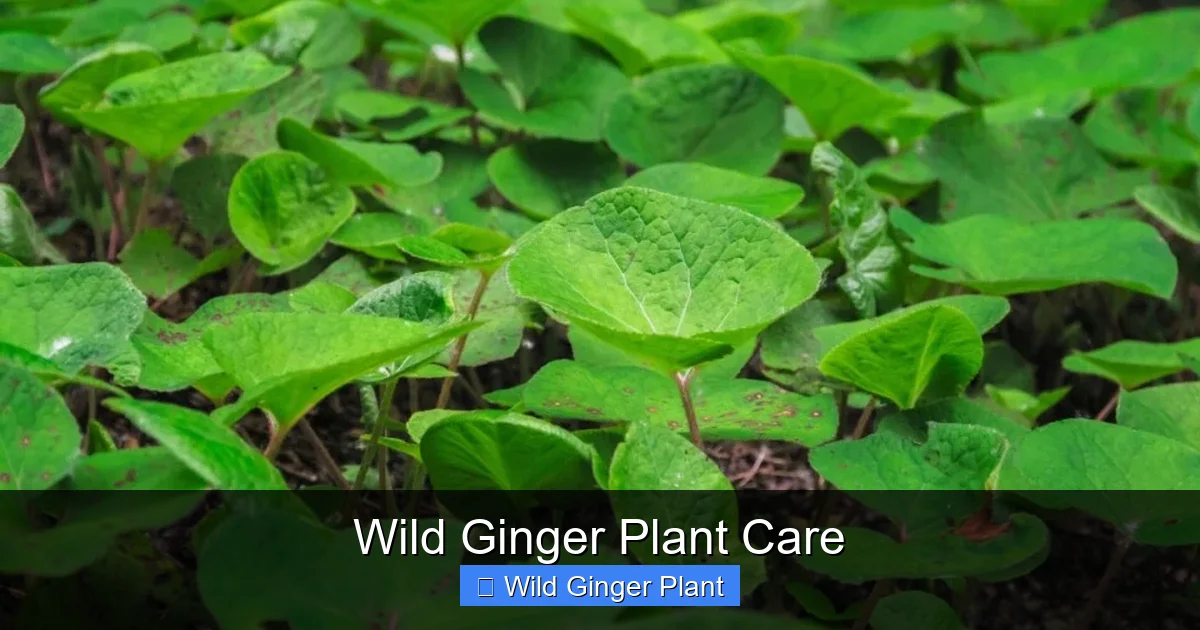
Visual guide about Wild Ginger Plant Care
Image source: epicgardening.com
I learned this the hard way. My first attempt went into a spot that got three hours of intense late-afternoon sun in July. The leaves crisped at the edges, the plant stalled, and it took a full season to recover after I moved it. Now I only plant wild ginger where the shadow of a building or mature tree provides consistent protection.
Soil: Rich, Moist, and Well-Drained
Think forest floor. Decades of fallen leaves decomposing into dark, crumbly humus. That’s what wild ginger wants. The soil should be rich in organic matter, consistently moist but never waterlogged, and slightly acidic to neutral (pH 5.5 to 7.0). Heavy clay that stays soggy after rain leads to root rot. Sandy soil that drains instantly leaves the plant thirsty.
If your soil isn’t perfect, amend it. Work in two to three inches of compost, leaf mold, or well-rotted manure before planting. I keep a pile of shredded leaves specifically for woodland beds. It breaks down into the exact texture these plants love. A soil test helps if you’re unsure about pH, but wild ginger adapts to a range as long as moisture and organic content are good.
Microclimate Considerations
Look for spots where snow lingers longest in spring. That indicates consistent moisture and protection from drying winds. North and east sides of structures work well. Slopes can be great if they face away from afternoon sun, but avoid the very top of a slope where soil dries fastest. Low spots that collect cold air might delay spring emergence but usually work fine.
Consider what’s already growing happily nearby. If you see trilliums, bloodroot, jack-in-the-pulpit, or native ferns thriving, wild ginger will likely love that same spot. These plants share similar requirements and often grow together in nature.
Planting Wild Ginger Successfully
When to Plant
Spring and fall are your windows. Spring planting (April to early June) lets roots establish before summer heat. Fall planting (September to October in most zones) gives a head start for next spring. Avoid summer planting unless you can provide constant moisture and temporary shade cloth. Winter planting only works in the mildest zones where ground doesn’t freeze.
I prefer fall planting. The soil is warm, rainfall is usually reliable, and the plant focuses energy on roots rather than top growth. By spring, it’s ready to take off. But spring planting works perfectly fine too. Just be prepared to water more diligently that first summer.
Preparing the Planting Hole
Dig a hole twice as wide as the root ball and just as deep. Loosen the soil at the bottom and sides. Mix the excavated soil with an equal amount of compost or leaf mold. If your soil is heavy clay, add some coarse sand or fine gravel to improve drainage. If it’s very sandy, add extra organic matter to hold moisture.
For bare-root divisions (common from mail-order nurseries), soak the roots in water for an hour before planting. Spread them out in the hole, making sure the crown sits at soil level. Backfill with your amended soil, firm gently, and water thoroughly to settle soil around roots.
Spacing for Ground Cover Effect
Space plants twelve to eighteen inches apart for a ground cover that fills in within two to three years. Closer spacing (eight to ten inches) gives faster coverage but costs more upfront. Wider spacing (twenty-four inches) saves money but leaves gaps for weeds longer. I usually split the difference at fifteen inches and fill gaps with annuals like impatiens the first year.
Mulching After Planting
Apply two to three inches of shredded leaves, pine straw, or bark mulch immediately after planting. Keep mulch an inch away from crowns to prevent rot. Mulch conserves moisture, suppresses weeds, and slowly breaks down to feed the soil. Replenish annually in spring. I use shredded leaves from my own yard. Free, perfect texture, and they disappear into the soil by mid-summer.
Ongoing Care and Maintenance
Watering: The Most Critical Factor
Consistent moisture defines successful wild ginger plant care. These plants have shallow rhizomes that dry out quickly. During the first growing season, water deeply once or twice a week unless rain provides an inch. After establishment, weekly deep watering during dry spells keeps them happy. The goal is soil that feels like a wrung-out sponge a few inches down.
Signs of underwatering: leaves curl at edges, lose gloss, develop brown crispy margins. Signs of overwatering: yellowing leaves, mushy crowns, foul smell from soil. Mulch is your best insurance against both extremes. It buffers moisture swings and keeps roots cool.
I set a soaker hose on a timer for my woodland beds. It runs for forty minutes twice a week during dry periods. Adjust based on your soil and rainfall. A rain gauge helps you know when to skip watering.
Fertilizing: Less Is More
Wild ginger doesn’t need heavy feeding. In rich woodland soil, it may need none at all. If growth seems slow or leaves look pale, apply a light top-dressing of compost in early spring. Or use a slow-release organic fertilizer with balanced numbers (like 5-5-5) at half the recommended rate. Avoid high-nitrogen fertilizers. They promote soft, lush growth that’s prone to disease and insect damage.
I simply refresh the leaf mulch each spring. As it decomposes, it provides a steady, gentle nutrient supply that mimics nature. If you must fertilize, do it once in early spring as new growth emerges. Never fertilize after midsummer. Late growth won’t harden off before winter.
Seasonal Maintenance Tasks
Spring: Remove any winter-damaged leaves. Refresh mulch. Divide if needed (see propagation section). Watch for emerging flower buds at soil level.
Summer: Water during dry spells. Remove any weeds that penetrate the mat. That’s it. Wild ginger largely takes care of itself once established.
Fall: Let leaves stay. They protect crowns over winter and decompose into fertilizer. If you’re a tidy gardener, shred them first with a mower and blow them back into the bed. Don’t remove them entirely.
Winter: No care needed in zones 4-8. In zone 3, ensure good snow cover or apply extra mulch after ground freezes.
Managing Spread
Wild ginger spreads slowly. If it encroaches on a path or neighboring plant, simply dig out the offending rhizomes with a trowel. They’re shallow and easy to remove. You can replant them elsewhere or share with friends. Edging with stone, metal, or plastic barrier buried a few inches deep contains spread long-term if desired.
Propagation Methods
Division: The Easiest Method
Division is the fastest, most reliable way to multiply wild ginger. Do it in early spring just as new growth emerges, or in early fall. Water the plant well the day before. Dig up the entire clump with a garden fork, loosening soil around the perimeter first. Shake or wash off excess soil to see the rhizome structure.
Each division needs at least one growing point (where leaves emerge) with attached roots. Use a clean, sharp knife or simply pull apart by hand. Replant immediately at the same depth. Water well and mulch. Divisions often flower the same spring if done early enough.
I divide my patches every three to four years when centers start looking sparse. It rejuvenates the planting and gives me plenty of plants for new beds or plant swaps. A single mature clump can yield eight to twelve viable divisions.
Growing from Seed: Patience Required
Seed propagation works but tests your patience. Collect seeds in early summer when capsules split open. They must be sown fresh. Wild ginger seeds have double dormancy. They need a warm period followed by a cold period to germinate. Sow in pots outdoors in summer. They’ll germinate the following spring. Or simulate the cycle: three months warm (70°F), three months cold (40°F), then warm again.
Seedlings take three to four years to reach flowering size. They’re tiny and delicate the first year. Most gardeners buy plants or get divisions. But growing from seed is rewarding if you want large numbers cheaply and don’t mind the wait.
Rhizome Cuttings
In late fall or early spring, you can cut rhizome sections two to three inches long, each with at least one node. Plant horizontally just below the soil surface in pots or a prepared bed. Keep moist. New shoots emerge in spring. This works well for filling in gaps in an existing planting.
Common Problems and Solutions
Slugs and Snails
These are the most common pests. They love the tender new leaves in spring. Damage appears as irregular holes with slime trails. Control methods: beer traps, copper tape around beds, diatomaceous earth, hand-picking at night, or iron phosphate baits (safe for pets and wildlife). Encourage natural predators like toads, snakes, and ground beetles by providing habitat.
I use a combination. Copper tape on raised bed edges. Beer traps in early spring. And I tolerate some damage. Established plants outgrow minor slug feeding quickly.
Root Rot and Crown Rot
Caused by poorly drained soil or overwatering. Symptoms: wilting despite moist soil, yellowing leaves, blackened mushy roots, foul odor. Prevention is everything. Ensure good drainage at planting. Don’t overwater. Don’t mulch too deeply against crowns. If caught early, dig the plant, trim rotten parts, dust with sulfur fungicide, and replant in better-drained soil. Often it’s too late by the time you notice.
Leaf Scorch
Brown, crispy leaf edges from too much sun, wind, or drought stress. The plant survives but looks ratty. Solution: move to shadier spot, increase watering, provide windbreak. Damaged leaves won’t recover. Cut them off. New growth will be fine if conditions improve.
Fungal Leaf Spots
Occasional in very wet, humid conditions. Small brown or black spots on leaves. Usually cosmetic. Improve air circulation by thinning nearby plants. Avoid overhead watering. Remove badly affected leaves. Fungicides rarely needed.
Deer and Rabbit Resistance
Excellent news. Wild ginger is highly deer and rabbit resistant. The leaves contain aromatic compounds (similar to culinary ginger but different chemistry) that mammals avoid. I’ve never seen browse damage in areas with heavy deer pressure. This alone makes it valuable for shade gardens in suburban and rural areas.
Design Ideas and Companion Plants
Creating a Woodland Tapestry
Wild ginger shines as the ground layer in a shaded border. Its bold, solid foliage contrasts beautifully with fine-textured ferns. Pair it with Christmas fern, maidenhair fern, or lady fern. Add spring ephemerals like Virginia bluebells, trilliums, or bloodroot that bloom before the ginger fills in completely. The ginger hides their fading foliage later.
Under Trees and Shrubs
Plant wild ginger in rings around shade trees or beneath shrubs like hydrangeas, viburnums, or witch hazel. It suppresses weeds, holds moisture for the tree roots, and creates a finished look. Keep it a foot away from tree trunks to avoid damaging surface roots during planting.
Slopes and Erosion Control
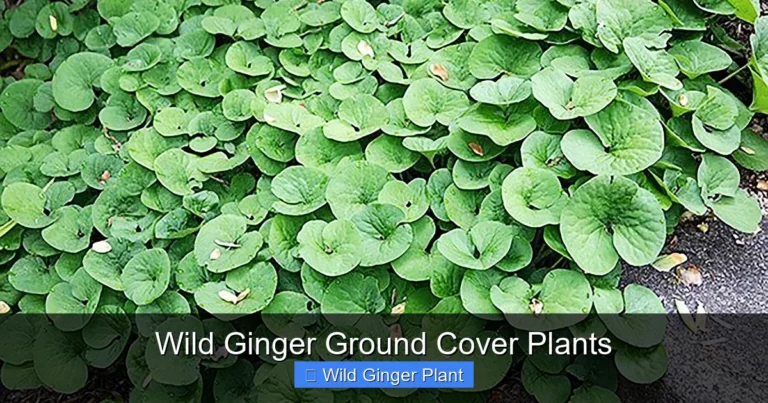
The rhizomatous root system knits soil together effectively on gentle slopes. Combined with its shade tolerance, this makes wild ginger ideal for wooded banks where grass won’t grow. Plant in staggered rows, not straight lines, for faster coverage. Mulch heavily between plants the first year.
Path Edges and Stepping Stones
Low height makes wild ginger perfect along shaded paths. It softens hard edges and tolerates occasional foot traffic (though not constant trampling). Plant it where it can spill slightly over stepping stones for a naturalistic look.
Container Culture
Yes, you can grow wild ginger in pots. Use a wide, shallow container with excellent drainage. High-quality potting mix amended with compost. Keep in full shade. Water frequently. Containers dry faster than ground soil. Overwinter in an unheated garage or sink pot in ground in cold zones. It’s a beautiful foliage plant for a shaded porch.
Native Plant Combinations
For a purely native woodland garden, combine wild ginger with: foamflower (Tiarella), wild columbine (Aquilegia canadensis), Solomon’s seal (Polygonatum), wild geranium (Geranium maculatum), and native sedges (Carex species). These plants share similar conditions and bloom sequentially for months of interest.
Wild Ginger Varieties Worth Seeking
Asarum canadense (Common Wild Ginger)
The species described throughout this article. Native to eastern North America. Hardy, adaptable, the easiest to find at native plant nurseries. Leaves up to six inches wide. Flowers typical burgundy jugs.
Asarum caudatum (Western Wild Ginger)
Native to the Pacific Northwest. Similar but with longer flower tips (caudate means tailed). Slightly larger leaves. Equally easy in shade gardens west of the Cascades. Zones 5-9.
Asarum europaeum (European Wild Ginger)
Smaller, glossier leaves (two to three inches). Evergreen in milder zones. Slower spreader. Zones 4-8. More formal appearance. Good for smaller spaces.
Asarum splendens (Chinese Wild Ginger)
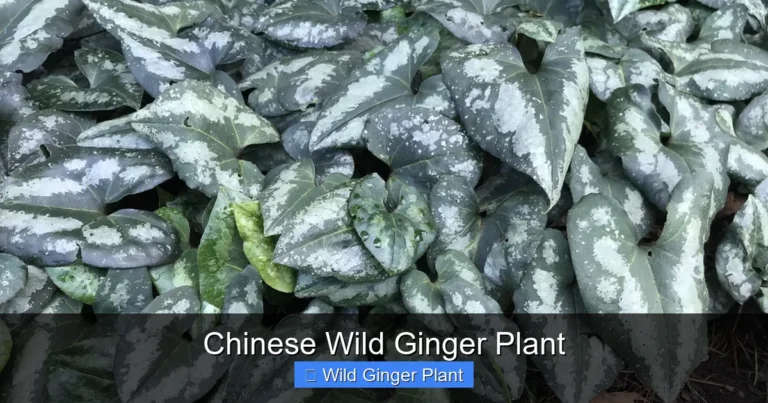
Striking silver-marked leaves. More upright habit. Less cold hardy (zones 6-9). Stunning in containers or protected spots. The silver patterning catches light in deep shade.
Asarum maximum (Panda Face Ginger)
Large, dramatic flowers with white centers and dark purple petals. Leaves up to eight inches. Zones 7-9. A collector’s plant but worth it for the floral show.
Frequently Asked Questions About Wild Ginger Care
Is wild ginger edible?
Technically yes, but with major caveats. The rhizomes have a ginger-like aroma and were used by Indigenous peoples and early settlers as a flavoring. However, they contain aristolochic acid, a compound linked to kidney damage and cancer with prolonged use. The FDA warns against consuming any Asarum species. Enjoy it for beauty only. Use store-bought ginger for cooking.
How fast does wild ginger spread?
Slowly. Expect six to twelve inches of radial spread per year under good conditions. A single plant becomes a three-foot patch in about three to four years. It’s not invasive. You control it easily by digging unwanted edges.
Can wild ginger grow in full sun?
No. Full sun burns the leaves and stresses the plant. In cooler zones (4-5) with constant moisture, it might tolerate a few hours of morning sun. But why risk it? Plant it where it’s happy: shade.
Why isn’t my wild ginger flowering?
Flowers hide at ground level beneath leaves. Gently lift foliage in April-May to check. Also, young plants (under three years) may not flower. Deep shade, poor soil, or drought stress can reduce flowering. But the foliage is the main ornamental feature anyway.
When should I cut back wild ginger?
Never. Leave foliage all winter. It protects crowns and provides habitat. In spring, remove only leaves that are clearly dead or damaged. The plant is essentially evergreen in milder zones, herbaceous in colder ones.
Can I grow wild ginger indoors?
Not recommended as a houseplant. It needs winter dormancy (cold period) to thrive long-term. Indoor conditions are too warm, dry, and low-light. Enjoy it outdoors where it belongs.
Conclusion
Wild ginger plant care really comes down to three things: shade, moisture, and patience. Give it a spot that mimics the forest floor. Keep the soil consistently damp but not soggy. Wait. That’s the whole secret. This plant asks so little and gives so much. A living carpet that suppresses weeds, prevents erosion, feeds native insects, and looks gorgeous twelve months a year in many climates.
My backyard oak shade garden now features drifts of wild ginger intermingled with ferns, foamflower, and native sedges. It’s the lowest-maintenance, highest-impact area of my entire property. Visitors always ask what that beautiful ground cover is. When I tell them it’s a native wildflower that basically takes care of itself, they’re hooked.
Whether you’re filling a difficult shady spot, creating a native woodland garden, or just want a tough, beautiful ground cover that deer won’t eat, wild ginger deserves a place in your landscape. Start with a few plants this spring or fall. Mulch them well. Water them faithfully that first year. Then step back and watch nature do what it does best. In a few seasons, you’ll have a patch worth sharing, and you’ll be the one handing pots to neighbors with a smile and the same advice: “Plant this. Water it. Walk away.”
Your shade garden is waiting. Wild ginger is ready. Let’s get planting.
Frequently Asked Questions
What type of soil is best for wild ginger?
Wild ginger prefers rich, humus-heavy soil that stays consistently moist but drains well. Amend planting areas with compost or leaf mold to mimic forest floor conditions. A slightly acidic to neutral pH (5.5-7.0) is ideal.
Does wild ginger flower every year?
Yes, mature wild ginger plants flower annually in early to mid-spring. However, the unique jug-shaped blooms hide at ground level beneath the foliage, so many gardeners never notice them unless they search carefully.
How do I prevent slugs from eating my wild ginger?
Use copper tape barriers, beer traps, diatomaceous earth, or iron phosphate baits in early spring when new growth emerges. Encourage natural predators like toads and ground beetles. Established plants tolerate minor slug damage well.
Can I plant wild ginger under pine trees?
Yes, wild ginger grows well under pine trees if the soil is amended with organic matter. Pine needles make excellent mulch. Ensure the site gets dappled shade rather than dense year-round shade, and water during dry spells since tree roots compete for moisture.
Why are my wild ginger leaves turning yellow?
Yellowing usually indicates overwatering, poor drainage, or nutrient deficiency. Check soil moisture. If soggy, improve drainage. If dry, water deeply. A light compost top-dressing in spring addresses nutrient needs. Remove yellowed leaves to improve appearance.
Is wild ginger invasive?
No, wild ginger is not invasive. It spreads slowly by shallow rhizomes at about 6-12 inches per year. It forms well-behaved colonies and is easily controlled by digging out unwanted edges. It coexists peacefully with other shade perennials.