Wild Ginger Plant Oklahoma Native
Wild ginger plant Oklahoma native is a low growing perennial that thrives in shady moist woodlands. Its heart shaped leaves form a dense mat and its hidden flowers add subtle beauty. Gardeners love it for easy ground cover and a pleasant spicy aroma.
Wild ginger plant Oklahoma native is a low growing perennial that loves shade. It forms a soft carpet on the forest floor. The plant spreads by underground stems. Gardeners value it for easy ground cover.
This plant is not the same as cooking ginger. It has a spicy scent when you crush a leaf. The leaves are heart shaped and glossy. The flowers hide under the leaf canopy.
You can find wild ginger plant Oklahoma native in eastern Oklahoma woods. It grows under oak and hickory trees. It likes moist soil and cool air. It thrives where few other plants grow.
Key Takeaways
- Native Range: Wild ginger plant Oklahoma native grows naturally in eastern Oklahoma forests.
- Shade Tolerance: It thrives in deep shade and moist soil.
- Leaf Shape: Leaves are heart shaped and glossy.
- Hidden Flowers: Small flowers sit under the leaf canopy.
- Ground Cover: The plant spreads by underground stems to form a soft carpet.
- Low Maintenance: Once established it needs little water or fertilizer.
Quick Answers to Common Questions
What is wild ginger plant Oklahoma native?
It is a low growing native perennial that thrives in shady moist woods.
Where does it grow naturally?
It grows in eastern Oklahoma forests under oak and hickory trees.
How do you identify it?
Look for heart shaped glossy leaves and hidden brownish flowers at ground level.
Can I grow it in my garden?
Yes, plant it in a shaded bed with rich moist soil and mulch.
Is it edible like cooking ginger?
No, it is not culinary ginger but the rhizome has a spicy scent and historic herbal use.
📑 Table of Contents
What Is Wild Ginger Plant Oklahoma Native
Basic Description
Wild ginger plant Oklahoma native belongs to the birthwort family. It is a herbaceous plant that lives many years. The stems stay close to the ground. The plant sends out new shoots each spring. It does not need full sun to survive. It prefers dappled light and damp earth.
Wild ginger plant Oklahoma native has a subtle fragrance that reminds some people of pepper. The scent comes from oils in the leaves. The plant is not used for cooking like true ginger. It is mainly grown for its foliage and ground cover ability.
Key Features
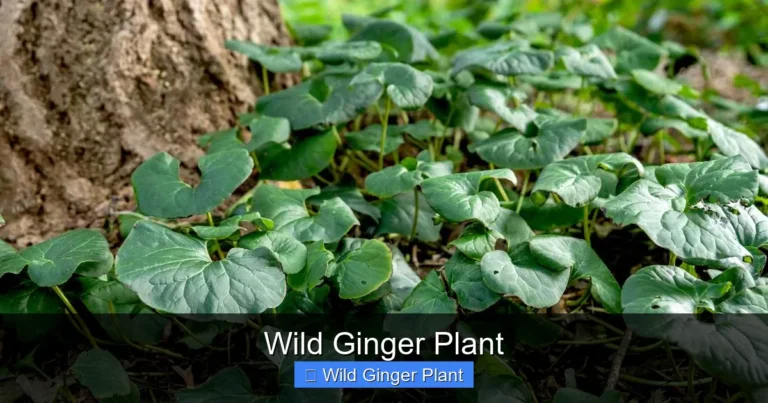
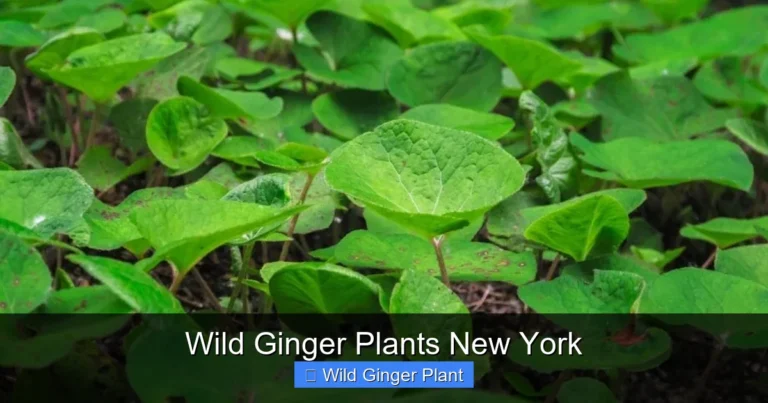
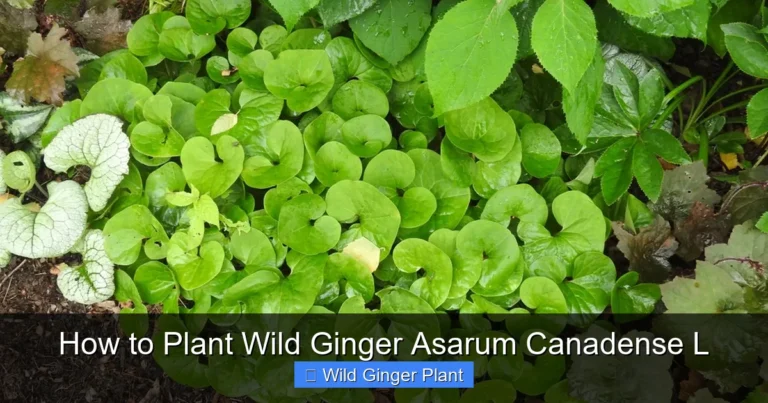
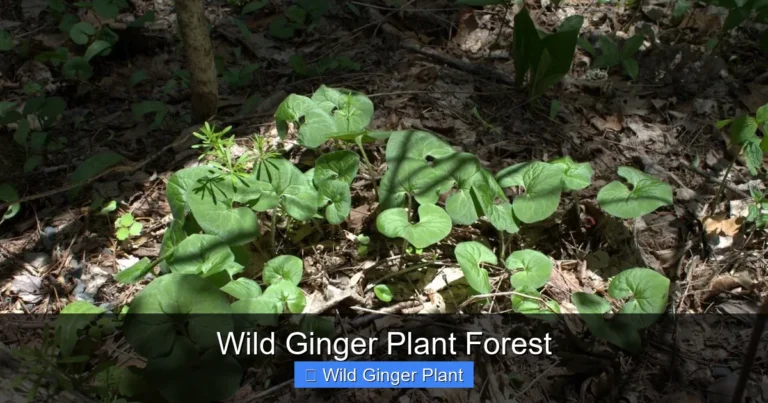
Wild ginger plant Oklahoma native shows heart shaped leaves that are dark green. The leaf surface feels smooth and slightly waxy. Each leaf can reach up to six inches across. The leaves grow in pairs along the stem. They create a dense mat that blocks weeds.
Wild ginger plant Oklahoma native produces small brownish flowers in early spring. The flowers sit at ground level under the leaves. They are pollinated by tiny insects that crawl close to the soil. After flowering the plant forms seed capsules that split open. The seeds are dispersed by ants.
Where It Grows Naturally
Preferred Habitat
Wild ginger plant Oklahoma native prefers rich forest soil that holds moisture. It likes a thick layer of leaf litter on top. The shade from tall trees keeps the ground cool. The plant does not tolerate dry or compacted ground. It thrives near streams and low spots where water collects.
Wild ginger plant Oklahoma native can also grow on north facing slopes. The slope provides consistent shade throughout the day. The soil there stays damp longer after rain. This microclimate matches the plant’s needs. Gardeners can mimic this by planting in a shaded bed with mulch.
Range in Oklahoma
Wild ginger plant Oklahoma native is most common in the eastern part of the state. Counties such as Le Flore, McCurtain, and Pushmataha host large populations. The plant follows the Ouachita Mountains and the Arkansas River valley. It is rare in the western prairies where sunlight is strong.
Wild ginger plant Oklahoma native can also be found in protected parks and nature preserves. These areas keep the forest floor undisturbed. The plant spreads slowly but steadily in these safe sites. Conservation efforts help maintain its native range.
How to Identify It
Leaf Shape and Texture
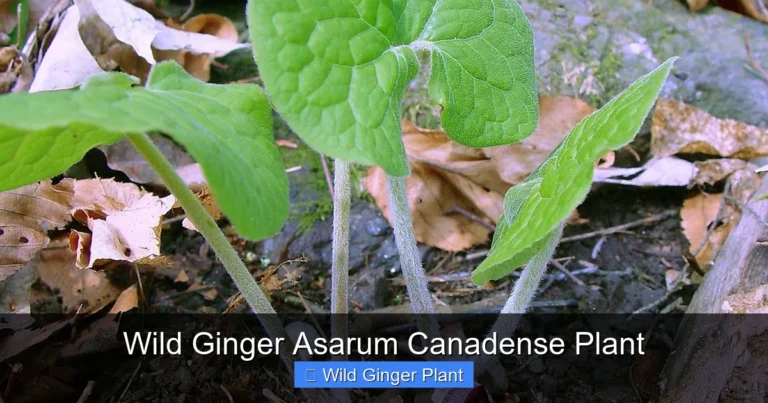
Wild ginger plant Oklahoma native has leaves that are broad and heart shaped. The leaf edges are smooth not toothed. The upper side is dark green and shiny. The lower side is lighter green with fine hairs. When you touch a leaf it feels cool and slightly thick.
Wild ginger plant Oklahoma native leaves grow in opposite pairs along the stem. Each pair forms a shallow cup that holds moisture. The leaf veins are faint and run parallel. This leaf arrangement helps the plant capture low light. It also makes the plant easy to recognize in the woods.
Flower Details
Wild ginger plant Oklahoma native flowers are small and bell shaped. They are usually brownish purple and lack petals. The flowers sit on short stalks at ground level. They are hidden beneath the leaf litter. You often need to lift leaves to see them.
Wild ginger plant Oklahoma native blooms in March to April. The flowers emit a faint sweet odor that attracts beetles. After pollination the flower develops a capsule. The capsule splits to release seeds. The seeds have a fleshy appendage that ants eat.
Root System
Wild ginger plant Oklahoma native spreads by thick underground stems called rhizomes. These stems grow horizontally just below the soil surface. New shoots emerge from nodes along the rhizome. The rhizome stores nutrients for winter survival. This growth habit creates a continuous mat.
Wild ginger plant Oklahoma native roots are fine and fibrous. They absorb water and nutrients from the topsoil. The root system does not go deep. This makes the plant sensitive to drought. Mulching helps keep the root zone moist.
Growing It in Your Garden
Site Selection
Wild ginger plant Oklahoma native needs a shady spot that stays cool. Choose a location under mature trees or on the north side of a building. Avoid areas that receive direct afternoon sun. The site should have good air flow to prevent fungal issues. A gentle slope helps excess water drain away.
Wild ginger plant Oklahoma native also grows well in a woodland garden bed. You can create a bed by clearing grass and adding leaf mulch. The bed should be at least three feet wide to allow spread. Keep the bed away from heavy foot traffic. This protects the delicate rhizomes.
Soil Preparation
Wild ginger plant Oklahoma native prefers loamy soil rich in organic matter. Test the soil pH; it likes slightly acidic to neutral range. Amend the planting area with compost or well rotted leaf mold. Work the amendment into the top six inches of soil. This improves moisture retention and nutrient supply.
Wild ginger plant Oklahoma native benefits from a layer of shredded leaves on top. The mulch mimics the forest floor and keeps roots cool. Reapply mulch each fall after leaf drop. Avoid using heavy wood chips that can compact. Light organic mulch is best.
Planting Steps
Wild ginger plant Oklahoma native can be planted in early spring or fall. Dig a hole twice as wide as the root ball. Place the plant so the crown sits at soil level. Backfill with amended soil and firm gently. Water thoroughly to settle the soil around roots.
Wild ginger plant Oklahoma native spacing should be twelve to eighteen inches apart. This allows room for rhizome expansion. After planting add a thin mulch layer. Mark the planting spots with small stakes. Monitor moisture for the first few weeks.
Care Tips
Wild ginger plant Oklahoma native needs consistent moisture especially in the first year. Water deeply once a week during dry spells. Reduce watering in winter when the plant is dormant. Fertilize lightly with a balanced organic fertilizer in early spring. Avoid high nitrogen which encourages leaf growth over flowers.
Wild ginger plant Oklahoma native is low maintenance once established. Remove any invasive weeds by hand. Divide clumps every three to four years to rejuvenate growth. Watch for slugs and snails in wet weather. Use beer traps or copper tape as safe controls.
- Water: Keep soil evenly moist not soggy.
- Mulch: Apply leaf mulch each autumn.
- Divide: Separate clumps in early spring.
- Pest control: Use beer traps for slugs.
Uses and Benefits
Ground Cover
Wild ginger plant Oklahoma native forms a living carpet that suppresses weeds. The dense foliage shades the soil and reduces evaporation. This makes it ideal for shaded garden paths. It also prevents soil erosion on gentle slopes. Homeowners appreciate the low upkeep.
Wild ginger plant Oklahoma native can replace turf in deep shade where grass fails. It tolerates foot traffic better than many mosses. The plant recovers quickly from light trampling. It adds a soft texture underfoot. This makes it a practical and attractive ground cover.
Wildlife Value
Wild ginger plant Oklahoma native provides shelter for small insects and amphibians. The leaf litter created by the plant hosts beetles and springtails. These creatures become food for birds and salamanders. The hidden flowers feed early season pollinators like flies. This supports a healthy forest food web.
Wild ginger plant Oklahoma native also offers cover for ground nesting birds. The thick mat hides nests from predators. Deer rarely browse the foliage because of its strong scent. This makes the plant a safe haven in the understory. Conservationists value it for habitat restoration.
Herbal Uses
Wild ginger plant Oklahoma native has a history of use by indigenous peoples. The rhizome was chewed for its spicy flavor and to ease stomach upset. Modern herbalists sometimes use a tea made from the root. The tea is said to have mild anti inflammatory properties. Always consult a professional before ingesting any wild plant.
Wild ginger plant Oklahoma native essential oil can be extracted for aromatherapy. The scent is warm and peppery. Some people add a few drops to a diffuser for relaxation. The oil should be diluted and used with caution. It is not a substitute for true ginger in cooking.
Common Problems and Solutions
Pests
Wild ginger plant Oklahoma native may attract slugs and snails in damp conditions. These pests chew holes in the leaves at night. Hand picking at dusk reduces their numbers. Beer traps placed near the plants capture many slugs. Copper tape around the bed deters them.
Wild ginger plant Oklahoma native can also host aphids on new growth. Aphids suck sap and cause leaf curling. A strong spray of water knocks them off. Insecticidal soap works for heavier infestations. Encourage lady beetles by planting nearby flowers.
Diseases
Wild ginger plant Oklahoma native is prone to fungal leaf spot in overly wet weather. Spots appear as brown circles with yellow halos. Improve air circulation by thinning nearby plants. Remove affected leaves promptly. Apply a copper based fungicide if needed.
Wild ginger plant Oklahoma native may develop root rot if soil stays soggy. Ensure the planting site drains well. Raise the bed slightly if water pools. Avoid overwatering especially in winter. Healthy roots are firm and white.
Environmental Stress
Wild ginger plant Oklahoma native suffers in prolonged drought. Leaves wilt and turn brown at the edges. Mulch heavily to conserve moisture. Water deeply during dry spells. Consider a drip irrigation line for consistent supply.
Wild ginger plant Oklahoma native can be damaged by heavy frost in early spring. Cover young shoots with a frost cloth on cold nights. Remove the cover once temperatures rise. Established plants tolerate light frost better. Choose a sheltered site to reduce risk.
Wild ginger plant Oklahoma native is a versatile native that brings beauty and function to shady gardens. Its low growth habit and attractive foliage make it a top choice for ground cover. With minimal care it rewards you with a soft green carpet year after year.
By planting wild ginger plant Oklahoma native you support local ecology and preserve a piece of Oklahoma’s natural heritage. Enjoy the subtle fragrance and the hidden flowers each spring. Your woodland garden will thank you for this gentle native.
Frequently Asked Questions
What soil does wild ginger plant Oklahoma native prefer?
It prefers loamy, slightly acidic soil rich in organic matter and good moisture retention.
How much shade does it need?
It needs deep to dappled shade; direct sun will scorch the leaves.
When is the best time to plant?
Early spring or fall are ideal for planting wild ginger plant Oklahoma native.
Does it spread aggressively?
It spreads slowly by rhizomes, forming a manageable ground cover.
What pests affect it?
Slugs, snails, and aphids are the most common pests.
Can it be used for herbal tea?
Traditional uses include a mild tea from the rhizome, but consult a professional before use.