Plant Like Wild Ginger Ground Cover
Wild ginger ground cover creates a stunning, low-maintenance carpet for shady garden spots. This native perennial spreads slowly to form dense mats of heart-shaped leaves that suppress weeds naturally. Learn how to plant, grow, and design with this versatile woodland plant for year-round beauty.
If you have a shady spot in your yard where grass refuses to grow, you are not alone. Many gardeners struggle with bare patches under trees or along north-facing walls. The good news is that nature has a perfect solution. You can plant like wild ginger ground cover to transform those difficult areas into lush, green carpets. This native woodland plant has been thriving in forest understories for thousands of years. It knows exactly how to handle shade, root competition, and leaf litter.
Wild ginger is not the tropical spice you find in the grocery store. It is a completely different plant with its own unique charm. The common name comes from the ginger-like scent of its roots. Native Americans and early settlers used it as a spice substitute and for medicinal purposes. Today, gardeners value it for its beautiful foliage and incredible toughness. When you plant like wild ginger ground cover, you are choosing a plant that solves problems while looking gorgeous all season long.
Key Takeaways
- Shade lover: Wild ginger thrives in partial to full shade where grass struggles to grow
- Low maintenance: Once established, it needs minimal watering, fertilizing, or pruning
- Native benefits: Supports local pollinators and prevents soil erosion on slopes
- Slow spreader: Forms dense colonies over time without becoming invasive
- Year-round interest: Evergreen in mild climates, with unique spring flowers hidden beneath foliage
- Deer resistant: Aromatic foliage naturally deters browsing animals
- Versatile design: Works under trees, along paths, and in woodland garden borders
Quick Answers to Common Questions
How fast does wild ginger ground cover spread?
Wild ginger spreads slowly, typically expanding 6 to 12 inches per year from the original plant. It forms a solid mat in 2 to 3 years when spaced 12 to 18 inches apart.
Is wild ginger ground cover invasive?
No, wild ginger is not invasive. It spreads by rhizomes at a manageable pace and does not produce aggressive runners or abundant viable seeds that escape cultivation.
Can wild ginger grow in full sun?
Wild ginger cannot tolerate full sun. It requires partial to full shade. Direct sun, especially afternoon sun, causes leaf scorch and plant decline.
When is the best time to divide wild ginger?
Early spring or early fall are the best times to divide wild ginger. The cool, moist conditions help divisions establish quickly before extreme temperatures arrive.
Does wild ginger ground cover stay green in winter?
European wild ginger (Asarum europaeum) stays evergreen in most climates. Canadian wild ginger (Asarum canadense) is semi-evergreen, holding leaves until hard freezes in colder zones.
📑 Table of Contents
- What Is Wild Ginger and Why Choose It as Ground Cover
- Best Growing Conditions for Wild Ginger Ground Cover
- How to Plant Wild Ginger Ground Cover Successfully
- Caring for Your Wild Ginger Ground Cover Through the Seasons
- Common Problems and Solutions for Wild Ginger Ground Cover
- Creative Ways to Use Wild Ginger Ground Cover in Your Landscape
- Designing with Wild Ginger for Year-Round Interest
- Conclusion
What Is Wild Ginger and Why Choose It as Ground Cover
Meet the Plant Behind the Name
Wild ginger refers to several species in the Asarum genus. The most common in North American gardens is Asarum canadense, also called Canadian wild ginger. This perennial grows native from the Midwest to the East Coast. It forms colonies in rich, moist woodland soils. Each plant produces a pair of large, heart-shaped leaves that can reach six inches across. The leaves emerge in spring with a soft, fuzzy texture. They mature into glossy, deep green platforms that overlap to create complete ground coverage.
European wild ginger, Asarum europaeum, offers a similar look with slightly smaller, shinier leaves. It stays evergreen in more climates than the native species. Both types spread by underground rhizomes. They creep slowly outward, forming expanding circles of foliage. A single plant can eventually cover several square feet. This slow, steady spread is exactly what you want in a ground cover. It fills in gaps without invading neighboring plants.
Unique Flowers Hidden Below
Many gardeners grow wild ginger for years without ever seeing its flowers. The blooms appear in early spring, tucked right at soil level beneath the leaf litter. They are small, jug-shaped, and usually a deep maroon or brownish purple. The color mimics decaying matter, which attracts the plant’s primary pollinators. These are small flies and gnats that normally feed on fungi and decomposing material. The flowers have no petals, just three fused sepals forming a curious little cup. After pollination, the plant produces seeds with fleshy appendages called elaiosomes. Ants carry these seeds to their nests, eat the appendages, and discard the seeds in their nutrient-rich waste piles. This ant dispersal helps the plant colonize new areas naturally.
Why Gardeners Love This Ground Cover
When you plant like wild ginger ground cover, you gain several advantages over traditional options. Unlike English ivy or periwinkle, wild ginger is not invasive. It stays where you put it and plays nice with other plants. The dense foliage smothers weed seedlings before they can establish. This reduces your weeding workload dramatically. The leaves also catch and hold fallen leaves in autumn. This creates a natural mulch layer that breaks down to enrich the soil. In winter, the foliage of European wild ginger stays green and attractive. Even the native species holds its leaves well into winter in protected spots.
Deer and rabbits typically avoid wild ginger. The aromatic compounds that give the roots their scent also make the foliage unpalatable. This is a huge plus in areas with high browsing pressure. The plant also supports native wildlife. Small insects shelter in the dense leaves. Ground-feeding birds forage among the stems. The flowers provide early-season nectar for specialized pollinators. By choosing this native ground cover, you are creating habitat, not just decoration.
Best Growing Conditions for Wild Ginger Ground Cover
Light Requirements Made Simple
Wild ginger is a true shade plant. It evolved on forest floors where direct sun rarely reaches the ground. The ideal location receives dappled light throughout the day. Morning sun with afternoon shade works well. Bright, indirect light under high tree canopies is perfect. Avoid hot afternoon sun, especially in southern climates. Too much direct light causes leaf scorch. The leaves turn pale, develop brown edges, and may die back completely. If your site gets more than a couple hours of direct sun, consider a different ground cover. Wild ginger will struggle and look poor in those conditions.
Soil Preferences for Happy Plants
Rich, moist, well-drained soil makes wild ginger thrive. Think of the forest floor. Decades of fallen leaves create a deep layer of humus. The soil stays evenly moist but never waterlogged. It is slightly acidic, usually between 5.5 and 6.5 pH. Organic matter content is high. You can recreate these conditions in your garden. Amend planting areas with compost, leaf mold, or well-rotted manure. Work in two to three inches of organic matter to a depth of eight to ten inches. This improves moisture retention, drainage, and nutrient availability all at once. If your soil is heavy clay, add coarse sand or fine grit along with the organic matter. This prevents the rhizomes from rotting in soggy conditions.
Moisture Needs Through the Seasons
Consistent moisture is the key to lush wild ginger growth. The plant does not tolerate drought well. During dry spells, the leaves wilt and the edges crisp up. Prolonged dryness can kill the rhizomes. Water deeply once or twice a week during the growing season if rain is scarce. A soaker hose or drip irrigation works perfectly. It delivers water to the root zone without wetting the foliage. Wet leaves can encourage fungal problems, especially in humid climates. Mulch heavily with shredded leaves or bark chips. Two to three inches of mulch conserves moisture, suppresses weeds, and mimics the natural forest duff layer. Replenish mulch annually as it breaks down.
Climate Adaptability and Hardiness
Canadian wild ginger is hardy in USDA zones 4 through 8. It handles cold winters with ease. The rhizomes survive frozen ground under snow cover. European wild ginger extends the range slightly, growing well in zones 4 through 7. In the warmest parts of its range, both species appreciate extra shade and moisture. They may go semi-dormant during hot, dry summers. The leaves might yellow and decline. Do not panic. This is a survival strategy. Keep the soil moderately moist and wait for cooler weather. New growth usually appears in autumn or the following spring. In zone 8 and warmer, wild ginger can be challenging. Look for heat-tolerant selections or consider alternative shade ground covers.
Companion Plants for Woodland Gardens
Wild ginger plays well with many shade-loving perennials. Its low, spreading habit makes it an excellent living mulch around taller plants. Pair it with ferns for texture contrast. The vertical fronds of Christmas fern or lady fern rise above the horizontal ginger leaves. Hostas make classic companions. Their broad leaves in varying colors and patterns create a tapestry effect. Spring ephemerals like trillium, bloodroot, and Virginia bluebells bloom before the ginger leaves fully expand. They disappear by summer, leaving the ginger to cover the bare spots. Woodland phlox, foamflower, and coral bells add seasonal flowers. All these plants share similar cultural needs. They create a resilient, low-maintenance community when grouped together.
How to Plant Wild Ginger Ground Cover Successfully
Timing Your Planting for Best Results
Spring and fall are the ideal planting times. In spring, plant after the soil has warmed but before summer heat arrives. This gives roots time to establish before stress periods. Aim for April through May in most regions. Fall planting works equally well. Plant in September through October, at least six weeks before the ground freezes. Cool temperatures and reliable rainfall help roots grow strong. The plants will be ready to take off at the first sign of spring warmth. Avoid summer planting unless you can provide constant attention and irrigation. Winter planting is only possible in mild climates where the ground does not freeze.
Preparing the Planting Area Properly
Good preparation pays off for years. Start by removing all existing vegetation. Grass, weeds, and aggressive ground covers will compete with your new plants. Dig or till the area to a depth of eight to ten inches. Remove rocks, roots, and debris. Spread two to three inches of compost over the entire area. Work it in thoroughly. Rake the bed smooth. If you are planting under trees, be careful not to damage major roots. Use a garden fork instead of a tiller. Loosen the soil between tree roots gently. Add compost to individual planting holes rather than disturbing the whole area. Tree roots will eventually grow into the improved soil.
Spacing and Planting Techniques
Space plants twelve to eighteen inches apart for faster coverage. Closer spacing fills in quicker but costs more. Wider spacing saves money but takes longer. A staggered grid pattern looks more natural than straight rows. Dig holes twice as wide as the root ball and just as deep. Gently remove the plant from its pot. Loosen any circling roots with your fingers. Place the plant in the hole at the same depth it grew in the pot. The crown should sit at soil level. Backfill with amended soil. Firm gently around the roots. Water thoroughly to settle the soil and eliminate air pockets. Apply two inches of mulch around each plant, keeping it away from the crown.
Starting from Divisions and Rhizomes
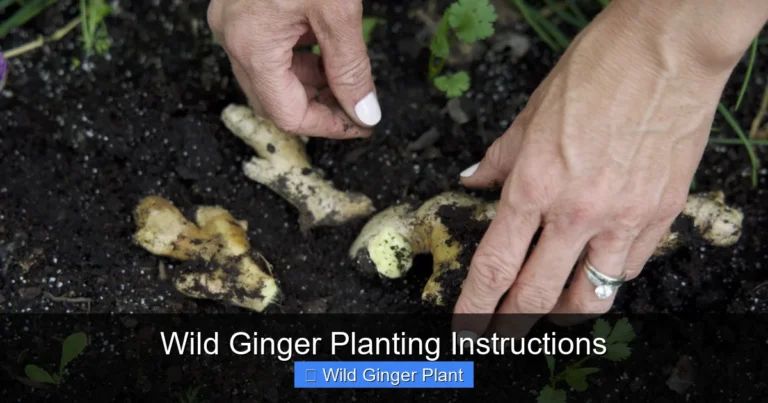
You can also plant like wild ginger ground cover using divisions from established plants. This is economical and produces mature plants faster. Dig up a clump in early spring or fall. Use a sharp knife or spade to cut the rhizomes into sections. Each division needs at least one growing point with roots attached. Replant immediately at the same depth. Water well and mulch. Divisions may look sparse at first. They will fill out within a growing season. You can also plant bare rhizome pieces horizontally, just below the soil surface. This works but takes longer to produce visible growth. Potted plants from nurseries are the easiest and most reliable option for beginners.
Establishment Care During the First Year
The first growing season is critical. Water consistently to keep the soil evenly moist. Check soil moisture weekly by sticking your finger two inches deep. Water if it feels dry. Do not fertilize at planting time. The compost you added provides enough nutrients. Wait until the following spring to apply a light feeding. Remove any weeds that appear promptly. They compete for water and nutrients. Do not use herbicides near young wild ginger. The broad leaves absorb chemicals easily. Hand-pull weeds instead. By the end of the first year, your plants should have doubled in size. They will begin forming a continuous mat by year two or three.
Caring for Your Wild Ginger Ground Cover Through the Seasons
Spring Awakening and Early Care
Spring brings fresh growth and the year’s main maintenance tasks. As soon as the ground thaws, check your wild ginger patches. Remove any winter-killed leaves. They pull away easily from the rhizomes. Look for signs of vole or mouse damage. These rodents sometimes tunnel under the mulch and nibble rhizomes. If you see disturbed soil, firm it back down and add hardware cloth barriers if needed. Apply a thin layer of compost around the plants. One inch is plenty. This replenishes nutrients for the growing season. If the clumps have become very dense, you can divide them now. Spring division gives the new pieces a full season to establish.
Summer Maintenance for Vigorous Growth
Summer care focuses on moisture management. Wild ginger never wants to dry out completely. During hot, dry spells, water deeply twice a week. Early morning watering reduces evaporation. Check the soil under the mulch regularly. It should feel cool and damp. If you see wilting leaves, you are already behind on watering. Increase frequency immediately. Summer is also when slugs and snails may appear. They love the tender new growth. Use beer traps, copper tape, or diatomaceous earth for control. Avoid metaldehyde baits if pets or wildlife visit your garden. Remove any flower stalks if you want to prevent self-seeding. Though wild ginger rarely becomes weedy from seed.
Autumn Preparation for Winter
Fall is the season to tuck your wild ginger in for winter. Let the fallen tree leaves stay where they land. They provide perfect natural mulch. If you have excess leaves, shred them with a mower and spread them over the ginger. Two to three inches of shredded leaves insulate the rhizomes. They also feed the soil as they decompose. Do not cut back green foliage. The leaves photosynthesize whenever temperatures allow. This builds energy reserves for spring. In late fall, after the ground freezes, you can add evergreen boughs for extra protection in cold zones. This prevents freeze-thaw cycles that can heave shallow rhizomes out of the ground.
Winter Dormancy and Protection
Winter requires almost no active care. The plants are dormant or semi-dormant. In mild climates, European wild ginger stays green all winter. Canadian wild ginger may hold its leaves until hard freezes. Either way, leave the foliage alone. It protects the crowns. If heavy ice or snow fluffy snow accumulates, gently brush it off to prevent stem breakage. Avoid walking on frozen wild ginger patches. The brittle leaves and stems snap easily. Foot traffic also compacts the soil, reducing aeration. If you must cross the area, lay down boards to distribute your weight. Plan any major renovations or divisions for early spring instead.
Long-Term Vigor and Renewal
After five to ten years, wild ginger patches may develop bare centers. The oldest rhizomes in the middle die out while the edges continue spreading. This creates a donut shape. Renew the planting by dividing in spring. Dig up the entire clump. Discard the dead center portions. Replant the vigorous outer sections with fresh compost. Space them as you would new plants. Water well and mulch. The patch will fill in completely within two seasons. You can also top-dress annually with compost to slow this aging process. A light scattering each spring keeps the soil rich and the rhizomes happy.
Common Problems and Solutions for Wild Ginger Ground Cover
Dealing with Pests Naturally
Wild ginger has few serious pest problems. Slugs and snails are the most common nuisance. They chew irregular holes in the leaves, especially in spring. Hand-pick them at night with a flashlight. Drop them into soapy water. Create barriers with crushed eggshells, diatomaceous earth, or copper tape around valuable patches. Encourage natural predators like ground beetles, toads, and birds. Avoid broad-spectrum insecticides. They kill beneficial insects along with pests. Spider mites may appear during hot, dry weather. They cause stippled, bronzed leaves. Increase humidity with regular misting or overhead watering. Predatory mites often control them naturally. If infestations are severe, spray with insecticidal soap or horticultural oil.
Preventing and Treating Diseases
Fungal diseases are the main health concern. Crown rot occurs in poorly drained soil. The rhizomes turn mushy and black. The leaves yellow and collapse. Prevention is the only cure. Ensure excellent drainage at planting time. Do not overwater. Remove and destroy affected plants immediately. Do not compost them. Leaf spot diseases cause brown or black lesions on foliage. They spread in wet, humid conditions. Improve air circulation by thinning overcrowded patches. Water at soil level, not overhead. Remove infected leaves promptly. Fungicides are rarely needed in home gardens. Good cultural practices prevent most problems.
Managing Environmental Stress
Sun scorch is the most common environmental issue. It happens when shade patterns change. A tree falls or is removed. A new structure reflects intense light. The leaves bleach, then brown at the edges. If caught early, you can transplant to a shadier spot. Or create temporary shade with cloth or taller companion plants. Drought stress causes similar symptoms. The leaves wilt, curl, and crisp. Water deeply and mulch heavily. The plants usually recover if the rhizomes are not killed. Winter burn affects evergreen species in exposed sites. Cold wind dries out the frozen leaves. Plant in protected locations. Use windbreaks like fences or evergreen shrubs. Apply anti-desiccant spray in late fall for extra protection.
Addressing Growth and Spread Issues
Slow establishment frustrates some gardeners. Wild ginger is not a fast spreader. It takes two to three years to form a solid mat. Be patient. Ensure optimal growing conditions to maximize growth rate. Rich soil, consistent moisture, and proper shade speed things up. If plants seem stalled, check for root competition from nearby trees. Large tree roots can outcompete wild ginger for water and nutrients. Create a root barrier by sinking a heavy plastic sheet vertically around the planting area. Leave the bottom open for drainage. Or plant in raised beds filled with good soil above the tree root zone.
Overcrowding eventually reduces vigor. The centers die out as mentioned earlier. Divide every five to seven years to maintain density. If wild ginger spreads beyond its allotted space, simply dig out the advancing rhizomes. They pull up easily. The plant does not regenerate from small root fragments like some invasive species. Edging with metal, plastic, or stone barriers keeps it contained neatly. A six-inch deep barrier is sufficient since the rhizomes stay shallow.
Creative Ways to Use Wild Ginger Ground Cover in Your Landscape
Under Trees and Shrubs
The classic use for wild ginger is beneath deciduous trees. Grass struggles in the dry shade and root competition there. Wild ginger thrives. Plant it in a ring around the trunk, extending to the drip line. Leave a six-inch gap around the trunk itself to prevent moisture buildup against the bark. The ginger will slowly fill the entire area. It creates a neat, uniform look that sets off the tree beautifully. Under evergreens, choose the driest, shadiest spots. The ginger handles needle drop well. The acidic needles actually benefit the soil pH. Just rake off excessive buildup each spring so light reaches the emerging leaves.
Along Pathways and Garden Edges
Wild ginger makes a soft, inviting border for shade garden paths. Plant it along the edges of stepping stone walkways. The leaves spill gently over the stones, softening hard lines. It tolerates occasional foot traffic better than many shade plants. For high-traffic paths, set stones slightly higher than the ginger crowns. This protects the growing points. Along formal garden beds, wild ginger creates a clean, green edge. It defines the space without the rigid look of boxwood or liriope. The heart-shaped leaves add a romantic, cottage-garden feel. Pair it with ferns and hostas behind for a layered effect.
On Slopes and Erosion-Prone Areas
The rhizomatous root system of wild ginger excels at holding soil on gentle slopes. Plant it in staggered rows across the hillside. Space plants twelve inches apart for quicker coverage. The rhizomes knit together underground, creating a living net. This stabilizes the soil during heavy rains. Mulch heavily with shredded bark that interlocks and resists washing away. Use jute netting or erosion control blankets on steep slopes until the ginger establishes. Wild ginger works well with other erosion-control natives like ferns, sedges, and creeping phlox. Together they create a resilient slope planting that looks natural and requires no mowing.
In Woodland and Native Plant Gardens
If you are creating a woodland garden, wild ginger is essential. It provides the ground layer that ties everything together. Plant it in drifts of odd numbers: three, five, seven, or more. Let the drifts flow into each other like a river. Intersperse with spring ephemerals that bloom and fade before the ginger peaks. Add vertical accents like Solomon’s seal, bugbane, or tall ferns. Include shrubs like spicebush, witch hazel, or native azaleas for structure. The result mimics a natural forest floor. It supports incredible biodiversity while looking intentionally designed. Maintenance is minimal once established. Just remove invasive species that try to move in.
Container and Small Space Solutions
You can even grow wild ginger in containers. Choose a wide, shallow pot at least twelve inches across. Use high-quality potting mix amended with compost. Ensure excellent drainage. Place the pot in full shade on a patio, porch, or balcony. Water frequently. Containers dry out faster than ground soil. Fertilize monthly with diluted organic fertilizer during the growing season. In winter, move pots to an unheated garage or bury them in the ground. This protects the roots from freeze-thaw cycles. Container-grown wild ginger makes a beautiful, unusual foliage plant. Pair it with shade annuals like impatiens or begonias for seasonal color.
Designing with Wild Ginger for Year-Round Interest
Spring Emergence and Flower Display
Spring is when wild ginger shines brightest. The new leaves unfurl like little umbrellas. They emerge with a soft, downy coating that catches morning dew. The color is a fresh, vibrant green that signals winter’s end. If you get down on your knees, you might spot the curious flowers. They hide at the base of the leaf stems. Gently pull back a leaf to peek. The jug-shaped blooms are a marvel of evolutionary design. Photograph them for a unique garden record. Spring is also when the foliage looks most pristine. No insect damage or weather wear has occurred yet. Enjoy this perfect moment.
Summer Texture and Weed Suppression
Through summer, wild ginger provides a cooling green carpet. The leaves mature to a deeper, glossier green. They overlap tightly, creating a seamless surface. This is when the weed-suppressing power is most visible. Bare soil elsewhere sprouts weeds weekly. Under the wild ginger, nothing gets through. The dense shade and physical barrier stop seedlings cold. You can literally walk away from a wild ginger patch for weeks in summer. It needs no mowing, no trimming, no deadheading. Just occasional watering during drought. The foliage remains attractive through heat and humidity. It is a true set-it-and-forget-it plant for the busy gardener.
Autumn Color and Leaf Capture
Fall brings subtle changes. In cooler climates, the leaves may develop purple or bronze tints. This adds unexpected color to the shade garden. The real autumn magic is functional. The horizontal leaves act like catcher’s mitts for falling tree leaves. They hold the leaves in place instead of letting them blow away. This creates a self-mulching system. The captured leaves decompose over winter, feeding the ginger naturally. You save work raking and money buying mulch. The ginger patch becomes a nutrient-recycling zone. In spring, you simply brush off any remaining large leaves. The small fragments have already disappeared into the soil.
Winter Structure and Evergreen Appeal
Winter reveals the true value of evergreen wild ginger species. When everything else is brown and dormant, European wild ginger stays glossy green. The leaves may lie flatter against the ground. They huddle close for warmth. But they persist. Snow covers them temporarily. When it melts, the green reappears. This provides crucial winter interest in shade gardens. It also protects the soil from erosion during winter rains. The leaves photosynthesize on warm days, giving the plant a head start in spring. In colder zones where it dies back, the dried leaves still cover the ground. They insulate the rhizomes and prevent frost heaving.
Companion Planting for Continuous Bloom
While wild ginger flowers are hidden, you can design for visible blooms all season. Plant early bulbs like snowdrops, crocus, and scilla among the ginger rhizomes. They bloom before the ginger leaves expand fully. Follow with spring ephemerals: trillium, bloodroot, trout lily. These complete their life cycle as the ginger reaches full size. Summer brings flowers from hostas, astilbes, and goatsbeard rising above the ginger carpet. Autumn adds color from toad lilies, Japanese anemones, and hardy cyclamen. The ginger provides the constant green backdrop. It unifies the changing display above. This layered approach creates a dynamic garden with minimal maintenance.
Conclusion
When you plant like wild ginger ground cover, you make a smart choice for difficult shady areas. This native perennial solves problems while delivering beauty. It suppresses weeds, prevents erosion, supports wildlife, and asks for little in return. The key to success is matching the plant to its preferred conditions. Give it shade, rich soil, and consistent moisture. Then step back and let it do what it has done for millennia. Spread slowly, steadily, and beautifully across the forest floor.
Start small if you are new to this plant. A few pots tucked under a tree or along a path will teach you its habits. Watch how it grows through the seasons. Notice how it captures leaves in autumn. Observe the spring emergence. Once you see its reliability, you will want more. Divide your original plants to expand the coverage. Share divisions with gardening friends. Before long, you will have a network of wild ginger patches connecting your shade gardens. Each one a testament to the power of choosing the right plant for the right place. Your shady spots will transform from bare dirt to lush green carpets. And you will have more time to sit back and enjoy them.
Frequently Asked Questions
How do I prepare soil for planting wild ginger ground cover?
Amend the planting area with 2 to 3 inches of compost worked into the top 8 to 10 inches of soil. Wild ginger prefers rich, moist, well-drained soil with a slightly acidic pH between 5.5 and 6.5.
What spacing should I use when planting wild ginger ground cover?
Space plants 12 to 18 inches apart in a staggered grid pattern. Closer spacing (12 inches) provides faster coverage, while wider spacing (18 inches) is more economical but takes longer to fill in.
How often should I water newly planted wild ginger?
Water deeply once or twice per week during the first growing season, keeping soil consistently moist but not waterlogged. Check soil moisture 2 inches deep and water when it feels dry.
What are the best companion plants for wild ginger ground cover?
Excellent companions include ferns, hostas, foamflower, coral bells, woodland phlox, and spring ephemerals like trillium and bloodroot. All share similar shade and moisture requirements.
How do I control slugs on wild ginger ground cover?
Use beer traps, copper tape barriers, diatomaceous earth, or hand-picking at night. Encourage natural predators like toads and ground beetles. Avoid metaldehyde baits if pets or wildlife visit your garden.
Can I grow wild ginger ground cover in containers?
Yes, wild ginger grows well in wide, shallow containers (12+ inches diameter) with high-quality potting mix amended with compost. Place in full shade, water frequently, and protect from winter freeze-thaw cycles.