How to Plant Wild Ginger Roots
Wild ginger is a low‑maintenance native that thrives in moist, shady spots. Follow these simple steps to plant the rhizomes and enjoy a carpet of heart‑shaped leaves all season.
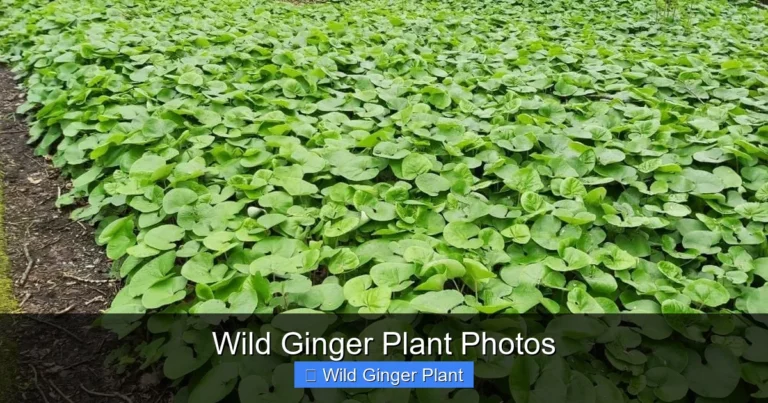
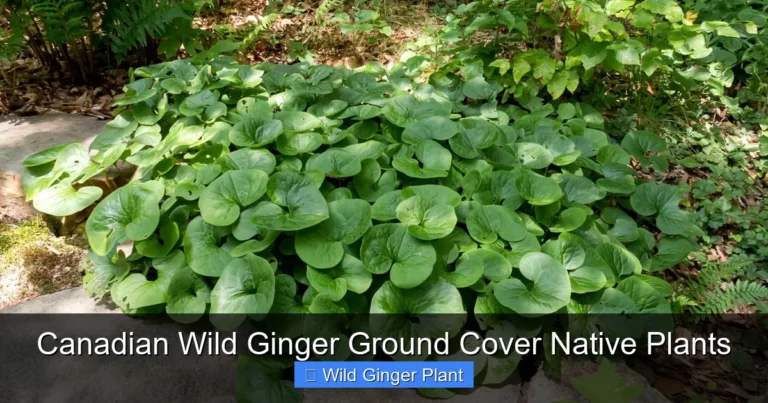
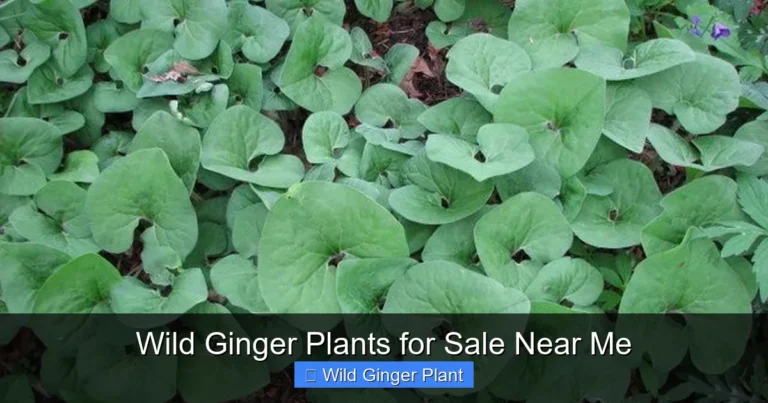
Wild ginger is a charming groundcover that adds texture to any woodland garden. Its glossy, heart‑shaped leaves stay green through most of the year. The plant spreads slowly, forming a dense mat that suppresses weeds naturally.
If you have ever wondered how to plant wild ginger roots, you are in the right place. This guide walks you through every step, from site selection to long‑term care. You will learn the exact timing, spacing, and watering needs that lead to a thriving patch.
By the end of this article you will feel confident tackling the project on your own. No special tools are required, just a little patience and the right information.
Key Takeaways
- Choose shade: Wild ginger prefers dappled to full shade.
- Moist, rich soil: Amend with compost for best results.
- Plant in spring or fall: Cool temperatures reduce stress.
- Space rhizomes 12‑18 inches apart: Allows room to spread.
- Mulch heavily: Keeps soil moist and suppresses weeds.
- Divide every 3‑4 years: Keeps the patch vigorous.
- Watch for root rot: Ensure good drainage to avoid problems.
Quick Answers to Common Questions
When is the best time to plant wild ginger roots?
Early spring or early fall provides cool temperatures and adequate moisture for establishment.
How deep should I plant the rhizomes?
Cover the rhizomes with 1 to 2 inches of soil, laying them horizontally with buds facing up.
What type of mulch works best?
Shredded leaves, bark, or pine straw retain moisture and break down slowly, feeding the soil.
How often should I water after planting?
Keep the soil evenly moist for the first 4‑6 weeks, then water weekly during dry spells.
Can wild ginger tolerate full sun?
No, direct afternoon sun will scorch the leaves; it prefers dappled to full shade.
📑 Table of Contents
Getting to Know Wild Ginger
What Is Wild Ginger?
Wild ginger (Asarum canadense) is a perennial native to eastern North America. It grows from thick, creeping rhizomes that sit just below the soil surface. The flowers are hidden at ground level and are pollinated by beetles. The foliage is the main ornamental feature.
Native Range and Habitat
You will find wild ginger in moist, deciduous forests from Canada down to Georgia. It thrives on rich, humus‑rich soils near streams and in ravines. The plant prefers consistent moisture but can tolerate brief dry spells once established.
Why Gardeners Love It
Gardeners value wild ginger for its low maintenance and ability to fill shady gaps. It works well under trees, along north‑facing walls, and in rain gardens. The dense foliage also provides habitat for beneficial insects.
Picking the Perfect Spot
Light Requirements
Wild ginger does best in dappled shade or full shade. Direct afternoon sun can scorch the leaves. A spot that receives morning light and afternoon shade is ideal.
Soil Preferences
The plant prefers slightly acidic to neutral soil (pH 5.5‑7.0). Rich organic matter improves moisture retention. If your soil is heavy clay, mix in compost or leaf mold to improve texture.
Moisture and Drainage
Consistent moisture is key, but the site must drain well. Standing water leads to root rot. A gentle slope or raised bed can help excess water move away.
Preparing the Bed
Clearing Weeds and Debris
Start by removing all weeds, grass, and leaf litter from the planting area. Hand pulling works best because it avoids disturbing the soil structure. A clean bed reduces competition for water and nutrients.
Amending the Soil
Spread a 2‑inch layer of well‑rotted compost over the cleared area. Work it into the top 6‑8 inches of soil with a garden fork. This step adds nutrients and improves moisture holding capacity.
Creating a Planting Bed
Rake the amended soil smooth. Form a shallow trench about 2 inches deep where the rhizomes will sit. The trench helps you keep the planting depth consistent.
How to Plant Wild Ginger Roots
Best Time to Plant
The optimal window for how to plant wild ginger roots is early spring or early fall. Cool temperatures and ample rainfall give the rhizomes a strong start. Avoid planting during hot, dry summer weeks.
Spacing the Rhizomes
Place each rhizome 12 to 18 inches apart. This spacing allows the plants to fill in without crowding. If you want a faster groundcover, you can plant a little closer, but expect more division later.
Depth and Orientation
Lay the rhizome horizontally with the buds facing up. Cover with 1 to 2 inches of soil. Firm the soil gently to remove air pockets. Proper orientation ensures the shoots emerge quickly.
Watering After Planting
Water the newly planted area thoroughly. Aim for a deep soak that reaches the rhizome zone. Keep the soil evenly moist for the first 4‑6 weeks. This step is critical for successful establishment.
Mulching for Success
Apply a 2‑inch layer of shredded leaves or bark mulch. Mulch conserves moisture, moderates soil temperature, and suppresses weeds. Replenish mulch each spring as it breaks down.
Caring for Your New Patch
Watering Schedule
During the first growing season, water once a week if rainfall is less than 1 inch. After establishment, wild ginger tolerates short dry periods. In prolonged drought, give a deep soak every two weeks.
Fertilizing Lightly
Wild ginger does not need heavy feeding. A light top‑dressing of compost in early spring is sufficient. Avoid high‑nitrogen fertilizers; they encourage leaf growth at the expense of rhizome development.
Dividing Clumps Over Time
Every 3‑4 years, lift the clump in early spring. Separate healthy rhizome sections with a sharp knife. Replant the divisions using the same how to plant wild ginger roots steps. Division rejuvenates the patch and gives you new plants.
Watching for Pests and Diseases
Wild ginger is relatively pest‑free. Slugs may nibble young leaves; use beer traps or diatomaceous earth if needed. Root rot appears as mushy, dark rhizomes; improve drainage to prevent it.
Expanding and Troubleshooting
Propagating by Division
Division is the fastest way to increase your stock. Follow the same how to plant wild ginger roots method for each division. Plant divisions immediately to avoid drying out.
Seed Propagation Basics
Seeds require cold stratification. Sow fresh seeds in a moist seed‑starting mix, cover lightly, and place in a refrigerator for 60‑90 days. After stratification, move to a shaded greenhouse. Germination can take several months.
Common Problems and Fixes
Yellowing leaves often signal too much sun or nutrient deficiency. Move the plant to deeper shade and add compost. Slow spread may indicate compacted soil; aerate gently with a fork. If rhizomes rot, reduce watering and improve drainage.
With the right site, proper planting depth, and consistent moisture, your wild ginger will reward you with a lush, evergreen carpet for years. Remember the key steps of how to plant wild ginger roots, and you will enjoy a low‑maintenance native groundcover that enhances any shady garden.
Frequently Asked Questions
What soil pH does wild ginger prefer?
Wild ginger thrives in slightly acidic to neutral soil, ideally between pH 5.5 and 7.0.
How far apart should I space the rhizomes?
Space rhizomes 12 to 18 inches apart to allow room for natural spread.
Do I need to fertilize wild ginger regularly?
Only a light top‑dressing of compost in early spring is needed; avoid heavy fertilizers.
How do I divide an established clump?
Lift the clump in early spring, cut healthy rhizome sections with a sharp knife, and replant using the same planting steps.
What are signs of root rot?
Mushy, dark rhizomes and wilting foliage indicate root rot; improve drainage and reduce watering.
Can I grow wild ginger from seed?
Yes, but seeds need 60‑90 days of cold stratification and can take many months to germinate.